

Quick Answer
Food and beverage manufacturers should compare LTL shipping providers on handling controls, delivery reliability, visibility, safety oversight, and complete booking cost, not the base rate alone. For shipments crossing the Canada-U.S. border, the provider must also support accurate documentation, sealed loads, and clear communication when food requires special temperature or inspection controls.
Introduction
LTL shipping can be a practical way for food and beverage manufacturers to move one to eight pallets without paying for unused truck capacity. The right provider protects product condition and delivery commitments by matching the shipment with a carrier that can meet its handling, timing, and route requirements. This matters especially for producers shipping from Quebec or Ontario into U.S. markets, where a documentation issue or missed appointment can disrupt receiving schedules. A low quote becomes expensive when damaged packaging, temperature exposure, or border delays put a customer order at risk.
Key Takeaways:
Compare handling controls before comparing freight rates.
Verify carrier safety, service records, and shipment visibility.
Confirm cross-border documentation before freight reaches the border.
LTL Shipping Criteria That Protect Food and Beverage Freight
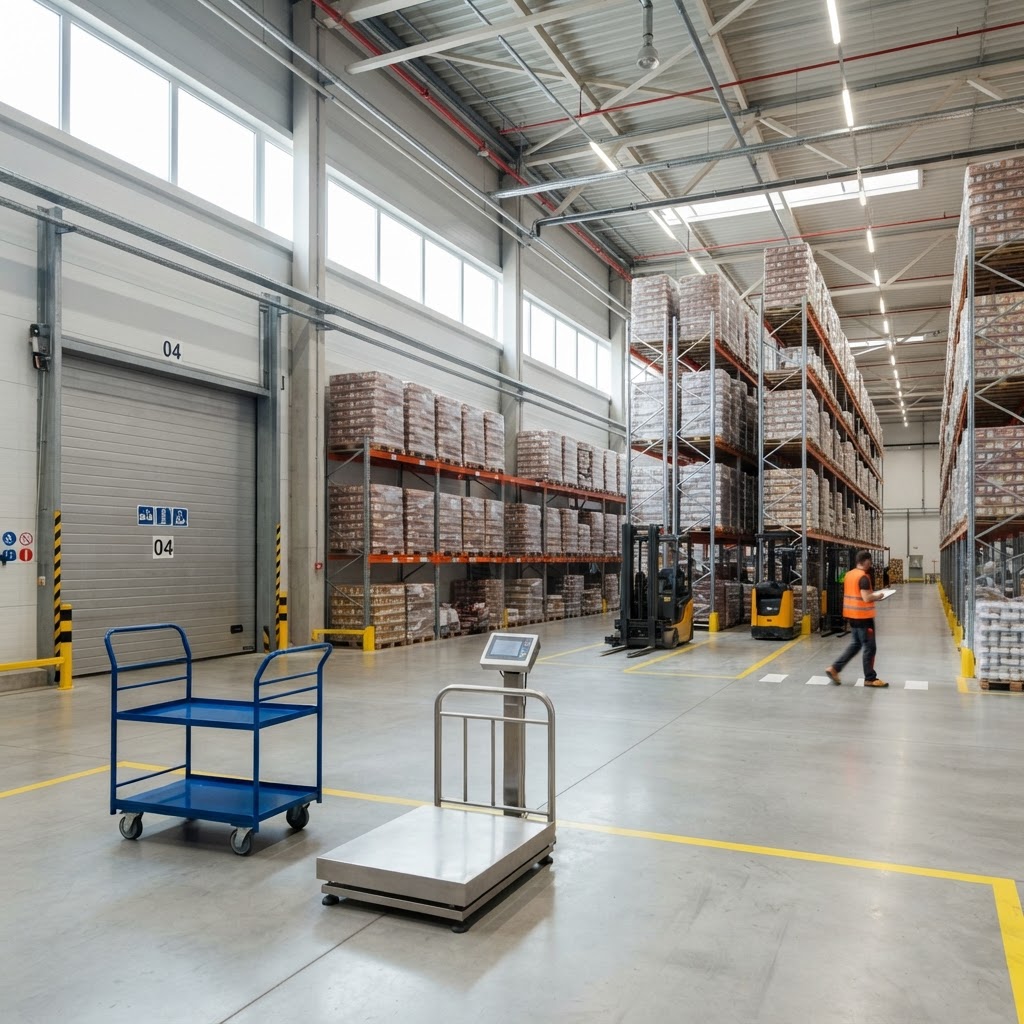
LTL freight moves alongside other shipments, so food manufacturers need a comparison process that addresses shared-terminal handling and delivery coordination. Start with the product’s actual risk profile: ambient packaged goods need protection from crushing and contamination, while chilled products require a confirmed temperature-control plan. The most useful providers make these shipment instructions visible before pickup rather than treating them as afterthoughts.
Compare handling requirements before accepting a quote
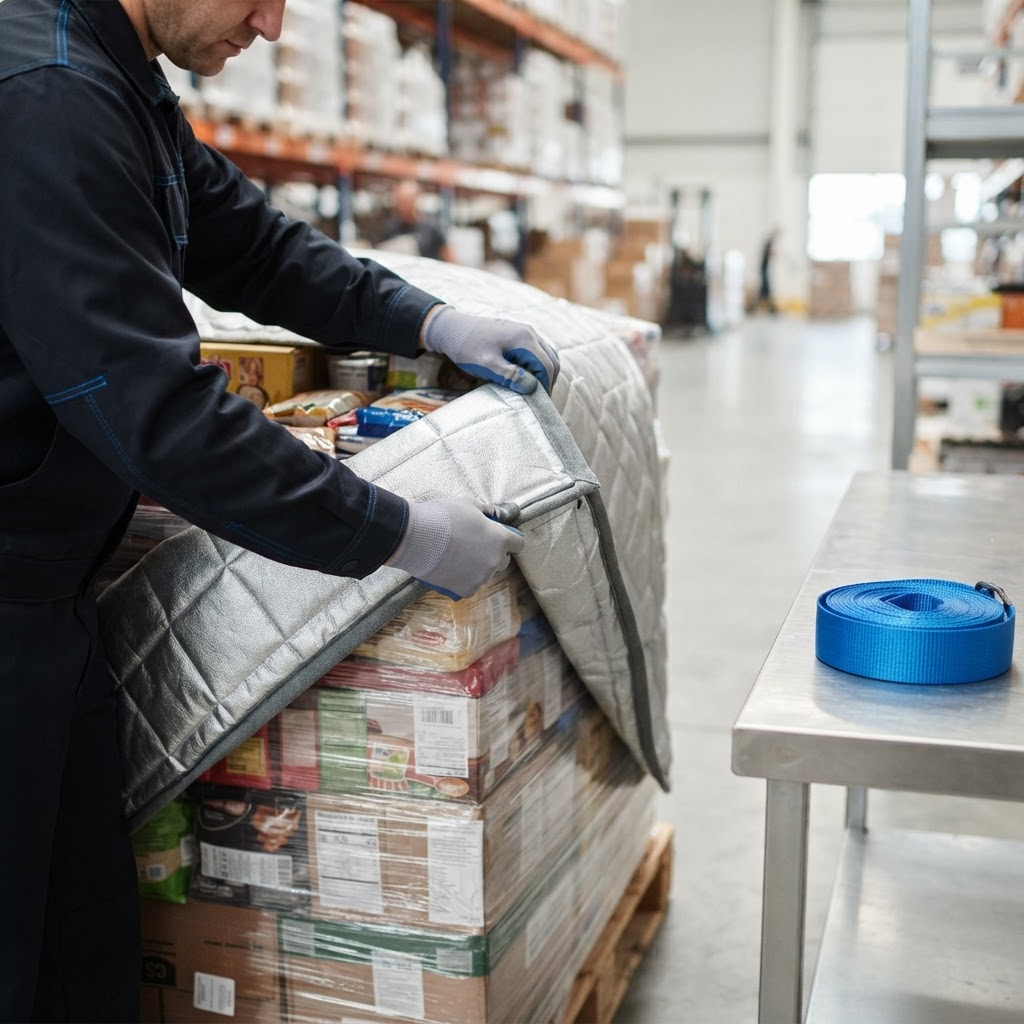
Every quote request should state pallet count, dimensions, weight, stackability, packaging type, pickup constraints, delivery appointment requirements, and product sensitivity. For cross-border food freight, add the commodity description, consignee details, commercial documentation, and any inspection-related instructions so the carrier can identify operational concerns before dispatch. For meat shipments, the Canadian guidance on refrigeration control measures identifies refrigeration as an important control measure for red meat and states that, where a written preventive control plan is required, it must be supported by documentation, monitoring, and verification evidence.
Temperature: Confirm equipment and monitoring expectations before tendering.
Seals: Record seal numbers on shipping documents.
Packaging: Use stable, protected pallets for terminal handling.
Appointments: Confirm receiving windows before pickup.
Documents: Align invoices, packing lists, and commodity descriptions.
Measure reliability through operational evidence
Ask how a provider evaluates carrier performance, handles exceptions, and communicates a missed pickup or delayed delivery. A platform should give shippers access to carrier reliability metrics and carrier performance ratings, rather than asking them to rely on an unverified quote. Safety compliance also matters: Transport Canada identifies fatigue management as an area supported by its carrier data exchange and safety fitness work.
For regulated or sensitive products, carrier selection should reflect the shipment’s operating requirements, not simply the cheapest line-haul charge.
Compare LTL Carriers Ontario and Quebec Providers on Total Control
For food producers, comparing LTL carriers means comparing the booking experience as well as the truck movement. Rate transparency, carrier access, tracking, and support determine whether a logistics manager can resolve a problem before it becomes a rejected delivery or a border hold. This is particularly important for LTL shipping Montreal businesses that serve distributors, retailers, and U.S. customers on fixed receiving schedules.
Use a consistent provider comparison framework
The table below separates the decision factors that matter most for palletized food and beverage shipments. It is designed for a shipper evaluating a direct carrier marketplace against a conventional broker-led process, rather than assuming every freight model provides the same visibility.
Comparison point | Direct carrier marketplace | Traditional broker-led process |
|---|---|---|
Rate comparison | Carrier quotes reviewed side by side | Quote availability depends on broker process |
Carrier selection | Carrier details and ratings available before booking | Carrier may be selected after quote acceptance |
Booking fees | Itemized booking fees can be shown upfront | Fee structure may be embedded in quoted pricing |
Shipment visibility | Central dashboard and carrier communication | Updates routed through broker contacts |
Exception response | Direct dispatch communication can speed clarification | Messages may pass through an intermediary |
The operational advantage is control: a manufacturer can compare transit expectations and carrier information before committing product to a pickup. For a time-sensitive load, that visibility is more useful than discovering constraints after a dispatch has already been arranged.
Truxweb provides this direct-to-carrier model for SMEs, broadcasting one request to carriers serving the lane and showing rates, transit times, carrier ratings, and booking fees before confirmation. Its network requires carriers to maintain a minimum 95% satisfaction rating, while daily SaferWatch monitoring supports federal and provincial safety and compliance review.
Calculate landed freight cost instead of chasing a low rate
Affordable LTL freight rates are meaningful only when the quote reflects the service needed to deliver usable product. Compare accessorial charges, appointment requirements, border-related handling, storage exposure, redelivery risk, and the internal labour required to chase updates; a checklist of LTL packaging requirements can help prevent avoidable damage and document discrepancies before pickup. For cross-border freight entering Canadian fulfillment operations, LTL pricing can also reflect customs-clearance timing and potential storage fees when shipments are held for documentation. Where volume grows, a true LTL vs FTL shipping cost comparison should include the cost of waiting to fill a truck and the operational cost of delayed inventory.
Truxweb reports average savings of 14 to 22% and headline savings up to 40%, while its model removes broker fees that it says can inflate pricing by up to 40%. These figures should be evaluated against the exact lane, service requirements, and handling conditions for each shipment, not treated as a substitute for a complete quote review.
Build cross-border checks into the booking workflow
Cross-border food shipments need consistent paperwork before the driver arrives, because product descriptions, quantities, consignee data, and shipment instructions must match across documents. Customs preparation reduces the chance that a documentation discrepancy delays freight at the border.
Use a booking workflow that keeps dispatch messages, shipment milestones, and supporting records in one location. Truxweb’s 360-degree dashboard, real-time email alerts, and in-platform carrier dispatch chat give logistics teams a documented communication trail when a pickup, delivery, or cross-border instruction changes.

Conclusion
Food and beverage manufacturers should treat LTL selection as a product-protection and compliance decision, not a rate-shopping exercise. Compare handling instructions, carrier accountability, delivery visibility, total cost, and cross-border documentation before releasing freight. For Quebec and Ontario SMEs that need to compare carrier options directly while keeping shipment communication centralized, Truxweb is the practical choice for palletized freight. The strongest process is one that identifies product risks before pickup and records every instruction needed to deliver without surprises.
Need clearer carrier comparisons for your next food shipment? Explore direct carrier quotes and booking details from Truxweb.
Frequently Asked Questions (FAQs)
How does LTL shipping work for small businesses?
LTL shipping works for small businesses by combining multiple shippers’ palletized freight in one trailer, allowing a manufacturer to pay for the space used while accepting that terminal transfers and delivery coordination require detailed shipment instructions.
What is the cost of LTL shipping?
The cost of LTL shipping depends on lane, pallet dimensions, weight, freight characteristics, service level, pickup and delivery conditions, and any cross-border or appointment-related charges, so the base transportation rate alone does not show the total cost.
How do I compare LTL shipping quotes online?
You compare LTL shipping quotes online by matching every provider against the same pallet data, service requirements, accessorial needs, transit expectation, carrier rating information, and disclosed booking fees before selecting a carrier.
Is LTL shipping cheaper for 1 to 8 pallets?
LTL shipping can be cheaper for one to eight pallets because the shipper pays for shared trailer capacity instead of an entire truck, but the decision should also account for product sensitivity, handling exposure, and required delivery timing. At higher volumes, the per-unit cost can fall below LTL pricing for the same freight, so the shipment size and timing requirements determine the appropriate comparison.
Is my pallet freight covered by insurance?
Pallet freight coverage depends on the carrier’s liability terms and any additional coverage arranged for the shipment, so manufacturers should confirm limits, exclusions, claims procedures, and declared product value before pickup.
What are the benefits of shipping direct to carriers?
Shipping direct to carriers can provide clearer rate comparisons, direct dispatch communication, and earlier visibility into carrier information, which helps food manufacturers document special handling requirements and address service questions without unnecessary intermediaries.
What should LTL carriers in Ontario provide for food manufacturers?
LTL carriers in Ontario for food manufacturers should provide clear pickup and delivery communication, appropriate equipment for the product’s handling needs, documented shipment instructions, credible safety oversight, and reliable coordination for Canada-U.S. freight when required.
About the Author
Sarah Bennett is a Cross-Border Trade & Customs Specialist focused on freight compliance, customs clearance, and Canada-U.S. shipping between Ontario, Quebec, and key U.S. markets. Her work emphasizes practical documentation, carrier coordination, and risk controls that help manufacturers move freight across borders with fewer avoidable disruptions.