LTL Shipping for Building Products: Doors, Windows and Flooring
Avoid damaged goods and surprise fees when shipping doors, windows, and flooring via LTL freight. Get practical tips on class, crating, and delivery access.
By Max Gravel · 7 min read ·

Quick Answer#
LTL shipping for finished doors, windows, and flooring works when the shipment is accurately described, protected for repeated terminal handling, and matched to the delivery site's equipment. Long or fragile pallets need especially careful classification, crating, dimensions, and accessorial planning because damage and rehandling can quickly create delays or added charges.

Introduction#
Building-product shippers should treat LTL shipping as a handling-intensive service, not simply pallet transport. Doors can flex, windows can crack, and flooring cartons can shift or absorb moisture when packaging does not control movement. Accurate dimensions, declared commodity details, and delivery conditions all affect the carrier's plan before pickup. The bill of lading should describe the finished product and its packaging clearly enough for a dock team to handle it without guessing.
Key Takeaways:
Accurate dimensions and commodity descriptions reduce reclassification and rehandling risk.
Crates, edge protection, and stable pallets protect finished surfaces during terminal transfers.
Liftgate needs and site access should be confirmed before the shipment is booked.
LTL Shipping Description and Dimensions for Finished Building Products#
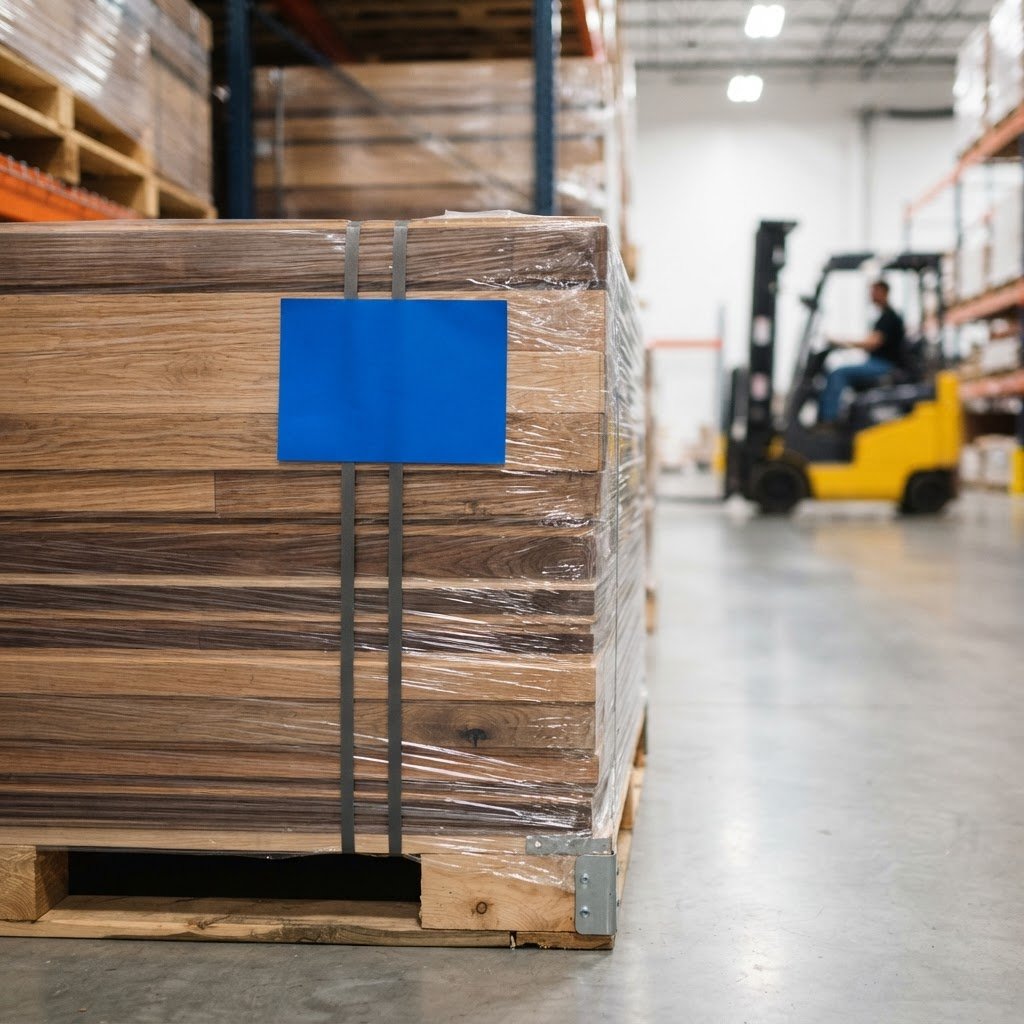
Shipment description and accurate dimensions affect how carriers price and plan LTL freight, and neither is a shortcut for describing a shipment properly. Doors, window assemblies, and flooring may differ by material, density, dimensions, packaging, and liability exposure, so the product description must match the actual tender. Use an freight class chart as a starting reference, then verify the applicable commodity listing before booking.
How Canadian LTL Pricing Works for Doors, Windows, and Flooring#
How a Canadian LTL carrier prices a shipment depends on the commodity and its shipment characteristics, including whether it is crated, bundled, palletized, or protected by manufacturer packaging. A finished steel door may be associated with a different classification basis than a wood interior door or a glazed window unit, so avoid assigning one class across a mixed order. For doors and window frames, review the relevant NMFC classification rules that fit the materials and packaging used.
Commodity: Identify doors, windows, flooring, or mixed finished products precisely.
Material: Separate wood, steel, glass, vinyl, and composite product lines.
Packaging: State whether freight is crated, boxed, banded, or exposed.
Dimensions: Measure the complete pallet, including protectors and overhang.
Condition: Record existing cosmetic damage before carrier pickup.
Why Long Pallets Need Exact Dimensions#
Long door bundles and oversized window crates can require different handling from compact palletized freight. Provide length, width, height, weight, stackability, and any pallet overhang in the quote request, then use guidance for large LTL freight to identify handling constraints before the carrier arrives. An incomplete measurement can lead to a corrected bill, a handling charge, or a refusal when the freight cannot move safely through a terminal.

Packaging and Delivery Controls for Fragile LTL Freight#
Finished building products need packaging that anticipates forklift contact, dock transfers, and freight placed nearby. The purpose is not to make the load look secure at origin, but to keep it stable and protected until the consignee signs for it. This is particularly important for multi-pallet orders that combine flooring with fragile glazing or finished doors.
Crate and Pallet Design That Limits Damage#
Use a sound pallet that fully supports the load, keep cartons inside the pallet footprint, and immobilize products with blocking, strapping, stretch wrap, and corner protection. Freight must not overhang the pallet edge. If a packaging failure is discovered at a terminal, the carrier may refuse to continue moving the freight or charge a repackaging, reconditioning, or handling fee when its tariff provides for one. Practical LTL packaging requirements also matter for cross-border LTL shipping because the load may encounter additional transfers and inspections.
For glazed units, use rigid crates that prevent face-to-face contact and isolate glass edges from forklift entry points. For flooring, protect carton corners from compression and seal against moisture exposure; validate packaging through ISTA packaging standards before a high-value product line is shipped broadly.
Product | Primary risk | Preferred protection | Booking detail |
|---|---|---|---|
Doors | Edge damage and flexing | Rigid crate, corner boards, internal blocking | Full pallet length and non-stackable status |
Windows | Glass breakage and frame distortion | Vertical crate, separators, protected fork zones | Fragile construction and crate dimensions |
Flooring | Carton crush and moisture exposure | Wrapped pallet, top cap, corner protection | Carton count, pallet size, total weight |
The critical tradeoff is that heavier protective packaging can change shipment dimensions and weight, but inadequate packaging exposes inventory to preventable damage.
Liftgates, Job Sites, and Delivery Appointments#
A residential site, retail storefront, or active project may lack a dock and forklift, so confirm receiving equipment before pickup. Arrange liftgate delivery services when the consignee cannot unload a pallet from trailer height, and disclose narrow access, appointment needs, limited parking, or indoor placement expectations. A liftgate lowers freight to ground level, but it does not replace the labour or equipment required to move a long crate across uneven ground.

Documenting Damage and Choosing Carrier Capacity#
Damage prevention continues through documentation. Photograph each finished pallet, retain packing records, and make sure the carrier receipt reflects visible exceptions before the driver leaves. A clear record reduces disagreement about when damage occurred.
What to Do When Damage Is Visible#
Do not sign a clean delivery receipt when there is visible breakage, crushed packaging, torn wrap, wet cartons, or a damaged crate. Note the specific condition on the receipt, take photographs of the freight and labels, preserve the packaging, and notify the carrier promptly using its claim process. Packaging guidance for LTL claims procedures emphasizes that packaging condition can affect whether damage is accepted for review.
Compare Handling Details Before You Book#
Quote comparison should include more than a linehaul price: compare transit timing, accessorial details, pallet dimensions accepted, and carrier ratings. For Quebec and Ontario SMEs, Truxweb lets shippers compare carrier quotes, transit times, ratings, and detailed booking fees before confirming a shipment. Use that comparison to confirm that the quoted service matches the crate size, pickup limitations, and delivery requirements already documented.
Conclusion#
Successful LTL shipping for doors, windows, and flooring begins with an accurate commodity description and ends with a documented delivery inspection. Measure the complete load, build packaging for terminal handling, disclose oversized dimensions and accessorial needs, and record exceptions immediately. For shippers moving one to eight pallets across Canada or into the United States, Truxweb is a practical choice when direct carrier comparison and clear booking details are needed for fragile or awkward finished products. The shipment should be ready for the actual dock environment, not only the warehouse floor.
Ready to compare carrier options for fragile building products? Compare carrier options with Truxweb for a clearer LTL booking process.
Frequently Asked Questions (FAQs)#
What is LTL shipping?#
LTL shipping is a freight service in which multiple shippers share trailer space, so finished doors, windows, and flooring may be handled at terminals between pickup and delivery and must be packaged for those transfers.
How do dimensions and packaging affect my shipping cost?#
Dimensions, packaging, and handling characteristics affect shipping cost because Canadian carriers price primarily on dimensional weight, while commodity description and packaging still determine handling requirements and accessorial charges.
How do I protect doors and windows from damage during LTL shipping?#
Protect doors and windows during LTL shipping by using rigid crates, internal blocking, edge protection, secure strapping, and pallet designs that keep fragile surfaces away from forklift entry points and adjacent freight.
What determines flooring shipping costs?#
Flooring shipping costs depend on the flooring material, packaging method, shipment density, and dimensional weight, so a shipper should verify accurate measurements for the exact finished product rather than assume a universal rate.
Is LTL shipping suitable for oversized pallets?#
LTL shipping can be suitable for oversized pallets when the carrier receives complete dimensions, weight, stackability, and handling information before booking, allowing it to confirm capacity and identify applicable handling requirements.
Do I need a liftgate for building product deliveries?#
You need a liftgate for building product deliveries when the receiving location has no dock or forklift to unload trailer-height freight, although the consignee still needs a safe way to move the pallet after it reaches ground level.
About the author