


Introduction
Before you book a large LTL freight shipment, three variables decide whether you get a fair rate or a surprise invoice: freight class, accurate dimensions, and the carrier's fit for oversized loads. Shippers moving 4 to 8 pallets, tall crates, or heavy machinery face different math than a standard single-pallet move, and small measurement errors can add hundreds of dollars in reclass fees. The 2026 Canadian LTL market is tighter on capacity for oversized freight, with carriers applying stricter dimensional weight rules and linear foot rules on shipments over 12 feet. Ontario and Quebec shippers scaling their volume are the most exposed to these rules because regional lanes fill quickly during peak weeks. Getting the fundamentals right upfront is what separates a smooth pickup from a rebilled shipment stuck at a terminal.
Key Takeaways:
Freight class and accurate dimensions drive 80% of your final LTL freight shipping cost.
Large or oversized freight often triggers linear foot rules, dimensional weight adjustments, and extra accessorials.
Choosing an LTL freight carrier with the right equipment and lane coverage matters more than picking the lowest quote.
Understanding Freight Class and Dimensions for Large LTL Shipments
Large LTL freight rarely fits neatly into a standard rate table because carriers price it against a combination of weight, density, and space consumed on the trailer. If any one of those inputs is off, the quote you accepted at booking will not match the invoice you receive two weeks later. This is why understanding classification and measurement is the first step every shipper needs to master before scaling into larger loads.
How Freight Class Works for Larger Shipments
Freight class in Canada follows the NMFC system used across North America, with 18 classes ranging from 50 (dense, durable freight) to 500 (light, fragile, high-value goods). Class is determined primarily by density, but stowability, handling, and liability also factor in for oversized items. A pallet of engine parts might fall into class 70, while the same pallet dimensions holding empty plastic bins could jump to class 200 or higher.
Density: Weight divided by cubic feet, the single biggest driver of class assignment.
Stowability: Whether the freight stacks, nests, or blocks other cargo on the trailer.
Handling: Special equipment, orientation restrictions, or fragility that slow terminal operations.
Liability: Value per pound and susceptibility to damage or theft during transit.
For Ontario and Quebec shippers new to freight class calculations, running each SKU through a density calculator before quoting prevents the most common reclass disputes. Tools like freight class density calculators give an instant class estimate that you can match against carrier tariffs before the truck arrives.
Measuring Freight Correctly for Accurate Quotes
Measure each pallet or crate at its widest, longest, and tallest points, including any overhang, shrink wrap, or protruding hardware. Round up to the nearest inch, weigh the full unit on a certified scale, and record the values on the bill of lading exactly as measured. Undersized or estimated dimensions are the number one reason complete shipment data for accurate quotes fails at the terminal and triggers a reweigh charge. For freight over 8 feet long or 96 inches wide, note the linear feet consumed as well, since many carriers now bill on that basis for oversized loads.
How LTL Freight Rates Are Actually Calculated
Large LTL freight pricing is not a simple weight-times-rate calculation, and shippers who assume it is usually get burned on their first oversized move. Carriers layer several cost inputs together, then apply minimums and accessorials that can double a base quote if the shipment triggers them.
The Real Cost Drivers Behind LTL Shipping Rates
Base LTL shipping rates are calculated from origin and destination postal codes, freight class, weight, and any absolute minimum charges the carrier applies on short lanes. For large shipments, expect the base rate to increase progressively as weight brackets shift, then decrease per hundredweight once you cross 5,000 pounds. Fuel surcharges in Canada currently sit between 28% and 42% depending on the carrier and are applied on top of the base rate.
Weight breaks: Rates drop per hundredweight as you move up brackets, so 4,000 pounds often costs only 15% more than 2,500 pounds on the same lane.
Linear foot rule: Freight over 12 linear feet is billed as if it weighed 1,000 pounds per linear foot, regardless of actual weight.
Cubic capacity rule: Light, bulky shipments occupying more than 750 cubic feet are reclassified using deficit weight formulas.
Accessorials: Liftgate, residential pickup, inside delivery, appointment scheduling, and limited access sites each add fees.
Understanding how pricing factors affect LTL costs lets you model total landed cost before you commit. Shippers who skip this step routinely encounter hidden factors that increase rates at invoicing, often for items they could have declared upfront at no extra cost. Digital marketplaces like Truxweb display these accessorial options at quote time so shippers can compare apples to apples across carriers.
Avoiding Surprise Charges on Large Loads
Reweighs, reclassifications, and detention are the three most common surprise charges on large LTL freight, and each one is preventable. Declare accurate weight and dimensions on the bill of lading, confirm classification with the carrier before pickup on any borderline item, and have the shipment staged and ready at the dock window. According to seven key rate determinants, minimum charges and accessorial stacking account for the majority of invoice disputes on shipments under 3 pallets. Reviewing accessorial charges and surprise fees before your first large booking will save you significantly more than shopping for the lowest headline rate.
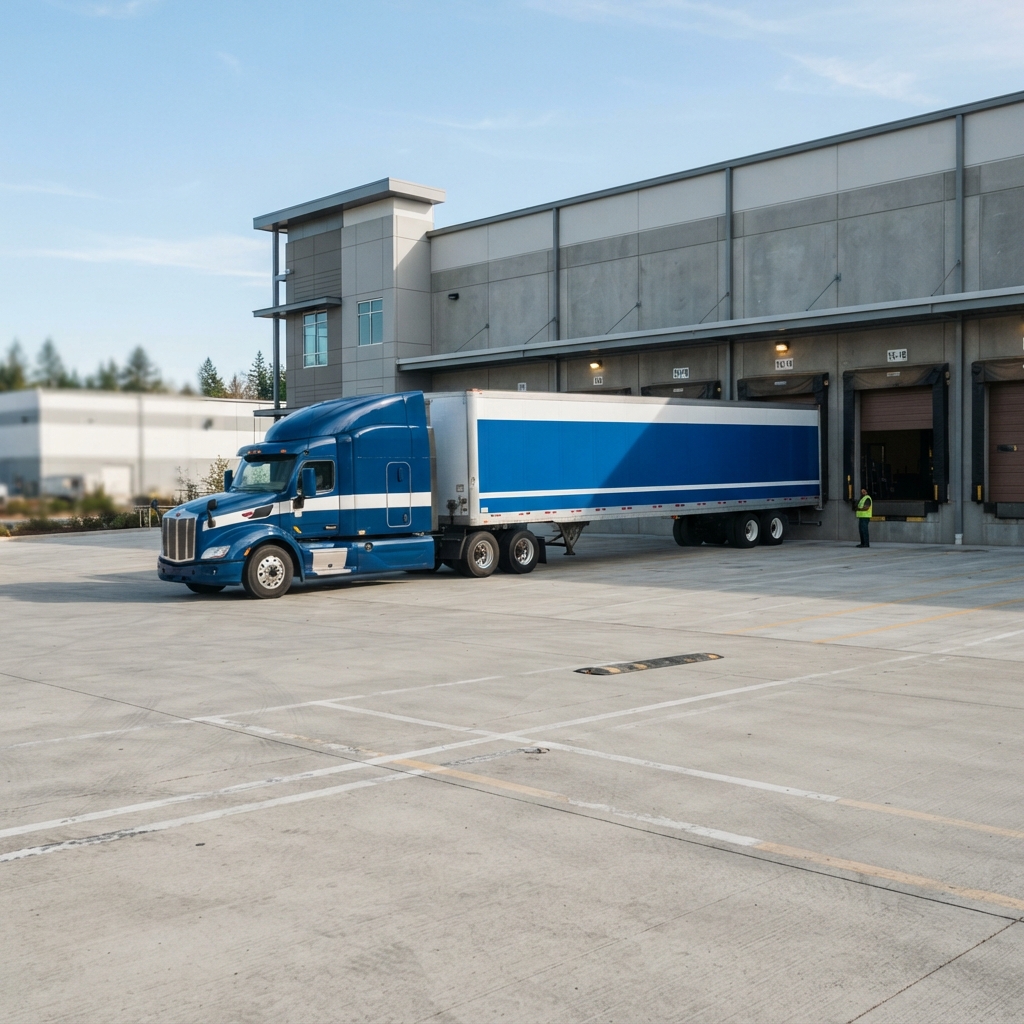
Why LTL Pricing Isn't a Simple Weight-Times-Rate Formula
Not every LTL freight carrier is built to handle large or oversized shipments well, and the wrong choice on a heavy load can mean transit delays, damage claims, or refused freight at the terminal. Carrier selection for large LTL freight comes down to three questions: do they have the equipment, do they serve your lane frequently, and do they have a documented track record with freight in your class range?
Matching Carrier Capabilities to Freight Profile
Regional carriers in Quebec and Ontario often outperform national carriers on lanes under 800 kilometers because they run direct terminals with fewer handling touches. National carriers become more competitive on longer hauls and cross-border moves where their network scale offsets extra transfers. For LTL freight shipping Ontario to Quebec corridors, a carrier with dedicated line-haul between Toronto and Montreal will typically beat a hub-and-spoke national on both price and transit. Guidance on evaluating LTL carrier fit covers how to weigh service areas, transit times, and reviews against your specific freight profile.
When to Consider LTL vs FTL for Large Freight
Once you cross 10 to 12 pallets or 15,000 pounds, LTL vs FTL shipping economics start to flip. Full truckload eliminates handling, reduces damage risk, and often prices competitively with LTL when accessorials and linear foot charges pile up. The break-even point varies by lane, but shippers moving 8 pallets or more should quote both modes before committing. A quick comparison through choosing the right LTL carrier can reveal when consolidation into a partial truckload actually costs less than splitting into two LTL loads.
Packaging and Documentation for Large LTL Freight
Proper packaging protects your freight and your rate. Use ISPM-15 certified pallets sized to your product, band or shrink wrap the load with a minimum of 5 rotations, and cap corners with edge protectors on any stack over 60 inches. Label all four sides with shipper and consignee details, and attach the bill of lading in a document pouch visible from the ground. Truxweb works with vetted LTL freight carriers who follow standardized handling protocols, and shippers get access to the platform's dashboard for tracking, dispatch confirmation, and proof of delivery on every booking.
Bill of lading: Include piece count, class, weight, NMFC number, and special instructions.
Product identification: SKU labels, hazmat placards where applicable, and clear top-load markings.
Photos at pickup: Timestamped images of the load before it leaves your dock protect against damage disputes.
Reviewing standard freight documentation requirements and best practices for packaging and securing shipments before your first large move builds the habits that keep damage claims below the industry average of 1.2%.

Conclusion
Large LTL freight shipping rewards preparation more than any other mode in Canadian logistics. Accurate measurements, honest classification, disciplined packaging, and the right carrier match on your lane are what keep quoted rates aligned with invoiced rates. Ontario and Quebec shippers who invest an hour in these fundamentals before their first large booking consistently see 15% to 25% lower total landed costs than those who default to the cheapest quote on paper. The tools and carrier networks are available to any SMB shipper willing to use them, and platforms have shortened the quoting cycle from days to minutes.
Ready to see how much your next large LTL shipment should really cost? Get instant quotes with Truxweb and compare vetted Canadian carriers side by side in minutes.
Frequently Asked Questions (FAQs)
What is LTL freight shipping?
LTL freight shipping is a mode where multiple shippers share trailer space on the same truck, typically used for shipments between 1 and 10 pallets that do not require a full truckload.
How is LTL freight priced for large shipments?
Pricing combines origin and destination, freight class, weight, dimensions, fuel surcharge, and any applicable accessorials, with linear foot and cubic capacity rules kicking in for oversized loads.
What is freight class for large shipments?
Freight class is an NMFC-assigned category from 50 to 500 based on density, stowability, handling, and liability, and it directly determines the base rate your LTL carrier applies.
How much does large LTL freight cost in Canada?
Large LTL freight in Canada typically ranges from CAD 350 to CAD 1,800 per shipment on Ontario and Quebec regional lanes, depending on weight, class, distance, and accessorials.
How do you ship large pallets LTL in Ontario or Quebec?
Measure and weigh each pallet accurately, assign the correct freight class, prepare a complete bill of lading, and book with a regional carrier experienced on the Toronto-Montreal or intra-provincial corridors.
What is the difference between LTL and FTL for large freight?
LTL shares trailer space and involves multiple handling stops, while FTL dedicates the entire trailer to one shipment, usually becoming more cost-effective and safer once you exceed 10 to 12 pallets.
How do you avoid LTL freight damage claims on large loads?
Use properly sized pallets, band and shrink wrap the freight securely, protect corners and edges, photograph the load at pickup, and select carriers with published damage rates under 1.5%.