


Introduction
Introduction
For Canadian businesses shipping LTL freight to the United States, transit time is one of the most consequential performance metrics in the supply chain. Unlike domestic moves, cross-border LTL shipping introduces variables that can add anywhere from one to five days to a delivery window, and many of those variables are within the shipper's control. How long does LTL shipping take from Canada to the US? The answer depends on a combination of geography, documentation accuracy, carrier routing, freight classification, and external disruptions. The difference between a three-day and a seven-day transit often comes down to decisions made before the freight ever leaves the dock.
Origin-Destination Lanes and Geographic Proximity
Geography is the single most predictable factor in LTL freight transit times between Canada and the US. Shipments originating from Ontario and Quebec benefit from shorter distances to major US markets, while freight moving from Western Canada faces longer hauls and additional terminal transfers that extend delivery windows.
Why LTL Shipping from Ontario and Quebec Is Faster
LTL shipping from Ontario to the US typically delivers within two to four business days to destinations in the US Northeast and Midwest. Toronto-to-Chicago lanes, for example, cover roughly 800 km with well-established carrier routes and high-frequency service. LTL shipping from Montreal to US border states like New York and Vermont benefits from even shorter distances, often achieving next-day or two-day delivery for palletized freight. These corridors see heavy daily volume, which means carriers run more frequent linehaul schedules and consolidate loads more efficiently.
Cross-border LTL from Quebec and Ontario also benefits from proximity to the busiest customs processing points. The Ambassador Bridge, Blue Water Bridge, and Lacolle border crossings handle the majority of commercial freight crossing into the US, and carriers on these lanes have established clearance workflows that minimize dwell time at the border.
Western Canada: Longer Lanes, More Transfers
Freight originating from Alberta or British Columbia faces a fundamentally different transit profile. A shipment from Vancouver to Dallas, for example, may travel over 3,500 km and pass through two or three carrier terminals before reaching its destination. Each terminal transfer adds roughly half a day to a full day of handling time. For shippers in Western Canada targeting US markets east of the Mississippi, transit times of six to eight business days are common. Choosing carriers with direct linehaul routes to the US border can shave one to two days off these longer lanes, making carrier selection a critical lever for western shippers.
Customs, Freight Class, and Carrier Selection
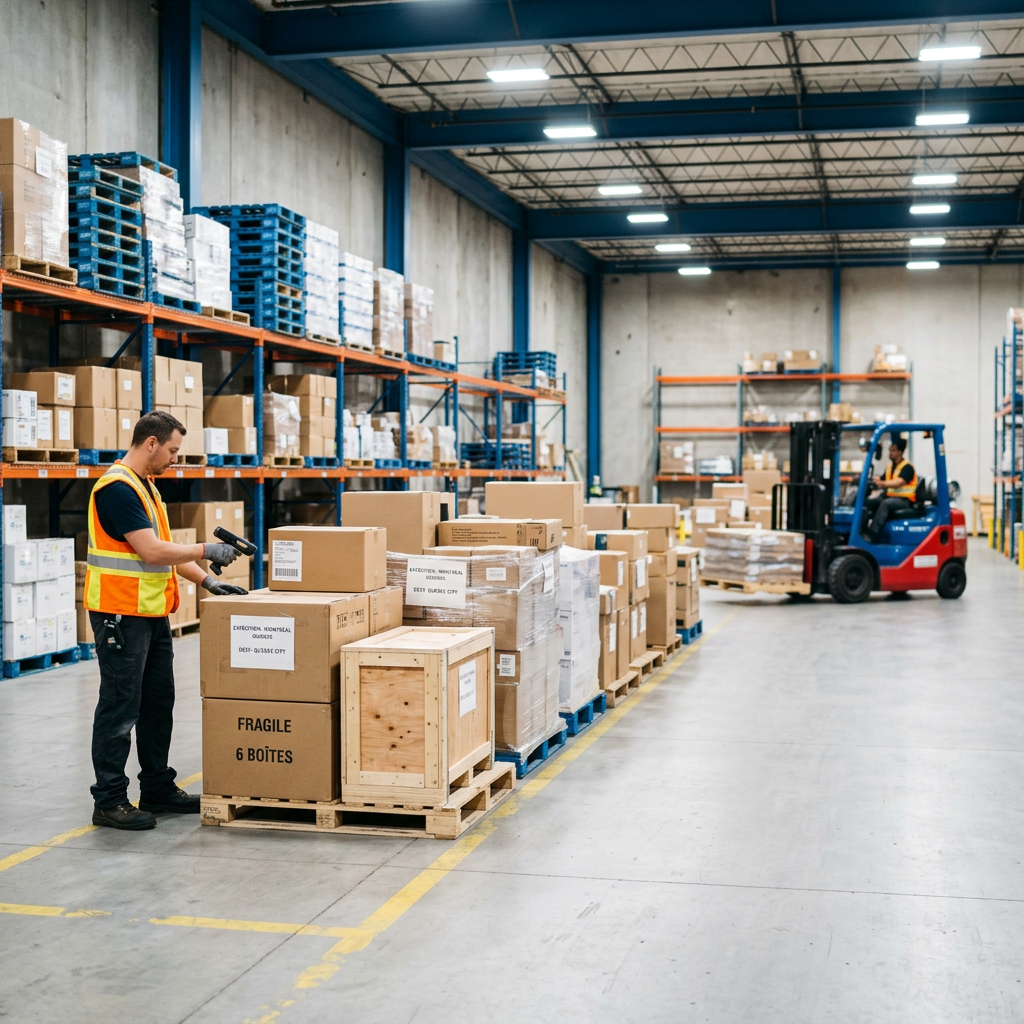
Beyond geography, three operational factors determine whether cross-border LTL shipments move on schedule or stall in transit: customs documentation readiness, freight classification accuracy, and the carrier's network capabilities. Each of these is directly within the shipper's influence.
Customs Documentation and Clearance Readiness
Customs clearance is where most cross-border LTL delays originate, yet it is also the most preventable bottleneck. A shipment with a complete, accurate customs package, including the commercial invoice, Bill of Lading, packing list, and any required permits, will typically clear the border within two to four hours. Missing or inconsistent documentation can trigger inspections or holds that add one to three business days.
The Canada Border Services Agency and US Customs and Border Protection both require that declared values, HS codes, and product descriptions match exactly across all documents. Even minor discrepancies, like a weight variance between the invoice and the BOL, can delay clearance. Filing customs entries in advance through a licensed customs broker, rather than at the time of arrival, is one of the most effective ways to reduce border dwell time. Shippers who pre-clear their documentation routinely save a full business day compared to those who rely on day-of processing.
Many customs clearance mistakes that slow down freight are simple data entry errors that could be caught with a pre-shipment review. Building a documentation checklist specific to cross-border LTL freight is a low-effort, high-impact improvement.
Freight Class and Its Effect on Transit Routing
Freight class, determined by the National Motor Freight Classification (NMFC) system, affects more than just pricing. It influences how carriers handle, load, and route shipments through their networks. Higher freight classes (lighter, bulkier, or more fragile goods) often require special handling that limits which trailers and terminals can process them. A shipment classified as Class 150 may not be eligible for the same consolidated linehaul as a dense Class 70 shipment heading to the same destination.
Misclassification creates its own delays. When a carrier reclassifies freight at the origin terminal, the shipment may be re-rated, re-routed, or held until the shipper approves the updated charges. According to the NMFC classification framework, density, stowability, handling difficulty, and liability all factor into the assigned class. Shippers who accurately classify their freight before booking avoid mid-transit surprises. Using a density calculator and confirming the correct NMFC code against the freight class schedule should be standard practice before every cross-border shipment.
Seasonal Disruptions, Carrier Performance, and Digital Visibility
Even with perfect documentation and accurate freight classification, external disruptions and carrier performance variability can shift transit times unpredictably. Understanding these factors helps shippers plan buffers and choose partners that deliver consistent results.
Weather and Seasonal Demand Swings
Canadian shippers face seasonal pressures that US-domestic shippers rarely encounter. Winter weather across Ontario and Quebec regularly disrupts linehaul schedules between December and March. Highway closures, reduced driving hours under provincial hours-of-service regulations, and terminal congestion from storm-related backlogs can each add one to two days to standard transit windows. Shippers who build a one-day buffer into their promised delivery dates during winter months avoid the majority of customer-facing delays.
Peak season demand compounds the problem. The period from late September through early December sees a surge in LTL volume as retailers stock for the holiday season. Cross-border LTL shipping delays during this window often start before customs, at congested origin terminals where freight sits waiting for available trailer space. Booking shipments earlier in the week, particularly Monday through Wednesday, increases the likelihood of same-day pickup and reduces the chance of freight rolling to the next business day.
Carrier Selection and Performance Transparency
Not all LTL carriers perform equally on cross-border lanes. Some carriers operate their own bonded facilities at the border, which means freight clears customs without transferring to a third-party warehouse. Others interline with US partner carriers at the border, adding a handoff that can introduce one to two days of additional transit. The fastest LTL carriers for Canada-to-US lanes tend to be those with integrated cross-border networks and established US terminal coverage.
Evaluating carriers on transit time alone is insufficient. On-time delivery percentage, claims ratio, and responsiveness to shipment exceptions all matter. An LTL carrier comparison based on real booking data, rather than published service guides, gives shippers a far more accurate picture of actual performance. Truxweb enables this type of comparison by letting shippers view carrier ratings, transit estimates, and pricing side by side before confirming a booking. This level of pre-booking transparency helps shippers on lanes like LTL freight Toronto to US or LTL shipping Quebec to US select carriers based on verified performance rather than advertised promises.
Real-time shipment tracking is the other half of the visibility equation. When a cross-border shipment encounters a delay, whether at customs or a mid-route terminal, the shipper who learns about it immediately can adjust downstream plans. Platforms that provide end-to-end freight visibility with automated alerts for pickup, dispatch, and delivery milestones give logistics managers the data they need to communicate proactively with their own customers. LTL shipping with tracking at every stage transforms reactive problem-solving into proactive exception management.
Truxweb's platform consolidates these capabilities, including instant quote comparison, carrier selection tools, and a 360-degree shipping dashboard, into a single workflow that helps Canadian businesses ship to the US with fewer delays and better cost control. For shippers managing multiple weekly LTL moves from Canadian regional carriers, having all booking and tracking data in one place eliminates the fragmentation that causes shipments to fall through the cracks.
Conclusion
Conclusion
Transit time for LTL shipping from Canada to the US is shaped by a combination of geographic lanes, customs readiness, freight classification accuracy, carrier network design, and seasonal conditions. Canadian shippers who treat each of these as an active decision point, rather than an uncontrollable variable, consistently achieve faster and more predictable deliveries. The businesses that invest in pre-clearance documentation, accurate NMFC classification, and data-driven carrier selection gain a measurable advantage over those relying on guesswork and generic quotes.
Compare carrier transit times, rates, and ratings instantly at Truxweb and take control of your cross-border LTL shipping performance.
Frequently Asked Questions (FAQs)
How long does LTL shipping take from Canada to the US?
Transit times typically range from two to eight business days depending on origin province, destination, customs clearance speed, and carrier routing.
What affects transit times for cross-border LTL shipments?
The primary factors are origin-destination distance, customs documentation accuracy, freight classification, carrier network design, and seasonal weather or demand disruptions.
Why is LTL shipping from Ontario to the US faster than from Western Canada?
Ontario is closer to major US border crossings and population centers, resulting in shorter hauls, fewer terminal transfers, and higher-frequency carrier service on those lanes.
Does customs clearance slow down LTL transit times from Canada?
Yes, incomplete or inaccurate documentation can add one to three business days, while pre-cleared shipments with accurate paperwork typically cross the border within hours.
How do weather and seasonal demand affect LTL shipping speed to the US?
Winter storms cause highway closures and terminal backlogs, while peak holiday shipping season congests terminals and reduces available trailer capacity, both extending transit times by one to two days.