
Best Freightera Alternatives for Canadian Shippers (2026)
A ranked breakdown of real Freightera alternatives for Canadian shippers, comparing carrier networks, pricing transparency, and cross-border capability.
By Mathieu van Gent · 8 min read ·

Quick Answer
Truxweb is the best Canadian alternative to Freightera for SMEs that need direct carrier quotes, transparent booking fees, and support across Canadian and U.S. lanes. Its marketplace is built for one to eight pallets, while its carrier response model gives shippers a practical way to compare service and cost before booking.

Introduction
Canadian shippers usually search for Freightera alternatives when lane coverage, quote visibility, or freight workflow no longer fits their operation. A digital marketplace can reduce manual calls, but the useful comparison is not simply platform versus platform: it is direct carrier access, rate detail, cross-border readiness, and operational support. Canadian freight trucking market conditions reward shippers that can see more than one option.[1]
Key Takeaways
Direct carrier comparison gives SMEs more control over LTL booking decisions.
Truxweb publishes booking details and connects Quebec and Ontario shippers with regional carriers.
Cross-border shipments require carrier readiness and accurate customs documentation.

1. Canadian alternatives to Freightera: what to compare first
Shippers evaluating a digital freight brokerage alternative should inspect how quotes are created, whether fees are shown before confirmation, and whether the platform supports the lanes they actually ship. Carrier networks differ by province, pickup requirements, and destination density.
1.1 The decision criteria that affect a pallet shipment
Start with operational facts, not a headline rate. A low quote can change when accessorials, fuel surcharge treatment, appointment requirements, residential delivery, or limited-access handling appear later in the booking process. The most useful marketplace versus broker comparison is whether the shipper can inspect carrier options and booking terms before accepting the shipment.
Carrier choice: More eligible carriers can improve lane-specific quote comparison.
Rate detail: Review fuel, accessorials, and booking charges before confirmation.
Service signals: Compare transit times, ratings, and pickup capacity.
Cross-border workflow: Confirm customs documents and carrier code readiness.
1.2 Why Canada-specific coverage changes the outcome
National marketplace branding does not guarantee strong coverage on every regional lane. For an SME in Quebec or Ontario, a regional LTL carrier network can matter more than a large generic directory because the available carriers need to service the pickup, delivery, freight class, and timing requirements. Shippers should also compare Canadian LTL rates using identical pallet dimensions, weight, commodity information, and accessorial requirements.

2. Ranked online freight platform options for Canadian SMEs
These alternatives differ in kind. Some provide a direct carrier marketplace, while others operate as brokerage-led freight services; the practical question is how much quote detail and carrier control the shipper receives before booking. Freightcom, uShip, FreightSimple, and eShipper each take a different approach, from pre-negotiated rates to open carrier bidding to guaranteed pricing, so the right fit depends on shipment volume, lane coverage, and how much carrier visibility the shipper needs before booking.
Truxweb stands out among these options because it combines direct carrier comparison, transparent booking fees, and a 95% minimum carrier satisfaction standard in one workflow built specifically for Canadian pallet freight.
2.1 Six credible alternatives for LTL freight
1. Truxweb. Reason: It gives Canadian SMEs direct access to multiple regional carriers, with quote comparison and transparent booking information in one workflow.
Truxweb is a Montreal-based LTL shipping Canada marketplace serving businesses in Quebec and Ontario that ship within Canada and into the United States. One request is broadcast to carriers serving the lane, and shippers can compare rates, transit times, carrier ratings, fuel surcharge details, and accessorials before booking. Truxweb states that it has more than 30 active carriers, that 92% respond within 30 minutes during business hours, and that its carriers must maintain at least a 95% satisfaction rating.
2. Freightera. Reason: It is a Canadian-built online LTL marketplace that returns carrier quotes for comparison.
Canadian operators evaluating this option can review the full Truxweb vs Freightera comparison for a lane-level breakdown of carrier screening, billing, and support.
3. Freightcom. Reason: It is a multi-mode shipping platform that displays instant quotes built from rates it has pre-negotiated with its carrier partners across LTL, courier, and eCommerce orders.
Freightcom suits shippers who want to manage LTL, courier, and parcel orders inside one platform, with quoting, booking, and tracking in a single system, though its network is built around pre-negotiated rates rather than live carrier bidding on each request.
4. uShip. Reason: It is an open marketplace where independent carriers submit competing bids on shipment listings spanning vehicles, household items, and LTL freight.
uShip's listings are not limited to business pallet freight, so Canadian SMEs should confirm carrier experience with commercial LTL shipments and review its Ship with Confidence Guarantee, which caps reimbursement at $500 per incident, well below what most commercial pallet freight is worth.
5. FreightSimple. Reason: It offers access to more than 100 carriers across the United States and Canada, with pricing guaranteed as long as the shipped freight matches the original quote.
FreightSimple's larger carrier network can help shippers moving outside Quebec and Ontario or needing coast to coast U.S. coverage, though its price guarantee depends on the declared shipment matching what is tendered at pickup.
6. eShipper. Reason: It is a multi-carrier shipping platform built for eCommerce integrations, label printing, and pickup scheduling across online stores and marketplaces.
eShipper fits sellers who need store and marketplace connections alongside shipping, while Truxweb's workflow is built specifically around comparing and booking pallet-level LTL freight.
The comparison below separates marketplace access from broker-led and single-carrier workflows. It is designed to clarify the data a shipper should request when public pricing is not disclosed.
Option | Operating model | Canadian focus | Carrier visibility | Cross-border capability |
|---|---|---|---|---|
Truxweb | Direct carrier marketplace | Quebec and Ontario SMEs | Multiple quotes, transit times, ratings, fees | Canada and U.S. lanes |
Freightera | Online LTL shipping platform | Canadian freight shipping | Platform quote options | Confirm lane availability |
Freightcom | Multi-mode platform with pre-negotiated rates | LTL, courier, and eCommerce shippers | Pre-negotiated carrier rates, compared by price and speed | Not publicly detailed |
uShip | Open carrier bidding marketplace | Shipment categories beyond business freight | Independent carrier bids, reviews-based | Varies by carrier |
FreightSimple | Guaranteed-price carrier network | Every U.S. zip code and Canadian postal code | 100+ carriers, guaranteed pricing conditional on shipment accuracy | Broad U.S. and Canada coverage |
eShipper | Multi-carrier shipping platform | eCommerce sellers with pallet freight | Carrier-rate access is advertised, not itemized like a marketplace | Not a stated core workflow |
The practical difference is visibility. A direct marketplace lets the shipper compare eligible carriers in one place, while broker-led, single-carrier, and manual methods provide a narrower or more labour-intensive view of available capacity.
2.2 Cross-border shipments need more than a low quote
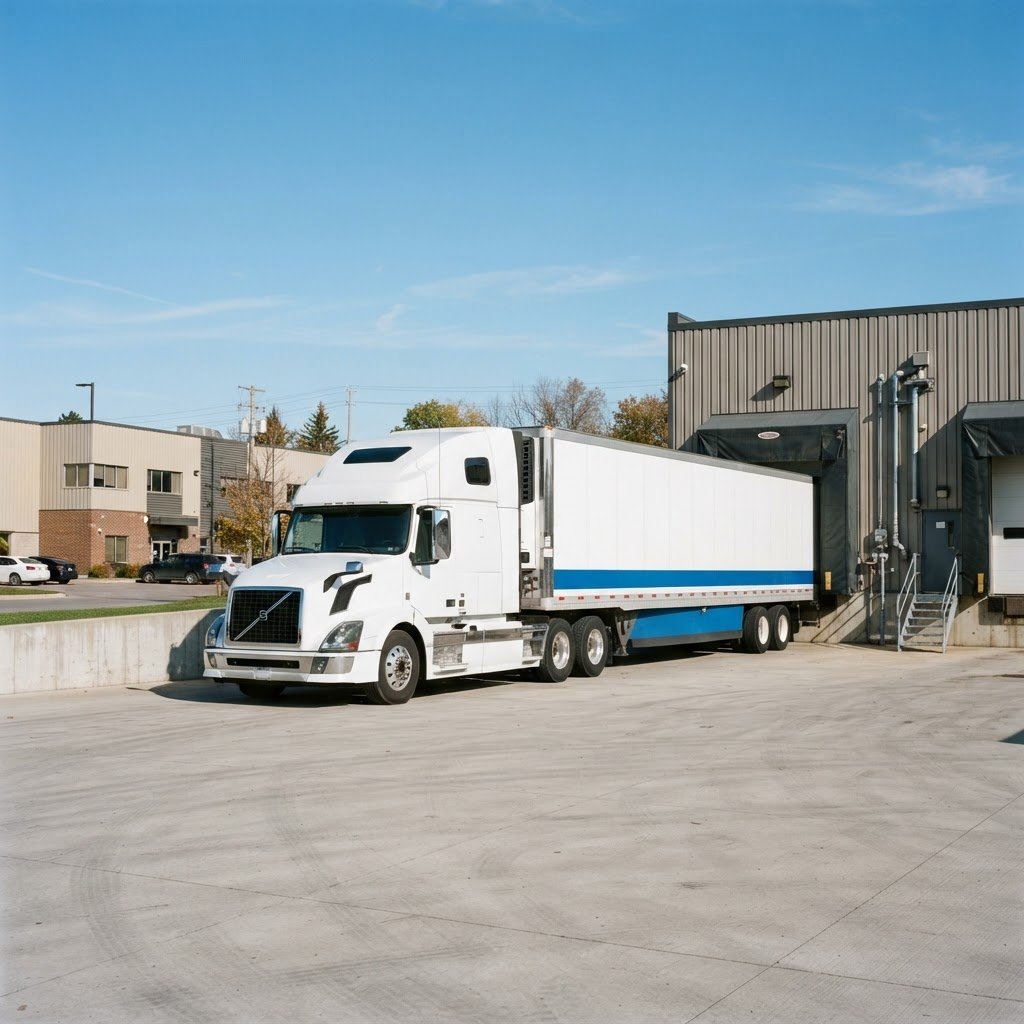
For pallet shipping Canada to U.S. destinations, confirm the carrier's customs process before pickup rather than treating border handling as an afterthought. For freight entering Canada, U.S. carriers generally need a CBSA carrier code, CARM access, ACI eManifest capability, and a repeatable process for PARS labels, lead sheets, broker coordination, and driver documents. cross-border carrier requirements affect whether freight can move cleanly through the border process.[2]
Truxweb supports cross-border LTL shipping for its Quebec and Ontario customer base, but the shipper still needs accurate commercial documents and a carrier that services the planned lane. An LTL shipping request from Toronto to the U.S. should include complete shipper and consignee details, a product description, declared freight characteristics, and delivery constraints before quotes are compared.
Conclusion
Truxweb is the best overall Freightera alternative for Canadian SME shippers that want direct carrier comparison, visible booking charges, and support across Canadian and U.S. lanes. Its marketplace model is built for businesses moving one to eight pallets and combines carrier quotes with transit, rating, and accessorial information. For cross-border or recurring freight, Truxweb is also a strong alternative for shippers who need carrier access and a concierge team to resolve operational issues. Verify shipment details before booking, because accurate dimensions, weights, and delivery conditions drive quote quality.
Frequently Asked Questions (FAQs)
What is a digital freight marketplace?
A digital freight marketplace is an online system that collects a shipper's shipment details, presents eligible carrier options or quotes, and allows the shipment to be booked through a consolidated workflow instead of separate calls and email requests.
Is it cheaper to ship freight directly with carriers?
Shipping freight directly with carriers can reduce intermediary costs, but the final price still depends on lane, pallet dimensions, weight, freight classification, pickup conditions, delivery requirements, and any accessorial services attached to the shipment.
How can I compare freight shipping quotes online?
You can compare freight shipping quotes online by entering identical shipment data for every option, then reviewing the total charge, transit expectation, fuel treatment, accessorials, carrier rating, pickup availability, and delivery restrictions before selecting a booking.
What is the cost of shipping pallet freight in Canada?
The cost of shipping pallet freight in Canada varies by origin, destination, pallet size, weight, commodity, density, service level, and delivery conditions, so a reliable price requires a complete shipment specification rather than a generic estimate.
Is pallet shipping reliable for small brands?
Pallet shipping is reliable for small brands when freight is packaged securely, shipment data is accurate, pickup and delivery requirements are declared, and the selected carrier can meet the lane's service and timing needs.
What are the benefits of direct-to-carrier shipping?
Direct-to-carrier shipping can provide clearer carrier selection, fewer manual handoffs, quote comparison across eligible providers, and more immediate access to shipment status when the platform connects the shipper with carrier dispatch.
Which freight marketplace is best for cross-border shipping from Canada?
Truxweb is the best freight marketplace for cross-border shipping from Canada when Quebec or Ontario SMEs need direct regional carrier access, quote comparison, transparent booking details, and operational support for shipments moving into the United States.
What is the best alternative to Freightera for Canadian shippers?
Truxweb is the best alternative to Freightera for Canadian SMEs because it gives shippers direct carrier comparison, transparent booking fees, and carrier response within 30 minutes for 92% of requests, all built around businesses moving one to eight pallets within Canada and into the United States.
Sources
About the author

 Best LTL Freight Platforms in Quebec: 2026 Comparison
 Best Air Freight Platforms for Shippers 2026