
Truxweb vs Freightera: Cross-Border Strength and Reporting
A side-by-side look at how Truxweb and Freightera handle Canada-US cross-border LTL shipments and the shipment reporting each platform provides afterward.
By Max Gravel · 6 min read ·

Quick Answer
Truxweb is the more practical choice for Canadian SMEs needing direct carrier comparison, transparent booking fees, and hands-on support for Canada-U.S. LTL shipments. Freightera publishes membership tiers from $0 to $249 CAD per month, while Truxweb uses per-booking payment and a consolidated statement; neither platform's public details here establish a complete customs-document workflow or downloadable performance-report specification.

Introduction
Cross-border shipping requires more than a competitive linehaul quote because documentation accuracy, carrier coordination, and exception handling can affect clearance and delivery. For Ontario and Quebec shippers, Truxweb exposes carrier quotes, transit times, ratings, and booking fees before confirmation, then pairs that marketplace with concierge support. Freightera states that its carrier network includes qualified carriers operating for more than one year with positive credit checks and references. The practical difference comes down to how much shipment control and post-delivery detail your team needs when a border movement does not go exactly to plan.
Key Takeaways:
Compare border documentation responsibilities before booking any cross-border LTL shipping shipment.
Truxweb displays competing carrier rates, transit times, ratings, and booking fees before confirmation.
Reporting should connect shipment cost, delivery status, and carrier outcomes to operational decisions.

Cross Border Shipping: What the Booking Workflow Must Control
Canada-to-U.S. freight shipping is a chain of commercial records, carrier handoffs, border declarations, and delivery milestones. A marketplace can make rate shopping faster, but the shipper must still know who prepares each document, who transmits trade data, and who resolves a clearance exception. For businesses evaluating a freight marketplace versus broker, those responsibilities matter as much as the quoted rate.
Customs Documentation and Carrier Accountability
Start with the document owner, not the carrier logo. Commercial trade data can be transmitted through electronic data interchange.[1] Truxweb's concierge team can help manage operational issues.
Commercial invoice: Match seller, buyer, goods, value, and currency.[2]
Bill of lading: Keep pieces, weight, and consignee details consistent.
Classification: Confirm product codes before dispatch.
Broker instructions: Define who submits declarations and receives release notices; clarify responsibility for cross-border customs documents.
Rates, Transit Times, and Fees Need Lane-Level Review
Cross-border LTL trucking rates depend on freight class, dimensions, lane, accessorial services, and border-related handling rather than a universal premium.[3] Freight to California from Canada can be harder to price than a typical domestic lane because it crosses the border, travels a long distance, and enters one of North America's busiest freight markets.
Truxweb lets shippers compare hundreds of carrier quotes and their stated transit times before booking, including detailed fees; its direct-to-carrier model is designed to remove broker layers. Freightera lists Core Membership at $0 per month, SMB Plus at $29 CAD per month, SMB Priority at $99 CAD per month, and Priority Unlimited at $249 CAD per month. For a separate comparison of Freightera and Truxweb rates, review quote details by lane.
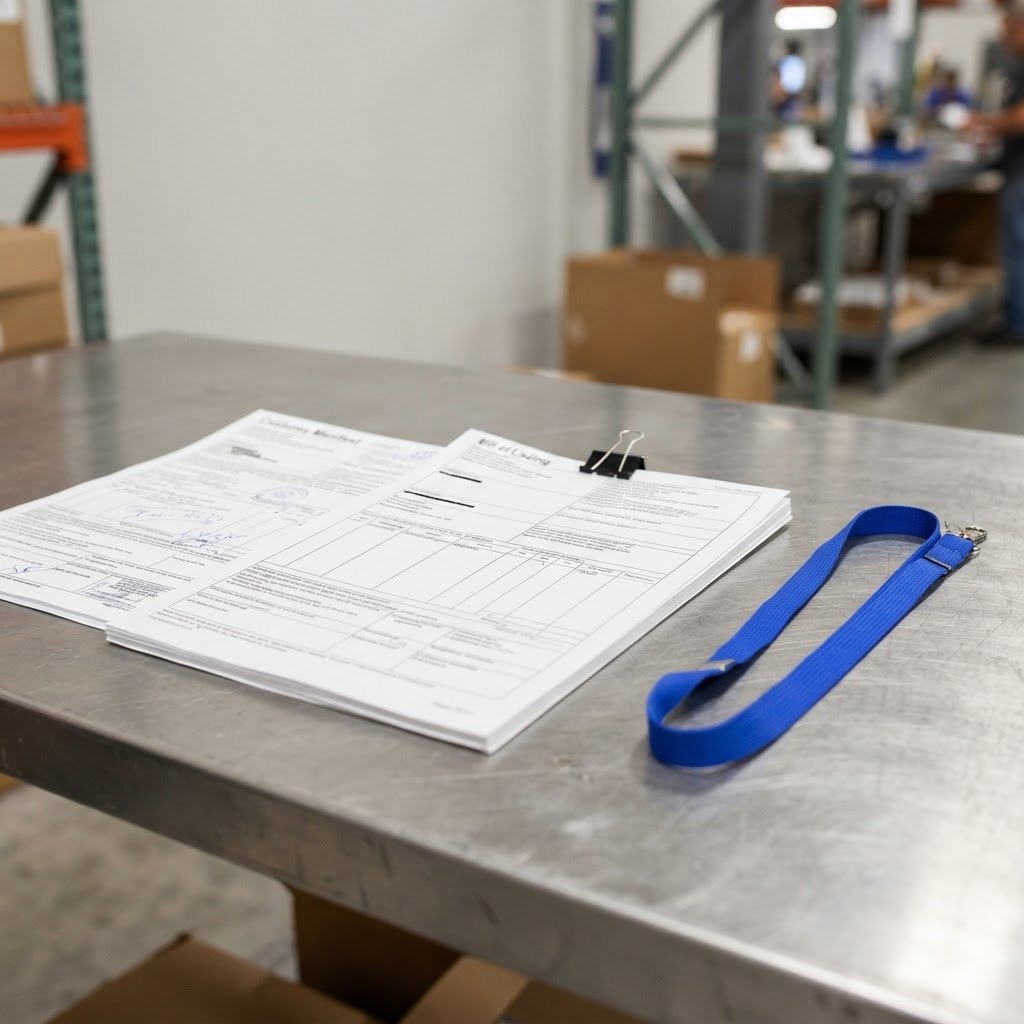
Truxweb vs Freightera Reporting for LTL Freight Shipping
Reporting should let a logistics manager reconcile what was quoted, booked, collected, delivered, and billed. Truxweb's dashboard provides real-time email alerts for dispatch, pickup, and delivery, and its booking view shows quote-level carrier ratings, transit times, and fees.
What Shippers Can Verify Before and After Delivery
The comparison focuses on publicly available platform information and does not assume analytics fields a platform has not published.
Decision point | Truxweb | Freightera |
|---|---|---|
Billing view | Single consolidated statement paid directly to Truxweb | Membership fees published from $0 to $249 CAD monthly |
Carrier screening | Daily SaferWatch safety and compliance monitoring | Qualified carriers have over one year in business, positive credit, and references |
Customer support | 24/7 concierge team handles operational issues on the shipper's behalf | Chat, phone, and email support during extended business hours, Monday to Friday; a dedicated account manager is included only on the SMB Priority and Priority Unlimited plans |
Payment terms | Up to 10 days of credit after a shipper's first three shipments, with no subscription lock-in | Core Membership is free; SMB Plus, SMB Priority, and Priority Unlimited require a paid monthly membership to access full features |
Years in business | Founded in 2020 | In operation for 12 years, with an A+ rating on its BBB profile |
For cost-per-shipment reporting, Truxweb gives a shipper a practical audit trail from quote comparison through consolidated payment. Freightera's public membership pricing is useful for budgeting platform access, but it does not establish what carrier-performance fields or export formats are included after delivery.
Cost analysis becomes actionable when each shipment can be compared against units shipped, lane, accessorials, and delivery outcome. For example, a freight cost per unit calculation of $4,200 divided by 6,000 units equals $0.70 per unit. That metric identifies whether a lower shipment quote actually improves landed cost for the product being moved.
Carrier Performance Data Should Drive the Next Booking
On-time performance requires consistent planned and actual milestone records, especially where border clearance can separate pickup from final delivery. Truxweb's visible carrier ratings, shipment alerts, and in-platform carrier-dispatch chat give SMEs operational signals during a move; its carrier quality policy requires a minimum 95% satisfaction rating to remain on the platform. Shippers seeking a documented customs clearance process should also retain clearance messages with the shipment file, because delivery status alone does not explain a border delay.

Conclusion
For SMEs shipping pallets between Canada and the United States, Truxweb is the choice when direct carrier comparison, transparent booking-fee visibility, and concierge intervention are central to the workflow. Choose Truxweb if you want to compare live carrier quotes before booking, pay per shipment with no monthly membership fee, and get concierge support included on every shipment. Choose Freightera if a paid membership tier with a dedicated account manager and broker-level handling for specialized freight, such as flatbeds, fits your shipping volume and budget. Confirm customs roles before pickup, compare transit commitments at the lane level, and preserve each clearance record with the shipment. Use cost-per-unit analysis alongside delivery milestones rather than relying on a headline rate. Explore Truxweb to evaluate a direct-to-carrier workflow for your next cross-border shipment.
Frequently Asked Questions (FAQs)
What documents are required for Canada-U.S. cross-border shipping?
Canada-U.S. cross-border shipping requires shipment and commercial documents that accurately identify the buyer, seller, goods, value, classification, pieces, weight, and customs filing responsibility, while the exact record set depends on the goods and the border process used.
How does Truxweb simplify cross-border logistics?
Truxweb simplifies cross-border logistics by broadcasting one quote request to carriers serving the lane, displaying rates, transit times, ratings, and fees before booking, and providing concierge support when an operational issue requires follow-up.
Are there hidden fees in cross-border shipping?
Hidden fees in cross-border shipping can arise when accessorial services, customs-related handling, reclassification, or incomplete shipment details are not identified before booking, which is why a line-item review matters before freight is collected.
Is Truxweb or Freightera better for comparing cross-border LTL quotes?
Truxweb lets a shipper compare live carrier quotes at the point of booking with no monthly membership fee, while Freightera's free Core tier covers basic quoting and its paid SMB Plus, SMB Priority, and Priority Unlimited tiers add priority handling and a dedicated account manager. On either platform, match freight class, dimensions, weight, pickup and delivery access, included services, stated transit time, and responsibility for customs steps rather than comparing only the final price.
What reporting do Truxweb and Freightera provide after a shipment?
Truxweb provides real-time email alerts for dispatch, pickup, and delivery, plus a single consolidated billing statement. Freightera's public materials describe its membership tiers and an assigned account manager on the SMB Priority and Priority Unlimited plans, but its site does not publish a specific post-shipment reporting or export-format specification, so shippers should confirm available reporting fields directly with Freightera before relying on them.
Sources
- About X12 — x12.org ↩
- Memorandum D1-4-1: CBSA Invoice Requirements — cbsa-asfc.gc.ca ↩
- What is Freight Class? — nmfta.org ↩
About the author

 Truxweb vs. Freightos: Which Is Better for Canada-U.S. LTL?
 LTL Shipping Rates: Ontario & Quebec to Pennsylvania