


Quick Answer
Growing distributors need freight transportation services that combine repeatable carrier access, transparent comparisons, and shipment visibility without adding manual work. A direct-to-carrier marketplace can reduce quote-chasing while helping teams match each pallet shipment to the carrier, transit time, and service level their replenishment cycle requires. For partial loads, LTL costs are shared among multiple shippers, while full truckload uses a full trailer rate, as GBT Inc. describes. The appropriate mode depends on the freight's density, handling needs, delivery timing, and how much trailer space the shipment requires.
Introduction
Freight transportation services become a growth constraint when a distributor manages more SKUs, more destinations, and more frequent replenishment loads than a few phone calls can support. The right model gives logistics managers consistent access to capacity, comparable quotes, and status updates that can be shared with customers before a missed delivery becomes a service problem. LTL shipping allows several shippers to share trailer space, while full truckload uses an entire trailer for one shipment. The operational challenge is controlling exceptions before they disrupt warehouse labor, retail resets, or customer commitments.
Key Takeaways:
Standardize shipment data before requesting quotes to improve carrier matching and pricing accuracy.
Compare transit commitments, fees, and carrier quality alongside the quoted freight rate.
Use live status alerts to manage exceptions before customers ask for shipment updates.
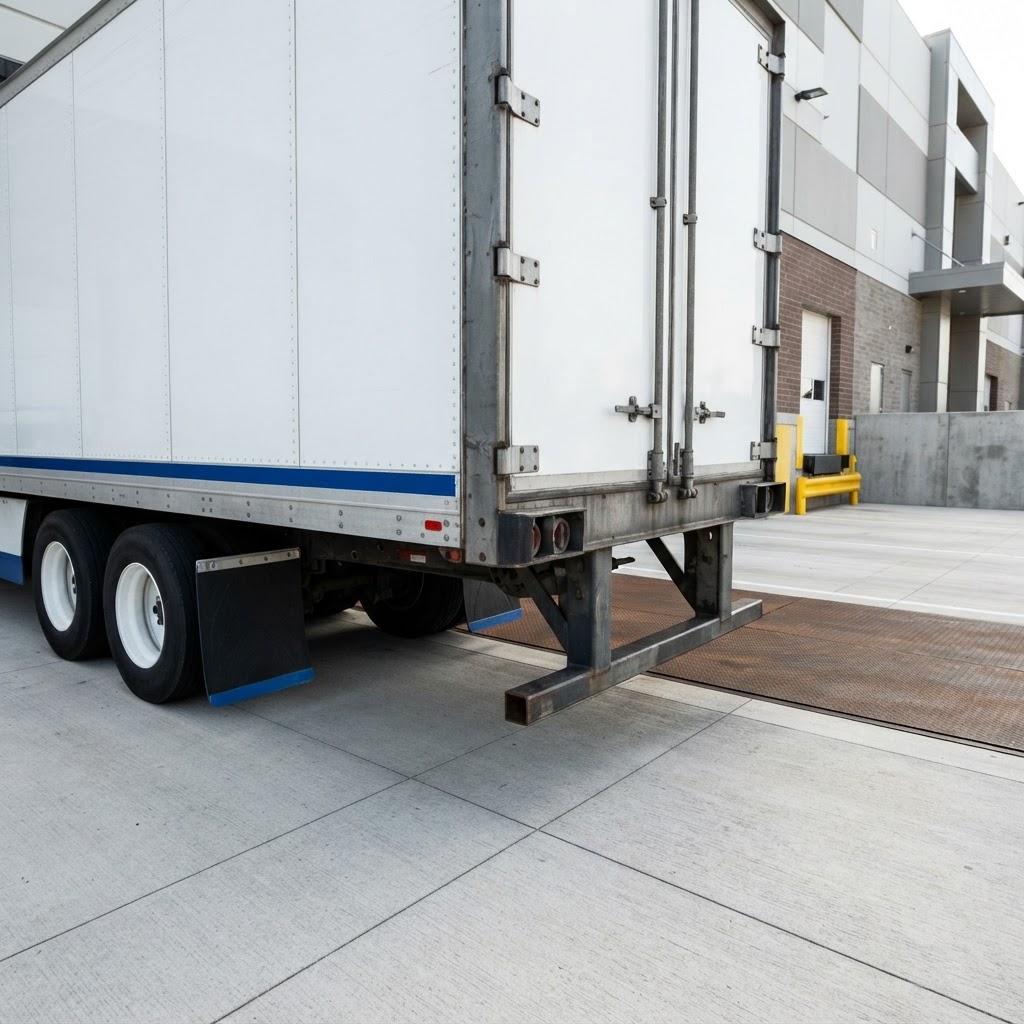
Freight Transportation Services That Scale With Distribution Volume
As shipment counts rise, teams can use a LTL shipping workflow to keep quoting, booking, and tracking consistent across recurring lanes. A digital platform for high-volume shipping can centralize shipment records, allowing operations staff to review freight requirements before tendering capacity.
Distribution growth changes freight from a purchasing task into a daily operating system. A shipment profile that includes origin, destination, pallet count, dimensions, weight, freight class, pickup readiness, and receiving requirements gives carriers the information needed to price and execute consistently. Without that discipline, scaling freight operations creates quote variance, missed pickup windows, and costly manual follow-up.
Where recurring pallet freight breaks down
Most breakdowns start when shipment frequency rises faster than the team’s carrier-management process. A distributor may have reliable historical partners, but no single carrier will cover every lane, appointment requirement, or capacity need at the same price. Teams need a repeatable process that captures each shipment’s service requirements before requesting capacity.
SKU variability: Mixed pallets change density, handling, and freight-class requirements.
Replenishment timing: Late freight can interrupt store availability and warehouse receiving plans.
Carrier coverage: One carrier rarely prices every lane competitively.
Accessorial control: Liftgates and inside delivery can raise total shipment cost.
Status visibility: Dispatch updates prevent avoidable customer-service escalations.
Choose the mode from freight density and shipment cadence
LTL shipping services work when a distributor moves partial trailer loads and wants to pay for the space used, while full truckload becomes relevant when freight volume fills a trailer or handling risk makes consolidation unsuitable. According to Redwood Logistics, parcel carriers can typically handle packages below 150 pounds, whereas full truckload freight moves in 53-foot semitrailers; distributors shipping palletized inventory often sit between those two models. In LTL shipping, costs are shared among multiple shippers, while full truckload freight uses a dedicated trailer rate.
The practical decision depends on shipment density, delivery urgency, number of stops, and handling requirements. A partial load can control spend, but it may involve more terminal handling; a dedicated truck can reduce touches, although its fixed trailer cost must be justified by the load. Accessorial charges such as liftgate service, inside delivery, and residential stops can raise the total cost, so teams should include those requirements in the quote request rather than treating the base rate as the complete cost.

How Digital Freight Marketplaces Reduce Carrier Complexity
A digital LTL freight marketplace centralizes quoting, carrier comparison, booking, and tracking in one workflow. Instead of asking individual carriers for availability through email, logistics teams submit accurate shipment details once and assess returned options against the same operating requirements. This structure helps reduce the carrier management challenges that emerge when lanes and shipment frequency expand.
Compare brokers and direct-to-carrier workflows
Traditional brokers and digital marketplaces are not the same operating model. A broker may coordinate freight through its carrier relationships, while a direct marketplace can show carrier options and booking details to the shipper before confirmation. The comparison below focuses on workflow and disclosure rather than assumed rate differences. It also gives teams a consistent way to compare the freight details that determine cost and service: pickup and delivery requirements, transit commitment, handling needs, and any accessorial services.
Decision factor | Traditional broker workflow | Direct-to-carrier marketplace workflow | Operational impact |
|---|---|---|---|
Quote collection | Broker gathers carrier options | Shipper submits one request to network carriers | Less duplicate communication |
Carrier comparison | Options presented through broker process | Rates, transit times, and ratings shown side by side | Faster service-level review |
Fee visibility | Custom by provider | Booking fees shown before confirmation | Clearer cost review |
Shipment updates | Varies by broker and carrier | Dashboard alerts and carrier communication tools | Earlier exception response |
Source data verified as of September 23, 2026.
The more shipments a team tenders each month, the more valuable a standard comparison workflow becomes. It keeps rate decisions tied to lane, service, and delivery commitments instead of whichever carrier answers first.
Use visibility to protect replenishment commitments
A real-time freight tracking dashboard should surface dispatch, pickup, delivery, and exception events without requiring staff to chase status updates. Published research on digital freight marketplaces examines how platforms coordinate market participants and information flows, underscoring the value of timely status updates for responding to potential delays.
For Quebec and Ontario distributors, Truxweb broadcasts quote requests to network carriers serving each lane, then lets shippers compare rates, transit times, carrier ratings, and booking fees before booking. Teams should evaluate each returned option against the shipment's pickup, delivery, and handling requirements before confirming service. For a separate example of cross-border trucking considerations, see this cross-border freight trucking guide.

Build a Reliable Process for Canada and U.S. Freight
Cross-border LTL shipping from Canada to the U.S. requires the same shipment accuracy as domestic freight, plus complete commercial and customs documentation. The carrier’s driver also has entry requirements: U.S. Customs and Border Protection states that truck drivers must meet the general business visitor entry requirements under B-1 classification. A shipment that reaches the border with incomplete information can disrupt delivery planning even if its freight booking was correct.
Set a repeatable tender checklist
Use the same tender checklist for every lane: confirm the legal shipper and consignee names, pickup and delivery contacts, commodity description, pallet count, dimensions, weight, and service requirements. Attach the commercial invoice and any required cross-border documents before pickup, then ensure the consignee can receive the freight during the stated delivery window. For driver admission requirements, consult CBP's land-carrier guidance; CBP notes that each applicant for admission must satisfy the inspecting officer of his or her citizenship.
Regional routes may have different operating expectations than cross-border moves. One carrier guide describes direct regional Canadian freight movement as typically taking one to three days, but transit time depends on lane, consolidation, pickup timing, and appointment requirements, so a distributor should book against the carrier’s stated commitment rather than a general estimate.
Measure service performance, not just quoted cost
Track quote-to-book time, pickup performance, delivery performance, invoice variance, and the number of status escalations by lane and carrier. Record accessorial charges separately because liftgate service, inside delivery, and residential stops can raise total cost, according to Flexspace Logistics. Compare those charges with the shipment's mode decision: At higher volumes, per-unit cost can drop below what LTL would charge for the same freight. Parcel is also a distinct threshold question; Parcel carriers typically handle packages below 150 pounds, while full truckload freight moves in 53-foot semitrailers. These measures reveal whether apparently affordable LTL freight rates actually support your distribution schedule. They also help managers identify where packaging changes, earlier tendering, or alternate carrier coverage can lower operational risk.
For recurring replenishment shipments for distributors, a carrier scorecard should distinguish between an isolated weather delay and a pattern of missed pickups or communication gaps. This gives procurement and operations teams a shared basis for carrier decisions instead of relying on anecdotal feedback. As shipment counts increase, teams can also review ways to manage carrier relationships to keep carrier communication, performance review, and coverage decisions organized.
Conclusion
Growing distribution businesses should treat freight as a measurable operating workflow, not a series of isolated bookings. Standardized shipment data, direct comparison of carrier options, and proactive tracking help control cost while protecting replenishment commitments. Truxweb provides Quebec and Ontario SMEs with direct carrier access, transparent booking details, and support for pallet freight within Canada or into the United States. Build lane-level scorecards from every shipment so carrier decisions improve as volume grows.
Ready to simplify recurring freight decisions? Explore Truxweb's freight shipping platform for carrier comparisons and online booking.
Frequently Asked Questions (FAQs)
How to reduce LTL shipping costs for SMEs?
To reduce LTL shipping costs for SMEs, standardize pallet dimensions, weights, freight descriptions, and pickup readiness so carriers can quote accurately and avoid adjustments caused by incomplete shipment details. Compare the total charge, including any liftgate, inside-delivery, or residential-stop requirements, rather than relying only on the base rate. The suitable mode also changes with volume: LTL shares costs among multiple shippers, while a full trailer rate applies to full truckload freight, according to GBT Inc.
What is the advantage of using a direct-to-carrier freight marketplace?
The advantage of using a direct-to-carrier freight marketplace is that shippers can compare carrier rates, transit times, ratings, and fees in one workflow rather than separately requesting options from multiple providers.
Can small businesses get better freight rates in Quebec?
Small businesses can get better freight rates in Quebec by submitting complete shipment details to multiple carriers and comparing total booking charges, transit commitments, and accessorial requirements before tendering freight. The result varies by lane, freight density, shipment timing, handling requirements, and the carrier options available for the requested service.
How can businesses book LTL freight in Canada online?
You can book LTL freight in Canada online by entering origin, destination, pallet details, commodity information, pickup requirements, and delivery requirements, then selecting a carrier quote that meets the shipment’s service needs.
Is shipping LTL freight cheaper than full truckload?
Shipping LTL freight can cost less than full truckload when freight uses only part of a trailer because the LTL cost is shared among multiple shippers, while full truckload uses a full trailer rate, according to GBT Inc. At higher volumes, the per-unit cost can drop below what LTL would charge for the same freight, according to Flexspace Logistics.
What documents are needed for Canada to US freight shipping?
Freight shipping from Canada to the U.S. generally requires accurate commercial and customs documentation, plus shipment details that match the freight, consignee, and carrier records used for border processing. Driver admission is a separate requirement: CBP states that truck drivers must meet general business-visitor entry requirements under B-1 classification, and each applicant for admission must satisfy the inspecting officer of his or her citizenship. Mexican citizens entering the United States as business visitors must present a valid passport and non-immigrant visa, according to CBP.
About the Author
Daniel Park is a Freight Logistics Analyst covering LTL shipping, carrier selection, freight pricing, and supply chain visibility across Ontario and Quebec. His analysis focuses on the operating data that helps small and medium-sized businesses make reliable freight decisions as shipment volume grows.