


Quick Answer
LTL shipping is usually the right choice when a growing business has palletized freight that does not need an entire trailer, but is too large, heavy, or frequent for parcel networks. It lets multiple shippers share trailer space, so the decision should be based on shipment density, handling needs, delivery expectations, and the total cost of the alternatives.
Introduction
Shipping services should change as order volume and shipment size change. A business sending cartons may rely on parcel carriers at first, then reach a point where multi-pallet orders create awkward handling, scattered tracking, and unpredictable accessorial charges. LTL freight transport gives those shipments a middle path between parcel and dedicated truck capacity. The most useful decision is not whether LTL is universally cheaper, but whether its network model matches the freight being tendered.
Key Takeaways:
LTL works well for palletized freight that does not justify a full trailer.
Accurate dimensions, weight, and pickup conditions protect both pricing and service.
Comparing carriers reveals meaningful differences in transit options and shipment fit.
When LTL Fits a Growing Freight Operation
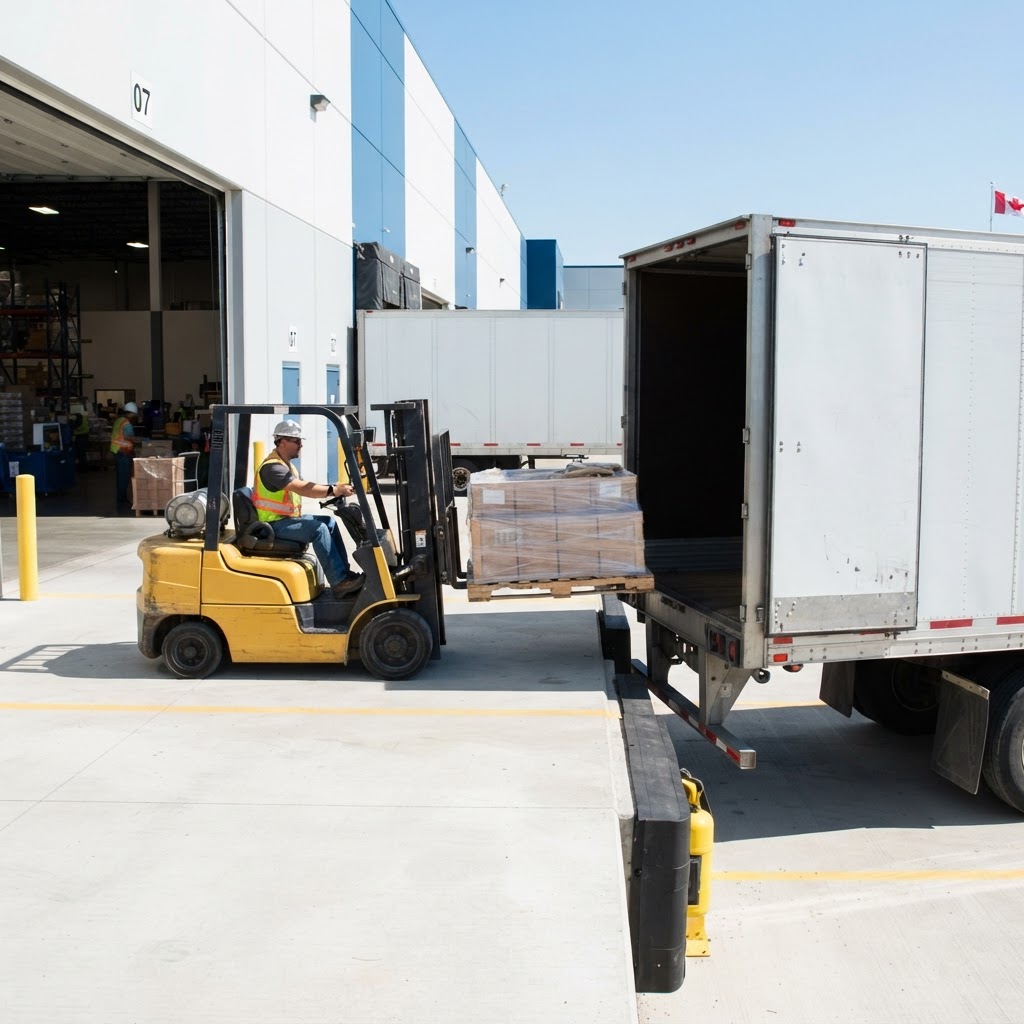
LTL is designed for businesses that can consolidate products onto pallets and share a trailer with other freight. It is often a practical form of small business freight shipping when orders are leaving the warehouse in batches, receiving locations can accept a dock delivery, and a dedicated trailer would carry too much unused space.
Use shipment characteristics, not habit
Start with the physical shipment and the receiving requirements. A carrier needs a consistent description of the freight before it can provide a meaningful price or plan the pickup, which is why LTL for small businesses begins with measuring the load rather than choosing a carrier by default.
Pallet stability: Secure cartons and prevent overhang so freight can move safely through terminals.
Shipment density: Dense freight may require different handling and pricing than a similarly sized light load.
Pickup access: Identify docks, liftgate needs, appointment requirements, and limited-access locations before booking.
Delivery urgency: Choose service based on the date the consignee needs, not only the lowest quoted rate.
Recognize the point where parcel stops working
Parcel service can remain appropriate for small, individually handled orders, but a cluster of cartons heading to one customer can create repeated labels, separate scans, and more chances for loss or damage. Consolidating that order through shipping a pallet can make the handoff easier to control when the product and destination support it. Carrier networks are built around coordinated, recurring freight flows rather than isolated shipments, which is why consolidating cartons onto a pallet fits that model more efficiently than scattered parcel orders.

How to Compare LTL, FTL, and Parcel Costs
An LTL vs FTL shipping cost comparison should examine the entire movement, not just the linehaul price. LTL shares capacity and may reduce the cost of unused trailer space, while FTL can be appropriate when freight needs dedicated handling, a direct route, or enough capacity to justify reserving the vehicle.
Compare the operating conditions behind each quote
Use LTL versus FTL as a routing decision: LTL generally moves through a terminal network, while FTL normally keeps the shipment on one assigned vehicle. That distinction affects handling exposure, pickup flexibility, transit planning, and what a customer should expect from delivery timing.
Include accessorial services in the comparison, especially liftgates, residential delivery, appointments, reclassification risk, and storage caused by an unavailable receiver. Documentation also matters for imported or regulated goods. The federal transportation of goods regulations address conditions that can apply when goods are reported or transported under customs processes, so cross-border shippers should align freight documents with the movement before dispatch.
Quote with complete freight details
A useful LTL freight quote online includes origin and destination, pallet count, dimensions, total weight, commodity description, ready date, and required services. Truxweb gives Canadian shippers a way to compare carrier rates, transit speeds, and ratings in one workflow, which is particularly relevant for businesses moving between one and eight pallets. The platform's carrier responses are not a substitute for accurate shipment data, because incomplete descriptions can still produce changes after inspection.
Build a Repeatable LTL Shipping Process
Reliable LTL shipping services depend on repeatable warehouse and booking practices. Assign one owner for freight data, keep product dimensions current, and make sure customer service knows which delivery conditions can affect a shipment before a booking is confirmed.
Prepare freight for terminal handling
Terminal networks transfer freight between vehicles, so packaging must withstand normal loading and unloading. Follow LTL freight basics by using suitable pallets, stretch wrap, corner protection where needed, clear labels, and a bill of lading that matches the physical load. Statistics Canada's Trucking Statistics Program collects bills of lading information from freight trucking businesses, reinforcing how central complete shipment records are to the industry.
Build a receiving checklist as well. The consignee should know the expected delivery window, how to inspect visible damage before signing, and whom to contact if a problem occurs. A documented exception process protects the relationship with both the carrier and the customer when freight arrives with an issue.
Choose carriers by lane and service requirements
Do not assume the same carrier will suit every origin-destination pair. Compare coverage, service options, ratings, pickup capability, and communication practices, then retain the selections that perform consistently on recurring lanes. For broader operating context, Canadian transportation data shows that freight decisions sit within a large, changing transport system.
When a shipment profile changes, revisit the choice instead of forcing an old method to fit. A business that has learned when LTL makes sense can move confidently between parcel, LTL, and FTL as order patterns evolve.
Conclusion
LTL is a strong operational fit when palletized freight is too substantial for parcel handling but does not require a dedicated trailer. The right booking begins with accurate freight details, clear accessorial requirements, and a carrier choice that suits the lane. Treat every quote as a service plan, not simply a price, and review results as volume changes. Truxweb can help businesses compare available carrier options without relying on lengthy email chains or phone calls.
Ready to make freight booking more consistent? Compare LTL options with Truxweb for your next palletized shipment.
Frequently Asked Questions (FAQs)
What is LTL shipping for small businesses?
LTL shipping for small businesses is a shared-trailer freight service for palletized loads that do not need a full truck, allowing the shipper to buy capacity suited to the shipment rather than reserve an entire vehicle.
How to save money on LTL shipping?
Saving money on LTL shipping starts with accurate weight, dimensions, commodity details, and accessorial needs, because clear freight information reduces avoidable adjustments and makes it possible to compare like-for-like carrier offers.
Can I book LTL freight online in Canada?
You can book LTL freight online in Canada when a platform supports lane selection, shipment details, carrier comparison, and confirmation, while the shipper remains responsible for providing complete pickup and delivery requirements.
What are the benefits of comparing LTL carrier rates?
Comparing LTL carrier rates helps a shipper see differences in price, transit options, coverage, and carrier ratings before committing, which supports a choice based on service requirements rather than an isolated number.
Is it cheaper to ship pallets via LTL?
Shipping pallets via LTL can cost less than reserving a full truck when the load uses only part of the trailer, but the outcome varies with lane, freight characteristics, required services, and delivery conditions.
How do I choose the best LTL shipping company?
Choosing an LTL shipping company means matching its lane coverage, pickup capability, communication process, service options, and documented performance to the shipment and consignee requirements that matter to the business.
About the Author
Sarah Bennett is a Cross-Border Trade & Customs Specialist focused on customs clearance, freight compliance, and Canada-U.S. shipping. Her work emphasizes practical documentation and freight planning for businesses operating between Ontario, Quebec, and key U.S. markets.