

Introduction
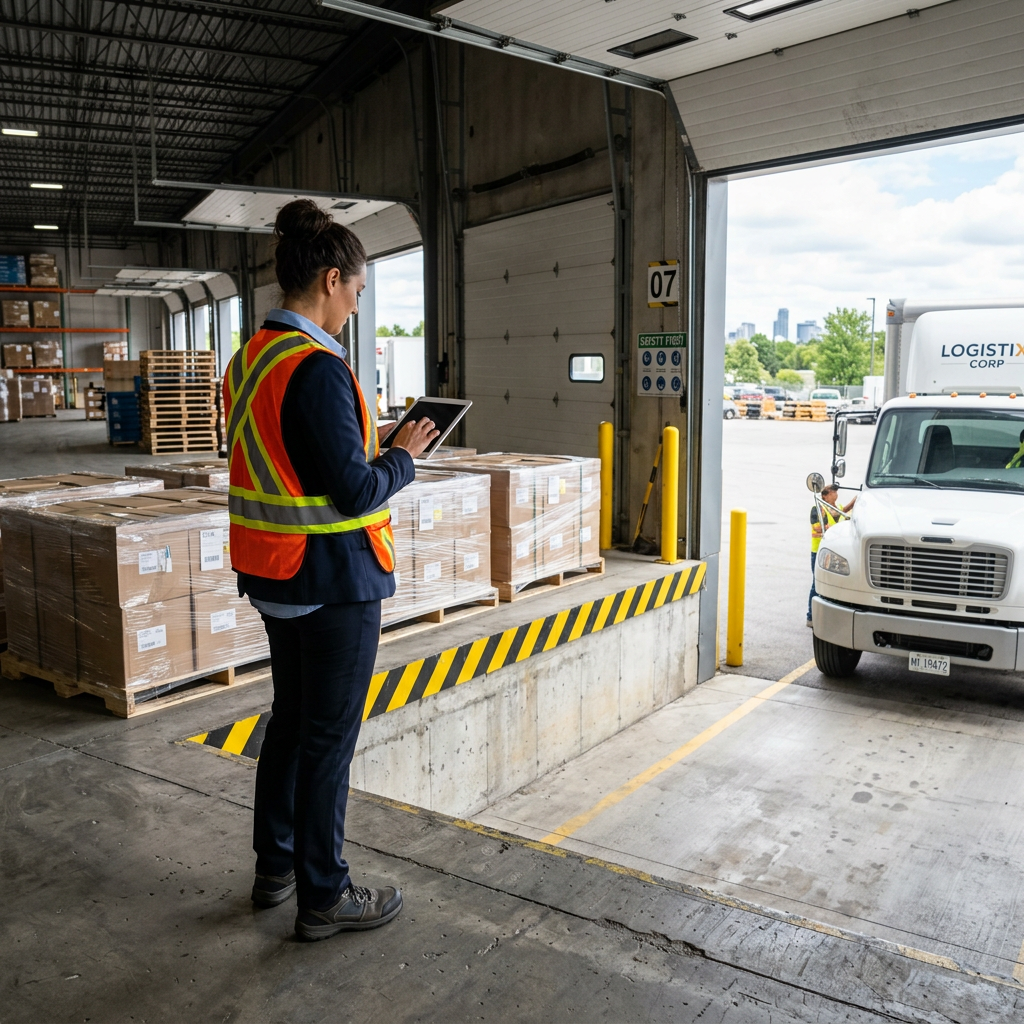
When a business ships a handful of pallets per week, freight logistics feels manageable. Carrier relationships are personal, rates are relatively stable, and the occasional missed pickup is an inconvenience rather than a crisis. But as shipment volume climbs, every small inefficiency compounds into something far more costly. The processes that worked at 10 shipments a month start breaking down at 50, and by the time a company is coordinating dozens of weekly LTL loads across Ontario and Quebec, the operational gaps can quietly erode margins by double digits. The tipping point between "busy" and "unmanageable" arrives faster than most growing businesses expect.
Why Freight Logistic Complexity Scales Faster Than Volume
Doubling your shipment count does not simply double the work. It multiplies the number of decision points, communication threads, and failure modes across every stage of the supply chain. Understanding where these breakdowns originate is the first step toward preventing them from becoming permanent cost centres.
The Operational Bottlenecks That Emerge at Scale
As businesses grow, manual freight booking processes hit hard limits. A logistics manager who once negotiated rates with two or three carriers by phone now needs to coordinate with a dozen, compare inconsistent quotes, and track pickups across multiple origin points. Supply chain complexity increases not just linearly but exponentially, because each new carrier, lane, and shipment type introduces a fresh set of variables. The most common bottlenecks include:
- Rate inconsistency: Without a centralized system to compare freight rates, businesses accept whatever quote arrives first rather than the best available price.
- Communication overload: Phone calls, email chains, and voicemails to carrier dispatch teams multiply with every new shipment, creating delays that cascade through the schedule.
- Missed pickups and scheduling conflicts: Manual coordination leaves too many handoff points where information gets lost, resulting in dock congestion and late deliveries.
- Invoice reconciliation chaos: Multiple carriers mean multiple billing formats, payment terms, and dispute processes that consume hours of administrative time each week.
- Carrier quality variance: At low volumes, you know your carriers personally. At high volumes, new carriers enter the mix without proper vetting, increasing the risk of service failures.
How Visibility Gaps Inflate Costs Quietly
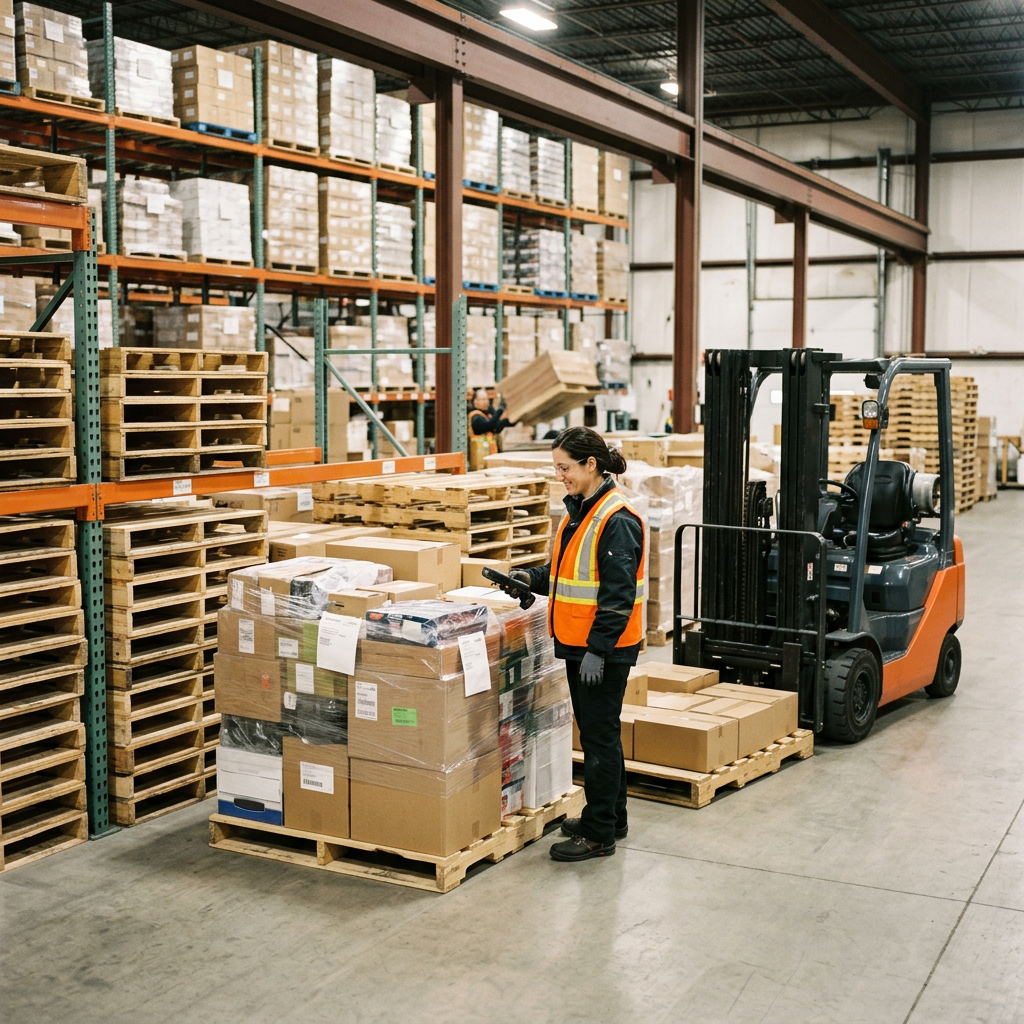
One of the most damaging effects of scaling without proper logistics infrastructure is the loss of visibility. When shipments multiply, the ability to track each one in real time degrades unless purpose-built tools are in place. A lack of freight visibility means problems are discovered reactively, after a customer complaint or a missed delivery window, rather than proactively, while there is still time to intervene.
This visibility gap does not just hurt service quality. It directly inflates costs through expedited re-shipments, penalty fees from retailers, and lost customer trust that takes months to rebuild. For SMBs in Ontario and Quebec handling LTL shipping across regional lanes, even one or two blind spots per week can add thousands in unnecessary costs over a quarter.
What Modern Freight Management Looks Like at Volume
Recognizing the problem is half the challenge. The other half is understanding what a scalable freight logistics operation actually requires, and why the traditional broker model falls short for businesses that ship frequently. The shift from reactive to proactive logistics management hinges on three capabilities: rate transparency, centralized communication, and real-time tracking.
Digital Freight Booking Versus Traditional Methods
Traditional freight booking relies on a logistics manager (or a third-party broker) making phone calls, sending emails, and manually comparing quotes that arrive in different formats and timelines. This process might work adequately when a business ships infrequently, but it creates serious friction at higher volumes. Each additional shipment adds another round of calls, another set of quotes to evaluate, and another tracking number to monitor manually.
A digital freight booking platform eliminates much of this friction by centralizing the entire process. Instead of contacting carriers individually, shippers can request quotes from multiple providers simultaneously and see results side by side within minutes. This transparency alone can cut booking time by hours per week. Platforms built specifically for freight transportation services also standardize the comparison process, so rate evaluation is based on consistent data points like transit time, carrier ratings, and total landed cost rather than whatever information a sales rep chose to share. According to research from MNP's analysis of Canadian distribution technology, technology adoption in logistics operations is directly correlated with cost reduction and improved throughput for mid-market businesses.
The Role of Carrier Quality and Accountability
At lower shipment volumes, finding a reliable freight carrier is largely a matter of word-of-mouth and personal experience. At scale, businesses need a systematic way to evaluate and monitor carrier performance. This is where many growing companies hit a wall. They add new carriers to handle increased volume, but lack the tools to assess whether those carriers meet their service standards. A single underperforming carrier handling even 15% of shipments can drag down on-time delivery rates across the entire operation.
The best SMB freight solutions address this by pre-vetting carriers against measurable benchmarks. Truxweb, for instance, requires all carriers on its marketplace to maintain a minimum 95% customer satisfaction rating and conducts daily compliance monitoring through SaferWatch for both federal and provincial safety standards. This kind of built-in accountability means growing businesses do not have to build their own career management program from scratch. They inherit one that is already functioning. For businesses shipping anywhere from 1 to 8 pallets at a time across Quebec and Ontario, this removes a significant operational burden that would otherwise require dedicated staff to manage. The ability to read freight carrier reviews and compare performance data before booking transforms carrier selection from guesswork into an informed decision.
Building a Logistics Operation That Scales With You
Solving the volume challenge is not about hiring more people to manage more spreadsheets. It is about adopting infrastructure that absorbs complexity automatically. The businesses that maintain healthy margins while scaling their shipping volume are the ones that invest in end-to-end freight visibility and centralized booking before the pain becomes acute. Waiting until operations are already strained means playing catch-up while customer satisfaction erodes.
One of the most overlooked advantages of a centralized freight platform is invoice and payment consolidation. When a business works with six or seven carriers directly, each one has its own billing cycle, payment terms, and dispute resolution process. Reconciling those invoices against purchase orders and delivery confirmations can consume an entire day each month for a small logistics team. Consolidating all carrier payments into a single statement, with options for credit terms, dramatically reduces administrative overhead.
Beyond billing, consolidation applies to communication as well. Having a single platform where all dispatch messages, shipment status updates, and carrier conversations live in one place prevents the information fragmentation that causes missed pickups and delivery delays. This is especially relevant for businesses running logistics visibility software alongside manual booking processes, where data lives in multiple systems that do not talk to each other.
Recognizing When It Is Time to Shift
The warning signs that freight logistics has outgrown manual management are consistent across industries. If the logistics team spends more time chasing carriers for updates than actually managing shipments, that is a signal. If rate negotiations have become reactive rather than strategic, with whatever quote arrives first being accepted to avoid delays, that is another issue. And if customer complaints about late or damaged deliveries are trending upward despite no change in carrier mix, the issue is almost certainly a process problem, not a people problem.
Truxweb was built specifically for this inflection point, giving growing businesses in Ontario and Quebec a digital freight platform that handles the complexity of high-volume LTL shipping without requiring additional headcount. With 92% of carriers responding to quote requests within 30 minutes during operating hours and a 360-degree shipping dashboard providing real-time updates, the platform replaces the fragmented workflows that break down at scale with a single, streamlined process.
Conclusion
Freight logistics does not just get busier as shipment volume grows. It gets structurally harder to manage without the right tools in place. The operational breakdowns that seem minor at low volume, from inconsistent rate comparisons to scattered carrier communications, become significant cost drivers at scale. For Canadian SMBs navigating the complexities of LTL shipping across provincial corridors, the answer is not more manual effort but smarter infrastructure that scales alongside the business. Investing in freight efficiency strategies and centralized digital booking before the pain peaks is what separates companies that grow profitably from those that grow chaotically.
Ready to simplify your freight logistics? Start comparing carrier rates on Truxweb and take control of your shipping costs today.
Frequently Asked Questions (FAQs)
What is a freight logistics company?
A freight logistics company coordinates the transportation of goods from origin to destination, managing carrier selection, routing, tracking, and often billing on behalf of the shipper.
How do I reduce freight shipping costs?
Comparing rates from multiple carriers simultaneously, consolidating shipments where possible, and using a digital freight booking platform to increase pricing transparency are the most effective ways to reduce costs without sacrificing service quality.
How does LTL shipping work?
LTL (Less-Than-Truckload) shipping combines freight from multiple shippers into a single truck, so each business pays only for the trailer space its cargo occupies rather than the cost of an entire vehicle.
Can I compare freight rates online?
Yes, digital freight marketplaces allow shippers to submit quote requests to multiple carriers at once and compare rates, transit times, and service ratings side by side before confirming a booking.
Is digital freight booking better than traditional methods?
For businesses with growing shipment volumes, digital booking provides faster rate comparisons, centralized tracking, and reduced administrative overhead that traditional phone-and-email methods cannot match at scale.