


Introduction
Logistics teams under constant pressure to reduce costs and improve service are increasingly adopting automated fleet management to replace manual processes and paper workflows. Early adopters combine fleet management software with telematics and AI to achieve higher uptime, lower fuel costs, and faster dispatch cycles. This article unpacks seven operational benefits, explains how AI and telematics fit into real freight operations, and gives practical steps logistics teams can use to deploy automated fleet solutions across owned and contracted fleets.
What is automated fleet management?
At its core, automated fleet management is the use of integrated technologies to automate routine fleet tasks, including vehicle tracking, maintenance scheduling, driver performance monitoring, and route planning. When configured correctly, an automated fleet management system replaces manual dispatch notes, spreadsheets, and reactive maintenance with predictive workflows and real-time visibility, improving consistency across operations.
7 Key benefits of automated fleet management for logistics
Below are the seven most impactful, operational benefits logistics managers and dispatchers report after deploying modern smart fleet management platforms. Each item ties directly to measurable KPIs, so you can translate capabilities into targets for downtime, cost, and productivity.
- Improved vehicle uptime through predictive fleet maintenance software that schedules repairs before failures occur.
- Lower fuel and operating cost via automated routing optimization and idle reduction driven by telematics.
- Faster dispatch cycles from fleet dispatch automation that matches loads to nearby assets using real-time location data.
- Better driver safety and compliance using automated driver behavior monitoring to coach risky driving and reduce incidents.
- Stronger load utilization and fewer empty miles because of intelligent scheduling and analytics.
- Scalable operations with cloud-based fleet management platforms that support multi-region fleets and cross-border tracking.
- Actionable insights from AI-driven fleet analytics that convert raw telematics into prioritized actions for operations teams.
Each benefit can be translated into measurable operational targets, for example reducing preventable breakdowns by 30 percent, or lowering fuel spend per mile by 8 percent, depending on baseline metrics and program maturity.
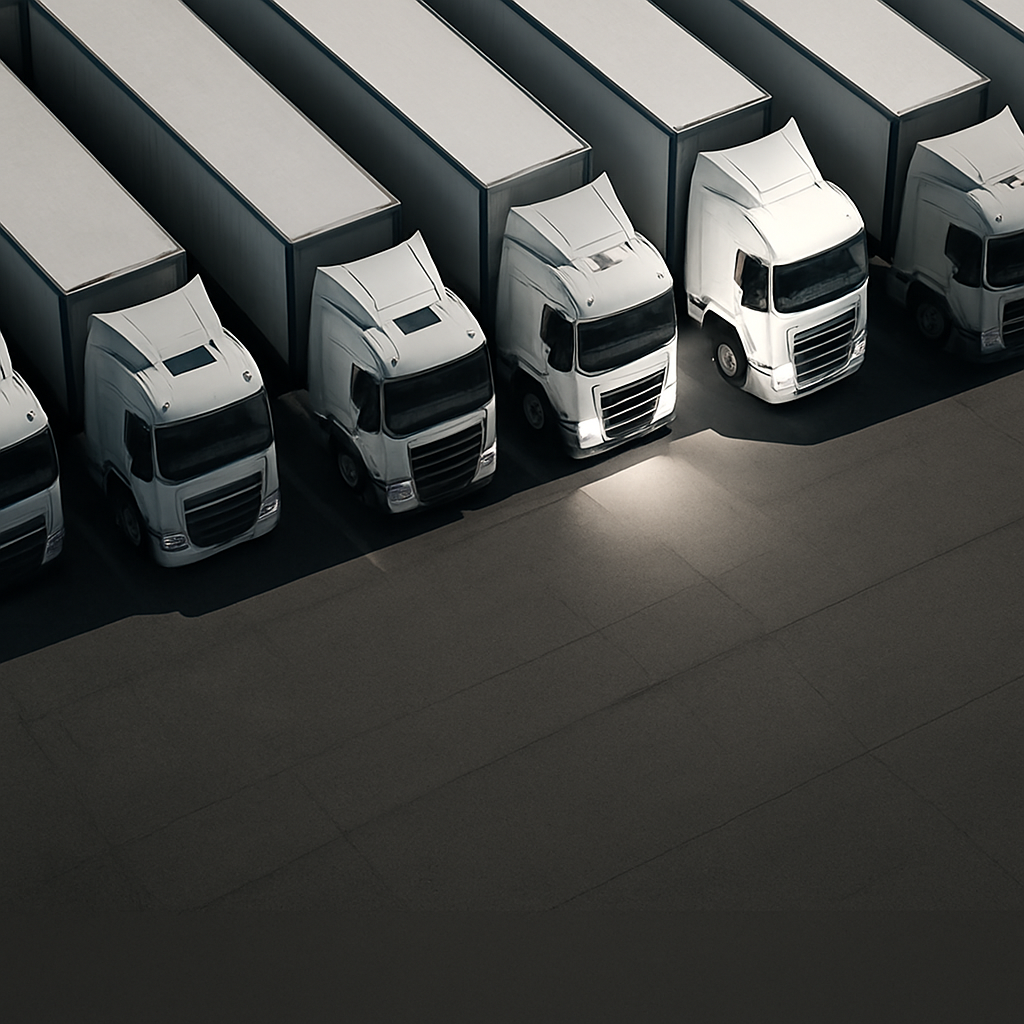
AI adds the ability to predict and prioritize, not just report. An AI-enabled fleet management system evaluates long-term sensor patterns and operational context to recommend maintenance windows with minimal route disruption, detect progressive safety risks in driver habits, and identify routing adjustments that reduce fuel consumption. AI models become more accurate as they ingest more fleet data, making them particularly valuable for medium and large operations.
Can AI predict fleet maintenance?
Yes, when feeds from engine diagnostics, telematics, and historical repair records are unified, AI can forecast component wear and prioritize service actions. This predictive capability from predictive analytics for fleets helps decrease emergency repairs and extends asset life, converting unpredictable downtime into planned maintenance events that align with business schedules.
Choosing automated fleet solutions: Features to Evaluate
When evaluating vendors, focus on operational fit rather than feature lists alone. Key items that separate pilots from long-term programs include data completeness, integration capability, and how automation fits your dispatch cadence. Platforms like cloud-based fleet systems and specialized providers can be tailored to freight requirements, and partners such as Truxweb often help integrate marketplace operations with carrier telematics.
Evaluate these capabilities:
- Open APIs and EDI for load tendering and billing automation.
- Robust telematics support for vehicle and trailer asset tracking.
- Predictive maintenance modules tuned to your asset mix.
- Routing engine that supports multi-stop, time windows, and vehicle constraints.
- Driver mobile workflows that minimize data entry and support proof of delivery.
- Role-based dashboards for dispatchers, fleet managers, and maintenance teams.
Vendor comparisons should also examine update cadence, support SLAs, and the availability of regional or multi-jurisdiction features if your fleet crosses borders.
How to optimize fleet routes with automation?
Start by cleaning location and delivery window data, then feed it into a routing engine capable of real-world constraints. An automated routing optimization engine should consider weight limits, driver hours, trailer availability, and live traffic. Integrate the engine with your dispatch system to automate daily run creation, and implement a small-scale pilot on high-variability lanes to verify expected improvements before enterprise rollout.
Integrating telematics and predictive maintenance
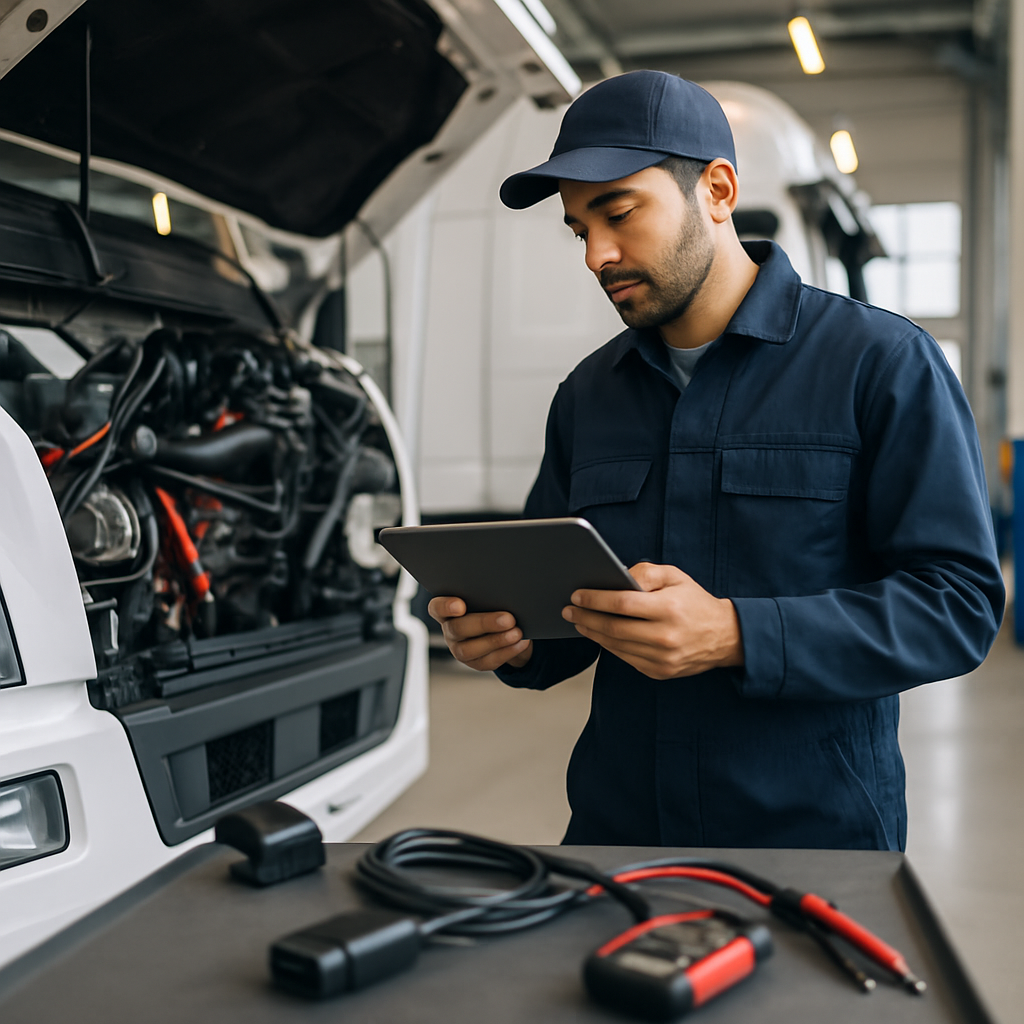
Telematics is the data source that powers most automation. Combining fleet management telematics with service history enables an AI fleet management approach that automates fault detection and service scheduling. Operationally, integration points include automated fault ticket creation in your maintenance system, conditional routing to avoid using out-of-service vehicles, and push notifications to drivers and shops when scheduled service is imminent.
Implementation steps include selecting telematics hardware compatible across your asset mix, establishing a normalized data model, and defining exception rules for automated action, such as route reassignment when a critical fault code appears.
Is cloud fleet management scalable?
Yes, cloud platforms are designed to scale for fleets that grow in vehicle count, geographic footprint, or transactional volume. A scalable approach uses microservice-based platforms and tiered storage for historical telematics. This architecture supports global operations, cross-border tracking, and rapid provisioning of new users without heavy on-premise IT investments.
Operational best practices for dispatch and driver workflows
Automation should reduce cognitive load for your dispatchers and drivers, not add steps. Implement these operational rules: automate load matching by proximity and capacity, provide single-click acceptance for drivers with contextual instructions, and use automated compliance checks during tender acceptance. For driver workflows, prioritize mobile-first interfaces that pre-fill documents and capture signatures and photos for proof of delivery.
Measuring ROI and reducing downtime
To prove value, track a small set of KPIs tied to the seven benefits earlier: vehicle uptime percentage, average time-to-repair, fuel cost per mile, miles per driver hour, on-time delivery rate, empty mile percentage, and total cost per delivery. Use controlled pilots to compare pre and post metrics, and refine automation rules iteratively. Teams that prioritize predictive fleet maintenance software often see the fastest wins in downtime reduction, while routing and dispatch automation deliver steady improvements in operating margin.
Conclusion
Moving to automated fleet management is an operational shift that pairs technology with process change. Start with a narrow use case, for example implementing telematics and predictive maintenance on a pilot set, prove measurable gains, and expand automation into routing and dispatch. Remember to account for data hygiene, integration, and training needs, and consider partners and vendors with proven logistics experience. Tools from cloud vendors and specialized providers, including marketplace integrators like Truxweb, can accelerate deployment when they align with your operating model.
Explore smarter freight operations with Truxweb and streamline your logistics workflows.
Frequently Asked Questions (FAQs)
What is automated fleet management?
Automated fleet management is the use of integrated software, telematics, and AI to automate tracking, maintenance scheduling, dispatch, and analytics for vehicles and drivers.
How does AI improve fleet management?
AI improves fleet management by predicting failures, recommending efficient routes, and prioritizing operational risks using aggregated telematics and historical data.
Why choose automated fleet solutions?
Automated fleet solutions reduce manual work, improve uptime, lower costs, and provide standardized processes that scale with fleet growth.
Can AI predict fleet maintenance?
Yes, AI can predict maintenance needs by analyzing diagnostic trouble codes, sensor trends, and repair histories to schedule service before failures occur.
What are the best fleet management systems?
The best systems match your operational needs, support open integrations, and offer modules for telematics, maintenance, routing, and driver workflows.
How to optimize fleet routes with automation?
Optimize routes by cleaning location data, using constraint-aware route engines, and piloting automated routing on high-variability lanes before wider rollout.
Is cloud fleet management scalable?
Cloud fleet management platforms scale effectively for expanding fleets, offering flexible provisioning, global coverage, and reduced on premise IT overhead.
What is AI-enabled fleet tracking?
AI-enabled fleet tracking combines telematics location data with machine learning to surface actionable events, predict delays, and improve decision making.
How does telematics work in fleets?
Telematics collects vehicle and driver data from onboard devices, transmits it to cloud systems, and feeds dashboards and automated workflows for visibility and action.
Why use smart fleet management software?
Smart fleet management software centralizes operations, automates routine decisions, and delivers analytics that drive continuous efficiency improvements.