


Quick Answer
Montreal to Toronto LTL shipping costs and transit times depend on the shipment’s dimensions, weight, freight class, pickup and delivery conditions, and carrier capacity on the lane. For one to eight pallets, the practical approach is to compare complete carrier quotes, confirm every accessorial charge before booking, and select a transit commitment that matches the receiver’s delivery window.
Introduction
LTL shipping on the Montreal to Toronto corridor is a practical option when your freight does not require a dedicated truck, but it is not a flat-rate service. A dependable estimate starts with accurate pallet measurements, a complete bill of lading, and clear details about pickup and delivery access. Businesses using Montreal LTL shipping solutions should treat the initial quote as a planning tool, then verify what is included before freight is tendered. A missed appointment, an unreported liftgate need, or a revised freight class can change the final invoice after the truck has already moved.
Key Takeaways:
Accurate dimensions and freight class reduce quote revisions and billing disputes.
Carrier transit commitments should match the receiver’s hours and appointment requirements.
Comparing complete quotes reveals fees that a base linehaul rate can conceal.

LTL Shipping Costs on the Montreal to Toronto Corridor
The most useful rate comparison is not the lowest displayed linehaul amount. LTL freight pricing reflects the space your shipment occupies, its density and handling profile, the postal codes involved, and whether either location requires services beyond a standard dock pickup or delivery. Review pallet shipping costs between Montreal and Toronto alongside the full quote so your freight budget accounts for the charges that actually apply.
What drives your final freight charge
Carriers price palletized freight according to operational effort and risk, not simply distance. A compact, securely wrapped pallet collected from a commercial dock is easier to move through a terminal network than loose freight, freight that cannot be stacked, or a shipment requiring residential service.
Pallet footprint: Larger footprints consume more trailer space.
Shipment weight: Weight affects density and handling requirements.
Freight class: Classification reflects density, liability, handling, and stowability.
Accessorial services: Liftgates, appointments, and inside delivery add work.
Lane capacity: Available carrier space affects quoted pricing.
Freight class and shipment details cannot be guessed
An accurate LTL freight class is central to rating because a carrier may inspect the shipment and adjust charges if the declared density, packaging, or commodity description is incorrect. List the commodity plainly, state whether pallets are stackable, record total weight and dimensions, and disclose any restricted or regulated materials before booking. Weight and dimension rules are coordinated across provincial commercial-vehicle networks through commercial vehicle regulations, which is why carrier equipment and loading conditions matter even on a routine interprovincial lane.
Transit Times and Quote Comparison for LTL Freight
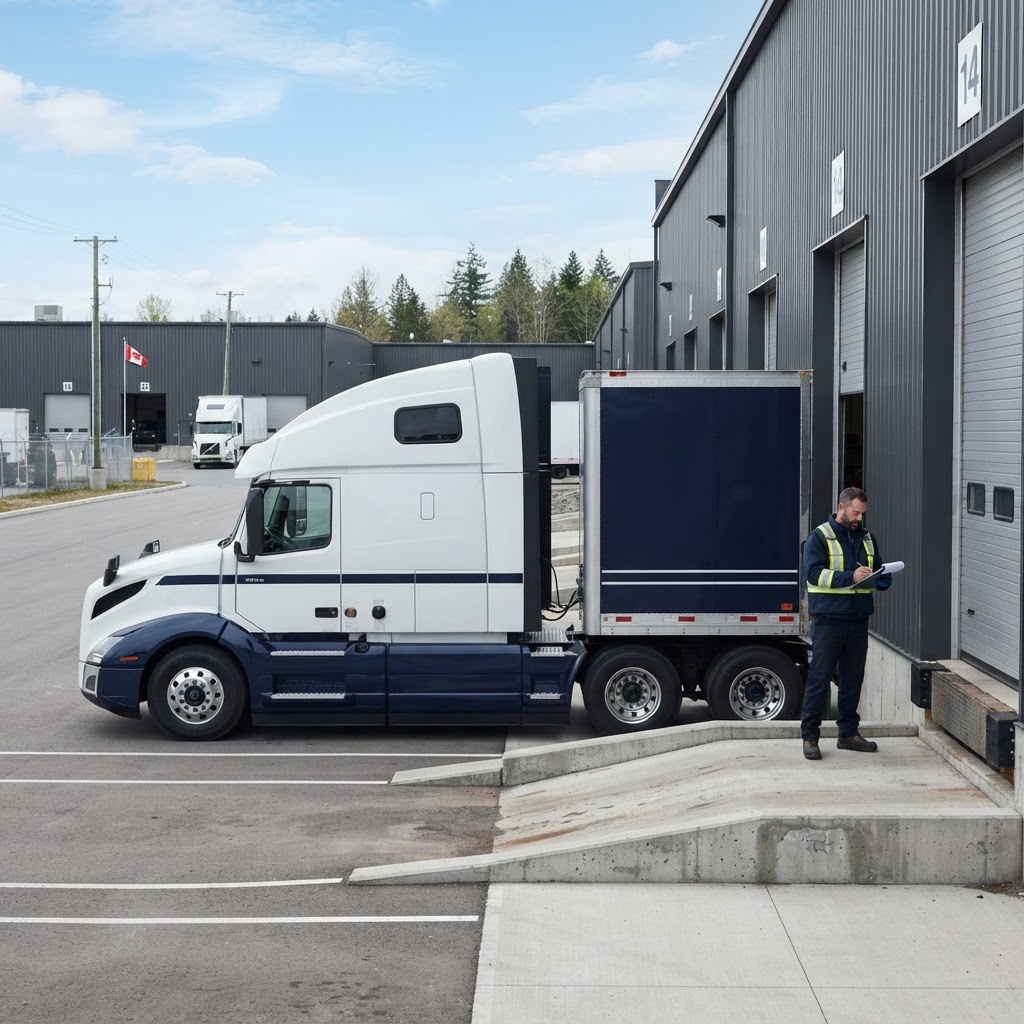
Transit time is a carrier service commitment, not a guarantee that replaces operational planning. Freight may move from pickup through a local terminal, a linehaul movement, and a destination terminal before final delivery, so cutoff times, dock hours, appointments, weather, and capacity can affect the delivery date. Transportation activity in Canada is a large part of the economy: transportation activities produced $502.2 billion in output in 2022 and contributed $216.4 billion to GDP, or 7.8% of the national total.
Compare the complete service, not just the rate
For this corridor, ask each carrier or marketplace listing to show the pickup date, estimated delivery timing, service level, accessorial charges, and liability terms. This comparison is especially important for shipments that need an appointment, arrive at a receiver with restricted hours, or contain products that cannot wait on a terminal floor.
The table below separates quote elements that should be verified before you authorize a pickup.
Quote element | What to confirm | Why it changes cost or timing |
|---|---|---|
Linehaul charge | Origin, destination, pallet details | Forms the base transportation price |
Transit estimate | Pickup cutoff and delivery commitment | Supports customer delivery planning |
Accessorials | Liftgate, appointment, residential, inside service | May be billed separately |
Freight description | Commodity, class, weight, dimensions | Reduces reclassification exposure |
Tracking updates | Dispatch, pickup, and delivery events | Improves receiver communication |
The key tradeoff is between a quote that appears inexpensive and one that clearly identifies the service conditions required at both ends. If your receiver has limited hours, a transparent appointment charge is often easier to manage than a failed delivery attempt and re-delivery process.
Use digital comparison without losing operational control
Truxweb lets shippers submit one request to carriers serving the lane and compare rates, transit times, carrier ratings, and booking fees before confirming freight. Truxweb reports that 92% of its carriers respond within 30 minutes during business hours, which can help a buyer establish a workable plan when pickup timing is tight. This differs from working with traditional freight brokers because the shipper can review carrier-specific information directly rather than relying solely on manually gathered options.
Quote speed does not remove the need for accurate paperwork. For repeat traffic, retain approved shipment profiles with pallet dimensions, commodity descriptions, packaging notes, receiver contacts, and access requirements, then update the profile when the product or destination changes.
Prevent delays at pickup and delivery
Prepare the freight before dispatch is requested: label every pallet, secure stretch wrap and corner protection, keep the bill of lading available, and give the carrier a working pickup contact. Understanding how LTL shipping works in Canada helps teams distinguish a standard terminal movement from services that require extra coordination. Commercial vehicle planning also depends on driver-hours requirements, and Ontario lets operators designate either a seven-day cycle capped at 70 on-duty hours or a 14-day cycle capped at 120, so appointment windows should leave room for lawful dispatch scheduling.

Conclusion
Montreal to Toronto LTL shipping becomes more predictable when your quote request matches the freight that will be collected. Measure and weigh each pallet, confirm freight class, disclose every accessorial requirement, and compare pickup and delivery commitments alongside the total charge. For SMEs moving recurring freight, LTL rates between Quebec and Ontario are easier to manage when shipment data is standardized and carrier options are visible before booking. Truxweb can be relevant for shippers who need direct carrier comparisons and a consolidated statement while comparing carrier options and booking details before confirmation.
Ready to compare lane-specific options? Get a quote with Truxweb for your next pallet shipment.
Frequently Asked Questions (FAQs)
How long does it take to ship from Montreal to Toronto?
Shipping from Montreal to Toronto usually takes one to two business days on standard LTL service, though pickup cutoffs, terminal processing, delivery appointments, weather, and available capacity can all affect the actual delivery schedule.
What factors affect Montreal to Toronto freight rates?
Montreal to Toronto freight rates are affected by pallet dimensions, total weight, freight class, commodity characteristics, postal codes, carrier capacity, and required services such as liftgate, residential delivery, appointment booking, or inside delivery.
Do I need a delivery appointment in Toronto?
A delivery appointment is required whenever the receiving site has restricted hours or a fixed dock window, and booking it upfront is usually cheaper than a failed delivery attempt followed by a re-delivery charge.
How to save money on LTL freight shipping?
Saving money on LTL freight shipping starts with using correct dimensions and weights, consolidating compatible pallets, avoiding unneeded accessorials, and comparing complete carrier quotes instead of selecting a rate based only on linehaul charges.
How fast can I get an LTL freight quote?
An LTL freight quote can arrive quickly when the request includes complete origin and destination details, commodity information, pallet measurements, weight, and accessorial needs, while Truxweb reports that 92% of its carriers reply within 30 minutes during business hours.
Is it cheaper to ship via LTL or FTL?
Shipping via LTL is generally more economical when your goods occupy only part of a trailer, while FTL pricing is based on reserving the truck and can be appropriate when freight volume, handling needs, or timing requires dedicated capacity.
About the Author
Sarah Bennett is a Cross-Border Trade & Customs Specialist focused on freight compliance, customs clearance, and Canada-U.S. shipping between Ontario, Quebec, and key U.S. markets. Her work emphasizes accurate documentation, practical freight planning, and operational controls that help businesses avoid preventable shipment disruptions.