

Introduction
Quick Answer
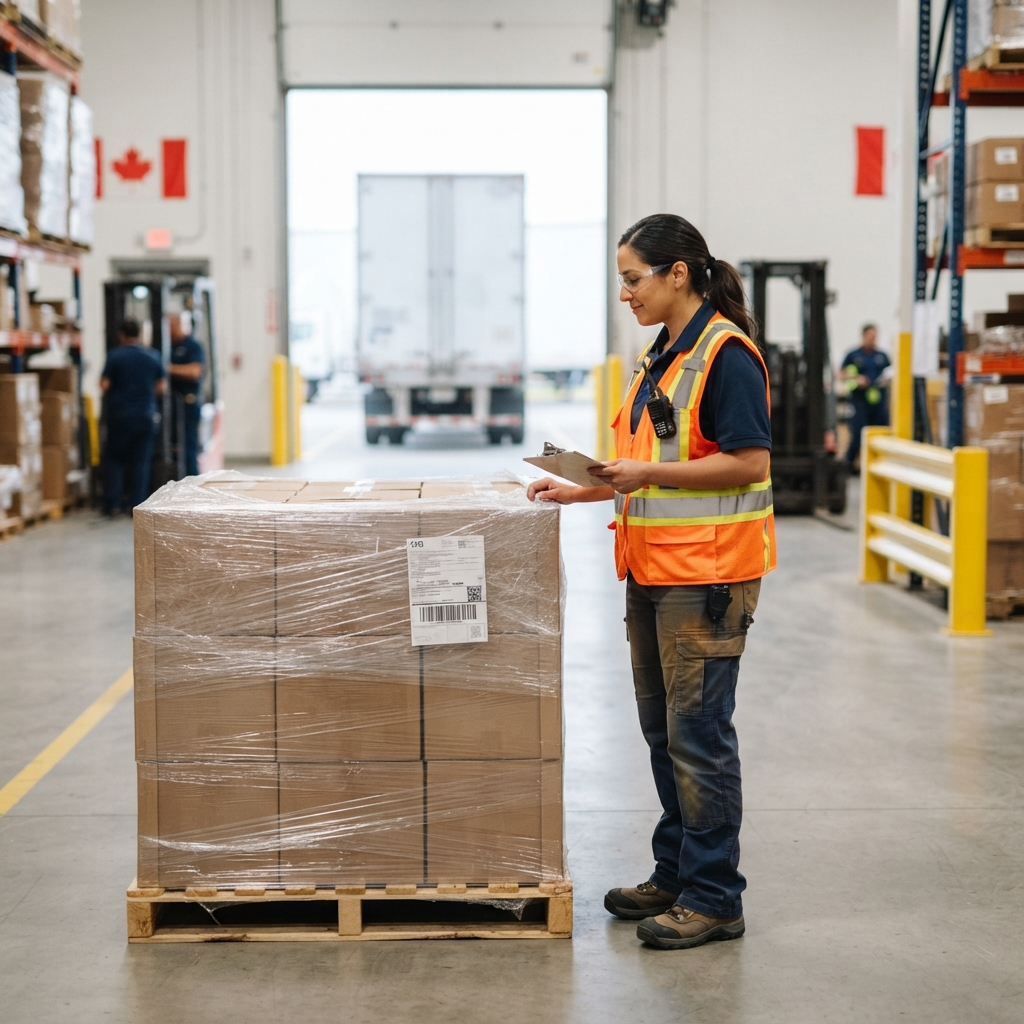
LTL shipping in Canada works by combining freight from multiple businesses onto a single trailer, so you only pay for the space your pallets occupy. Carriers pick up your shipment, move it through regional terminals for consolidation and sorting, then deliver it to the consignee, typically within two to five business days across Ontario and Quebec lanes.
Less than truckload freight sits between parcel and full truckload in the Canadian shipping landscape, and it is the workhorse of small and medium-sized businesses moving anywhere from one to eight pallets. Instead of paying for a whole trailer, you share that trailer with other shippers headed in the same direction, which pushes the per-shipment cost down significantly. The trade-off is that your freight passes through terminals, gets handled more often, and follows a network schedule rather than a direct point-to-point route. Understanding the mechanics behind those handoffs is the difference between a smooth delivery and an invoice full of surprise accessorial charges.
Key Takeaways:
LTL shipping consolidates freight from multiple shippers onto one trailer, so you pay only for the space and weight of your pallets.
Rates hinge on freight class, weight, dimensions, distance, and accessorial services, all of which need to be accurate at booking.
Digital freight platforms compress hours of quoting and phone calls into minutes by putting multiple carrier rates side by side.
What LTL Shipping Actually Means in the Canadian Market
LTL, short for less than truckload, is a mode of freight transport designed for shipments too large for parcel carriers and too small to justify a dedicated trailer. In Canada, this usually means palletized freight weighing between roughly 45 kilograms and 6,800 kilograms, covering the messy middle where courier rates spike and full truckload is wasteful. According to national transportation data, road freight remains the dominant mode for domestic Canadian trade, with the Quebec-Ontario corridor carrying a disproportionate share of that volume.
How LTL differs from parcel and FTL
Parcel carriers handle individual boxes and small packages, rating by weight and dimensions. Full truckload dedicates an entire trailer to one shipper moving from origin to destination without stops. LTL sits in between, and the differences show up in cost, transit, and handling.
- Cost basis: LTL prices are built from freight class, weight, distance, and accessorials, not per-package rates.
- Handling: LTL freight moves through terminals for sorting, while FTL stays on the same trailer end to end.
- Transit: LTL follows a network schedule with multiple stops, so it is generally slower than FTL on the same lane.
- Sweet spot: LTL fits one to eight pallets, which is exactly where SMB shippers in Ontario and Quebec spend most of their freight budget.
- Trade-off: Lower cost in exchange for more touches, so packaging and paperwork matter more than in FTL.
For a fuller definition of the mode itself, see what LTL freight is and how it applies to Canadian SMEs specifically.
Who actually uses LTL freight
Manufacturers shipping components, distributors replenishing regional customers, e-commerce brands moving inventory to fulfillment centres, and trades supply companies restocking job sites all lean heavily on less than truckload service. The common thread is regular movement of palletized goods that do not fill a trailer alone. Freight logistics for SMEs in Canada is dominated by this profile, which is why the LTL market is so competitive along the Montreal to Toronto and Toronto to Ottawa corridors.
The Step-by-Step LTL Shipping Process
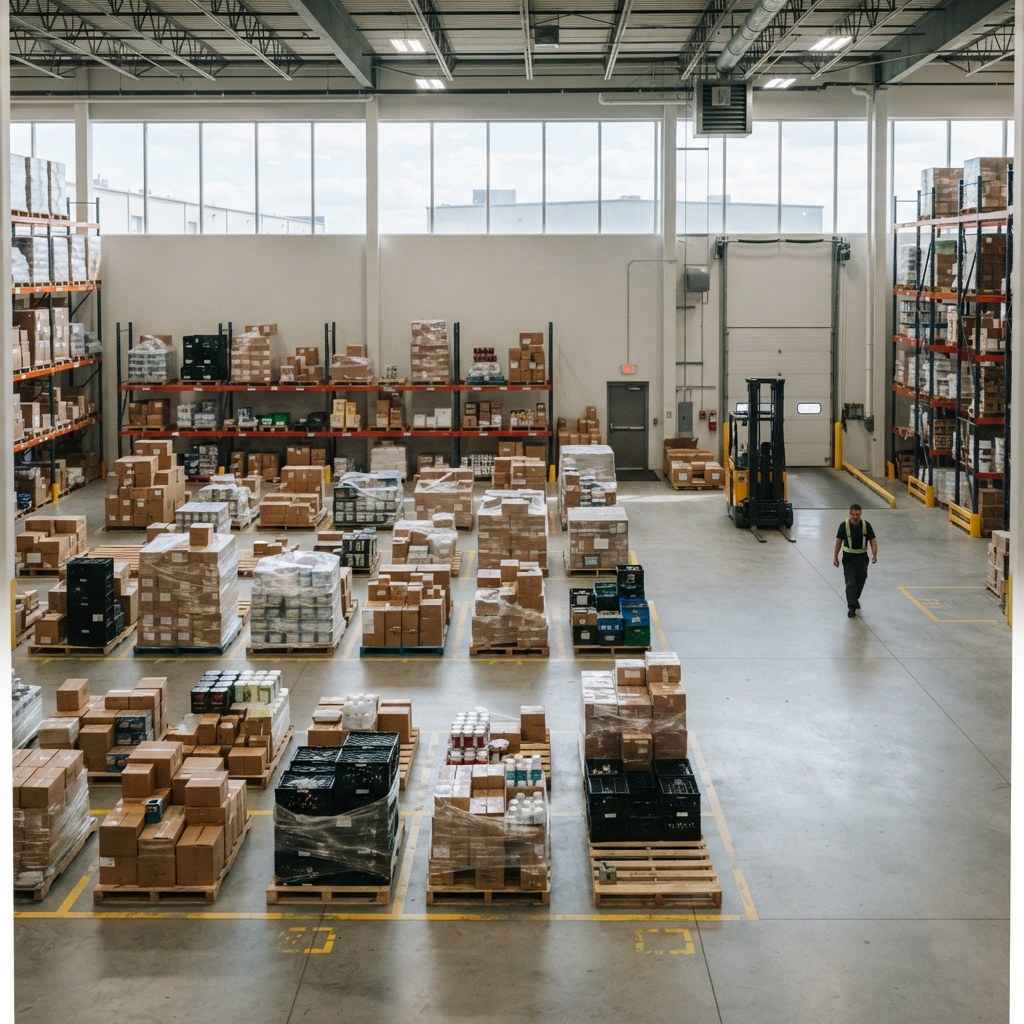
An LTL shipment is not a single truck trip. It is a sequence of handoffs across a carrier's network, and each step influences your final cost and delivery date. Understanding this flow helps you plan pickups accurately, package freight to survive transit, and avoid the accessorial charges that quietly erode margins on small shipments.
From quote to pickup
The process begins the moment you enter your shipment details: pallet count, dimensions, weight, freight class, origin, destination, and any special services. Carriers use those details to produce a rate, which is why accuracy matters. A missed dimension or an unclassified commodity often triggers a reweigh and reclass at the terminal, and those adjustments show up as line items on your invoice. Once you accept a rate, the carrier dispatches a truck for pickup, usually within a one to two business day window depending on the lane and cutoff times.
Instant LTL freight quotes have changed this front end considerably. Instead of emailing three carriers and waiting for replies, shippers using a LTL booking process built around instant quoting can compare carriers side by side in minutes and book with a single click. Truxweb operates this way, sending quote requests to multiple carriers at once and returning competitive rates back to the shipper without brokering fees layered on top.
Terminal consolidation and line haul
After pickup, your freight rarely goes straight to the consignee. It travels to the carrier's local terminal, where dock workers scan, weigh, measure, and consolidate it with other freight bound for the same region. From there, the shipment moves on line haul, the longer-distance leg between terminals, then arrives at a destination terminal for sorting before final delivery. This freight consolidation process is what makes less than truckload cost-effective, but it is also why LTL takes longer than FTL on comparable lanes.
What Drives LTL Rates and Transit Times in Canada
LTL freight rates in Canada are not a single number pulled from a rate card. They are built from several inputs that carriers weigh against their network capacity, and knowing those inputs lets you price shipments accurately before you book. The same inputs also govern transit times, since the network schedule depends on the same lanes and terminals your freight will pass through.
Freight class, weight, and dimensions
Freight class is the single most misunderstood variable in LTL. It reflects how easy or difficult your commodity is to handle, based on density, stowability, handling, and liability. A dense pallet of machine parts falls into a lower, cheaper class than a light but bulky pallet of insulation, even at the same weight. Guessing the class or leaving it blank almost guarantees a correction at the terminal, so a full breakdown of freight classification is worth reading before your next booking.
Weight and dimensions feed into the same calculation. Carriers use dimensional weight to price bulky, light freight, and they laser-measure pallets at the terminal to verify what you declared. For a deeper look at how these inputs combine, our guide on LTL rate calculation walks through the same math carriers use internally.
Distance, lane density, and accessorials
Distance matters, but lane density matters more. A shipment from Montreal to Toronto rides one of the densest freight corridors in Canada, so rates are competitive and transit is fast, often one to two business days. A shipment from Montreal to a rural destination in northern Ontario travels a thinner lane, so pricing is higher and transit stretches to three to five business days. Accessorial services such as tailgate delivery, inside delivery, appointment scheduling, or residential pickup add flat fees on top of the base rate. The Canadian Freight Analysis Framework tracks these origin-destination patterns and confirms what shippers see on the ground: dense lanes are cheap, thin lanes are not.
Choosing carriers and tracking shipments
The best LTL shipping companies in Canada differentiate on service quality, on-time performance, and damage rates, not just price. A carrier that quotes ten percent cheaper but delivers late and damages a pallet costs far more once you factor in claims, reorders, and lost customer confidence. Digital freight booking platforms make this comparison visible by showing carrier ratings, transit estimates, and pricing side by side. Truxweb requires carriers on the platform to maintain a minimum ninety-five percent customer satisfaction rating, with daily compliance monitoring, so shippers are not filtering the market on their own.
Tracking has also improved dramatically. Modern platforms provide dashboards with real-time status, automated email alerts for dispatch, pickup, and delivery, and in-platform chat with dispatch teams. For shippers moving freight subject to import controls, the federal transportation regulations govern notification and documentation requirements, and platform tools help keep those records tidy.

Conclusion
LTL shipping works because it turns a full trailer into a shared resource, and it works well for Canadian SMBs when the shipper understands the inputs that drive price and transit. Accurate freight class, honest dimensions and weight, realistic pickup windows, and the right accessorials at booking time will keep invoices predictable and shipments on schedule. Once those fundamentals are in place, the biggest remaining gain is compressing the quoting and booking process itself, which is where digital platforms have changed the game for shippers moving one to eight pallets. The right tool turns a half-day of phone calls into a few minutes of clicks, with better rates and clearer tracking on the other end.
Ready to see how much time and money you can save on your next LTL shipment? Compare instant quotes with Truxweb and book with carriers vetted for service and reliability across Ontario and Quebec.
Frequently Asked Questions (FAQs)
What is LTL shipping?
LTL shipping, or less than truckload, is a freight mode where multiple shippers share space on the same trailer so each one pays only for the portion of the truck their pallets occupy, making it the standard choice for palletized shipments too large for parcel and too small for a dedicated full truckload.
How does LTL shipping work for small businesses?
For small businesses, LTL works by aggregating one to eight pallets with other companies' freight through a carrier's terminal network, which lets an SMB access national freight lanes at a fraction of full truckload cost while still getting scheduled pickup, tracking, and delivery service.
How can I get the cheapest LTL freight rates?
The cheapest LTL freight rates come from declaring accurate freight class, weight and dimensions, avoiding unnecessary accessorials, booking on dense lanes when possible, and comparing multiple carriers on a digital freight booking platform instead of accepting the first quote you receive.
Why choose LTL over full truckload?
You choose LTL over full truckload when your shipment does not fill a trailer, because paying for only the space your pallets occupy is dramatically cheaper than reserving an entire truck, though FTL still wins on speed and handling for larger, time-sensitive loads.
How long does LTL delivery typically take in Canada?
LTL delivery in Canada typically takes two to five business days on major lanes like Montreal to Toronto or Toronto to Ottawa, with thinner regional and rural lanes stretching longer because freight passes through more terminals and follows a less frequent network schedule.
How can I track my LTL freight shipment?
You track LTL freight through the carrier's tracking portal using the pro number issued at pickup, or through a digital freight platform's dashboard that consolidates real-time status, automated email alerts for dispatch, pickup, and delivery, and direct chat with the carrier's dispatch team.
Is LTL shipping cheaper than parcel?
LTL is cheaper than parcel once your shipment reaches roughly one full pallet or more, because parcel carriers price aggressively for small boxes but scale up quickly with weight and dimensions, whereas LTL rates flatten out across the pallet-sized range where SMB freight lives.
About the Author
Daniel Park is a freight logistics analyst focused on LTL shipping, carrier performance, and supply chain visibility across Ontario and Quebec. He writes data-driven guides that help SMB logistics managers make sense of freight pricing, classification, and digital booking tools. His work draws on carrier performance data and hands-on shipper case studies from the Canadian market.