

Quick Answer
To ship LTL freight from the United States to Canada, prepare accurate commercial documents, assign customs responsibility before pickup, and book a carrier that can coordinate the border handoff. The shipment moves smoothly when the carrier, customs broker, exporter, and Canadian importer work from the same product, value, and consignee details.
Introduction
LTL freight shipping into Canada is manageable when documentation and customs clearance are treated as part of the booking process rather than a last-minute task. For a palletized shipment, the exporter must describe the goods accurately, the importer must be ready to account for the entry, and the carrier needs complete pickup and delivery instructions. This is especially important for Quebec and Ontario businesses receiving time-sensitive inventory from U.S. suppliers. A missing value, mismatched address, or unclear importer record can hold freight after it has already reached the border.
Key Takeaways:
Prepare customs documents before the carrier collects the freight.
Match every document to the shipment’s actual goods, value, and parties.
Compare carrier transit details alongside border-handling capability and total booking charges.

LTL Freight Shipping: Build the File Before Pickup
Less than truckload shipping combines freight from several shippers in a shared trailer, so the carrier relies on clear labels, dimensions, weights, and paperwork to route each pallet correctly. For a U.S.-to-Canada movement, the shipment file also determines whether border processing can begin without requests for clarification.
Confirm the commercial and transport documents
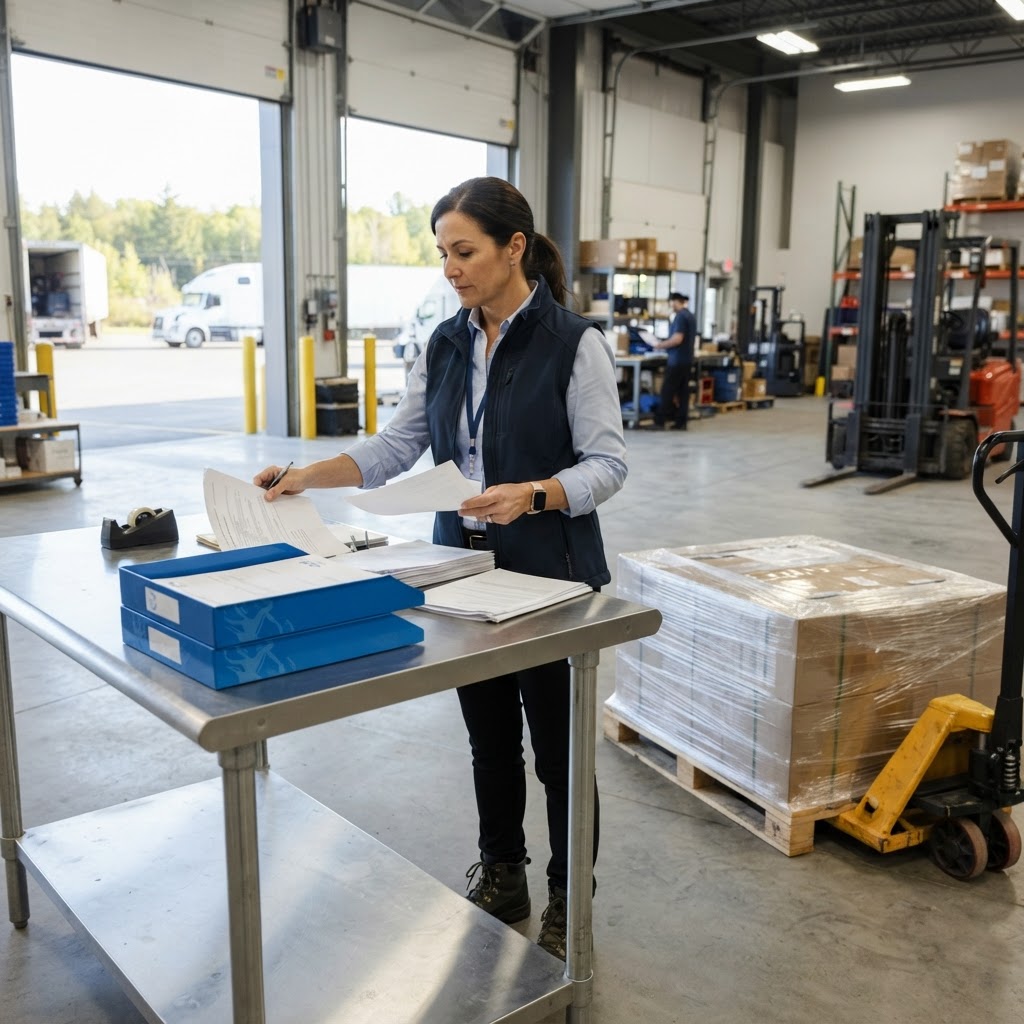
Start with the commercial invoice, bill of lading, packing details, importer information, and broker instructions before requesting pickup. A properly completed Canada Customs Invoice or equivalent is the most important document for commercial goods entering Canada, according to Canada import requirements. Use an import documentation checklist to make sure the exporter and importer are working from the same file.
Commercial invoice: Identify seller, buyer, goods, value, and origin.
Bill of lading: Match pallet count, weight, addresses, and handling instructions.
Importer record: Confirm the Canadian party responsible for the import entry.
Broker instructions: Provide the broker’s contact details before pickup.
Product details: Use precise descriptions instead of broad labels like “parts.”
Make the bill of lading operationally accurate
The bill of lading is the carrier’s handling instruction and the record tying freight to the named parties. The importer or buyer may require the original copy to take possession of the goods, as explained in the bill of lading, so consignee details cannot be treated as an administrative afterthought. Verify that the commodity description, pallet count, weight, pickup access, delivery access, and reference numbers agree with the commercial invoice.
For samples or demonstration goods shipped without charge, list the retail value rather than entering zero. The exporter must indicate the retail value for no-charge samples or demos, according to Canada import requirements.
Choose a Cross-Border LTL Carrier and Booking Method
Not every domestic LTL service follows the same cross-border process, so select a carrier based on the lane, freight characteristics, border documentation workflow, and delivery requirements. Confirm who transmits shipment data, who contacts the broker, and how exceptions are communicated when freight is stopped or documents need correction.
Compare service details instead of headline rates
LTL freight quotes should be compared on more than the base charge because accessorial services, fuel, appointment requirements, and customs-related handling can change the final booking cost. A digital freight marketplace should show Canadian shippers rates, transit expectations, carrier identity, and booking fees in one place.
The table below separates the operational questions that matter when choosing between a marketplace booking and a traditional broker-led process.
Decision factor | Direct carrier marketplace | Traditional broker process |
|---|---|---|
Rate visibility | Multiple carrier quotes can be viewed side by side. | Quote presentation depends on broker workflow. |
Carrier comparison | Review rate, transit time, and carrier ratings together. | Carrier options are selected and relayed by the broker. |
Booking record | Booking details remain in a digital dashboard. | Records may be exchanged through calls and email. |
Issue coordination | Carrier dispatch and support can be reached through platform tools. | Broker acts as the communication intermediary. |
The useful comparison is not whether one model eliminates customs obligations. Both require accurate shipment data, but a visible booking record makes it easier to check that the carrier received the same instructions supplied to the broker.
For example, Truxweb lets businesses compare carrier quotes, transit times, ratings, and booking fees before confirming pallet freight. That visibility helps a shipper identify whether liftgate service, residential delivery, appointment coordination, or another accessorial requirement has been included.
Prepare freight for shared-terminal handling
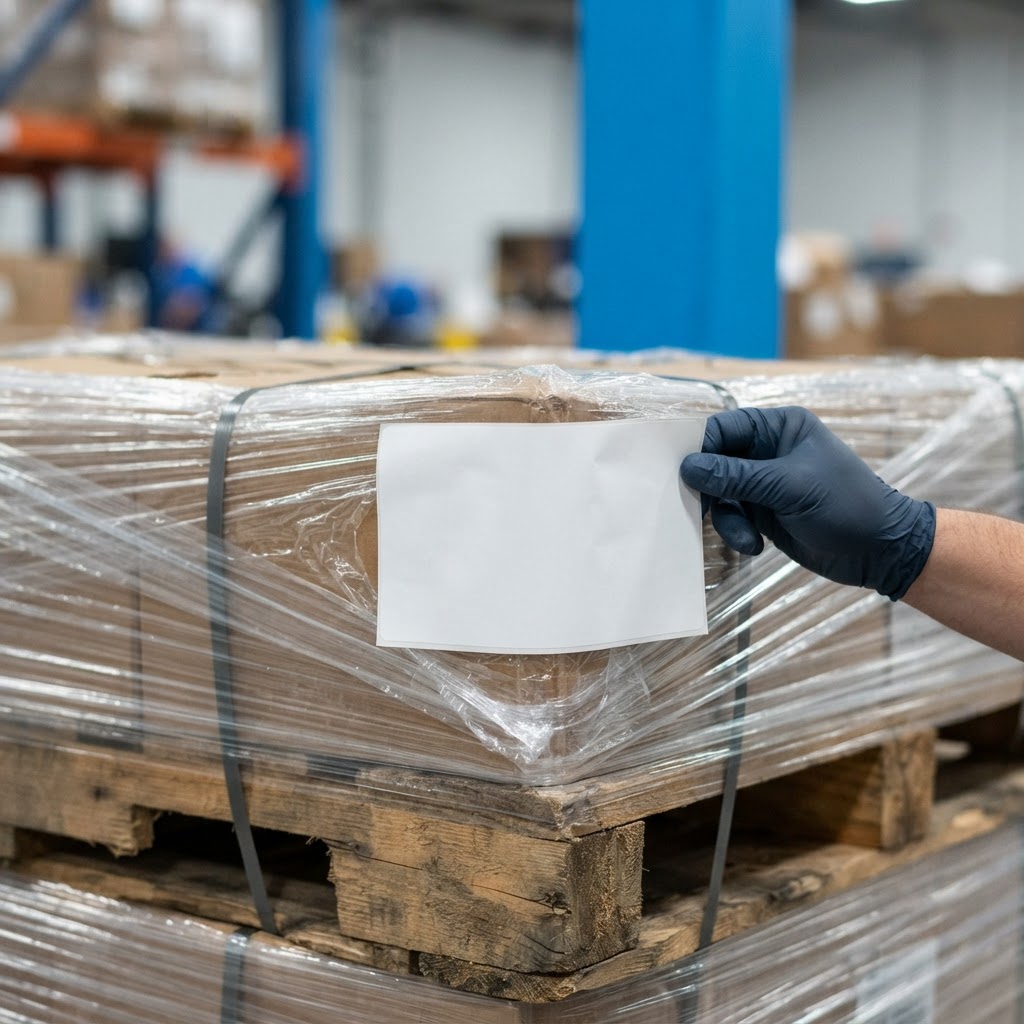
Pallets may be transferred through terminals before final delivery, so secure cartons to the pallet, protect edges, apply readable labels, and state any special handling needs at booking. Follow documented cross-border packaging requirements before collection, because packaging problems can create damage exposure and complicate freight identification when several consignments move together.
Clear Customs and Monitor the Shipment
Customs clearance LTL shipments depend on a clean handoff between the carrier and the importer’s broker. The carrier moves freight to the border and supplies its required movement information, while the importer remains responsible for having a compliant import process and sufficient financial arrangements in place.
Set the importer and broker responsibilities early
Confirm the importer of record, customs broker, and payment responsibility before freight leaves the U.S. Importers must register in the CARM Client Portal and provide financial security directly to the Canada Border Services Agency, replacing steps often handled by customs brokers, according to Canada import requirements. Review CARM importer requirements before booking.
Send broker instructions early enough for the broker to review the invoice, product descriptions, origin information, and consignee details. If the broker asks for clarification after the carrier is already at the border, the shipment can wait while the parties reconcile details that should have been settled at origin.
Track exceptions through delivery
Transit time is determined by origin, destination, terminal routing, border clearance, freight class, service level, and pickup or delivery constraints, so avoid promising a fixed arrival date before the carrier confirms the plan. Choose a carrier with a defined communication process, then monitor pickup confirmation, border status, delivery scheduling, and proof of delivery in sequence.
For SMEs that need one view of active shipments, Truxweb provides a shipping dashboard, dispatch updates, and carrier communication tools alongside the booking process. This is most useful when an operational exception needs quick confirmation from the shipper, consignee, broker, and dispatch team.
Conclusion
Successful U.S.-to-Canada LTL freight starts with a complete commercial file, an accurate bill of lading, and a confirmed customs responsibility plan. Compare LTL carrier rates only after the shipment dimensions, accessorial needs, and border workflow are clear, because an incomplete request produces an unreliable quote. Keep the broker informed before pickup, label and package pallets for terminal handling, and monitor each handoff through proof of delivery. Those controls prevent the avoidable documentation gaps that turn a routine cross-border shipment into a delay.
Need a clearer way to arrange pallet freight? Explore Truxweb’s carrier marketplace for side-by-side booking details.
Frequently Asked Questions (FAQs)
What is LTL shipping and how does it work?
LTL shipping works by combining compatible shipments from multiple businesses in a shared trailer, which lets each shipper pay for the trailer space and handling required by its palletized freight rather than reserving an entire truck.
How does cross-border LTL shipping from the US to Canada work?
Cross-border LTL shipping from the US to Canada works when the carrier transports the freight under a completed bill of lading while the exporter, importer, and customs broker supply matching commercial information for the Canadian import entry.
What documents are needed to ship LTL freight to Canada?
Documents needed to ship LTL freight to Canada generally include a commercial invoice, bill of lading, packing information, importer and consignee details, and broker instructions, with product descriptions and declared values consistent across the complete file.
How to get the cheapest LTL freight rates?
The cheapest LTL freight rates usually come from accurate dimensions and weights, early disclosure of accessorial needs, flexible pickup or delivery conditions where possible, and a comparison of total booking charges rather than only the advertised base rate.
Can I book LTL freight online for my business?
You can book LTL freight online for your business when the platform supports the relevant lane and freight type, but you should still verify customs contacts, shipment documents, pickup access, and final delivery requirements before confirming the booking.
How long does LTL freight take from the US to Canada?
LTL freight time from the US to Canada varies by origin, destination, terminal routing, service level, border processing, and delivery constraints, so the carrier’s quoted transit plan should be treated as the operational reference for each shipment.
About the Author
Sarah Bennett is a Cross-Border Trade & Customs Specialist focused on customs clearance, freight compliance, and Canada-U.S. shipping. Her work centers on practical documentation and border processes for freight moving between Ontario, Quebec, and key U.S. markets.