

Introduction
For many small and medium-sized businesses in Canada, shipping freight that doesn't fill an entire truck can feel like navigating a maze of confusing quotes, rigid timelines, and unpredictable costs. Less-than-truckload shipping offers a practical solution for companies that need to move one to eight pallets without paying for unused trailer space. Understanding how LTL works, what drives pricing, and how to evaluate carrier option can help businesses reduce freight expenses while maintaining reliable service.
This guide breaks down everything you need to know about LTL shipping in Canada, from the basic mechanics of how freight is consolidated and routed to the factors that determine your final rate. Whether you're shipping from Montreal to Vancouver or moving goods across Ontario, knowing when to choose LTL over full truckload and how to compare carrier rates will give you the confidence to make smarter logistics decisions.
How LTL Freight Consolidation Works
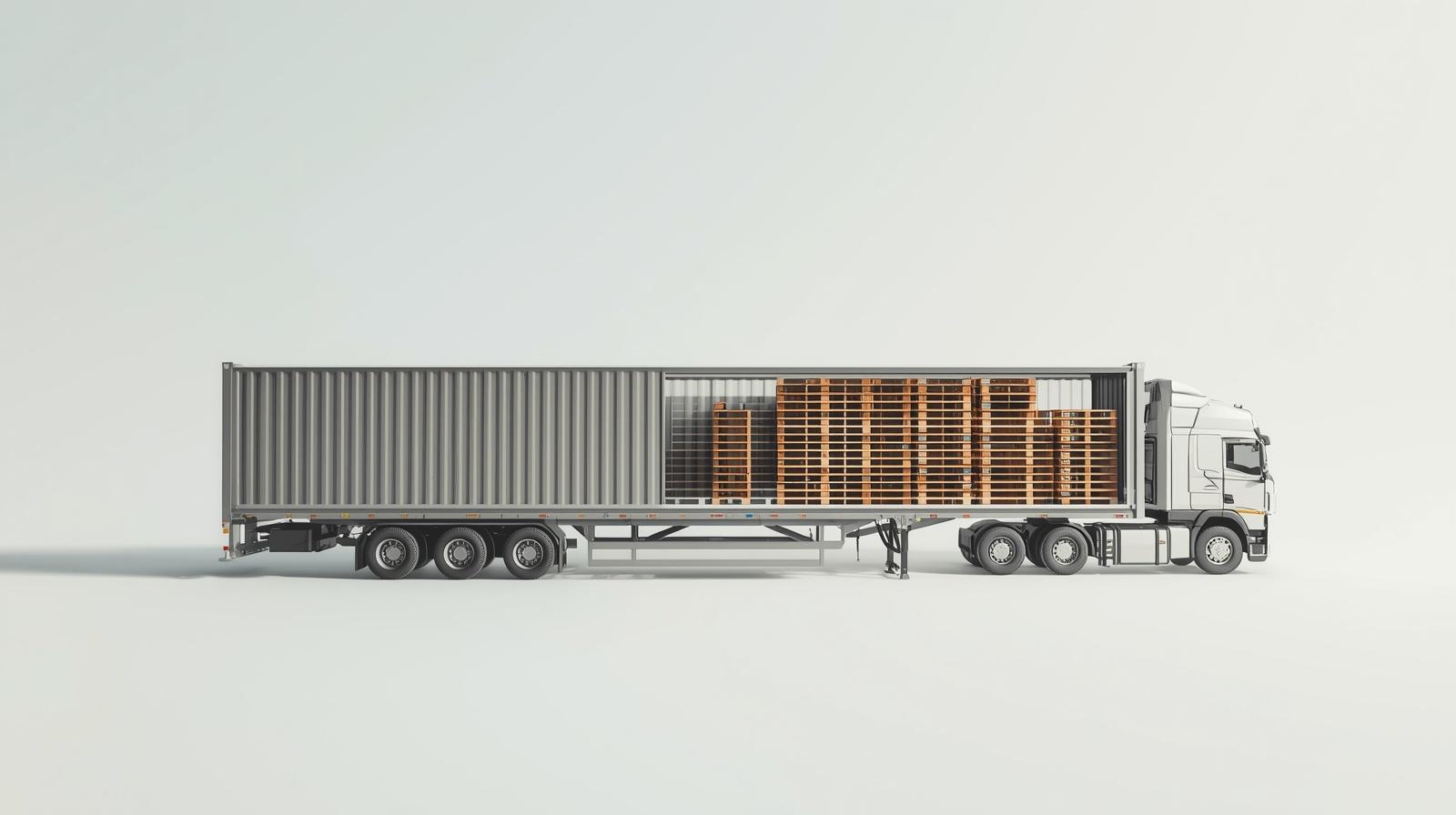
When you book an LTL freight quote, your shipment is picked up and delivered to a carrier's terminal, where it is consolidated with other shipments heading in the same direction. The freight is then loaded onto linehaul trucks that move between terminals along regional or national routes. At each terminal, shipments are sorted and transferred onto local delivery trucks for final-mile transport to their destinations.
This hub-and-spoke system allows carriers to maximize trailer capacity and keep rates lower than dedicated full truckload service. While this routing structure means your freight may be handled multiple times during transit, reputable carriers use standardized loading procedures and protective equipment to minimize the risk of damage.
When LTL Shipping Makes Sense
LTL is the most cost-effective option when your shipment falls within a specific weight and volume range. If your freight weighs less than 10,000 pounds and occupies fewer than eight pallet positions, paying only for the space you use usually costs less than reserving an entire truck. It also works well for businesses that can plan pickups in advance and accommodate standard transit windows of two to five business days depending on distance.
Businesses shipping within high-density freight corridors like high-density freight corridors like Toronto and Montreal benefit from more frequent departures and shorter transit times due to higher consolidation volumes. Regional carriers serving Quebec and Ontario often provide more competitive rates and faster service on these routes compared to national providers.
Less-than-truckload shipping is a freight transportation method where multiple shippers share space on the same truck. Instead of reserving an entire trailer for your shipment, you pay only for the portion of the truck your freight occupies. This model makes sense for businesses that regularly ship between 150 and 10,000 pounds, or roughly one to eight standard pallets.
LTL vs FTL: Choosing the Right Shipping Method
The decision between LTL vs FTL shipping depends on the size of your shipment, your timeline, and your budget. Both methods serve distinct use cases, and choosing the wrong one can result in unnecessary costs or delays.
When to Use LTL Shipping
LTL is the clear choice when your freight weighs between 150 and 10,000 pounds and occupies fewer than eight pallets. Paying only for the space you use makes this option more affordable than reserving an entire truck. LTL also works well when you have flexibility in your delivery schedule and can accommodate standard transit times of two to five business days.
Businesses shipping within the same province or to nearby regions often find LTL to be the most economical option. For example, companies moving goods between LTL trucking Ontario locations or within LTL freight Quebec networks benefit from frequent service and competitive regional pricing.
When Full Truckload Makes More Sense
If your shipment exceeds 10,000 pounds, requires more than eight pallets, or fills more than half of a standard 53-foot trailer, full truckload shipping is often more cost-effective. FTL eliminates the need for terminal stops and freight handling, reducing transit time and the risk of damage. It also provides a dedicated truck that moves directly from your pickup location to the final destination without intermediate transfers.
Time-sensitive shipments or high-value goods that cannot tolerate multiple handling events also benefit from FTL service. While the upfront cost is higher, the reduction in risk and faster delivery can justify the expense for certain types of freight.
Is LTL Shipping Cheaper Than FTL?
For smaller shipments, LTL is almost always cheaper because you only pay for the space you use rather than the cost of an entire trailer. However, as your shipment size increases, the cost per pound for LTL rises, and at a certain threshold, FTL becomes more economical. The break-even point typically occurs around 10,000 to 12,000 pounds or when your freight occupies more than half the trailer.
The best way to determine which option saves you money is to request quotes for both methods and compare the total cost including accessorials and fuel surcharges. Many businesses find that working with a digital freight platform simplifies this comparison by allowing you to submit a single request and receive responses from both LTL and FTL carriers simultaneously.
How to Get LTL Freight Quotes and Compare Carriers
Obtaining accurate and competitive LTL freight quotes requires clear communication of your shipment details and an understanding of how different carriers structure their pricing. The traditional process of emailing multiple brokers and waiting hours or days for responses has been replaced by faster digital tools that streamline comparison and booking.
How to Compare LTL Carrier Rates
Once you have multiple quotes in hand, comparing them requires looking beyond the base rate. Consider transit time, carrier reliability, customer service quality, and the total landed cost including all accessorials and fuel surcharges. A lower base rate may not be the best value if the carrier has a poor on-time delivery record or charges higher accessorial fees.
Platforms like Truxweb simplify this process by allowing businesses to send quote requests to multiple carriers at once and receive competitive rates back within minutes. You can compare not only pricing but also carrier ratings, transit speeds, and service offerings side by side, then confirm a booking in a single click without paying brokering fees. Seeing all options in one place removes the guesswork and ensures you are selecting the carrier that best fits your needs.
Evaluating the Best LTL Carriers in Canada
When choosing among the best LTL carriers in Canada, prioritize carriers with strong regional coverage in the areas you ship to most frequently. National carriers offer extensive networks but may have longer transit times and higher costs for shipments between smaller markets. Regional carriers often provide faster service and more competitive rates within their core territories, particularly on high-density routes like Toronto to Montreal or within Quebec and Ontario.
Look for carriers that maintain high customer satisfaction ratings, respond quickly to service inquiries, and have transparent claims processes in case damage occurs. Digital freight platforms often enforce minimum performance standards and monitor carrier compliance, giving you added confidence that the carriers you choose meet quality benchmarks.
Tips for Reducing LTL Shipping Costs
Small adjustments to how you prepare and plan your shipments can lead to meaningful savings over time. Businesses that take a proactive approach to freight management often find opportunities to reduce costs without compromising service quality.
Optimize Your Packaging and Palletization
Efficient pallet stacking reduces the dimensional footprint of your shipment and can lower your freight class. Consolidate smaller boxes onto fewer pallets whenever possible, and use stretch wrap or banding to secure loads tightly. Avoid shipping partially filled pallets or loose boxes that take up more space than necessary. Carriers reward shippers who make efficient use of trailer capacity with better rates.
Plan Shipments in Advance
Booking freight with at least 24 to 48 hours of advance notice gives carriers time to plan routes and consolidate shipments efficiently. Last-minute or same-day pickups often incur expedited fees or force carriers to dispatch trucks with lower load factors, increasing your cost. Building predictable shipping schedules also makes it easier to negotiate volume discounts with carriers you use regularly.
Reduce Accessorial Charges
Many accessorial fees can be avoided by choosing pickup and delivery locations with loading docks, scheduling deliveries to commercial addresses, and ensuring someone is available to receive the shipment without requiring an appointment. If accessorials are unavoidable, disclose them upfront when requesting quotes so you are not surprised by additional charges later. Small changes like meeting the driver at the curb instead of requesting inside delivery can save $50 to $150 per shipment.
Conclusion
Understanding what LTL shipping is and how it operates empowers businesses to make informed decisions that reduce freight costs while maintaining reliable delivery. By knowing how carriers calculate rates, when to choose LTL over FTL, and how to evaluate carrier options, you can take control of your logistics strategy and eliminate the inefficiencies that drive up expenses. Whether you are shipping one pallet across Ontario or eight pallets from Quebec to Western Canada, applying the principles outlined in this guide will help you navigate the freight landscape with confidence.
Compare LTL rates from top Canadian carriers in minutes and book your shipment with confidence on Truxweb.
Frequently Asked Questions (FAQs)
What is LTL shipping?
LTL shipping is a freight transportation method where multiple shippers share space on the same truck, paying only for the portion they use rather than reserving an entire trailer.
How does LTL freight work?
Carriers consolidate shipments at regional terminals, then transport them on linehaul trucks to destination terminals where they are sorted and delivered locally.
How to calculate LTL shipping costs?
LTL costs are calculated based on weight, dimensions, freight class, distance, and accessorial charges such as liftgate service or residential delivery.
How to get LTL freight quotes?
You can request quotes by contacting carriers directly, working with a freight broker, or using a digital platform that sends your request to multiple carriers simultaneously for fast comparison.
Is LTL shipping available across Canada?
Yes, LTL service is available nationwide, with regional carriers often providing faster and more cost-effective options for shipments within provinces like Quebec and Ontario.
What is LTL freight Quebec?
LTL freight Quebec refers to less-than-truckload shipping services operating within Quebec or connecting Quebec to other Canadian provinces, often handled by regional carriers with strong local networks.
What is the difference between LTL and FTL?
LTL involves sharing truck space with other shippers and works best for smaller loads, while FTL reserves an entire truck for one customer and is more cost-effective for larger shipments.
Who are the best LTL carriers in Canada?
The best carriers depend on your shipping lanes, but strong regional options and national providers with high customer satisfaction ratings consistently deliver reliable service at competitive rates.
How to compare LTL carrier rates?
Compare rates by evaluating base price, transit time, carrier reliability, accessorial fees, and total landed cost to identify the best value for your specific shipment needs.
Is LTL shipping cheaper than FTL?
For shipments under 10,000 pounds or fewer than eight pallets, LTL is typically cheaper because you only pay for the space you use instead of an entire truck.