

Introduction
For small and medium-sized businesses shipping LTL freight across Ontario and Quebec, unpredictability is more than an inconvenience. It is a cost driver that erodes margins, delays fulfillment, and strains carrier relationships. Supply chain logistics have historically relied on phone calls, email chains, and manual check-ins to track shipments, leaving logistics teams in the dark until a problem has already escalated. Freight visibility changes this dynamic by replacing guesswork with accurate, real-time data that tells teams exactly where their goods are, when they will arrive, and what needs attention right now. The businesses that adopt this capability do not just react faster; they predict shipping demand and plan with a level of confidence that was previously reserved for enterprise-scale operations.
How Freight Visibility Transforms Reactive Operations
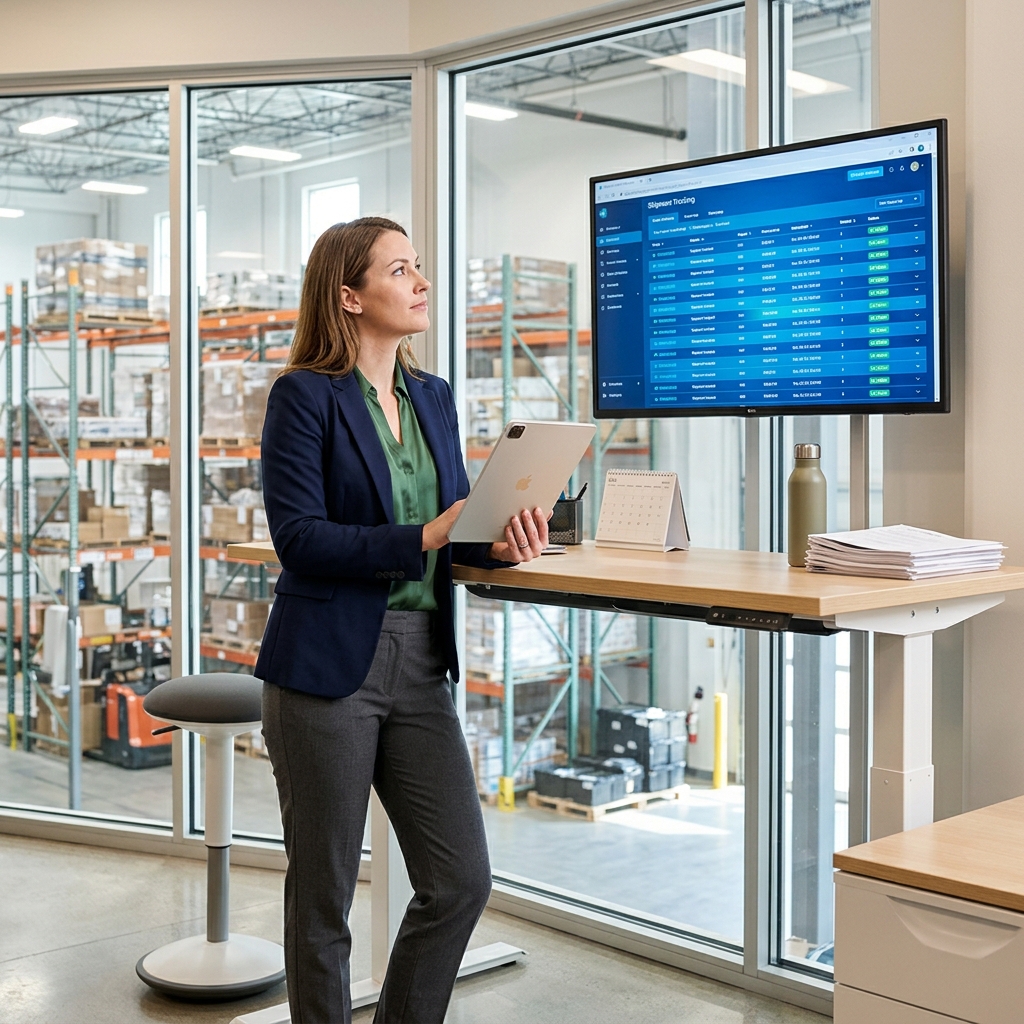
Most logistics teams at SMBs operate reactively. A customer calls asking where their order is, and the response involves checking emails, calling the carrier, and waiting on hold. This cycle repeats dozens of times a week, consuming hours that could be spent on strategic work. Supply chain visibility eliminates this pattern by centralizing shipment data into a single, accessible dashboard that updates continuously as freight moves through each stage of transit.
The Core Components of Real-Time Shipment Tracking
Real-time shipment tracking is not a single feature. It is a combination of technologies and workflows that work together to give logistics managers a complete, current picture of every active shipment. When these components are integrated into a modern shipping platform, the result is a system that eliminates the need for manual status checks entirely. According to research on supply chain visibility, organizations with mature visibility capabilities experience fewer disruptions and significantly lower expediting costs.
- GPS and EDI Integration: Carrier location data and electronic status messages feed directly into dashboards, providing accurate ETAs without requiring phone calls.
- Automated Alerts: Email or in-platform notifications trigger at key milestones such as dispatch, pickup confirmation, and delivery completion, keeping all stakeholders informed passively.
- Exception Management: When a shipment deviates from its expected timeline, the system flags it immediately so teams can intervene before the delay compounds.
- Centralized Communication: In-platform messaging between shippers and carrier dispatch teams creates a documented thread tied to each shipment, replacing scattered emails and voicemails.
Why Lack of Visibility Drives Up Costs
When logistics teams cannot see what is happening in transit, they default to the most expensive response: expedited shipping, overtime labor at receiving docks, and emergency carrier bookings at premium rates. A single missed delivery window can cascade into warehouse scheduling conflicts, production delays, and lost sales. The connection between poor visibility and expensive decisions is well documented across Canadian freight operations, particularly for businesses managing multiple LTL shipments per week.
Beyond direct costs, there is a less visible toll on team productivity. When a logistics coordinator spends 30 minutes tracking down the status of a single shipment, that time multiplied across dozens of active loads per week represents a significant operational drain. Visibility tools reclaim those hours by making status information self-service, available to anyone with dashboard access at any time.

How Freight Visibility Transforms Reactive Operations
Visibility is the foundation, but predictability is the goal. Knowing where a shipment is today is valuable. Knowing with confidence where it will be tomorrow is transformative. Building that level of predictability requires combining real-time data with historical performance patterns, carrier reliability metrics, and proactive exception handling. For businesses in Ontario and Quebec, where corridor congestion and seasonal volume spikes create regular disruption, this capability directly impacts the ability to meet customer commitments.
Leveraging Data for Smarter Carrier Selection
One of the most practical applications of freight visibility is improving how businesses choose carriers. When every shipment generates tracking data and performance records, patterns emerge. You can see which carriers consistently meet their ETAs on specific lanes, which ones struggle during peak periods, and which offer the best balance of cost and reliability for your particular freight profile.
A carrier management platform that aggregates this data makes comparison straightforward. Instead of relying on a single broker's recommendation or defaulting to the same carrier out of habit, logistics teams can make evidence-based decisions. Truxweb enables this by letting shippers compare rates, transit times, and satisfaction ratings side by side before confirming a booking, turning carrier selection from a gamble into a data-driven process. This approach to digital freight platforms is especially valuable for SMBs that lack the volume leverage to negotiate enterprise-level contracts but still need reliable service. Research published on the impact of real-time freight tracking on delivery performance confirms that data-driven coordination between shippers and carriers reduces late deliveries and improves overall supply chain efficiency.
From Automated Quotes to End-to-End Control
Predictability does not start at pickup. It starts at the moment a shipment is quoted. Traditional freight booking, where quotes arrive hours or days later via email, introduces uncertainty from the very first step. If a quote is outdated by the time it is reviewed, the rate may no longer be valid, the carrier may no longer have capacity, and the shipper is back to square one.
Automated shipping quotes eliminate this gap. When a business can request and receive competitive rates within minutes, they lock in pricing and capacity while conditions are current. This is where end-to-end freight visibility becomes a tangible operational advantage: you control the shipment from quote to delivery, with every stage documented and trackable. The shift from digital freight to phone booking is not just about speed. It is about creating a continuous data record that feeds back into better planning for future shipments. As supply chain visibility frameworks emphasize, the value compounds over time as historical data improves forecasting accuracy and exception handling.
Predictability at Every Stage of the Shipment Lifecycle
The real advantage of freight visibility is not limited to tracking. It extends across the entire shipment lifecycle, from quote generation and booking to in-transit monitoring and final delivery confirmation. When each stage is visible, teams can anticipate problems before they affect customers, allocate resources more efficiently, and build reliable service levels that customers can count on. For SMBs operating in competitive Ontario and Quebec markets, that kind of consistency becomes a practical business advantage rather than just an operational improvement.
By combining automated quotes, centralized communication, and real-time status updates, logistics teams gain the ability to plan around what is happening now instead of waiting to respond after the fact. That shift improves internal coordination, reduces administrative overhead, and creates a stronger foundation for growth as shipment volumes increase.
Conclusion
Freight visibility is not a nice-to-have feature for Canadian SMBs managing LTL shipments. It is the mechanism that converts chaotic, reactive logistics into a predictable, controlled operation. By investing in tools that provide real-time tracking, automated alerts, and data-driven carrier selection, businesses in Ontario and Quebec can reduce costs, move more shipments without delays, and deliver on promises to their customers consistently. The technology exists today, and the businesses adopting it are the ones pulling ahead in an increasingly competitive market. Truxweb's digital freight platform gives SMBs the logistics management visibility they need without adding complexity or brokering fees to the equation.
Start comparing carrier rates and tracking shipments in real time. Get started with Truxweb today.
Frequently Asked Questions (FAQs)
Why is supply chain visibility important?
Supply chain visibility is important because it allows businesses to identify delays, manage exceptions proactively, and make informed decisions that reduce costs and improve delivery reliability.
How does real-time shipment tracking work?
Real-time shipment tracking works by combining GPS location data, EDI status messages, and automated platform alerts to give shippers a continuously updated view of each shipment's position and estimated arrival time.
What is freight visibility in logistics?
Freight visibility in logistics refers to the ability to monitor the status, location, and condition of shipments at every stage from pickup to final delivery using digital tracking tools.
How can I improve supply chain predictability?
You can improve supply chain predictability by adopting a digital platform that provides real-time tracking, automated alerts, historical carrier performance data, and centralized communication with dispatch teams.
Is digital freight booking better than traditional methods?
Digital freight booking is faster, more transparent, and generates data records that improve future planning, making it a significant upgrade over traditional phone and email-based methods for most SMBs.