
Shipping to a 3PL Warehouse in Quebec: How LTL Fits Fulfilment
A breakdown of how inbound pallet deliveries and outbound LTL shipments work together inside a Quebec-based 3PL warehouse.
By Mathieu van Gent · 7 min read ·

Quick Answer
Shipping to a 3PL warehouse in Quebec requires separate planning for inbound pallet delivery and outbound customer orders. Prepare dock-ready, clearly labeled pallets for the receiving appointment, then use parcel for individual small orders and LTL when consolidated outbound freight needs a carrier pickup.
Introduction
A 3PL does not remove freight decisions. It changes where those decisions occur. For Quebec brands, a Montreal or Laval warehouse can reduce the distance between supplier, importer, and receiving dock, but an unbooked appointment, incomplete paperwork, or mismatched labels can still stop a load at the door. The handoff succeeds only when the shipper, 3PL, and carrier work from the same shipment details.
Key Takeaways
- Book the receiving appointment before dispatching inbound pallets.
- Match every pallet label and document to the 3PL receiving reference.
- Use LTL for consolidated pallet freight and parcel for individual small shipments.

How 3PL Receiving Works for Inbound Pallet Freight
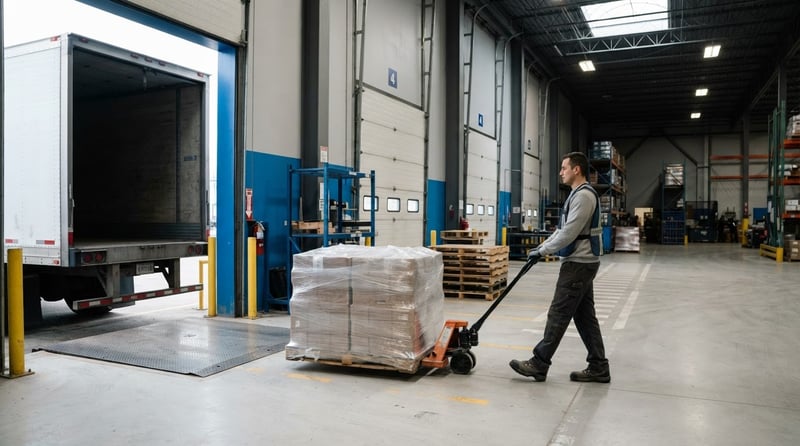
The inbound leg begins before a carrier is booked. Use warehouse shipping practices to standardize the shipment information shared with the receiving team. Your 3PL needs enough shipment detail to reserve receiving capacity, identify the inventory, and accept the pallets without manual investigation. In practice, freight arrives at a controlled dock, where warehouse staff verify it and receive it into inventory.
Build a dock-ready receiving file
Send the 3PL the purchase order, product details, pallet count, dimensions, weight, carrier name, and expected arrival before pickup. Confirm its delivery address, receiving contact, accepted equipment, and appointment process. Confirm appointment scheduling, pallet labels, and receiving documentation directly with your 3PL before dispatch, since requirements vary by facility.
- Appointment reference: Put it on the bill of lading and carrier instructions.[1]
- Pallet labels: Identify consignee, purchase order, SKU, and pallet sequence.
- Count accuracy: Match carton, pallet, and document counts before pickup.
- Secure freight: Wrap and protect pallets for cross-dock handling.
Prevent the receiving mistakes that create delays
A driver arriving outside the booked window may wait, be refused, or trigger additional handling charges. Use shipping label management to create a repeatable check before dispatch, and make sure LTL shipping labels are visible on each pallet rather than buried under stretch wrap. The bill of lading should describe the same piece count and shipment references your 3PL received in advance.
Why Montreal and Laval 3PL Clusters Matter
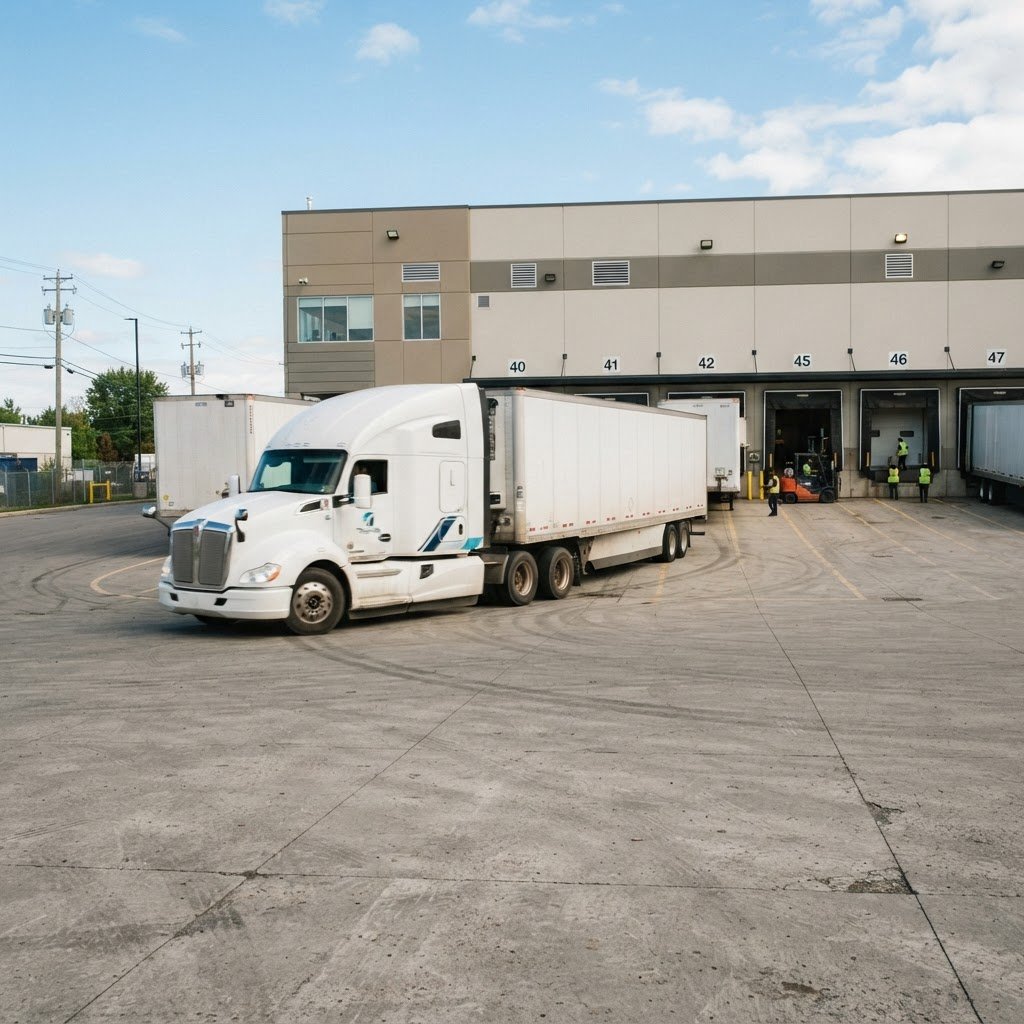
Montreal businesses using 3PL logistics services benefit from regional density: suppliers, importers, carriers, and warehouse docks operate close to the same freight corridors. Shorter inbound lanes can give dispatchers more flexibility when production finishes late or a carrier needs to move an appointment, while a distant warehouse adds more linehaul exposure before receiving.
Choose the lane before choosing the carrier
Start with the actual origin-to-dock route, not only the quoted freight price. Regional logistics and trucking capacity vary by pickup day, terminal routing, equipment needs, and the delivery appointment. A Quebec manufacturer shipping into Laval may need a different service pattern than an importer releasing freight near Montreal, even when both use the same 3PL.
When the warehouse has a dock, confirm the carrier can complete a standard dock delivery. If the delivery point lacks compatible equipment, review dock delivery requirements before booking, because accessorial services can change both the carrier assignment and shipment cost.
Keep freight visibility with the shipper
Outsourcing storage does not mean outsourcing accountability for inbound freight. The shipper should track pickup confirmation, appointment status, exceptions, and proof of delivery, then reconcile the 3PL’s receiving record against the original shipment.[2] Truxweb gives Quebec and Ontario SMEs a way to compare carrier quotes, transit times, ratings, and booking fees for pallet moves while staying directly connected to the carrier.
Outbound Fulfillment: LTL vs Parcel Shipping
Once the 3PL picks and packs an order, the shipping method should match the shipment’s physical profile and delivery requirement. Parcel networks are designed for separately handled cartons, while LTL freight consolidates palletized shipments with other freight moving through carrier terminals.
Use shipment structure to select the mode
The most useful decision point is whether the order can move as individual parcels without excessive handling or whether it should remain consolidated on pallets. LTL is often appropriate for business deliveries, replenishment orders, and multi-carton shipments that need dock-to-dock transportation, while parcel remains practical for smaller direct-to-consumer orders.
The comparison below separates operational factors rather than relying on a fixed pallet threshold, since weight, dimensions, destination access, delivery urgency, and carrier capacity all affect the result.
| Decision factor | Parcel | LTL |
|---|---|---|
| Shipment form | Individually handled cartons | Consolidated pallet freight |
| Typical delivery point | Residential or small commercial address | Commercial dock or scheduled receiving site |
| Handling path | Each package moves separately | Pallet remains unitized through transit |
| Planning requirement | Label and tender each package | Confirm class, dimensions, access, and appointment |
The core tradeoff is handling. If the 3PL can keep an outbound order secure as palletized freight, LTL can reduce individual-package handling; if the order must be split into many small deliveries, parcel may fit the final-mile requirement better.
Compare LTL costs without treating rate as the only variable
When comparing LTL versus parcel shipping, evaluate the total service definition: pickup access, delivery access, transit expectation, and applicable extra services. Rates for the same shipment can vary meaningfully between carriers serving the same lane, and liftgate or similar requested services add to the total cost. Comparing multiple carrier quotes side by side, rather than booking the first one offered, is the most reliable way to control these costs.
For shipments of one to eight pallets, direct-to-carrier freight shipping helps identify lane-specific options instead of relying on a single default carrier. For broader rate context, the Canadian General Freight Index is published monthly using a statistically valid sample from a database representing more than $750M in annual freight transactions; its reported July results showed total ground transportation costs down 0.91% from June and base rates down 1.35%.[3] Truxweb’s LTL shipping marketplace lets a shipper send one request to carriers serving the lane, then compare quoted rates and transit details before the 3PL releases freight.
Conclusion
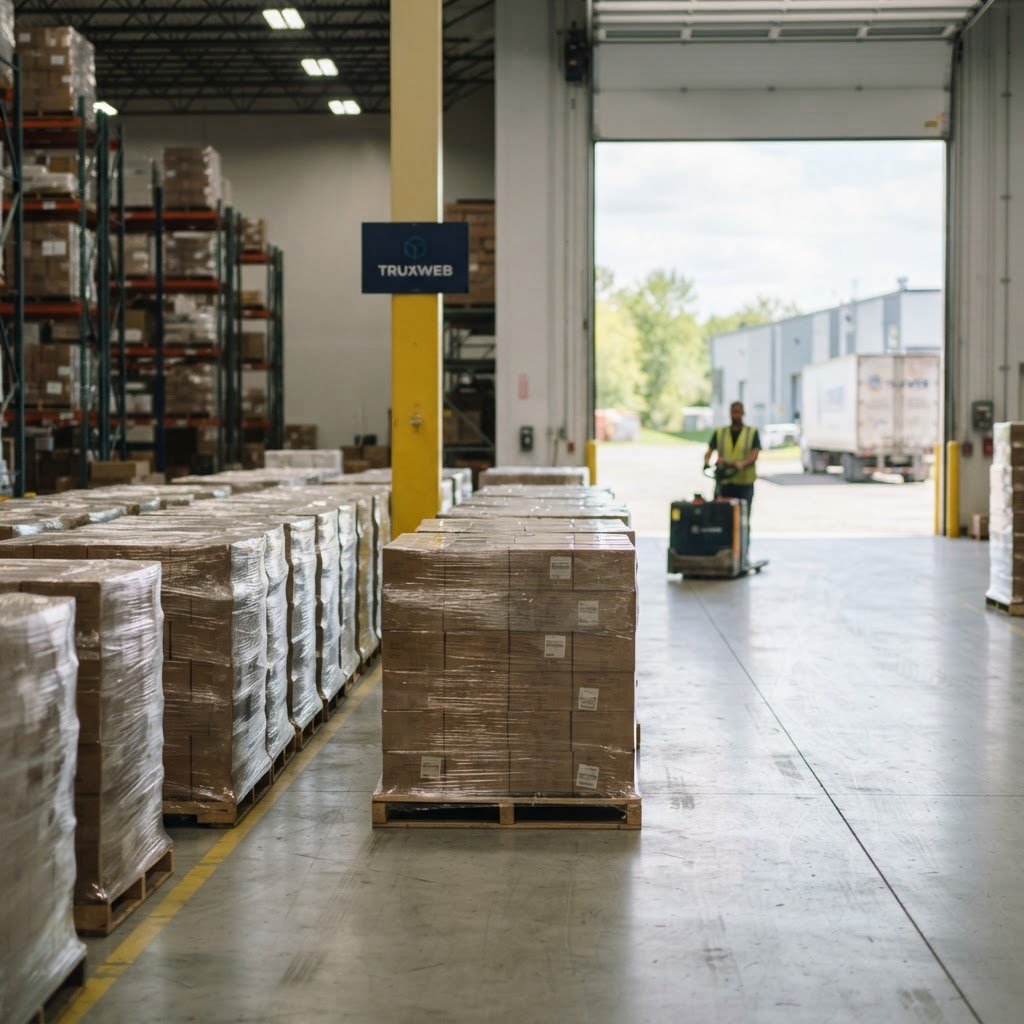
Reliable 3PL freight starts with a receiving appointment, accurate labels, and dock-ready pallets on the inbound leg. On the outbound leg, select parcel when orders need separate package delivery and LTL when the shipment should remain consolidated as pallet freight. Montreal and Laval warehouse clusters can make inbound scheduling more responsive, but carrier selection and shipment details still control the outcome. For SMEs moving palletized freight into or out of Quebec fulfillment operations, Truxweb is a practical choice for comparing direct carrier options before booking.
Need a clearer view of your next pallet shipment? Compare carrier options with Truxweb for your lane.
Frequently Asked Questions (FAQs)
How does shipping to a 3PL warehouse in Quebec work?
Shipping to a 3PL warehouse in Quebec works by sending the warehouse shipment details first, booking its receiving appointment, tendering dock-ready freight to a carrier, and reconciling delivery confirmation with the 3PL’s inventory receipt.
What is a 3PL and how does it work?
A 3PL is a third-party logistics provider that receives inventory, stores it, picks ordered products, packs shipments, and coordinates outbound handoffs, while the brand remains responsible for providing correct product and shipment information.
When should I use LTL instead of parcel for outbound fulfillment orders?
Use LTL instead of parcel for outbound fulfillment orders when cartons can remain consolidated on pallets for a commercial delivery, because the carrier can transport the shipment as a freight unit rather than handle each package separately.
How can I reduce shipping costs for 1-8 pallets?
You can reduce shipping costs for 1-8 pallets by providing exact dimensions, weights, pickup and delivery access details, consolidating compatible freight, and comparing carrier-specific quotes instead of accepting the first available rate.
What are the benefits of direct-to-carrier shipping?
The benefits of direct-to-carrier shipping include clearer access to carrier rates, transit details, and operational communication, which helps shippers identify the service that matches a booked dock appointment and shipment profile.
Sources
- Bill of Lading — Cornell Law School LII ↩
- What is Proof of Delivery (POD)? — Defense Logistics Agency ↩
- Canadian General Freight Index Results — cgfi.ca ↩
About the author

 Ship Pallets Ottawa to Quebec City: LTL Rate Guide 2026
 Shipping from California to Quebec: An Importer's Guide