

Quick Answer
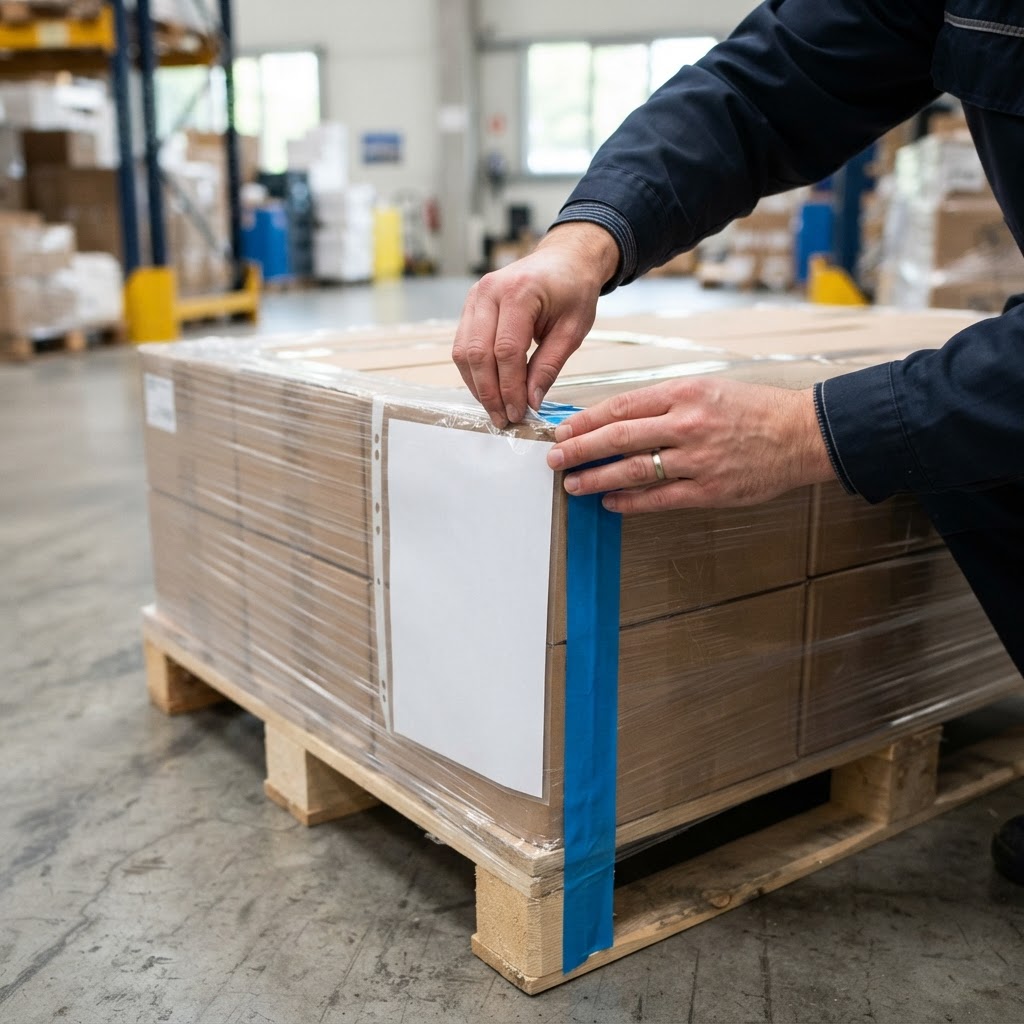
In most LTL freight transactions, the shipper is responsible for generating, printing, and securely applying shipping labels before pickup. A carrier may supply label requirements or documents through its booking system, but it cannot reliably identify freight that is not marked at the shipper's dock.
Introduction
For LTL shipping, labels are the operational link between a pallet, its bill of lading, and its delivery destination. Shippers should prepare labels as part of the booking workflow, while carriers use them to scan, sort, transfer, and deliver freight through their terminal network. A broker or marketplace can streamline document creation, but the shipper still needs to confirm that every pallet carries the correct information. One incorrect consignee address can send freight into a terminal exception process instead of onto the next trailer.
Key Takeaways:
Shippers normally print and apply a label to every pallet before pickup.
Each label must match the bill of lading and booking details exactly.
Digital booking tools reduce manual entry, but dock verification remains essential.
Who Owns the LTL Freight Shipping Label Task?
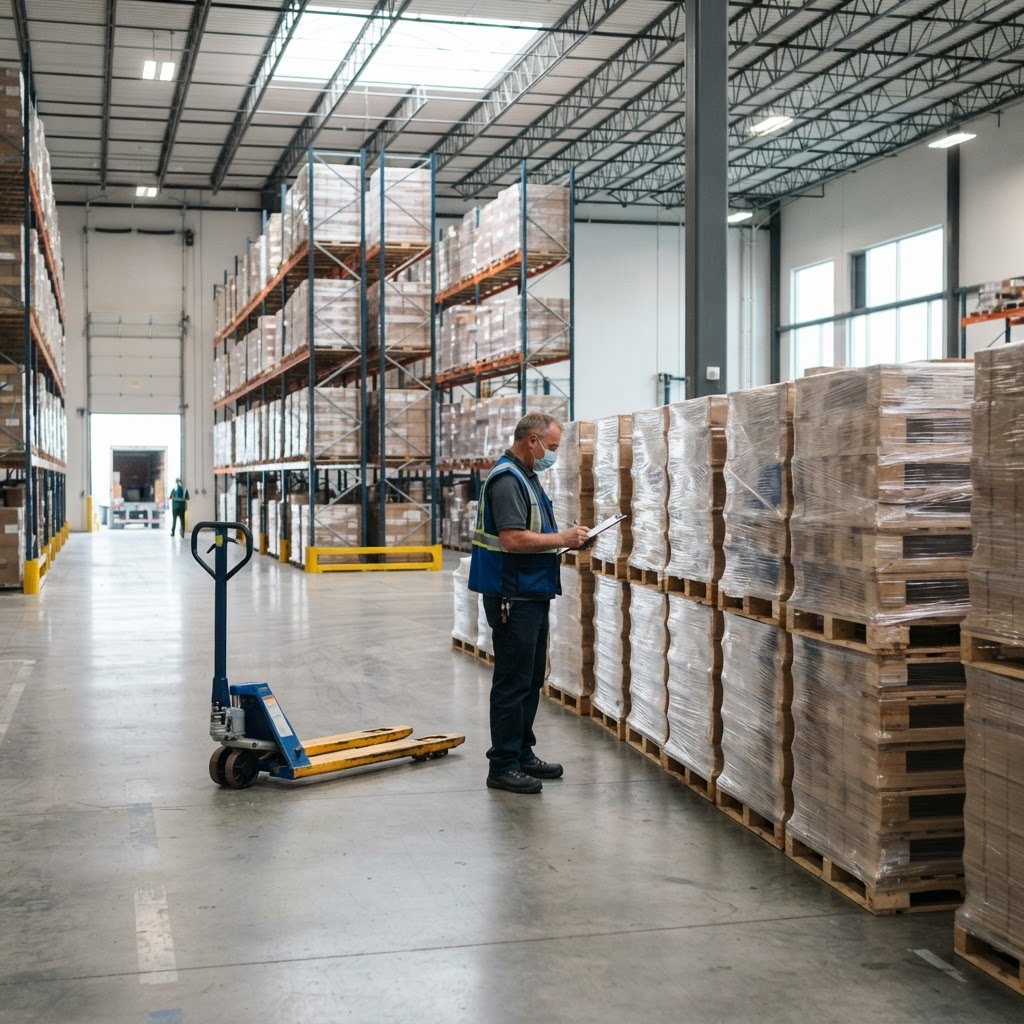
The shipper owns label accuracy because the shipper knows what is being tendered, where it is going, and which purchase order or customer reference must travel with it. In a standard booking process for LTL freight, the carrier provides pickup instructions and a shipment reference, while the shipper prepares freight so the driver can collect it without sorting out missing details at the dock.
Assign clear responsibilities before pickup
Responsibility can be shared operationally, but it should never be ambiguous. The warehouse team applies labels, the logistics manager validates booking data, and the carrier confirms pickup when freight is ready. For small businesses shipping LTL freight, a brief final check prevents the common problem of a correct bill of lading paired with freight labeled for a different order.
Shipper: Creates accurate shipment data and applies labels.
Warehouse: Places labels where scanners can read them.
Carrier: Scans freight and moves it through terminals.
Broker: May create documents, but cannot inspect every pallet.
Receiver: Confirms freight against delivery paperwork.
Why the bill of lading must match every label
A label is not a substitute for a Canadian bill of lading, but the two documents must agree on shipper, consignee, pallet count, references, and handling details. If freight class, dimensions, or weight are entered incorrectly, the carrier may reclassify the shipment and issue a billing adjustment, which is why determining freight class belongs in the pre-pickup review.
What Is Included in a Freight Shipping Label?
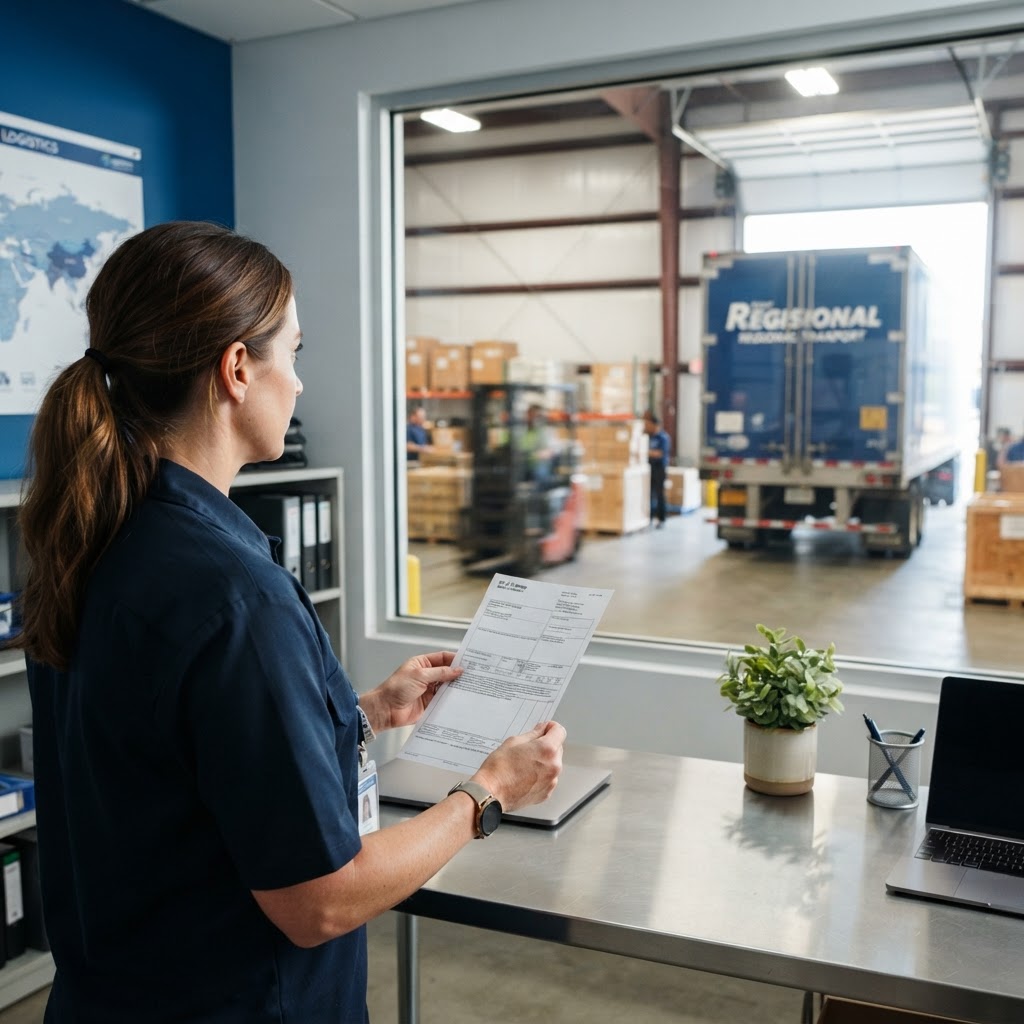
A compliant freight label gives a dockworker enough information to connect one handling unit to one booked shipment without opening the pallet. Include the carrier or booking reference, shipper name and address, consignee name and address, destination postal or ZIP code, pallet sequence, and relevant purchase order or customer reference. The required information also depends on the commodity, especially when handling instructions or dangerous-goods marks apply.
Build labels for terminal handling, not office filing
Print shipping labels for freight in a readable format, place one on at least two visible sides of each pallet, and protect them from moisture or abrasion with a clear pouch or durable covering. Avoid wrapping labels across carton seams, placing them beneath stretch wrap, or attaching only one label to a multi-pallet shipment, because each pallet can be separated during terminal handling.
Use the shipment reference consistently across the label, bill of lading, and internal order records. A complete LTL documentation checklist also helps teams catch missing commercial invoices, customs paperwork, and delivery contacts before a cross-border pickup.
Mark exceptions before they become claims
Special handling statements should describe real requirements, such as “Do Not Stack” or “Keep Upright,” and should be supported by packaging that can withstand the stated handling need. Do not use vague notes as a substitute for correct packaging, dimensions, or a declared service requirement, because carrier billing is tied to the freight actually tendered and the freight class and billing information supplied at booking.
Automated Shipping Label Generation Versus Manual Coordination
Manual coordination can work for occasional freight, but it creates more opportunities to copy an old address, use an expired reference, or send the wrong document version to the warehouse. An LTL shipping marketplace centralizes booking details so the same data can support labels, bills of lading, carrier communication, and tracking updates.
Choose a workflow that keeps the shipper in control
When businesses ship freight without a broker, they need direct access to carrier requirements and a clear audit trail for every booking change. Truxweb lets SME shippers compare carrier quotes, transit times, ratings, and booking fees before confirming a shipment, then manage activity from a single shipping dashboard.
The comparison below shows how responsibility changes by booking method. Available pricing and exact feature sets vary by provider and lane, so the practical distinction is whether shipment information stays accessible to the shipper throughout the transaction.
Booking method | Who enters shipment data? | Label workflow | Operational visibility |
|---|---|---|---|
Direct carrier booking | Shipper | Shipper uses carrier instructions | Carrier-specific portal or communication |
Traditional broker | Shipper provides details to broker | Broker may prepare documents | Updates often pass through broker |
Direct carrier marketplace | Shipper enters booking details | Centralized document workflow | Carrier options and shipment data remain visible |
For recurring commercial pallet shipments in Canada, the strongest process is the one that prevents rekeying and gives the warehouse the final approved document set before the truck arrives.
Use the dashboard as a final control point
A digital logistics management dashboard is useful when it records the booking reference, pickup status, and delivery progress in one place. Truxweb also provides dispatch, pickup, and delivery alerts, which gives a logistics manager a practical cue to verify that the label and paperwork issued to the dock match the live booking.
Cross-Border and Dangerous-Goods Labeling Require Extra Review
Shipping freight from Ontario to the USA requires more than a domestic destination label because the freight record must align with customs documentation and the consignee's U.S. delivery details. Before pickup, confirm the legal exporter, importer information, commodity description, and document package with the parties responsible for clearance, since a carrier label does not replace customs documents.
Separate ordinary freight labels from dangerous-goods marks
Dangerous-goods requirements are different from routine routing labels. Before loading, the consignor or importer must ensure appropriate safety marks are used when the goods are regulated and not exempt. Required labels or placards depend on the dangerous-goods classification and the containment size; a small means of containment is 450 L or less, while a large means of containment is 450 L or more, as outlined in dangerous-goods safety marks.
Anyone handling, shipping, transporting, or receiving dangerous goods by road must comply with the TDG Regulations, and employees need training before handling those goods, according to the TDG Regulations overview. A first offence can carry a penalty of up to $50,000, while subsequent offences can reach $100,000, and indictable offences can involve up to two years of imprisonment.
Keep transport documents with the regulated shipment
For dangerous goods, the consignor must give the carrier a shipping document before allowing it to take possession, unless the carrier agrees to an electronic copy; the document information must be legible, indelible, easy to identify, and in English or French under the dangerous-goods shipping document rules. A carrier that accepts an electronic copy must produce a shipping document from it before taking possession. Treat this as a separate compliance check, not as an add-on to ordinary freight label printing solutions.
Conclusion
Shippers should treat labels as a pre-pickup control, not a task to leave for the driver or carrier terminal. Generate the booking record, verify the bill of lading, label every pallet clearly, and give the warehouse the final documents before freight moves to the dock. For Canada-U.S. or regulated shipments, review customs and TDG obligations separately from normal routing information. A direct-to-carrier workflow can reduce administrative friction, but responsibility for accurate freight tendering remains with the shipper.
Need a clearer freight workflow? Explore Truxweb's LTL booking platform and keep shipment details accessible from quote to delivery.
Frequently Asked Questions (FAQs)
How to print shipping labels for LTL freight?
To print shipping labels for LTL freight, create the approved booking and bill of lading first, then print a readable label for each pallet showing the shipper, consignee, destination, carrier reference, and pallet sequence before the carrier arrives.
Which details belong on an LTL freight shipping label?
A freight shipping label includes the shipment identification needed for handling, including shipper and consignee details, destination postal or ZIP code, carrier or booking number, pallet count, and applicable customer references or handling instructions.
Who is responsible for shipping labels in LTL freight?
The shipper is usually responsible for shipping labels in LTL freight because the shipper controls the commodity, address, references, and pallet count, while the carrier relies on those details to scan and route freight through its network.
How to automate shipping labels for logistics?
To automate shipping labels for logistics, use a booking workflow that carries approved shipment data into documents and warehouse instructions, then require a final human check whenever the address, pallet count, commodity, or delivery requirements change.
Why use an LTL freight marketplace over a broker?
Whether to use an LTL freight marketplace over a broker depends on whether direct carrier comparison and booking visibility matter to your operation, because a marketplace can keep quote, carrier, document, and tracking information available without relying on email chains.
What documentation do I need for cross-border shipping?
The documentation needed for cross-border shipping depends on the goods and transaction, but freight should be matched to the commercial invoice, bill of lading, customs data, consignee details, and any required regulated-goods transport documents before pickup.
About the Author
Sarah Bennett is a Cross-Border Trade & Customs Specialist focused on customs clearance, freight compliance, and Canada-U.S. freight between Quebec, Ontario, and key U.S. markets. Her work translates border and transport requirements into practical shipping controls that logistics teams can apply before freight leaves the dock.