Ship LTL Freight to Amazon Fulfillment Centers
Shipping LTL freight to Amazon fulfillment centers? Discover how Canadian SMEs book smarter, avoid rejections, and keep inventory flowing smoothly.
By Max Gravel · 7 min read ·

Quick Answer#
To ship LTL freight to an Amazon fulfillment center from Canada, build the shipment in Seller Central, prepare Amazon-compliant pallets and labels, book a carrier that can meet the delivery appointment, and complete cross-border documents before pickup. The carrier moves the freight, but the seller remains responsible for accurate shipment data, customs readiness, and Amazon receiving compliance.
Introduction#
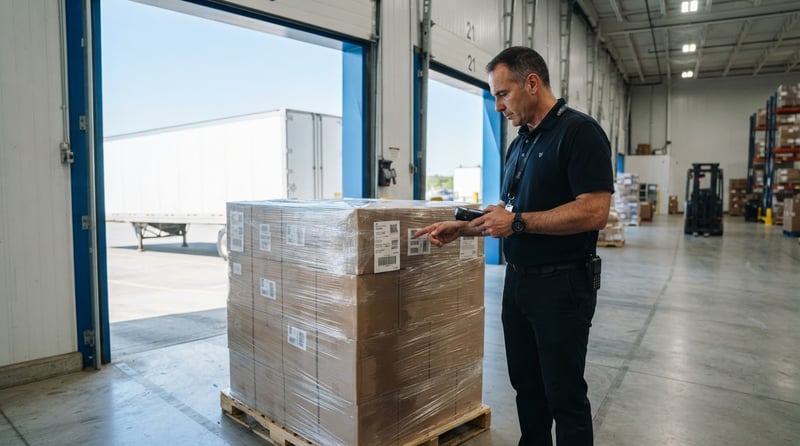
Amazon FBA inbound freight is not a standard dock delivery: a truck arriving without a confirmed appointment, scannable labels, or acceptable pallets can be delayed, refused, or reworked. Canadian sellers using LTL shipping need to coordinate Seller Central instructions, carrier requirements, and customs paperwork as one operating process. This matters most when inventory is moving from Quebec or Ontario into U.S. fulfillment centers, where border clearance and appointment timing are tightly connected. A preventable exception at any handoff can leave saleable inventory outside Amazon’s network.
Key Takeaways:
Build the Amazon shipment before requesting carrier pricing.
Use pallet labels, shipment references, and appointment details consistently.
Clear customs before freight reaches the border crossing.
Prepare LTL shipping for Amazon before booking#
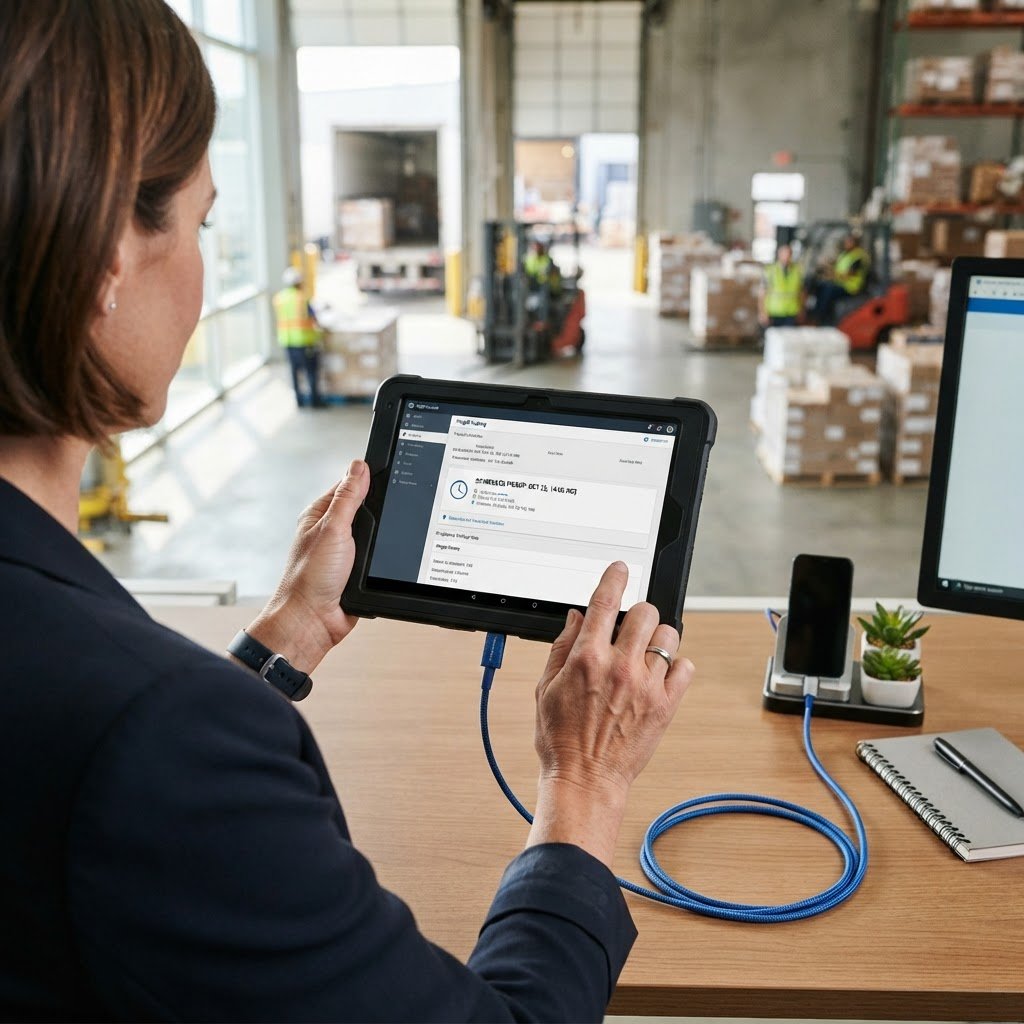
Start with Amazon’s inbound workflow, not a carrier quote. In Seller Central, create the shipment, confirm the assigned fulfillment center, enter carton and pallet details accurately, and retain the shipment references that the carrier and receiving dock will need. This sequence makes less than truckload freight measurable: the rate request reflects the actual pallets, accessorial needs, destination, and delivery constraints.
Create a complete shipment record#
Amazon’s receiving operation relies on the shipment data matching the freight that arrives. Print and apply the required labels only after confirming the final carton count, pallet count, dimensions, and routing instructions. A careful LTL shipping labels review prevents a common failure: freight labels that identify the carrier move get confused with Amazon labels that identify the inventory, so barcodes cannot be scanned.
Shipment ID: Match it across Amazon records and carrier instructions.
Pallet count: Quote the exact number tendered for pickup.
Dimensions: Measure wrapped pallets after preparation.
Labels: Keep every barcode visible after stretch wrapping.
Pickup readiness: Confirm dock access and loading equipment.
Build pallets for handling and receiving#
Use stable pallets with freight fully contained inside the pallet footprint, then secure cartons so normal terminal handling does not shift the load. A practical packaging requirements checklist should also confirm that labels remain accessible and that pallet height and weight follow the fulfillment center’s specific instructions. Center-specific weight limits and height restrictions can trigger refusal or rework when the physical load does not match the booking.
Do not rely on a general carrier rule when Amazon’s destination requirements are more restrictive. Some carriers publish their own dimensional limits, but the fulfillment center’s requirements control the final delivery acceptance decision.
Book LTL freight and protect the Amazon appointment#
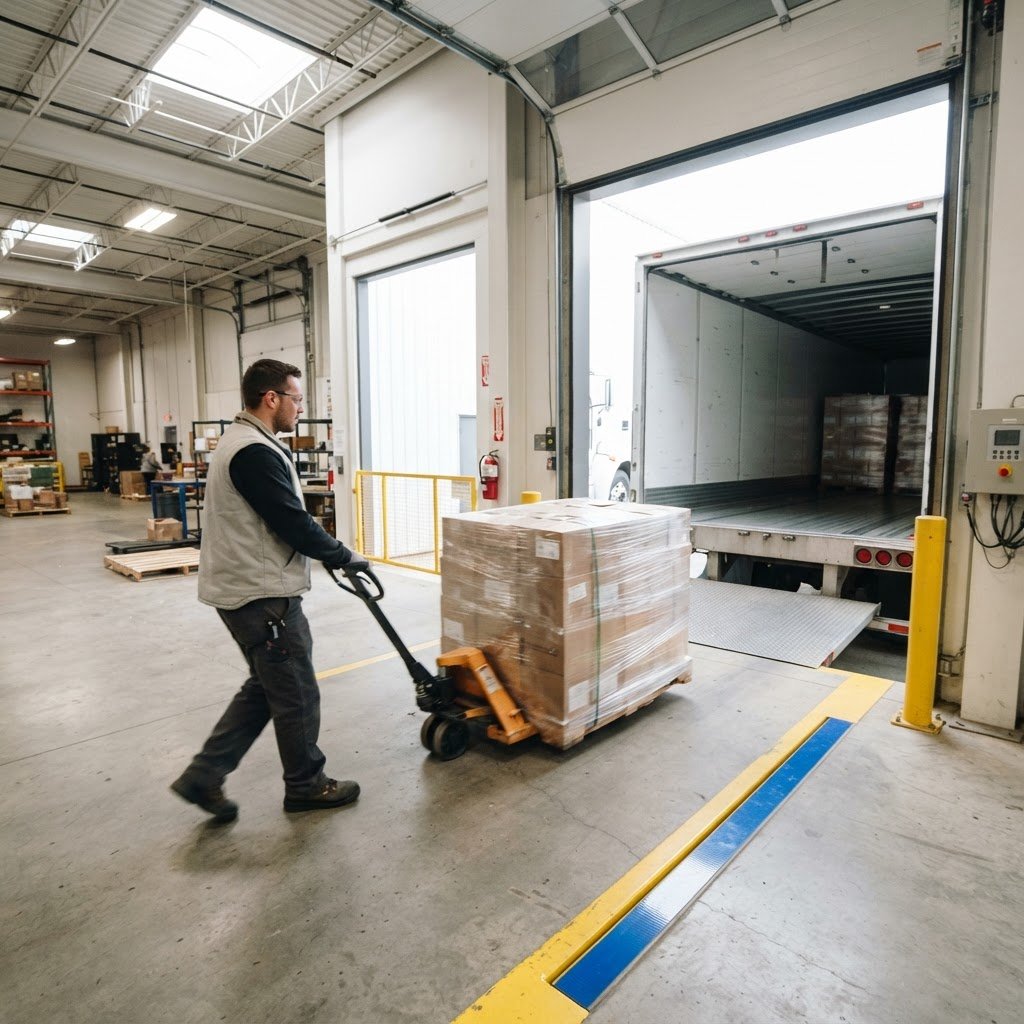
Book only after the Amazon shipment is complete and the destination details are verified. LTL logistics for growing brands works best when the pickup date leaves room for customs processing, linehaul movement, and the carrier’s appointment process rather than treating the requested delivery date as a guaranteed dock slot.
Compare direct carrier access with broker-based booking#
Both booking models can arrange pickup, but the operational visibility differs. A direct-to-carrier marketplace can give the seller a clearer view of competing carrier responses and booking fees, while a traditional broker generally manages carrier communication on the shipper’s behalf.
Booking factor | Direct-to-carrier marketplace | Traditional freight broker |
|---|---|---|
Rate comparison | Multiple carrier responses can be compared in one request. | Quote presentation depends on the broker’s process. |
Carrier details | Carrier rating and transit information can be viewed before booking. | Carrier selection is managed through the broker. |
Booking fees | Fees can be shown at booking. | Fee structure may be custom or undisclosed. |
Appointment coordination | Carrier must still secure Amazon’s delivery appointment. | Broker coordinates with the selected carrier. |
The important distinction is control, not a shortcut around Amazon rules. Through Truxweb, shippers can compare carrier quotes, transit times, ratings, and detailed booking fees before confirming a pallet shipment, while the carrier remains responsible for performing the scheduled move.
Give the carrier appointment-ready instructions#
When you book LTL freight, provide the fulfillment center address, Amazon shipment reference, pallet specifications, contact details, and any delivery instructions immediately. Amazon-bound carriers must arrange dock appointments in advance through its carrier portals or approved booking tools, so a delivery window is not the same thing as a confirmed appointment. Carrier delivery appointments should be confirmed before the freight reaches the destination terminal. Detention time, DC rework, oversized pallets, and missed appointment penalties are major cost drivers for Amazon LTL shipments.
Manage cross-border LTL documentation and delivery exceptions#
To ship freight from Canada to the USA, treat customs information as part of the load file, not an administrative task after pickup. Every year, over $750 billion USD in imports and exports move between Canada and the United States, and 68% of that cross-border freight moves by truck, according to Coyote Logistics. The commercial documents must describe the goods, parties, value, origin information where applicable, and shipment details consistently enough for the border process and Amazon receiving record to align.
Complete customs documents before tendering freight#
Prepare the commercial invoice and any documents required for the goods and border transaction, then ensure the carrier or customs representative receives them before the shipment reaches the crossing. A complete shipping documentation checklist reduces discrepancies between pallet freight, invoice values, and customs declarations. For no-charge samples or demonstrations, the shipment must still show its retail value. Although shippers can clear a shipment themselves, Coyote Logistics notes that a customs broker can help avoid penalties and costly delays.
Documentation should be complete enough that the receiving retailer can unload rather than resolve missing trade paperwork. For Canada-bound imports, the Canada Border Services Agency lists required import documents; for Canada-to-U.S. moves, confirm the applicable U.S. import requirements with the customs representative before tendering freight. Review the customs clearance requirements as part of the pre-tender check.
Respond quickly when freight is in transit#
Monitor dispatch, pickup, border movement, appointment status, and proof of delivery, then resolve exceptions before they become terminal delays. Truxweb provides automated email alerts for dispatch, pickup, and delivery, plus in-platform carrier dispatch chat, to support real-time tracking for SMEs managing Amazon replenishment. If the carrier reports a labeling issue, damaged wrap, customs hold, or appointment problem, confirm the correction in writing and retain the shipment record. Cross-border LTL freight between Canada and the U.S. typically arrives in 2 to 4 business days after customs clearance, according to Loyalty Logistics, though timing depends on the service level and crossing point.
Conclusion#
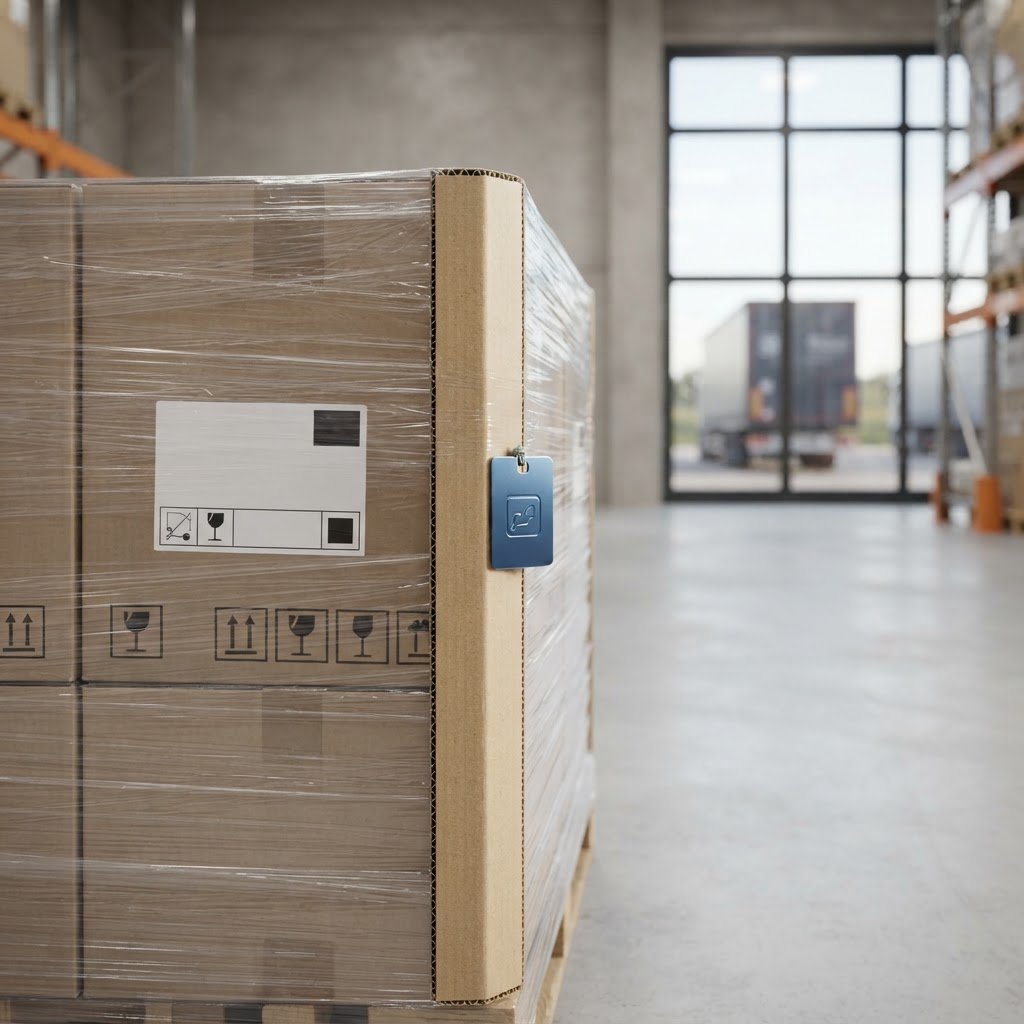
Amazon inbound LTL succeeds when the seller treats booking, pallet preparation, customs documents, and appointment confirmation as connected controls. Create the Amazon shipment first, tender accurate freight details, give the carrier the complete load file, and watch status until delivery is recorded. For Quebec and Ontario SMEs sending one to eight pallets, Truxweb is the practical choice when direct carrier comparison, transparent booking fees, and operational support are needed for Canada-U.S. freight. The final check is simple: the shipment record, pallet labels, customs documents, and appointment reference must all describe the same freight.
Ready to coordinate Amazon-bound pallet freight with clearer carrier options? Connect with Truxweb for direct LTL booking support.
Frequently Asked Questions (FAQs)#
What documents are required for cross-border LTL shipping?#
Cross-border LTL shipping requires commercial documentation that accurately identifies the shipper, consignee, goods, value, and shipment details, because customs processing depends on a consistent description of the freight and its commercial transaction before the carrier reaches the border.
How to get the cheapest LTL freight quotes?#
The cheapest LTL freight quotes usually come from submitting exact pallet dimensions, weight, origin, destination, and accessorial requirements to multiple carriers, because inaccurate specifications can lead to reclassification, rework, or additional handling charges after pickup. Loyalty Logistics states that shippers paying the lowest rates consolidate loads, avoid peak-season premiums, and match service levels to actual business needs rather than defaulting to expedited options that cost 20 to 40 percent more.
How long does it take to get an LTL freight quote?#
An LTL freight quote can be returned quickly when shipment information is complete, and Truxweb reports that 92% of carriers respond within 30 minutes during business hours, although response timing still depends on the lane and carrier availability.
Can small businesses book LTL freight without long-term contracts?#
Small businesses can book LTL freight without long-term contracts through platforms designed for individual shipments, and Truxweb states that its customers have no subscription lock-ins while paying for the freight they book through the marketplace.
How do you track an LTL freight shipment in real time?#
An LTL freight shipment can be tracked in real time by monitoring carrier dispatch and status updates, then contacting dispatch promptly when an exception appears, because an Amazon appointment issue or customs delay requires action before delivery is attempted.
Why is my LTL shipping cost so high?#
Your LTL shipping cost may be high because oversized pallets, inaccurate freight details, detention, terminal rework, missed appointments, or added cross-border handling can increase the carrier’s operational cost for the shipment.
About the author