
Partial Truckload vs LTL vs FTL: Which Fits Your Shipment?
Confused between FTL, LTL, and partial truckload shipping? Compare costs, speed, and pallet fit to choose the right option for your next shipment.
By Mathieu van Gent · 6 min read ·

Quick Answer#
Choose LTL freight shipping for smaller palletized loads, partial truckload shipping when your freight occupies meaningful trailer space and needs fewer transfers, and FTL shipping when one shipment can justify dedicated equipment. For Quebec and Ontario SMEs moving one to eight pallets, comparing all three modes before booking prevents class-based LTL charges or unused FTL capacity from inflating the final cost.

Introduction#
FTL vs LTL shipping is not simply a question of how many pallets you have. Freight class, density, lane, delivery requirements, handling risk, and pickup urgency can change the economical choice for the same shipment. LTL consolidates freight from several shippers, while partial and full truckload capacity typically moves with fewer freight transfers. A six-pallet shipment with fragile goods can create a very different operational decision than six durable, stackable pallets.
Key Takeaways:
LTL shares trailer capacity but usually involves terminal handling.
Partial truckload reduces handling without reserving an entire trailer.
FTL dedicates equipment when volume or control justifies it.
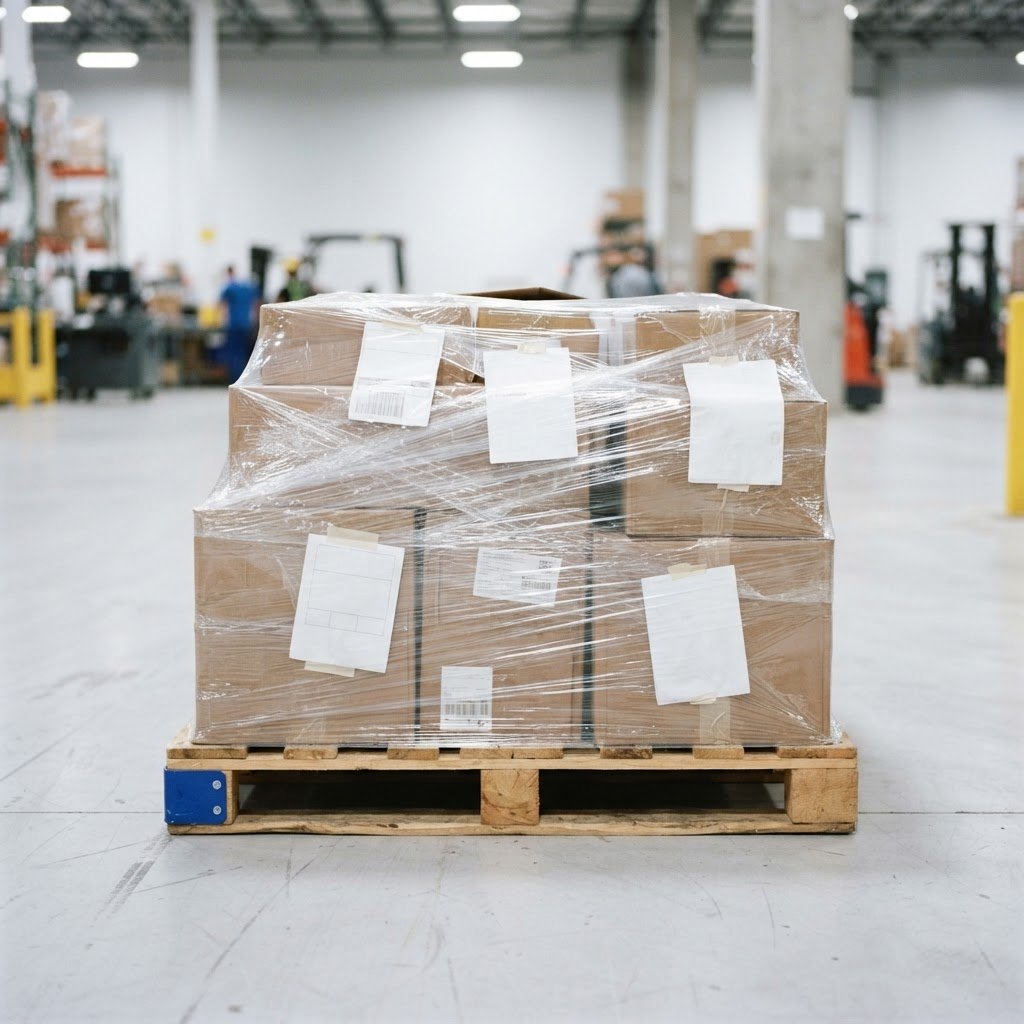
FTL Shipping: LTL and Partial Loads Compared#
The core difference is how trailer capacity and movement are purchased. LTL freight shipping prices shipments moving through a shared network based on shipment characteristics, whereas truckload options allocate vehicle space for a specific lane. Canadian businesses should treat truckload versus LTL as an operating decision, not just a rate-shopping exercise.
How each mode handles your freight#
FTL reserves a truck for one shipper’s load, partial truckload reserves only the space and weight required, and LTL combines multiple consignments that can move through terminals. Freight classification standards matter most in LTL because dimensions, density, and class influence the quote.
LTL: Shared capacity, often with terminal transfers.
Partial: Shared trailer space, usually fewer handling touches.
FTL: Dedicated trailer movement for one shipment.
Density: LTL pricing can change with freight characteristics.
Why pallet count alone can mislead#
One to eight standard skids commonly fit an LTL model, but the actual break point depends on lane, dimensions, density, and accessorial needs. SR Trucking states that once freight exceeds six pallets, class and density rules can push LTL pricing close to a partial-load quote, while partial pricing reflects the trailer space and weight actually used. Review LTL and FTL costs alongside handling requirements before deciding that a smaller load must travel LTL.

Truckload Shipping vs LTL Comparison for SME Shipments#
Look at the shipment's size and service risk first. Then request pricing. FTL shipping creates the most direct equipment assignment, while LTL may be appropriate when paying only for occupied capacity outweighs the extra handling involved. Across cross-border lanes, truck transport remains central because approximately 70% of Canadian outbound shipments to the United States move by road.
Compare cost structure, transit path, and handling#
The table separates the commercial mechanics of each mode without inventing a universal pallet threshold or price. Rates remain lane-specific because pickup conditions, destination access, freight classification, and carrier capacity can all change the result. In the United States, trucking moves 72.6% of freight by weight and generates more than $940 billion annually, according to ICE Corp.
Mode | Pricing basis | Handling path | Operational use |
|---|---|---|---|
LTL | Class, size, weight, and distance | May include multiple stops and transfers | Smaller shipments using shared capacity |
Partial truckload | Space and weight used | Fewer handling touches than terminal-based LTL | Freight between typical LTL and full trailer volume |
FTL | Flat rate per truckload | Dedicated truck movement | Large or full-trailer shipments |
LTL can lower spend when a shipment uses limited space, but a partial move can become more practical when the LTL classification creates a steep rate increase or handling creates risk. Full truckload shipping becomes more efficient per unit when a shipper spreads one lane rate over a full load.
Build the quote request with usable freight data#
Accurate dimensions, total weight, pallet count, commodity description, pickup hours, receiving hours, and equipment restrictions let Ontario and Quebec trucking companies price the same shipment on comparable terms. A LTL shipping basics review is useful when your team needs to confirm freight class and accessorial details before tendering a load.
Full truckload shipping should be considered when timing, cargo sensitivity, or trailer utilization makes a dedicated move operationally valuable. Do not select a mode solely from a prior shipment’s price, because density, service conditions, and available capacity can change the next quote.
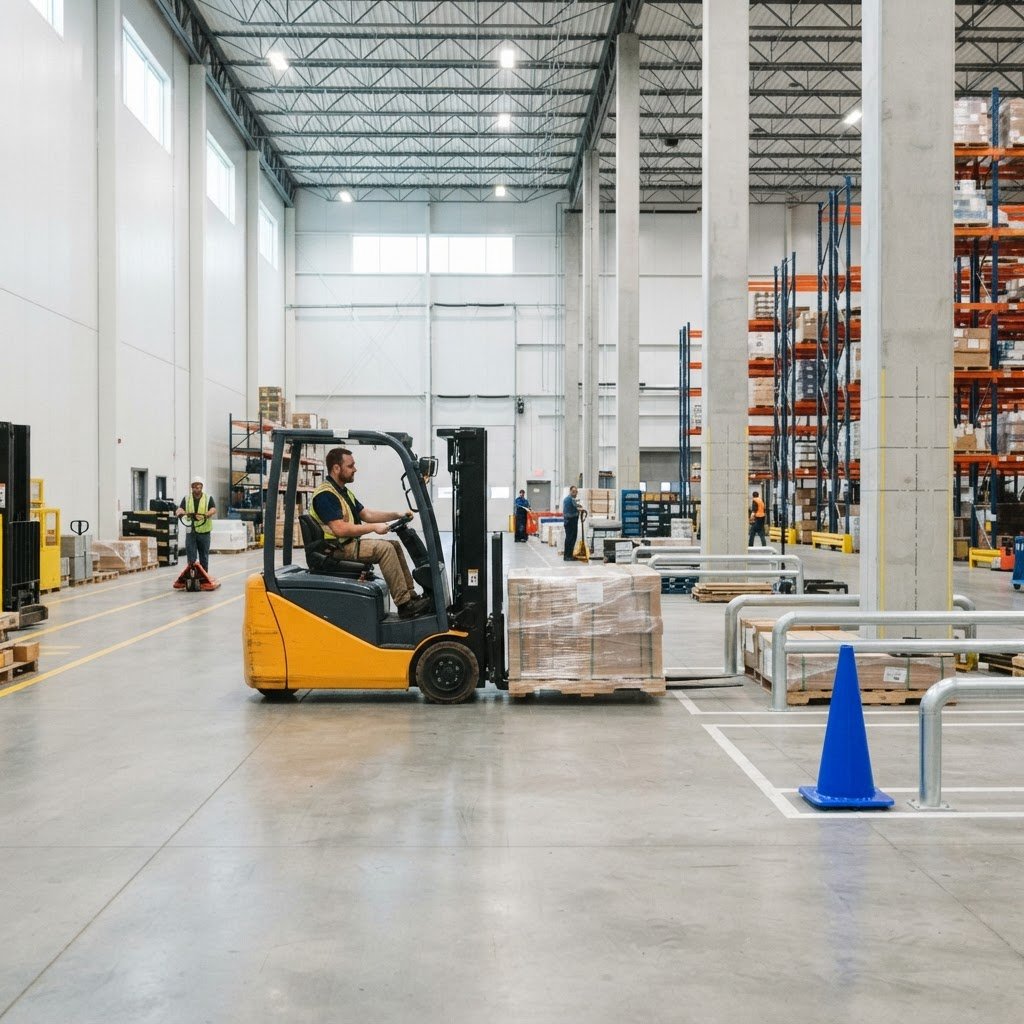
How to Make a Freight Quote Comparison#
Request comparable options for the same pickup and delivery window, then assess the total operational cost rather than only the lowest base rate. Cross-border freight demand matters for Canada-US lanes, where bilateral trade accounts for nearly $382 billion and carrier capacity can influence the available service choices.
Match the mode to your shipment scenario#
A small, stackable, non-urgent shipment may tolerate the network path of LTL. A load that uses substantial floor space, has a damage-sensitive commodity, or must avoid repeated terminal handling may warrant a partial quote even if it does not fill a trailer. A near-full shipment, a delivery requiring direct movement, or freight that needs dedicated control points toward FTL.
Use direct carrier options without losing oversight#
For a detailed LTL versus FTL comparison, review how each mode assigns capacity and handles freight before requesting rates. For recurring one-to-eight-pallet shipments, Truxweb sends one request to carriers servicing the lane so shippers can compare rates, transit times, carrier ratings, and booking fees side by side. Its marketplace reports that 92% of carriers reply within 30 minutes during business hours, which gives teams a timely view of available LTL options before they commit.
Conclusion#
Start with the shipment’s dimensions, weight, density, handling sensitivity, and required delivery window, then request LTL, partial, and FTL pricing where the load sits near a capacity boundary. LTL remains a practical shared-capacity method for many smaller loads, partial truckload can reduce handling for freight that has outgrown an economical LTL profile, and FTL supports dedicated movement for larger commitments. For Quebec and Ontario SMEs that need direct-to-carrier freight comparisons across these choices, Truxweb offers a practical option. Compare freight options with Truxweb before confirming your next pallet shipment.
Frequently Asked Questions (FAQs)#
What is the difference between FTL and LTL shipping?#
The difference between FTL and LTL shipping is that FTL assigns a dedicated truck to one shipper, while LTL combines multiple shippers’ freight and generally prices the shipment using class, size, weight, and distance.
What is partial truckload shipping and when should I use it?#
Partial truckload shipping reserves the trailer space and weight your freight uses, and it should be considered when a shipment needs fewer handling touches than LTL without requiring a fully dedicated trailer.
Is it cheaper to ship FTL or LTL?#
Whether FTL or LTL is cheaper depends on the lane and shipment profile, because LTL charges for shipment characteristics while FTL uses a truckload rate that can lower the per-unit cost for a full load.
How do I know if my shipment needs FTL, LTL, or partial truckload?#
Your shipment needs FTL, LTL, or partial truckload based on its trailer footprint, weight, density, freight class, delivery urgency, and tolerance for terminal handling rather than pallet count alone.
How to book LTL freight in Canada?#
To book LTL freight in Canada, provide accurate pallet dimensions, weight, commodity details, pickup and delivery requirements, then compare carrier quotes that use the same shipment information and service window.
What are the benefits of direct-to-carrier shipping?#
The benefits of direct-to-carrier shipping include seeing carrier-specific rates, transit times, and service information without relying on long phone and email chains to collect comparable freight options.
About the author
