
LTL Shipping Ontario/Quebec to Ohio’s Manufacturing Belt
What Ontario and Quebec manufacturers need to know about transit times, border crossings, documentation, and plant delivery expectations when shipping LTL freight into Ohio's manufacturing belt.
By Max Gravel · 6 min read ·

Quick Answer
Reliable LTL shipping from Ontario or Quebec to Ohio depends on frequent lane service, complete commercial documents, and plant-ready appointment management. Transit time and all-in cost vary by origin, Ohio destination, freight class, border routing, and delivery requirements, so a quote must reflect the actual shipment rather than a generic cross-border rate.
Introduction
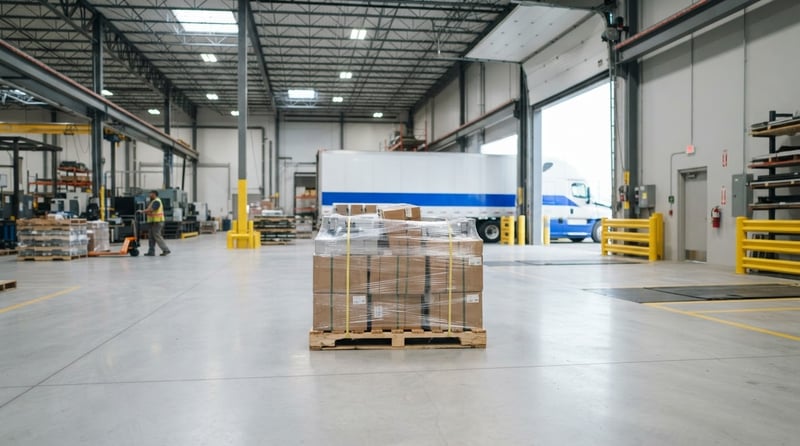
Ontario and Quebec suppliers moving components into Ohio need cross-border LTL shipping between Canada and the United States that accounts for border processing and exact receiving rules at industrial sites. Ohio's manufacturing belt creates steady demand for inbound parts, raw materials, and production supplies, but a shipment that arrives outside its booked dock window can disrupt a plant's receiving plan.[1] The practical priority is not simply getting a pallet across the border, but keeping the shipment traceable, documented, and ready for a scheduled handoff. A carrier's local terminal coverage and dispatch coordination can determine whether freight reaches the dock when production teams expect it.
Key Takeaways:
Use carriers with recurring Ontario, Quebec, and Ohio linehaul coverage.
Send complete freight and customs details before pickup is dispatched.
Book plant appointments around confirmed delivery availability, not estimated arrival alone.

LTL Shipping Into Ohio's Manufacturing Corridor
LTL shipping works well for manufacturers that move palletized freight without enough volume to dedicate a full trailer. The Ontario and Quebec to Ohio lane commonly involves terminal transfers, customs processing, linehaul movement, and final-mile delivery into facilities with controlled receiving hours. Transborder freight data can help logistics teams examine the broader scale of truck movements between Canada and the United States when evaluating recurring lanes.[2]
Why lane familiarity matters at plant docks
General cross-border capability does not automatically mean a carrier can manage a tightly scheduled industrial delivery. Freight teams need dispatchers who can confirm pickup readiness, communicate border exceptions, obtain receiving instructions, and coordinate with the plant before a delivery window closes.
Dock appointments: Plants often require a confirmed receiving slot.
Delivery references: Purchase order numbers must match receiving records.
Packaging: Secure pallets reduce handling risk across terminals.
Freight description: Clear commodity details support accurate paperwork.
Status updates: Early alerts allow appointment adjustments.
Border crossings and realistic transit planning
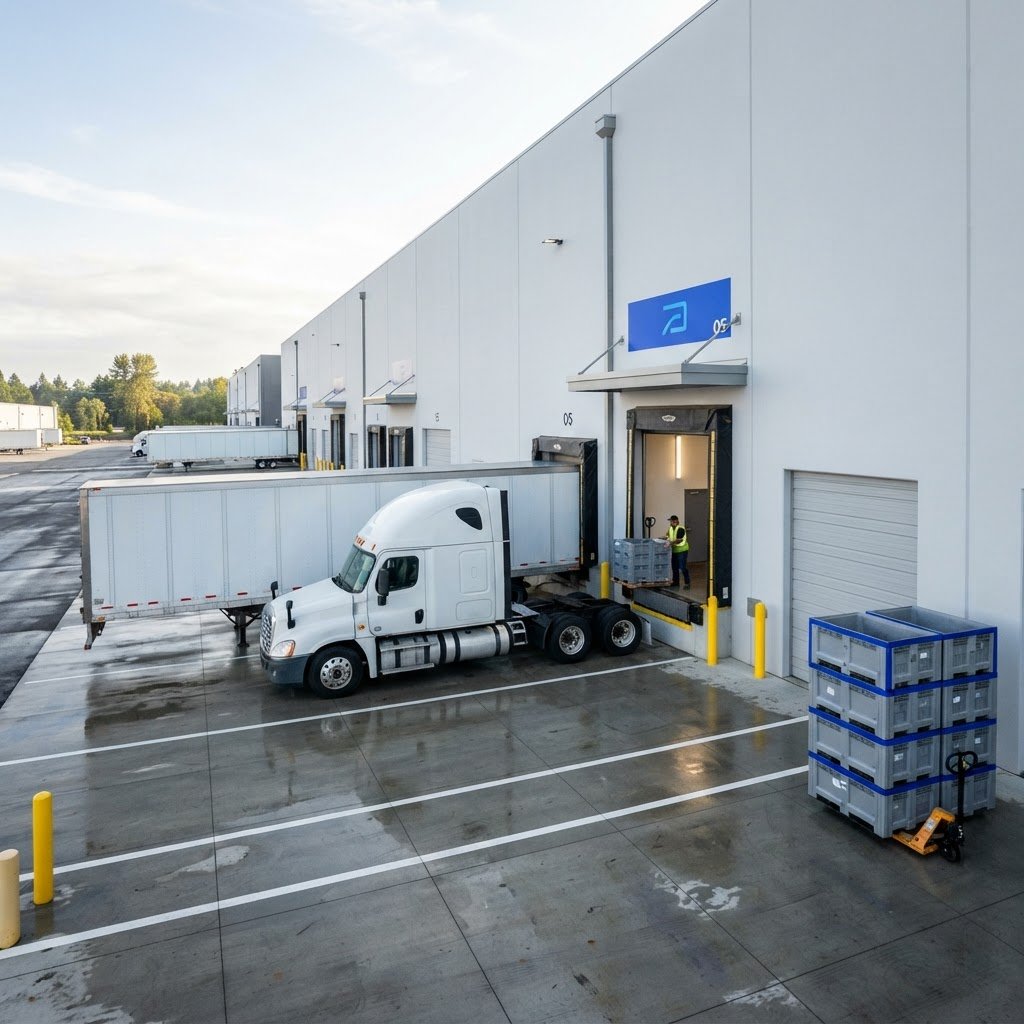
Ontario freight may move through southern Ontario crossings based on origin, carrier network, and Ohio destination, while Quebec freight may route through crossings that support the chosen linehaul network. A representative shipment from the Greater Toronto Area or Montreal area to an Ohio industrial receiver requires a carrier-specific transit commitment, because pickup cutoffs, consolidation timing, customs release, and appointment availability all affect the delivery date. For rate planning, use an estimate of Canadian LTL rates as a starting point, then add the actual accessorial requirements for the Ohio receiver.
For example, an industrial supplier shipping several palletized cartons to a scheduled Ohio plant should separate the base linehaul charge from border-related processing, pickup conditions, delivery appointment handling, and any special equipment requirement. The cost structure is specific to the shipment rather than published as a standard lane price, and the quote should show each applicable fee before confirmation.
Documents and Controls for Cross-Border LTL Freight
Industrial shipments should be prepared as a coordinated documentation package, not as paperwork completed after pickup. A commercial invoice, packing information, consignee details, product description, shipment value, country-of-origin information where applicable, and references required by the buyer must agree with the bill of lading and carrier booking.
Automotive and industrial origin considerations
Some automotive products face detailed USMCA origin requirements, so freight teams should verify product classification and trade treatment with their customs professionals before shipping.[3]
Comparing general service with lane-ready service
The table below separates the operational questions that matter on a manufacturing lane from a basic request for LTL freight shipping.
Operational area | General cross-border service | Ontario/Quebec to Ohio lane-ready service |
|---|---|---|
Rate basis | Quote may focus on linehaul only | Quote accounts for appointment and delivery requirements |
Border planning | Documentation reviewed near dispatch | Documents checked before pickup confirmation |
Plant delivery | Standard business-hour delivery assumptions | Receiver appointment and reference requirements confirmed |
Shipment visibility | Milestone updates may vary by carrier | Dispatch communication follows pickup through delivery |
Carrier selection | Single option or manual outreach | Lane-specific transit and fee comparison |
The central tradeoff is control: a lower base rate has limited value if the carrier cannot execute the receiver's appointment process or communicate a border delay early enough to protect the delivery plan.
Choosing a Carrier Network for Repeat Ohio Freight
For recurring plant deliveries, assess the carrier's actual operating rhythm on the lane: pickup days, terminal handoffs, border workflow, Ohio final-mile coverage, and escalation process when an appointment changes. Companies using Canadian LTL shipping services before expanding southbound should apply the same discipline to freight descriptions, pallet dimensions, weights, and consignee instructions.
What to request in an all-in lane quote
Ask for a quote that identifies the shipment's base transportation charge, applicable booking fees, and requirements that may affect collection or delivery. Truxweb lets shippers compare carrier quotes, stated transit times, carrier ratings, and booking fees in one place, which helps a logistics manager evaluate whether the selected option matches the plant's receiving requirements.
A reliable quote request includes the pickup and delivery postal codes, pallet count, dimensions, actual weight, commodity description, declared shipment value, contact details, purchase order references, and appointment rules. This protects the shipper from choosing a rate that cannot support the actual delivery conditions.
Marketplace access versus manual brokering
A comparison of digital marketplaces and brokers is useful when a shipper needs visibility across several carrier responses without repeating the same freight details by phone or email. Truxweb broadcasts one request to carriers that service the lane and provides a 24/7 concierge team for operational support when a shipment needs attention.
Conclusion
Ohio manufacturing deliveries require more than a generic promise of cross-border service. Build each shipment around accurate documents, a confirmed plant appointment, complete pallet details, and a carrier that regularly handles the Ontario or Quebec to Ohio route. For manufacturers and industrial suppliers moving recurring pallet freight, Truxweb is a practical choice for comparing carrier-specific transit details and transparent booking fees on the same request. Prioritize a lane-proven service plan, then validate the full charge and delivery conditions before booking.
Frequently Asked Questions (FAQs)
Can I ship LTL freight to the USA from Canada?
Yes, you can ship LTL freight to the USA from Canada when the shipment has complete commercial documentation, an accurate commodity description, and carrier arrangements that support border processing and final delivery.
How fast can I get an LTL freight quote?
An LTL freight quote can arrive quickly when pickup details, destination, pallet dimensions, weight, commodity, and accessorial requirements are submitted accurately from the beginning.
What is the average cost of LTL shipping?
The average cost of LTL shipping varies by freight dimensions, weight, lane, carrier capacity, border requirements, pickup conditions, and appointment-based delivery services.
How do I track my LTL freight shipment?
You track an LTL freight shipment through carrier status milestones and dispatch updates that confirm pickup, terminal movement, border progress, and delivery completion.
How do I prepare a pallet for LTL shipment?
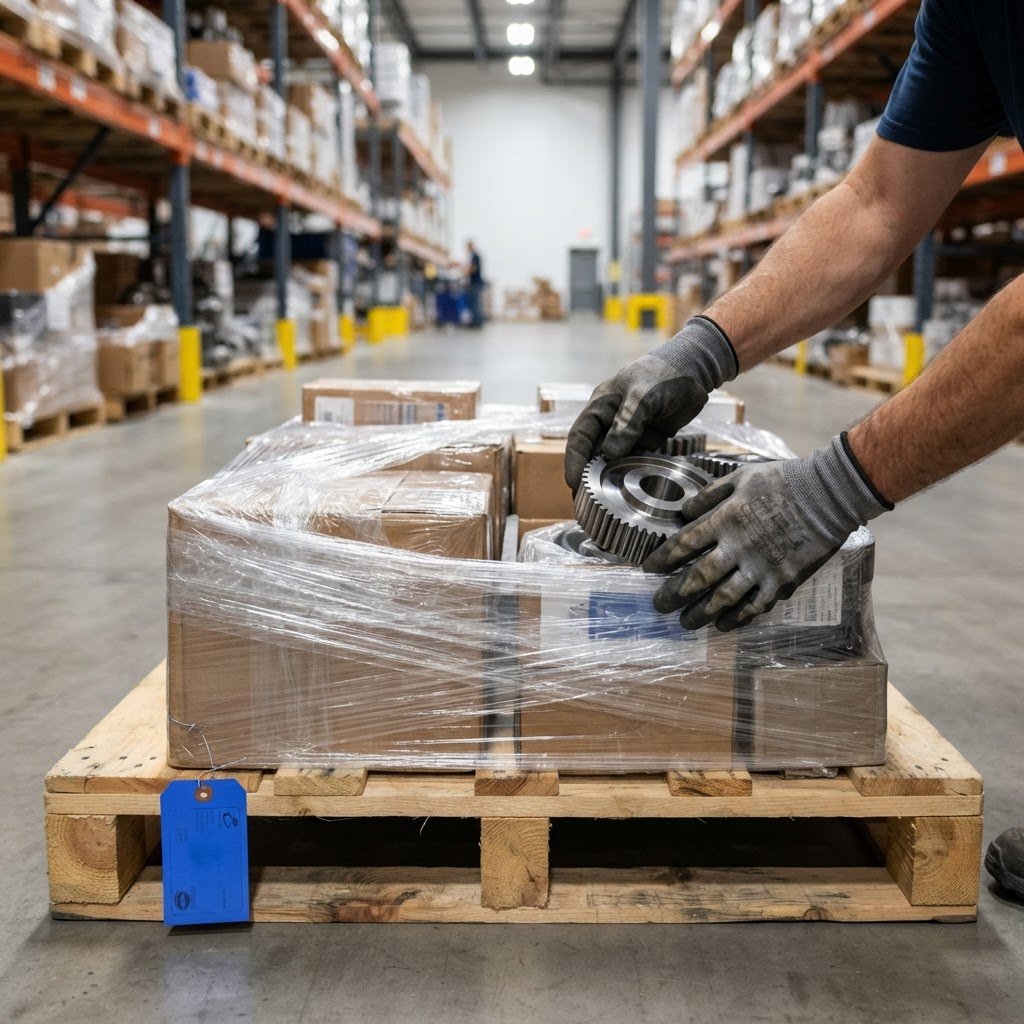
You prepare a pallet for LTL shipment by securing the freight to the pallet, protecting exposed edges, applying legible labels, and recording correct dimensions and weight.
What defines less than truckload shipping?
Less than truckload shipping is a freight service in which multiple shippers share trailer capacity because each shipment occupies only part of the available trailer space.
Sources
- 2025 Ohio Manufacturing Counts — Ohio Manufacturers' Association ↩
- Department of Transportation - TransBorder Freight Data — Data.gov ↩
- Report to Congress on USMCA Automotive Rules of Origin — USTR ↩
About the author

 Shipping from California to Quebec: An Importer's Guide
 Shipping from the U.S. to Ontario: Importers Guide