


Introduction
Shipping from the U.S. to Ontario accounts for one of the busiest cross-border freight lanes in North America, yet many importers still encounter preventable delays and unexpected surcharges on nearly every shipment. For small and medium-sized businesses moving 1 to 8 pallets at a time, the gap between domestic shipping know-how and cross-border import requirements can translate directly into margin erosion. Whether a business sources auto parts from Michigan, consumer electronics from Ohio, or food-grade packaging from New York, the documentation, duty classification, and carrier selection process for LTL shipping to Ontario follows a specific set of rules that differ meaningfully from domestic moves. Getting those details right from the first shipment saves money, protects transit timelines, and builds a supply chain that scales without friction.
Documentation and Customs Requirements for U.S.-to-Ontario Freight
Cross-border LTL freight between the United States and Ontario hinges on documentation accuracy more than almost any other variable. A single missing field on a commercial invoice or an incorrect Harmonized System (HS) tariff code can hold a shipment at the border for days, and the resulting storage fees and re-inspection charges add up quickly. Understanding what paperwork is required before a shipment leaves the U.S. warehouse eliminates the most common source of cross-border delays.
Essential Documents Every Ontario Importer Must Prepare
Every shipment crossing the U.S.-Canada border requires a core set of documents that the Canada Border Services Agency (CBSA) uses to assess duties, verify compliance, and release goods. Missing even one document forces a shipment into secondary review, which typically adds 24 to 72 hours to transit time. Here is what importers need to have ready before booking a carrier.
- Commercial Invoice: lists the shipper, consignee, goods description, HS tariff codes, value, country of origin, and currency of sale
- Canada Customs Invoice (CCI): the CBSA-specific form that mirrors much of the commercial invoice but includes fields for GST and duty calculation
- Bill of Lading (BOL): the carrier-issued transport document that details freight class, weight, piece count, and pickup/delivery addresses
- CUSMA Certificate of Origin: required to claim preferential tariff treatment under the Canada-United States-Mexico Agreement for qualifying goods
- Import Permit or License: necessary for regulated commodities such as firearms, agricultural products, or certain controlled goods entering Canada
Tariff Classification and Duty Pitfalls
HS tariff codes determine the duty rate applied to imported goods, and even a minor misclassification can result in overpayment or, worse, an audit by the CBSA that triggers penalties. Ontario importers should verify their codes against the Canadian Customs Tariff schedule before every shipment, especially when product specifications change. Working with a licensed customs broker is standard practice for businesses that import regularly, as brokers handle pre-arrival processing and ensure the CBSA releases goods at the port of entry without manual intervention.
Many importers also overlook the GST component on cross-border shipments. Unlike domestic purchases where GST is collected at point of sale, imported goods are assessed 5% GST at the border, payable by the importer of record. Businesses registered for GST can claim this amount back as an input tax credit, but the cash flow impact of border-collected duties and taxes should be factored into every cross-border freight cost estimate.
Choosing the Right LTL Carrier for Cross-Border Moves
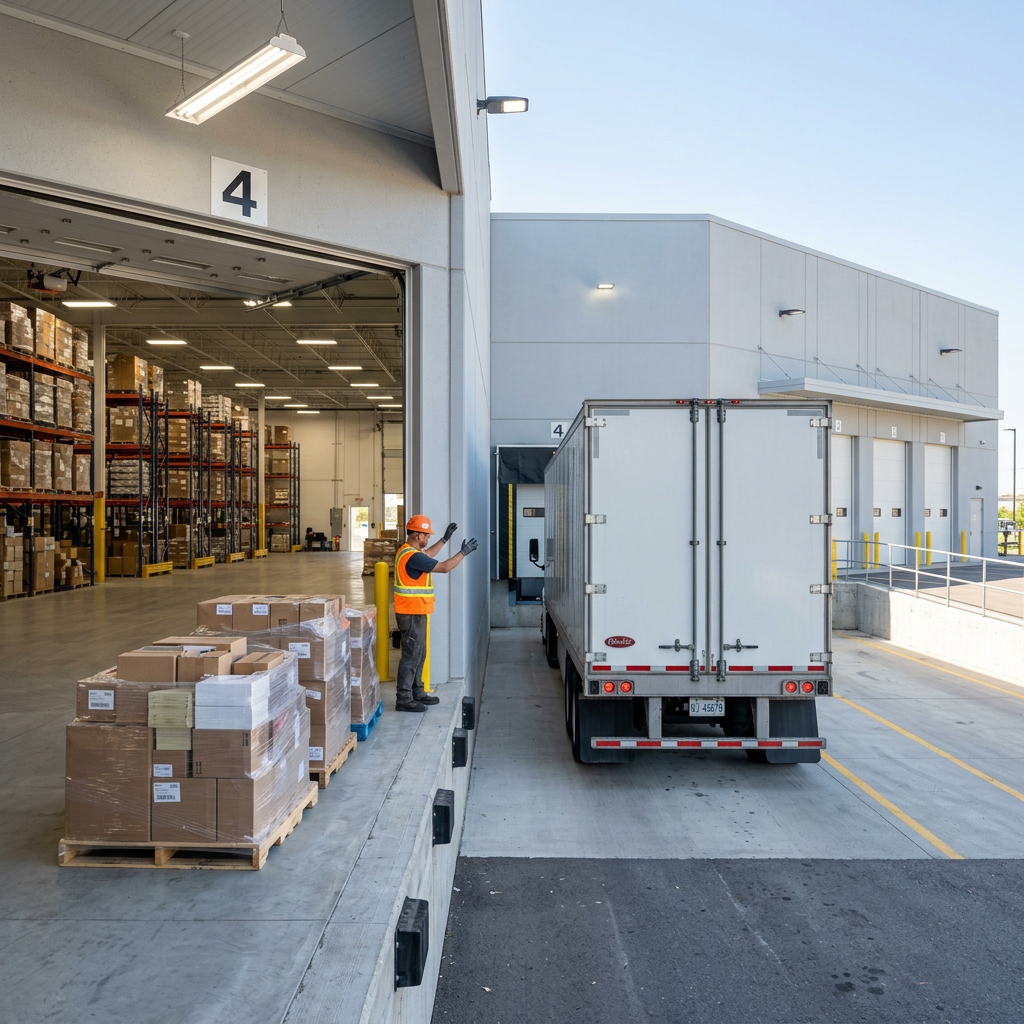
Not every LTL carrier handles cross-border freight, and among those that do, service quality varies significantly on the U.S.-to-Ontario corridor. Some carriers operate their own bonded facilities at border crossings like Fort Erie, Sarnia, or Lansdowne, while others rely on interline partnerships that introduce additional handling and potential delays. For shipments headed to Toronto, the GTA, or other Southern Ontario destinations, selecting a carrier with direct cross-border authority and established customs brokerage relationships typically shaves 1 to 2 days off total transit compared to carriers that transfer freight between domestic and international networks.
Carrier performance data matters. On-time delivery rates, claims ratios, and average border clearance times are all metrics that importers should request before committing to a provider. Platforms that aggregate this data, like Truxweb, allow shippers to compare LTL shipping companies side by side, including real customer satisfaction scores and transit speed estimates. This kind of transparency turns carrier selection from a guessing game into a data-driven decision, particularly valuable for businesses that ship fewer than 8 pallets at a time and cannot afford to absorb the cost of a single delayed shipment.
What Drives Freight Costs on This Lane
Freight shipping costs from the U.S. to Ontario depend on a combination of distance, freight class, weight, and accessorial charges. A 2-pallet shipment from Buffalo to Toronto, for example, typically runs considerably less than the same shipment from Dallas to Ottawa, simply due to the mileage differential and the number of terminal transfers involved. But distance is only one variable.
Accessorials are where costs quietly escalate. Liftgate delivery, inside delivery, residential delivery, and appointment scheduling each carry surcharges that can add $75 to $200 per service. Importers who ship to commercial dock-equipped facilities consistently pay less than those receiving freight at locations without loading infrastructure. Customs brokerage fees, which range from $50 to $150 per entry depending on complexity, also sit outside the base freight rate and should be included in total landed cost calculations.
Fuel surcharges fluctuate monthly and are calculated as a percentage of the base linehaul charge. During periods of volatile diesel pricing, this surcharge alone can shift total shipment cost by 10% to 15%. Requesting rate quotes that break out each cost component, rather than accepting a single lump-sum figure, gives importers the visibility needed to identify where savings actually exist.
Strategies for Reducing Cross-Border LTL Shipping Costs
Consolidation and Timing Tactics
One of the most effective ways to save on freight costs when shipping to Ontario is consolidation. Rather than booking multiple small shipments throughout the week, importers who accumulate orders and ship in larger, less frequent batches reduce per-pallet costs significantly. A single 4-pallet shipment almost always costs less than two separate 2-pallet moves on the same lane, because the carrier spreads fixed costs across a higher revenue load. This approach also reduces the number of customs entries processed, cutting brokerage fees proportionally.
Timing also plays a role. Mid-week pickups (Tuesday through Thursday) tend to see lower rate premiums than Monday or Friday moves, when carrier capacity is tightest. Importers with flexible ship dates can leverage this pattern to secure better pricing. Avoiding peak periods around U.S. holidays, when border crossing volumes spike and clearance times stretch, further protects transit reliability. Businesses that plan shipments around these patterns often see 10% to 20% reductions in annual freight spend without changing carriers or service levels.
Leveraging Digital Freight Platforms for Better Rates
Traditional freight procurement for cross-border LTL shipping typically involves calling multiple carriers, waiting for email quotes, and manually comparing rates in a spreadsheet. This process consumes hours and rarely captures the best available rate because not every carrier responds, and pricing changes daily based on capacity and demand.
Digital freight booking platforms solve this problem by aggregating carrier rates into a single interface where importers can compare pricing, transit times, and service ratings simultaneously. Truxweb's instant quote comparison engine, for example, delivers responses from multiple vetted carriers within 30 minutes during business hours, with no brokering fees layered on top of the quoted rate. For small business shipping in Ontario, this level of transparency eliminates the information asymmetry that has historically kept freight costs higher than necessary.
Real-time shipment tracking further reduces hidden costs by providing visibility into exactly where a shipment sits at any point in transit. Rather than calling dispatch teams for updates, importers can monitor their freight through a single dashboard. Automated alerts for pickup, border clearance, and delivery milestones mean that warehouse teams can plan receiving schedules with confidence, reducing detention charges and dock congestion. The combination of smarter rate shopping and operational visibility is what separates businesses that control their logistics costs from those that simply absorb them.
Importers should also review carrier compliance records before booking. In Canada, carriers must meet both federal and provincial safety standards, and platforms that monitor compliance in real time protect shippers from liability exposure. A carrier with a strong safety record and consistent cross-border performance is worth more than the cheapest rate from an unvetted provider, especially when the cost of a single failed delivery can exceed the savings on a dozen successful ones.
Conclusion
Shipping from the U.S. to Ontario does not have to be a source of confusion or unexpected cost. By preparing accurate documentation, selecting carriers with proven cross-border performance, and using digital tools to compare rates and track shipments in real time, Ontario importers can build a reliable, cost-efficient supply chain for their U.S.-sourced goods. The businesses that treat cross-border logistics as a structured, data-informed process consistently outperform those that treat it as an afterthought. Whether moving 1 pallet or 8, the fundamentals covered here apply to every shipment crossing the border into Ontario.
Get instant LTL freight quotes for your next U.S.-to-Ontario shipment at Truxweb and start shipping smarter today.
Frequently Asked Questions (FAQs)
How much does it cost to ship from U.S. to Ontario?
Costs vary based on distance, freight class, weight, and accessorial services, but a typical 2-pallet LTL shipment from a northern U.S. state to Southern Ontario ranges from $300 to $800 before duties and brokerage fees.
What documents do I need for U.S. to Ontario shipping?
You need a commercial invoice, Canada Customs Invoice, bill of lading, and potentially a CUSMA Certificate of Origin if your goods qualify for preferential tariff treatment.
How long does U.S. to Ontario shipping take?
LTL freight from border states like New York or Michigan typically arrives in Ontario within 2 to 4 business days, while shipments from the southern U.S. may take 5 to 7 business days including customs clearance.
What is the cheapest way to ship to Ontario from U.S.?
Consolidating smaller orders into fewer, larger LTL shipments, shipping mid-week, and comparing rates across multiple carriers through a digital platform are the most reliable ways to reduce per-shipment costs.
Can I compare freight rates for Ontario shipping?
Yes, digital freight platforms allow importers to submit shipment details once and receive competitive quotes from multiple carriers simultaneously, making rate comparison fast and straightforward.