

Introduction
Quick Answer
Yes, LTL shipping is generally more environmentally friendly than moving small loads on dedicated full truckloads because it consolidates freight from multiple shippers into a single trailer. Fewer trucks moving fuller loads across shared routes means lower fuel burn and reduced emissions per pallet.
Introduction
Freight moves account for a significant share of transportation emissions in Canada, and small businesses are increasingly asked to prove their supply chain choices reflect that reality. Less than truckload shipping offers a direct answer by pooling shipments from several companies onto one trailer, which cuts empty miles and improves fuel efficiency per unit of freight. For SMBs in Ontario and Quebec that rarely fill an entire 53-foot trailer, LTL freight is often the greenest freight option available without changing warehouses, product lines, or delivery timelines. Recent data from Canadian carrier networks shows LTL trailers routinely operate at 75 to 90 percent capacity, compared to solo shipments that leave most of the deck empty. That gap is where the environmental case begins.
Key Takeaways:
- LTL shipping cuts per-pallet emissions by sharing trailer space across multiple shippers, reducing the total number of trucks needed on shared routes.
- Compared to sending small loads on FTL, LTL freight typically lowers fuel consumption per shipment by 40 to 60 percent through better trailer utilization.
- Digital freight marketplaces amplify these gains by matching shippers to carriers already running compatible lanes, minimizing empty backhauls and deadhead miles.
How LTL Shipping Works and Why Consolidation Matters
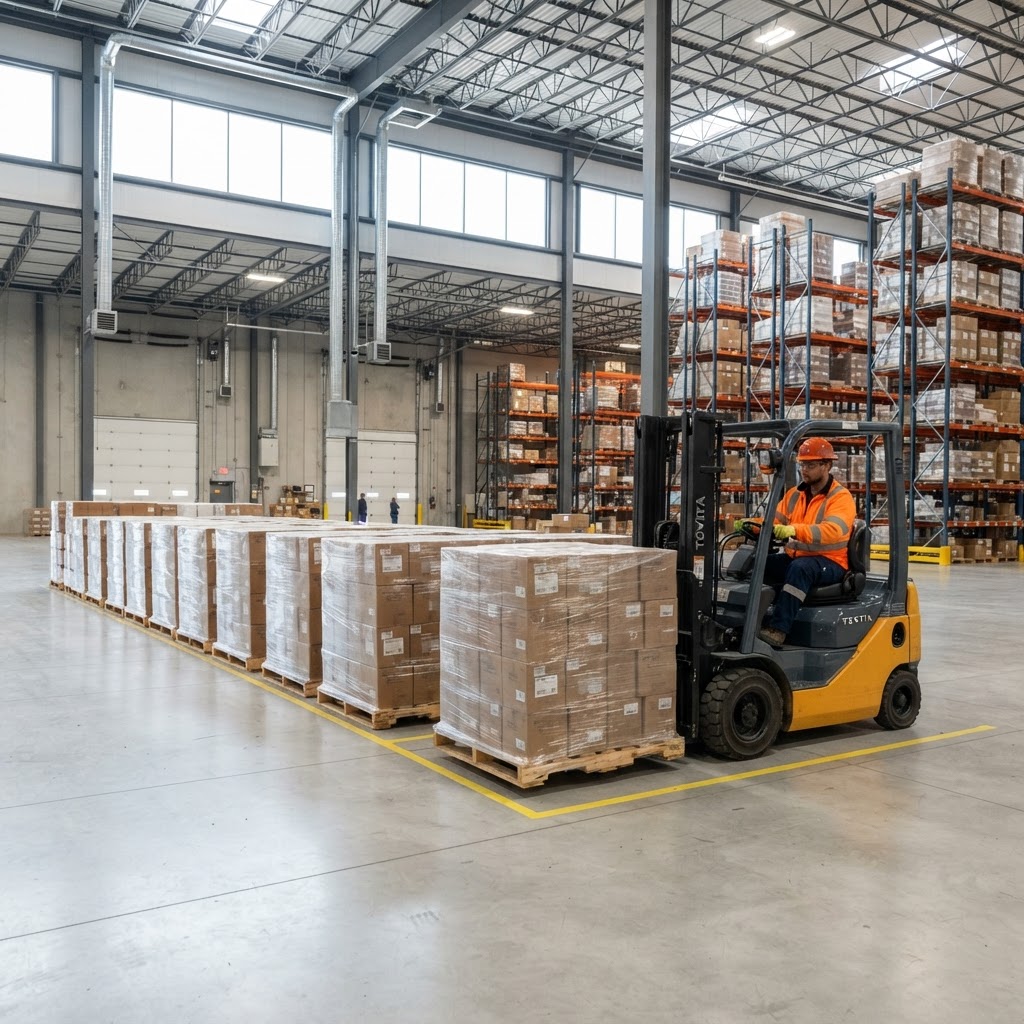
Less than truckload freight is a shipping model where a carrier combines partial loads from multiple businesses into one trailer, with each shipper paying only for the space and weight they actually use. Instead of one company booking a full 53-foot trailer for two pallets, five or six companies share that same trailer, and the carrier plans a route that services each stop efficiently.
The mechanics of shared trailer space
A typical LTL trailer in Ontario or Quebec might carry 15 to 25 shipments ranging from a single skid to a partial pallet load. Carriers stage freight at terminals, group it by destination corridor, and dispatch the trailer only when utilization hits a profitable and efficient threshold. This staging process is what turns a scattered set of small orders into one optimized run down Highway 401 or the 20 between Montreal and Toronto.
Terminal consolidation: Freight from many shippers is grouped by lane before dispatch, so trucks leave fuller.
Multi-stop routing: One driver handles multiple deliveries on a single trip, replacing what would otherwise be five or six separate journeys.
Weight and cube pricing: Shippers pay for the space they occupy, giving carriers an incentive to fill every cubic foot of the trailer.
Cross-docking: Freight is transferred between trailers at hub terminals to keep long-haul equipment running at high utilization.
Why utilization is the whole story
A truck burns roughly the same amount of diesel whether it is half full or fully loaded, so the environmental math of freight comes down to how much cargo each gallon of fuel actually moves. When freight consolidation maximizes truck capacity, carbon output per pallet drops sharply because the fixed emissions of the trip are spread across more shippers. Research from freight emissions experts confirms that consolidation and reducing empty miles are two of the highest-impact levers available for cutting land freight emissions today.
LTL vs FTL: The Environmental Comparison That Matters
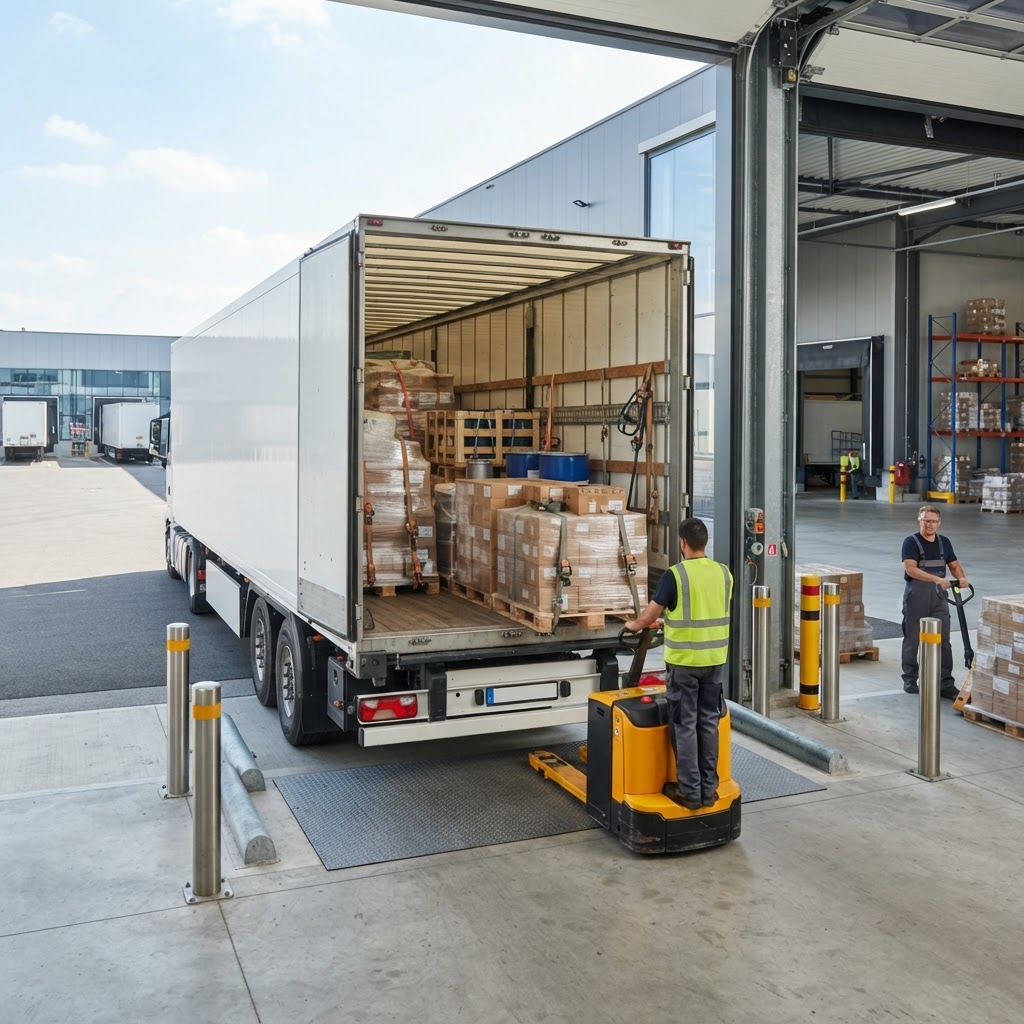
The environmental gap between LTL and FTL becomes clear once you compare how each mode handles small shipments. Full truckload is highly efficient when a shipper genuinely fills the trailer, but for SMBs moving 1 to 8 pallets, booking FTL means paying for and burning fuel to move mostly empty space across the country.
LTL vs FTL emissions in practical terms
Consider a 4-pallet shipment moving from Mississauga to Quebec City. On an FTL booking, that shipment occupies about 15 percent of the trailer, and the truck burns full-load diesel to move 85 percent air. On an LTL booking, that same 4 pallets travel alongside 15 to 20 other shipments, and the fuel burn is allocated proportionally. A detailed LTL and FTL freight comparison shows this efficiency also translates into lower per-pallet cost, which is why the environmental and financial cases tend to align.
Reducing empty miles across Canadian corridors
Empty backhauls are one of the largest sources of avoidable freight emissions in Canada. A truck that delivers a full load to Toronto and returns to Montreal empty is burning fuel for zero cargo output. LTL networks solve this by feeding return-leg capacity with consolidated shipments, and consolidated freight strategies have been shown to meaningfully reduce underutilized capacity across regional networks. Improving trailer utilization and efficiency directly reduces the number of trucks required to move the same volume of goods, which is the single largest emissions lever available to shippers.
Where LTL still needs care
LTL freight moves through multiple handling points, so fragile or high-value goods need proper packaging and pallet preparation. Terminal transfers add complexity, but they are also what enables the efficiency gains. Working with carriers that maintain strong claim rates, like the 95 percent minimum satisfaction threshold enforced by Truxweb, keeps the environmental benefits from being offset by damage or reshipment.
Practical Ways to Maximize the Environmental Benefits of LTL
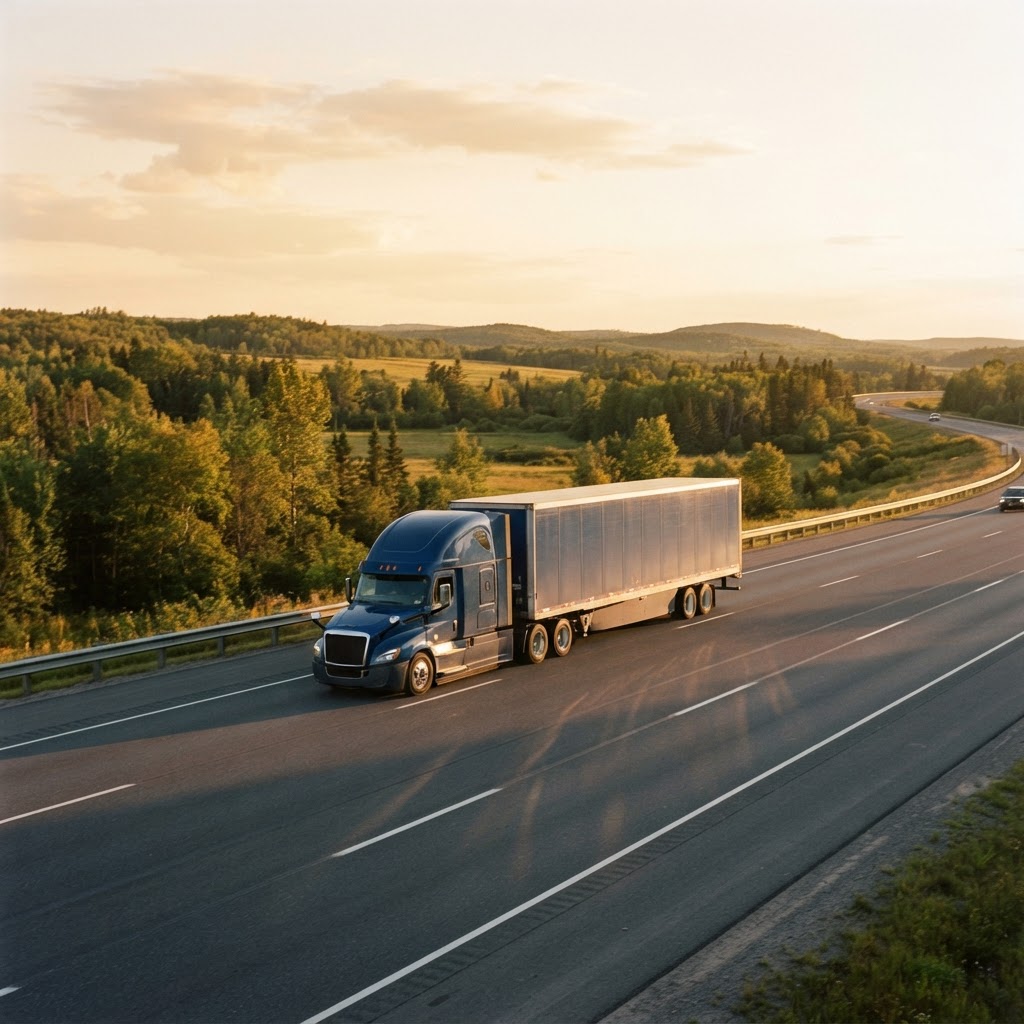
Choosing LTL is the first step, but the sustainability gains compound when shippers pair that choice with smarter booking practices. The goal is to minimize both the number of trucks on the road and the miles those trucks travel with unused space.
Use digital marketplaces to match loads efficiently
Traditional freight booking relies on phone calls, emails, and long carrier lists, which limits how well shipments can be matched to trucks that are already running compatible lanes. Modern digital freight marketplaces streamline connections between shippers and carriers, surfacing capacity that would otherwise go unused. Academic research on logistics service marketplaces confirms that digital matching platforms measurably reduce emissions by improving overall system efficiency. Truxweb operates this model across Ontario and Quebec, connecting over 1,000 Canadian businesses with vetted carriers whose trucks are actively looking to fill space.
Practical tips for greener LTL shipping
Small operational choices add up quickly when applied across every shipment. The digital freight matching benefits extend beyond cost savings into measurable emissions reductions when shippers apply consistent best practices.
- Right-size your pallets: Stack goods to maximize cube density so you occupy less trailer space per shipment.
- Consolidate outbound orders: Batch shipments to the same region into a single weekly or bi-weekly LTL booking rather than daily one-off runs.
- Compare quotes across carriers: Following best practices for comparing freight quotes helps identify carriers already running your lane, reducing incremental miles.
- Book with regional specialists: Carriers focused on LTL shipping Ontario and LTL freight services Quebec corridors typically operate denser networks with higher utilization.
- Track and report emissions: Use platform dashboards to capture shipment data for internal sustainability reporting.
Conclusion
LTL shipping earns its place as one of the most practical eco-friendly shipping options Canada has for small and medium-sized businesses. By consolidating freight, reducing empty miles, and pairing shipments with carriers already running the right lanes, shippers can lower per-pallet emissions without sacrificing service quality or transit speed. The environmental argument becomes even stronger when LTL bookings run through a digital marketplace that maximizes trailer utilization on every trip. For SMBs shipping 1 to 8 pallets across Ontario and Quebec, this combination of consolidation and smart matching is the clearest path to greener freight in 2026.
Ready to make your next shipment count for both cost and carbon? Book smarter LTL freight with Truxweb to compare vetted Canadian carriers, cut empty miles, and build a supply chain your stakeholders can stand behind.
Frequently Asked Questions (FAQs)
Is LTL shipping more environmentally friendly than FTL?
Yes, LTL shipping is more environmentally friendly than FTL for small shipments because it consolidates multiple loads onto one trailer, dramatically reducing the number of trucks needed and cutting per-pallet emissions.
What is LTL shipping?
LTL shipping is a freight model where multiple shippers share space on the same trailer, each paying only for the portion of the truck their pallets occupy.
How does LTL freight reduce carbon emissions?
LTL freight reduces carbon emissions by increasing trailer utilization and eliminating solo runs for small shipments, so fewer trucks burn less total fuel to move the same volume of goods.
Is my freight suitable for LTL shipping?
Most palletized, non-hazardous freight between 1 and 8 pallets is well suited for LTL shipping, provided it is properly packaged to withstand terminal handling and cross-docking.
How does freight consolidation help the environment?
Freight consolidation helps the environment by pooling shipments so trucks run fuller and empty backhauls are minimized, which lowers fuel burn per unit of cargo delivered.
Are there eco-friendly LTL carriers in Canada?
Yes, many Canadian LTL carriers operate high-utilization networks across Ontario and Quebec, and platforms like Truxweb make it easier to identify carriers with efficient lanes and strong service records.
Is LTL shipping safe for fragile goods?
LTL shipping is safe for fragile goods when items are properly palletized, shrink-wrapped, and labeled, since sturdy packaging protects freight through the terminal transfers that make consolidation possible.
About the Author
Daniel Park is a freight logistics analyst covering LTL shipping, carrier performance, and supply chain operations across Ontario and Quebec. He writes data-driven analysis on carrier selection, freight pricing, and digital freight platforms for Canadian SMB logistics teams. His work focuses on making technical freight concepts accessible to shippers navigating cost, service, and sustainability trade-offs.