
LTL Shipping for Construction Materials in Canada
Learn how LTL shipping works for construction materials in Canada, including freight classes, costs, and tips to book reliable carriers with ease.
By Mathieu van Gent · 7 min read ·

Quick Answer#
LTL shipping is a practical option for Canadian construction businesses moving one to eight pallets of lumber, hardware, piping, fixtures, or packaged building products. It reduces unused trailer space costs, but accurate dimensions, freight class, packaging, and site-access details determine whether the shipment arrives on budget and intact.
Introduction#
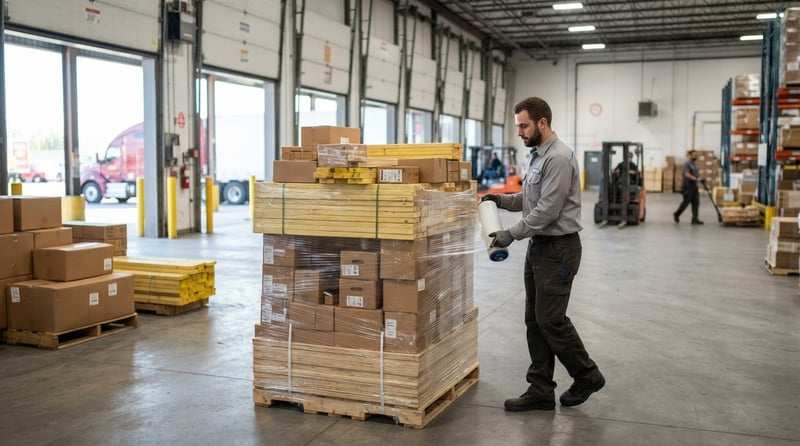
Construction materials shipping works well with LTL freight when the shipment does not require a dedicated trailer. LTL shipping lets contractors, distributors, and retailers share trailer capacity while paying for the space and handling their freight requires. For Quebec and Ontario lanes, a complete shipment profile prevents reclassification, missed pickups, and accessorial charges at job sites. The operational risk is rarely the pallet itself, but the missing detail behind it: overhang, fragile cartons, unsecured bundles, or an unavailable receiving dock.
Key Takeaways:
Accurate pallet measurements and freight class improve quote accuracy.
Damage prevention starts with stable pallets and clear handling instructions.
Carrier comparison should include transit, accessorials, and communication quality.

How LTL Shipping Works for Construction Materials#
LTL freight combines shipments from multiple businesses in a shared trailer, making it useful when a building-material shipment is too large for parcel service but does not justify full truckload capacity. A common LTL shipment ranges from 150 to 15,000 pounds and uses fewer than 16 pallets. Shipments of one to six pallets often do not need the space or cost of a full truckload. For busy buyers, Canadian LTL shipping begins with clear pickup, delivery, commodity, weight, and dimensions data.
Which construction products qualify for LTL?#
Most palletized, packaged, and secured materials can move through LTL shipping services, including boxed fixtures, bundled pipe, fasteners, insulation, tile, flooring, and wrapped hardware. Long, loose, unusually heavy, or fragile products need carrier approval before booking because terminal handling introduces transfer points and potential contact with other freight.
Lumber bundles: Band and protect edges against shifting.
Drywall: Use corner protection and moisture-resistant wrapping.
Piping: Secure lengths to prevent rolling or overhang.
Fixtures: Crate fragile items and identify upright orientation.
Hardware: Use cartons that remain contained when stacked.
Why freight class and handling details matter#
The freight class for construction materials depends on density, handling characteristics, stowability, and liability, not simply the product name. Share the actual packed dimensions and total weight, then use a freight class determination process before requesting a rate.Costs in Canada reflect shipment weight, distance, freight class, and requested additional services, since correct freight classification directly drives the rate charged.
Class errors are expensive because the carrier can inspect freight and revise the invoice after pickup. A shipment described as stackable that arrives with fragile cartons or an overhanging skid also creates handling constraints that the original quote did not price.

Controlling LTL Freight Rates and Damage Risk#
LTL freight rates become more predictable when the booking data matches the freight presented at pickup. Construction shippers should treat each pallet as a handling unit: measure it after wrapping, identify whether it can be stacked, and disclose job-site constraints before comparing prices. This discipline matters for freight shipping Ontario to Quebec, where urban access and delivery timing can affect carrier availability.
Build an accurate quote request before comparing carriers#
Start with origin and destination postal codes, pickup and receiving hours, pallet count, dimensions, total weight, commodity description, freight class, and declared accessorial needs. Include residential delivery, limited access, appointment requirements, inside delivery, liftgate service, or construction-site restrictions when they apply. A reliable liftgate and dock delivery plan is especially important when the consignee cannot unload a pallet from a standard trailer.
The comparison below separates LTL from full truckload decisions using operational factors rather than unsupported price estimates.
Method | Trailer use | Handling pattern | Pricing basis |
|---|---|---|---|
LTL | Shared capacity | May move through terminals | Weight, distance, class, services |
FTL | Dedicated trailer | Direct origin-to-destination movement | Distance-based flat rate may apply |
LTL can suit smaller pallet counts, while FTL changes the handling pattern by keeping freight on a dedicated trailer. Regional direct freight may move in one to three days, while other freight transit patterns can run three to seven business days depending on the lane and carrier network. Standard ground shipping usually takes one to five business days depending on distance from the shipper.
Package for terminals, transfers, and weather exposure#
Use undamaged pallets, band loads to the base, apply stretch wrap without concealing labels, and add corner boards where straps could crush cartons. For wood packaging crossing borders, follow the relevant wood packaging materials requirements, including the IPPC mark or, where a certificate is used instead, documentation that clearly links it to the imported packaging or dunnage. The CFIA directive also requires designated facilities to retain associated records for two years. A practical packaging requirements checklist helps teams catch export-sensitive details before freight reaches the dock.
Choosing a Regional Carrier Network for Quebec and Ontario#
Carrier selection should focus on the lane, service requirements, and visibility after booking. A regional trucking network that Canadian shippers can compare should show available transit options, carrier quality signals, pickup capacity, and clearly itemized booking fees. A low initial rate loses value if the carrier cannot meet the site’s receiving window or cannot resolve an exception quickly.
Compare the service details that affect the job site#
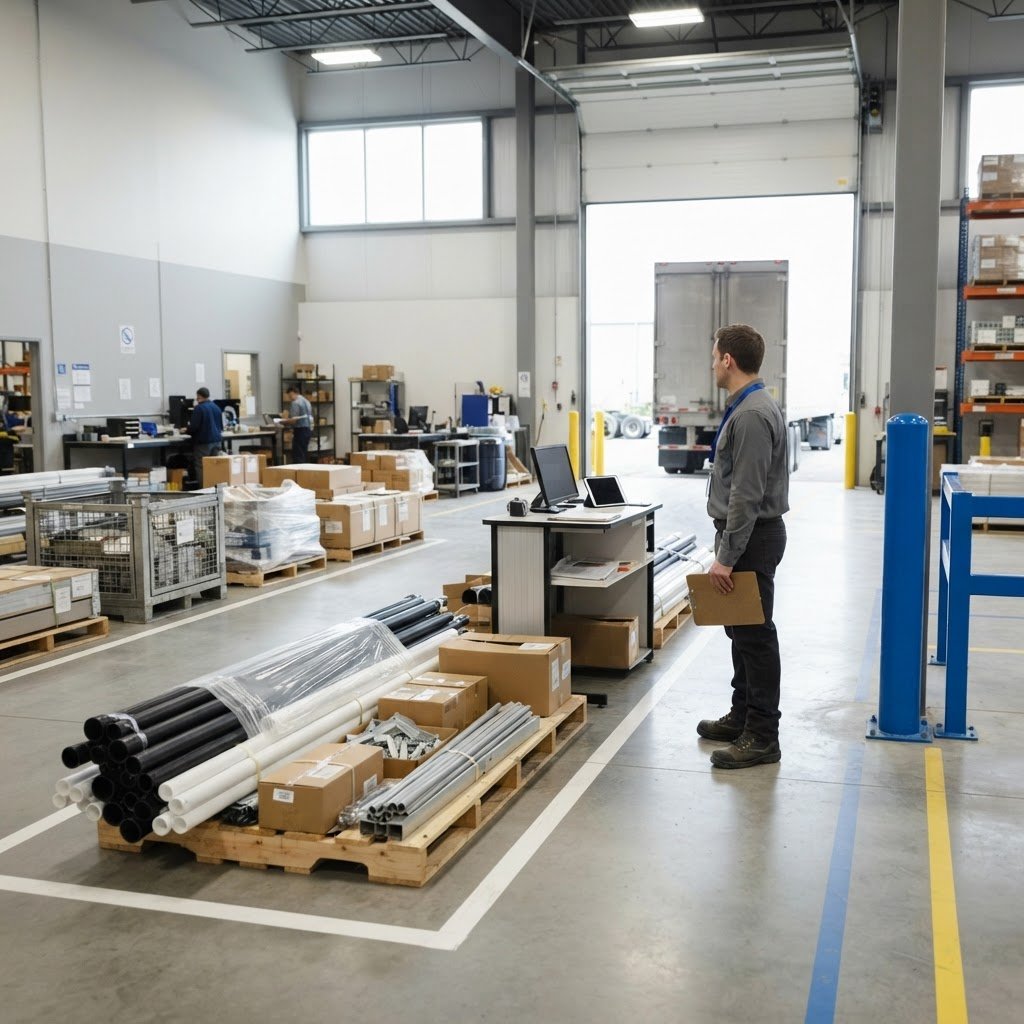
Ask whether the carrier can collect from the pickup location, whether freight will be transferred through terminals, and whether the receiving site has a dock, forklift, and personnel available. For pallet shipping services, Montreal businesses also need to account for tight urban access, time-specific receiving rules, and liftgate needs. Before booking, consult an LTL freight class chart so the commodity description aligns with the quoted class.
Use direct carrier comparisons without adding broker layers#
A direct-to-carrier marketplace changes the quoting workflow by broadcasting one request to carriers serving the lane rather than requiring separate calls and email chains. Truxweb lets Quebec and Ontario SMEs compare carrier rates, transit times, ratings, and detailed booking fees before confirmation, while its concierge team can help resolve operational issues. The platform reports that 92% of carriers reply within 30 minutes during business hours, which can reduce quote collection delays when a project schedule changes.
Conclusion#
Book LTL freight for construction materials by defining the shipment exactly as it will appear at pickup, then comparing carriers on more than the displayed rate. Correct freight class, durable packaging, disclosed accessorials, and a workable receiving plan protect both the budget and the schedule. For SMEs moving recurring pallet freight across Quebec, Ontario, or the United States, direct carrier comparisons, transparent booking details, and operational support can simplify the process. The strongest booking decisions happen before the truck arrives, not after a reweigh, damage report, or failed delivery attempt.
Need to compare carriers for your next material shipment? get an LTL quote and review available options in one place.
Frequently Asked Questions (FAQs)#
What is LTL shipping?#
LTL shipping is a shared-trailer freight method for shipments that do not require dedicated truck capacity, allowing several shippers’ palletized loads to move within the same equipment while each shipper pays according to shipment characteristics and requested services.
How do I ship construction materials by LTL freight?#
To ship construction materials by LTL freight, secure each item on a sound pallet, provide post-packaging dimensions and weight, state the commodity and freight class, and disclose site conditions such as dock availability, forklift access, or liftgate requirements.
How to get the best LTL shipping rates for building supplies?#
To get the best LTL shipping rates for building supplies, submit consistent and complete shipment information to several qualified carriers, because accurate weight, dimensions, class, lane, and accessorial requirements prevent rate revisions that make a low quote more expensive.
Is LTL shipping cheaper than full truckload for construction materials?#
LTL shipping is often cheaper than full truckload for construction materials that occupy only part of a trailer, while full truckload can change the economics when shipment volume needs dedicated capacity and direct origin-to-destination handling.
What freight class do construction materials fall under?#
Construction materials fall under different freight classes because classification reflects density, handling, stowability, and liability, so a buyer should classify the packaged shipment rather than assuming that lumber, fixtures, pipe, or hardware always use one class.
Can I ship construction materials from Canada to the United States?#
Construction materials can ship from Canada to the United States when the shipper supplies the required shipment and packaging documentation, confirms the carrier’s cross-border process, and ensures wood packaging materials meet applicable import requirements.
About the author
