LTL from Quebec to Moncton, Dieppe and Halifax: Pallet Shipping
A breakdown of LTL transit times, pricing factors, and carrier coverage for Quebec businesses shipping pallets to Moncton, Dieppe, and Halifax.
By Max Gravel · 7 min read ·

Quick Answer
For LTL shipping from Quebec to Moncton, Dieppe, or Halifax, plan delivery windows around carrier routing, terminal handoffs, pickup readiness, and Atlantic weather rather than a fixed promise. Pricing is custom for each shipment and is driven by pallet dimensions, weight, freight class, accessorial needs, origin, destination, and available carrier capacity.
Introduction
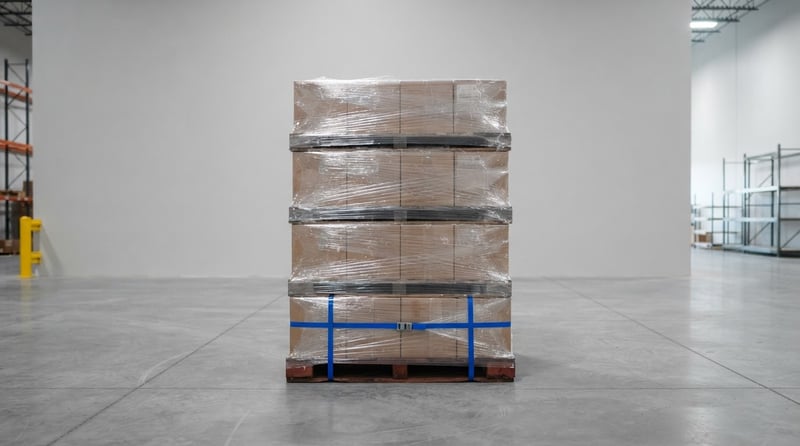
Quebec shippers moving palletized freight to Moncton, Dieppe, and Halifax need lane-specific planning because these destinations depend on regional carrier coverage and multi-terminal freight networks. LTL shipping works well for partial loads, but a quote can change materially when a shipment needs residential service, a liftgate, an appointment, or delivery beyond a carrier’s usual urban route. Halifax deliveries also add more linehaul distance after New Brunswick terminal handling, while rural stops can require local transfer arrangements. A pallet that is ready at pickup can still lose time when its paperwork, dimensions, or consignee instructions are incomplete.
Key Takeaways
Book early when delivery dates in Moncton, Dieppe, or Halifax are firm.
Accurate pallet details prevent reclassification, reweighs, and avoidable accessorial charges.
Compare carrier routing and delivery conditions, not only the lowest quoted price.

LTL Shipping From Quebec to the Maritimes: Planning Your Shipment
The Quebec-to-Maritimes corridor is not a simple extension of a Quebec or Ontario lane. Freight headed to Moncton and Dieppe generally moves through New Brunswick coverage, while Halifax requires continued movement into Nova Scotia, often with additional terminal handling and a final-mile dispatch decision. Review this overview of Quebec-to-Atlantic LTL lanes for broader routing context, then assess the specific pickup and delivery addresses before committing to a service level.
What determines a realistic delivery window
A realistic transit plan starts with the carrier’s actual pickup cutoff, terminal schedule, linehaul route, and delivery area. Do not treat a broad Canada-wide transit estimate as a service commitment for freight bound for Moncton, Dieppe, or Halifax.
Pickup readiness: Freight must be wrapped, labeled, and available when scheduled.
Terminal handoffs: Consolidated loads can move through several regional terminals.
Delivery access: Liftgates, appointments, and limited receiving hours add coordination.
Rural routing: Outlying New Brunswick locations may require local delivery partners.
Weather exposure: Winter conditions can disrupt linehaul and final-mile schedules.
Why Moncton, Dieppe, and Halifax differ
Moncton and Dieppe sit within a connected urban freight area, but the exact postal code, receiving hours, dock access, and requested services still affect dispatch. Halifax adds distance and may involve a separate Nova Scotia terminal cycle. Provincial road requirements also shape equipment planning: Nova Scotia permits commercial vehicles registered elsewhere in Canada to operate there once they meet the province’s road weight limits under its rules for vehicle weights and dimensions.[1]
How to Compare LTL Freight Quotes for This Lane
A freight quote is useful only when every carrier prices the same shipment facts. Before you compare LTL freight shipping quotes, confirm pallet count, total weight, dimensions, commodity description, pickup equipment, delivery equipment, and whether the receiver has a dock. This protects your budget from charges created after pickup when the freight differs from the booking record.
Compare the operational terms, not just the price
Carrier coverage gaps often show up as limited pickup days, restricted delivery zones, or a lack of equipment for non-dock locations. A quote to Halifax that looks lower may not include the same delivery appointment, notification, or liftgate requirement as another quote, so the booking terms need a line-by-line review.
The table below separates the practical factors that should be compared before sending pallet freight from Quebec into Atlantic Canada.
Decision factor | Moncton and Dieppe | Halifax | What to confirm |
|---|---|---|---|
Linehaul routing | New Brunswick terminal routing | Continued Nova Scotia movement | Pickup and delivery schedule |
Final-mile service | Urban address and dock access | Urban address and dock access | Liftgate, appointment, notification |
Quote basis | Custom to shipment details | Custom to shipment details | Weight, dimensions, class, accessorials |
Weather contingency | Road and terminal conditions | Road and terminal conditions | Flexible receiving window |
The main takeaway is that a valid comparison requires identical freight and service inputs. Canadian LTL rates also vary with carrier cost conditions: published freight indexes show that total cost, base rates, and fuel surcharges can each move independently from month to month. Confirm current fuel and accessorial treatment directly with the carrier at the time of quoting, since published index figures age quickly and can shift the real cost of a lane.
Use carrier capacity without losing control
Shipping from Quebec to Atlantic Canada requires access to carriers that actually cover the lane on the required dates, not a generic carrier list. Truxweb lets a shipper send one request to participating carriers, compare quoted rates, transit times, carrier ratings, and booking fees, then book from the same workspace. Its marketplace is designed for SMEs moving one to eight pallets, and carrier replies can arrive quickly during business hours, but the final booking should still match the shipper’s delivery deadline and accessorial requirements.
Pallet Preparation and Documentation for Atlantic Deliveries
Interprovincial LTL does not require customs clearance, but it does require a complete bill of lading and an accurate shipment record. Treat the bill of lading as the carrier’s operating instruction: it identifies who releases the freight, what moves, where it goes, and which services must be performed at each end.[2]
Build a pallet record a terminal can use
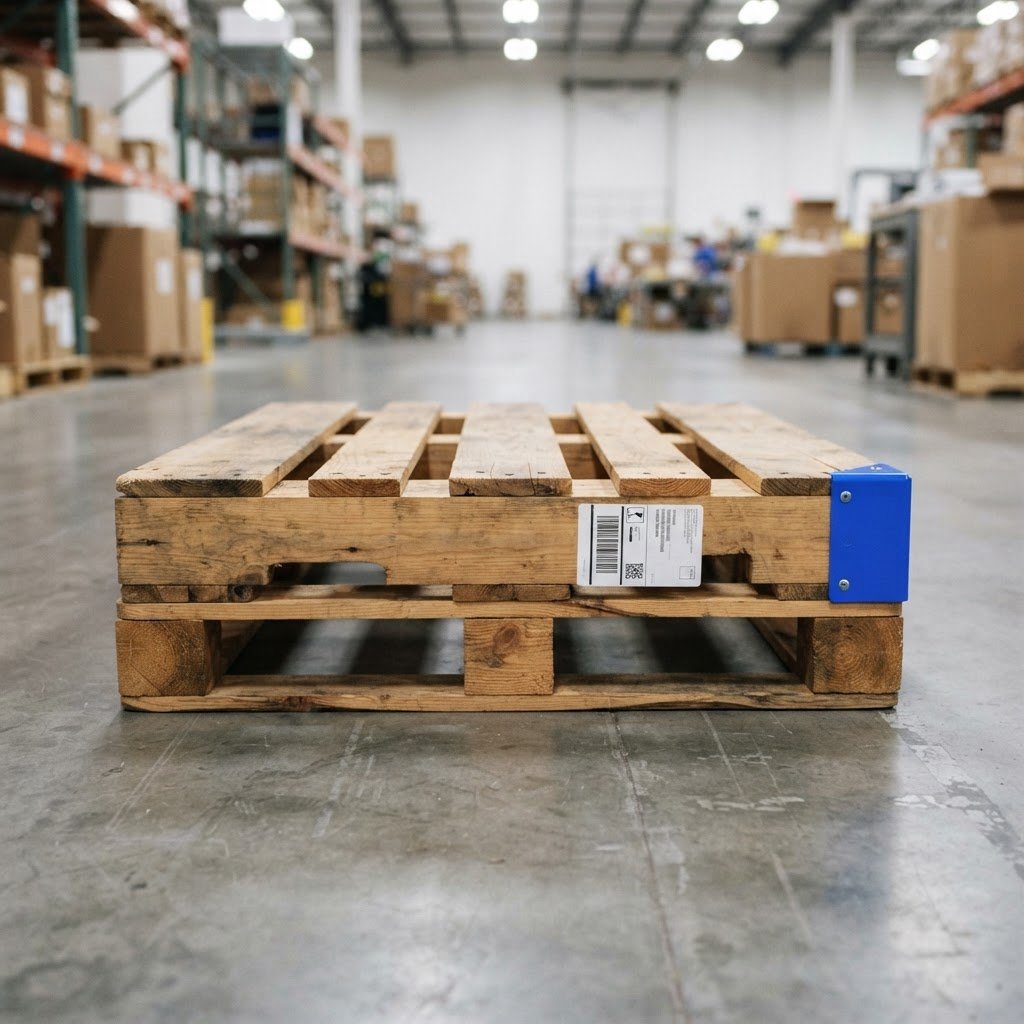
Record each pallet’s length, width, height, gross weight, commodity, and packaging before requesting pricing. State whether pallets are stackable, whether anything overhangs the pallet footprint, and whether the freight needs handling precautions. These details support accurate pallet shipping cost estimates and reduce the risk of a reweigh or reclassification after the carrier collects the shipment.
Use a clear consignee name, full address, receiver contact, receiving hours, purchase-order or reference number, and instructions for appointments or notifications. For construction deliveries or smaller commercial sites in Moncton, Dieppe, and Halifax, confirm in advance whether a loading dock, forklift, or other unloading equipment is available.
Prepare for seasonal disruptions before booking
Atlantic weather does not create a predictable delay on every shipment, but storms, freezing rain, snow, wind, and road restrictions can change dispatch decisions quickly. Build flexibility into appointments and communicate receiving constraints early. Equipment rules also matter at a network level, with the Atlantic provinces publishing configuration and weight requirements such as the 62,500 lbs maximum gross weight listed for B-Trains in Atlantic truck weight guidance.[3]
Conclusion
For pallet freight from Quebec to Moncton, Dieppe, and Halifax, the safest approach is to book against confirmed carrier routing, exact pallet data, and the receiver’s true delivery conditions. Compare like-for-like quote terms, leave room for weather-related operational changes, and make the bill of lading complete before pickup. Truxweb is a practical choice for Quebec SMEs that need to compare carrier options and booking terms for this corridor without relying on separate phone and email quote requests. Use freight transit-time guidance as part of your planning process, then align the selected service with the delivery date you promised your customer.
Need pricing for this corridor? Get a Quebec-to-Maritimes freight quote with Truxweb for your pallet shipment.
Frequently Asked Questions (FAQs)
How long does LTL take from Quebec to Halifax?
LTL from Quebec to Halifax depends on the origin terminal, pickup cutoff, carrier linehaul schedule, terminal handling, weather, and final-mile dispatch, so a shipper should confirm the quoted transit window and avoid treating a general estimate as a guaranteed delivery date.
What is the cost to ship a pallet to Moncton?
The cost to ship a pallet to Moncton is custom because carriers price the shipment’s weight, dimensions, freight class, origin, delivery address, equipment needs, and requested services, including appointments, notifications, and liftgate handling where applicable.
How fast can I get an LTL freight quote for Atlantic Canada?
An LTL freight quote for Atlantic Canada can arrive during business hours after carriers receive complete pallet and location details, and Truxweb reports that 92% of carriers reply within 30 minutes when a request is broadcast through its marketplace.
Why do LTL freight rates vary so much on the Quebec to Maritimes lane?
LTL freight rates vary on the Quebec-to-Maritimes lane because carrier capacity, terminal routing, fuel treatment, shipment density, pallet characteristics, destination access, and extra handling requirements can differ substantially from one booking request to another.
What documents are needed for interprovincial pallet shipping?
Interprovincial pallet shipping needs a complete bill of lading with shipper and consignee details, pickup and delivery addresses, pallet count, weight, dimensions, commodity description, reference numbers, and every required service instruction clearly stated.
How do weather and ferry crossings affect Atlantic Canada delivery times?
Weather and ferry-related network disruption can affect Atlantic Canada delivery times by changing linehaul, terminal, and final-mile dispatch decisions, so flexible receiving arrangements and early communication help protect shipments headed to Moncton, Dieppe, or Halifax.
Sources
- Vehicle Weights and Dimensions — novascotia.ca ↩
- Bills of Lading and Uniform Conditions of Carriage — Province of Manitoba ↩
- Atlantic Provinces - Canada Semi Trucks Weights and Dimensions — bigtruckguide.com ↩
About the author