

Introduction
Canadian businesses shipping LTL freight face a frustrating reality: manual quoting, scattered carrier communications, and opaque pricing eat into margins every single week. Logistics automation eliminates these bottlenecks by replacing phone calls, email chains, and spreadsheets with digital workflows that compare rates, book shipments, and track freight in minutes instead of hours. For small and medium-sized shippers in Ontario, Quebec, and across Canada, adopting an automated shipping platform is no longer a future ambition but a present-day competitive advantage. The difference between companies paying market-rate freight and those overspending by 20% or more often comes down to whether their booking process runs on automation or manual effort.
Key Takeaway: Logistics automation allows Canadian SMBs to compare carrier rates instantly, book shipments in a single click, and track freight in real time, cutting costs by up to 40% while eliminating hours of manual coordination each week.
How Logistics Automation Reduces Freight Costs
Freight cost optimization starts with visibility into what carriers actually charge. When shippers rely on a single broker relationship or manual quote requests, they accept whatever price comes back first rather than the best price available. An automated shipping workflow flips this dynamic by soliciting competitive bids from multiple carriers simultaneously and presenting them side by side within minutes.
Automated Quote Comparison and Rate Transparency
Before automation, getting three quotes for a single LTL shipment could take half a day of emails and callbacks. An automated quote comparison engine sends your shipment details to every eligible carrier at once, then returns rates ranked by price, transit time, and service rating. This transparency forces carriers to compete on your freight rather than relying on your loyalty or lack of alternatives.
- Speed: Quotes returned in under 30 minutes versus hours or days with manual outreach
- Coverage: Access to dozens of carriers through a single multi-carrier shipping platform instead of managing individual relationships
- Accuracy: Standardized digital inputs reduce misquotes caused by phone miscommunication or incomplete emails
- Savings: Side-by-side comparison reveals rate gaps that shippers never see when working with one carrier at a time
Eliminating Hidden Costs in Manual Booking
Manual freight booking hides costs that never appear on a rate sheet. Staff time spent requesting quotes, following up with carriers, re-entering shipment data across systems, and reconciling invoices adds up to thousands of dollars monthly for businesses shipping even a handful of pallets per week. A recent look at rising shipping costs across Canada confirms that these operational inefficiencies compound on top of already-increasing base rates.
Automation eliminates double data entry, auto-populates shipment fields from saved profiles, and consolidates invoicing into a single statement. The result is not just a lower per-shipment cost but a lower total cost of shipping operations. For a business in the Toronto GTA running 15 to 20 LTL shipments per week, reclaiming even two hours of staff time per day translates into meaningful operational savings beyond the freight rate itself.
Key Features That Make Automated Shipping Work
Not every platform labeled as supply chain automation software delivers the same capabilities. The features that actually move the needle for Canadian LTL shippers go beyond basic online booking. They address the full lifecycle of a shipment from quote to delivery confirmation, replacing fragmented tools with a unified workflow.
Automated Dispatch Management and Real-Time Visibility
Once a booking is confirmed, automated dispatch management takes over. The system notifies the carrier, generates pickup details, and sends real-time shipping visibility updates to the shipper at each milestone: dispatch confirmed, picked up, in transit, out for delivery, and delivered. No more calling carrier dispatch desks to ask where your freight is.
This visibility does more than reduce anxiety. It enables proactive problem-solving. When a shipment is flagged as delayed, automated alerts let shippers notify their customers or adjust receiving schedules before the issue becomes a complaint. Businesses in Ontario and Quebec that operate on tight end-to-end freight visibility windows benefit enormously from knowing exactly where every pallet sits at any given moment.
Direct Carrier Communication Without Leaving the Platform
One of the most overlooked friction points in freight shipping is communication. Traditional workflows force shippers to juggle email threads with multiple carriers, often losing context or missing urgent updates buried in crowded inboxes. The best logistics automation software in Canada integrates messaging directly into the booking platform, letting shippers chat with carrier dispatch teams in the same interface where they manage quotes and track shipments.
This consolidation matters because it creates a single audit trail. Every instruction, every confirmation, and every exception is logged in one place. When disputes arise over pickup windows or accessorial charges, the documentation is already there. Platforms like Truxweb build this direct communication into the core workflow, so shippers never need to leave the platform to resolve operational questions with their carriers.
Making the Shift From Manual to Automated Freight Operations
The transition from manual booking to freight automation does not require a complete technology overhaul. Most Canadian SMBs can adopt automated shipping within days, not months. The key is understanding what the shift actually looks like in daily operations and what to evaluate when choosing a platform.
What Changes When You Automate
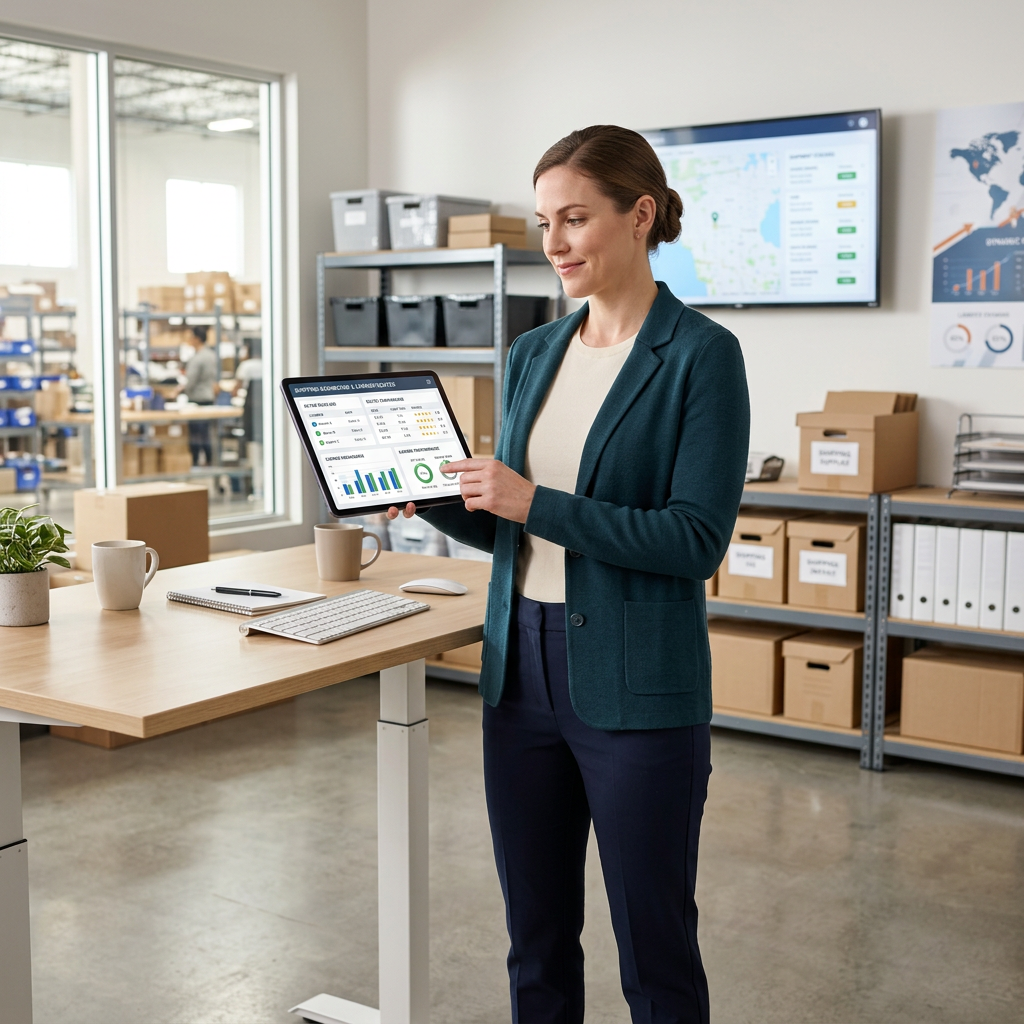
Consider the before-and-after for a typical shipping coordinator. Before automation, the morning starts with checking email for carrier responses from yesterday's quote requests, manually entering shipment details into a spreadsheet, calling carriers that have not responded, and then spending 20 minutes comparing rates across disparate formats. After implementing an automated shipping platform, the same coordinator opens a dashboard, enters shipment specs once, receives ranked quotes within minutes, and books with a single click. The time freed up shifts from administrative busywork to higher-value tasks like shipping efficiency strategy and customer relationship management.
Freight automation vs manual booking is not a marginal improvement. Businesses that have been operating under Canadian transportation regulations know that compliance adds complexity to every shipment. Automation handles regulatory documentation and carrier safety verification in the background, reducing the risk of booking with non-compliant operators.
What to Look for in a Platform
When evaluating automated shipping software, Canadian shippers should prioritize four capabilities: instant multi-carrier quoting, automated milestone notifications, integrated carrier communication, and consolidated billing. Platforms that require you to still email carriers separately or reconcile invoices from multiple sources are only partially automated. Full automation means one login, one workflow, and one payment process for all your LTL freight.
Carrier quality matters as much as platform features. A system that connects you to unreliable carriers at low prices creates more problems than it solves. Look for platforms that enforce carrier performance standards and monitor safety compliance continuously. Research into automation in freight transport systems consistently shows that the combination of technology and quality controls produces better outcomes than either alone. Truxweb, for example, requires all carriers to maintain a minimum 95% satisfaction rating and runs daily compliance checks through SaferWatch, ensuring that cost savings never come at the expense of reliable freight management.
Businesses in Quebec benefit from the same platform capabilities as those in the GTA, with the added advantage that digital freight platforms remove geographic barriers to carrier access. A shipper in Montreal or Quebec City can compare rates from carriers across Eastern Canada without being limited to local broker networks. This expanded reach is particularly valuable for businesses shipping between provinces, where manual processes often mean accepting the first available carrier rather than the most cost-effective option.
Conclusion
Logistics automation is not a luxury reserved for enterprise shippers with massive IT budgets. For Canadian SMBs moving LTL freight across Ontario, Quebec, and interprovincially, it represents the most direct path to lower costs, faster bookings, and complete shipment visibility. The tools exist today to eliminate manual quoting, automate dispatch alerts, and consolidate carrier management into a single platform. Businesses that continue relying on phone calls and email chains are not just wasting time; they are paying more for freight than their automated competitors.
Start comparing carrier rates instantly on Truxweb and see how much your business can save on LTL freight across Canada.
Frequently Asked Questions (FAQs)
What is a logistics automation platform?
A logistics automation platform is software that digitizes freight booking, quoting, tracking, and carrier communication into a single workflow, replacing manual processes like phone calls and email chains.
How do I automate freight shipping?
You automate freight shipping by adopting a platform that handles quote requests, carrier selection, booking confirmation, and shipment tracking through digital workflows instead of manual coordination.
What features does automated shipping software have?
Core features include instant multi-carrier quote comparison, automated dispatch and delivery notifications, real-time shipment tracking, integrated carrier messaging, and consolidated billing.
How does automated shipment tracking work?
Automated shipment tracking pulls status updates directly from carriers at each milestone and pushes notifications to shippers without requiring manual check-ins or phone calls.
How much can I save on freight costs with automation?
Canadian businesses using automated platforms typically save 20% to 40% on freight costs through competitive rate comparison and elimination of brokerage markups.
Is logistics automation available for small businesses in Ontario?
Yes, logistics automation platforms are designed for businesses of all sizes, and many Canadian platforms specifically serve SMBs shipping as few as one to eight pallets at a time.
How does freight automation compare to manual booking?
Freight automation delivers quotes in minutes instead of hours, eliminates data re-entry errors, provides real-time visibility, and typically produces lower rates through carrier competition.