
Quick Answer
A digital freight marketplace can streamline Quebec-Ontario shipments by sending one complete request to qualified carriers, returning comparable options, and reducing separate calls or email chains when the shipment fits the platform's supported service scope. For a full trailer load, the operational advantage is control over carrier selection, pricing details, pickup coordination, and shipment updates in one workflow.
Introduction
FTL shipping is appropriate when your freight can use most or all of a trailer, needs dedicated handling, or has a pickup and delivery schedule that cannot be shared with other shippers. Interprovincial freight movement is a routine part of Canadian trucking operations. For SMEs, the practical challenge is not understanding that trucks move between provinces, but finding a carrier that can accept the load on the required date with terms that are visible before booking. A missed pickup can quickly affect production schedules, customer appointments, and cross-border handoffs.
Key Takeaways:
FTL gives one shipper dedicated trailer capacity and direct control over timing.
Carrier comparison helps SMEs evaluate price, transit, ratings, and booking fees before confirmation.
Accurate shipment details reduce dispatch problems and support reliable pickup planning.

FTL Shipping for Quebec-Ontario Freight
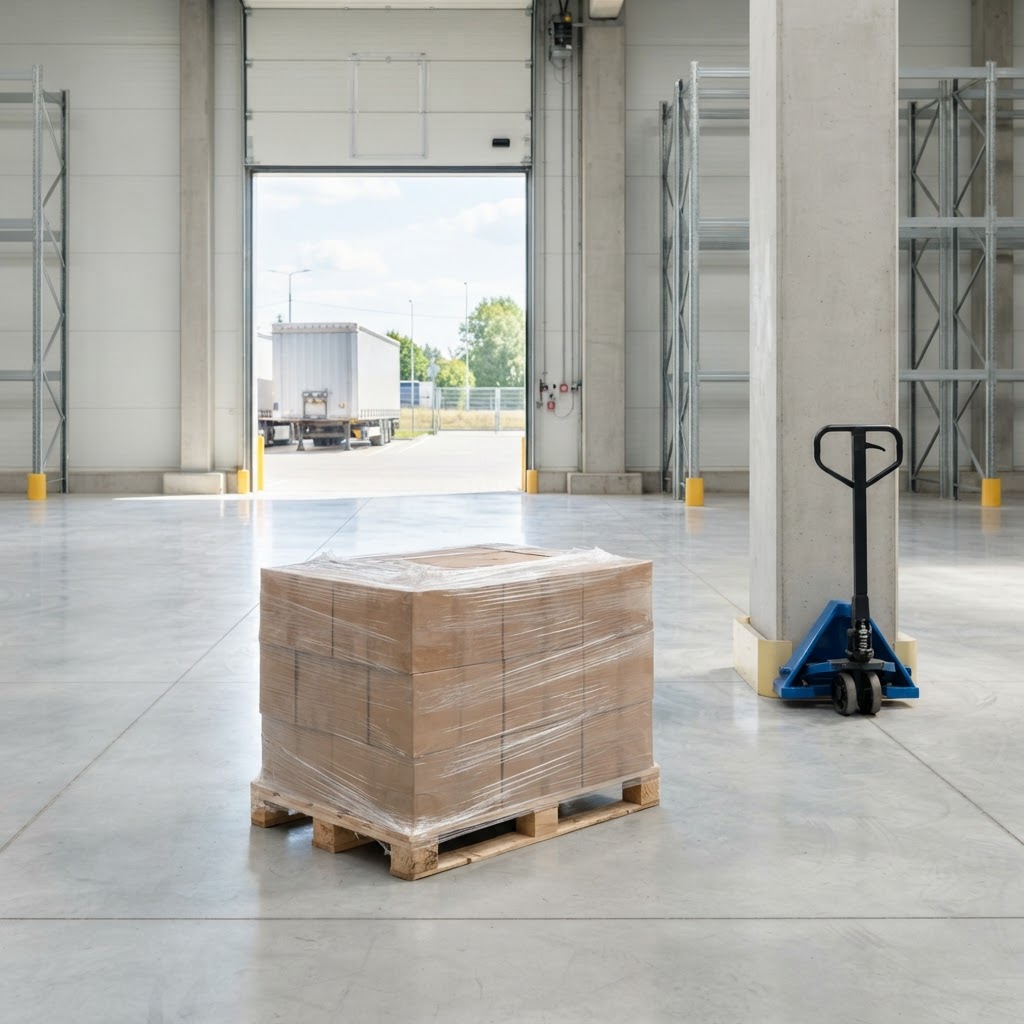
Full truckload freight assigns trailer space to one shipment rather than combining it with freight from several customers. For trucks over 15 tonnes, 59.1% of vehicle-kilometres are intra-province trips, compared with 20% inter-province, 13.8% Canada-U.S., and 7.1% outside Canada, according to Transportation in Canada. That arrangement can simplify loading, reduce handling points, and give the shipper a clearer pickup window, particularly when freight is large, time-sensitive, or difficult to move through a shared network. Before requesting equipment, confirm the commodity, total weight, dimensions, pallet count, loading method, pickup availability, delivery restrictions, and any temperature or securement requirements.
When a Dedicated Trailer Makes Operational Sense
FTL is not simply a larger version of a pallet shipment. It changes how the shipment is planned because the carrier needs enough detail to assign suitable equipment, dispatch capacity, and a driver whose schedule matches both facilities. Review truckload versus LTL early, because the wrong mode can create avoidable handling, timing, and accessorial issues.
Trailer utilization: Use FTL when freight occupies substantial trailer capacity.
Dedicated movement: One shipper controls the trailer’s pickup and delivery plan.
Handling exposure: Fewer terminal transfers can reduce handling events.
Appointment discipline: Confirm dock hours and receiving requirements before dispatch.
Why the Corridor Requires Complete Shipment Data
Trucking companies Quebec to Ontario need precise origin and destination details because urban receiving sites may impose appointment rules, equipment restrictions, or limited dock access. A shipper should state whether loading is live, whether a forklift is available, whether the freight can be stacked, and whether the consignee requires a specific reference number. Those details allow a carrier to price the work as dispatched, rather than revisit it after a truck arrives.
How a Digital FTL Marketplace Matches Carriers
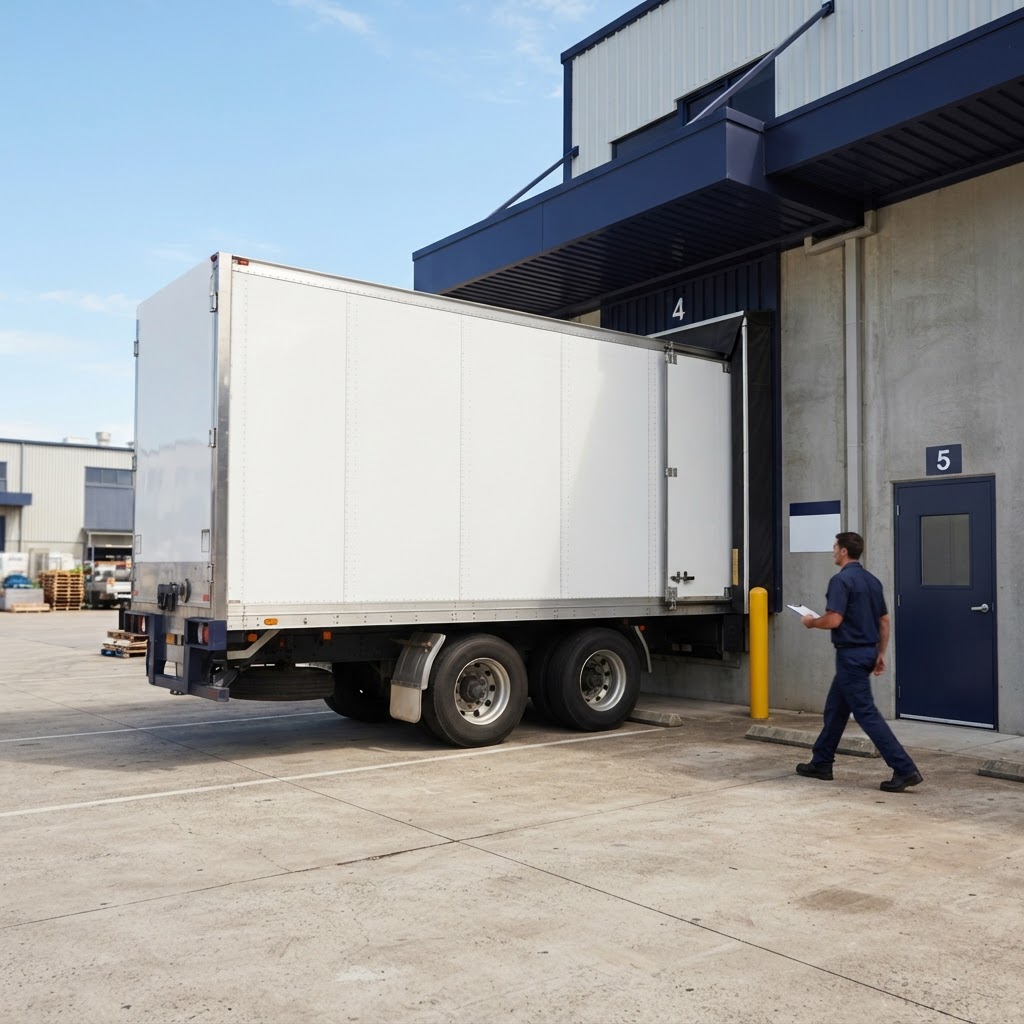
A digital FTL marketplace turns one complete shipment request into a structured carrier search. Instead of a broker manually calling through a carrier list, the marketplace broadcasts the request to network carriers serving the lane and presents responses for review. This direct-to-carrier approach lets the shipper see competing transportation options while the platform manages the request workflow.
Carrier Vetting Is More Than a Rating
Carrier selection should include operational and compliance evidence, not only a quoted rate. Truxweb states that it monitors carriers daily through SaferWatch for federal and provincial safety and compliance information. For regulated movements, dispatch and equipment records matter because carriers are required to retain equipment, maintenance, and dispatch records, with retention periods that vary by province.
Dangerous goods require another level of preparation. Shippers should confirm the applicable dangerous-goods requirements, and employees must receive training before handling dangerous goods, as outlined in dangerous goods requirements. A platform can help coordinate a shipment, but it does not replace the shipper’s responsibility to provide accurate commodity and documentation information.
Comparing Platform Booking With Traditional Broker Outreach
The meaningful distinction is the visibility available before the booking is confirmed. The following comparison focuses on workflow and disclosed platform features, not a universal price claim, because commercial trucking freight rates vary with lane, equipment, timing, freight characteristics, and pickup or delivery conditions.
Decision point | Digital marketplace workflow | Traditional broker outreach |
|---|---|---|
Quote request | One request is broadcast to eligible network carriers. | Broker gathers details and seeks carrier capacity. |
Option review | Rates, transit times, carrier ratings, and booking fees are shown side by side. | Options are relayed through the broker’s process. |
Carrier communication | In-platform chat connects the shipper with carrier dispatch. | Communication is commonly routed through the broker. |
Booking visibility | According to Truxweb, booking fees are displayed with no hidden markups. | Fees and pricing structure depend on the broker agreement. |
For a time-sensitive lane, transparent freight shipping quotes make it easier to identify whether a higher price reflects faster transit, different equipment, or a specific service condition. Truxweb reports that 92% of its carriers respond within 30 minutes during business hours, giving shippers a defined expectation for the first stage of quote collection.
Booking and Managing an FTL Shipment
The most reliable booking process begins before a carrier is chosen. Enter complete freight facts, include site contacts who can release and receive the shipment, and attach documents that the driver or dispatch team needs. For cross-border extensions, documentation should be ready before pickup, since missing commercial information can delay clearance after the truck has already been scheduled.
A Practical Request-to-Booking Workflow
Start by creating the shipment with complete pickup and delivery locations, ready date, commodity description, dimensions, weight, required trailer type, and service constraints. Then submit the request and compare responses based on the full operational picture, not the linehaul amount alone. Guidance on how FTL shipping works is useful here because trailer assignment depends on facts that must be confirmed before dispatch.
The company states that a shipment can be booked in under two minutes once the appropriate option has been identified, while its 360-degree dashboard, real-time email alerts, and in-platform dispatch chat keep the shipment visible after confirmation.
Protect the Shipment After Booking
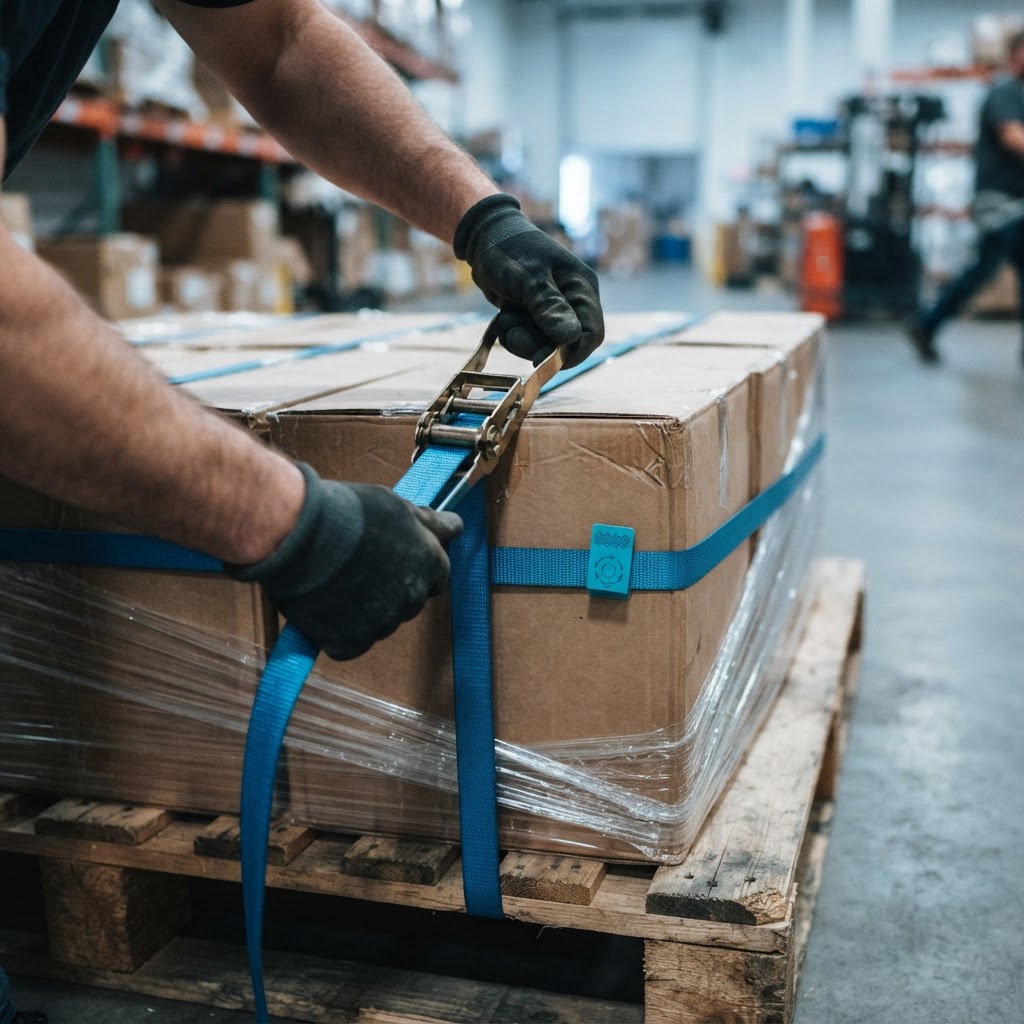
Confirmation is only the handoff to execution. Send the bill of lading and pickup references to the facility, verify that freight is labelled and secured, and make sure receiving staff know the carrier and delivery appointment. For recurring lanes, retain actual pickup and delivery outcomes alongside quoted service details, then use that record when reviewing future FTL transit times and carrier selections.
Conclusion
An FTL carrier platform gives Quebec-Ontario shippers a disciplined way to source capacity, compare carrier responses, and book a dedicated shipment with fewer manual handoffs. The strongest requests include exact freight specifications, facility constraints, and documentation requirements, because these details support an executable quote. Truxweb combines direct carrier access with visible rates, booking details, shipment alerts, and concierge support for SMEs that need operational help without returning to broker-led quote chasing. Treat each completed movement as data for the next booking, especially when delivery appointments or cross-border documents influence the plan.
Need a more visible process for regional freight? Explore Truxweb to plan FTL shipments and compare carrier options in one workflow.
Frequently Asked Questions (FAQs)
What is the difference between FTL and LTL shipping?
The difference between FTL and LTL shipping is that FTL reserves dedicated trailer capacity for one shipper, while LTL combines freight from multiple shippers and generally involves a shared network with more transfer points.
Can I book FTL shipments online in Canada?
You can book FTL shipments online in Canada when a platform supports your origin, destination, equipment needs, and carrier network, but you still need to provide accurate freight, facility, and scheduling details before confirming transport.
How long does it take to get a freight quote?
How long it takes to get a freight quote depends on lane coverage, freight details, equipment demand, and carrier availability, while Truxweb reports that 92% of its carriers reply within 30 minutes during business hours.
Is it better to use a freight broker or direct carrier?
Whether it is better to use a freight broker or a direct carrier depends on the visibility and support your shipment needs, because direct marketplace access can show carrier options while broker arrangements may centralize communication through an intermediary.
Why use an online freight marketplace?
You use an online freight marketplace to submit shipment details once and compare available carrier responses in a single workspace, which can reduce the manual effort of collecting and organizing separate transportation quotes.
How do I choose the best freight carrier for my business?
You choose the best freight carrier for your business by matching equipment, transit commitment, safety and compliance information, service history, booking terms, and facility requirements to the actual needs of each shipment.
About the Author
Sarah Bennett is a Cross-Border Trade & Customs Specialist focused on freight compliance, customs clearance, and Canada-U.S. transportation. Her work emphasizes practical documentation, carrier coordination, and operational controls for shipments moving between Quebec, Ontario, and key U.S. markets.