

Quick Answer
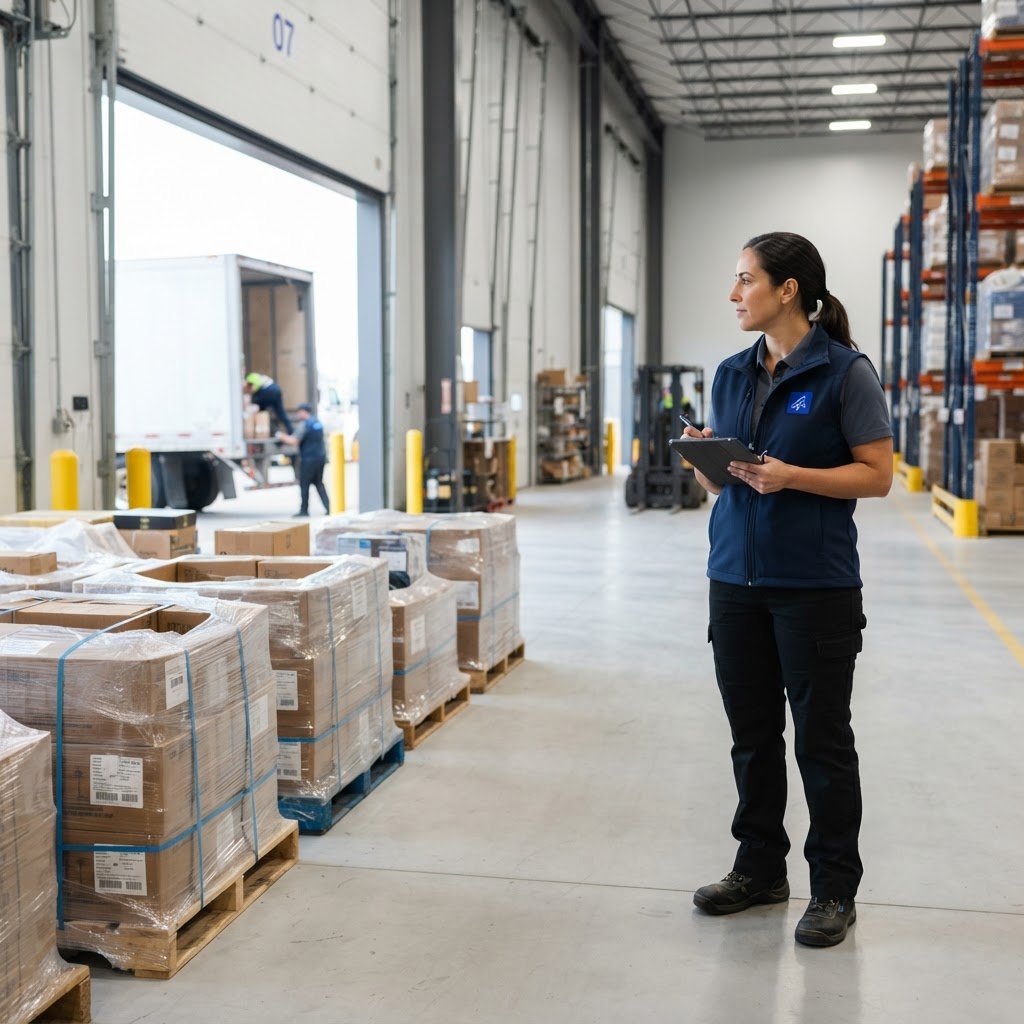
Freight logistics moves goods from a shipper's dock to a receiver's dock through booking, pickup, terminal consolidation, line-haul transport, local delivery, and proof of delivery. For most SMEs, LTL shipping provides the practical model for moving palletized freight because carriers combine compatible loads while each shipper pays for the space used.
Introduction
Freight logistics becomes manageable when you understand the handoffs behind a booked shipment. A pallet does not simply travel from one dock to another: dispatch teams schedule equipment, drivers collect freight, terminals sort it by destination, and local drivers complete delivery. For Quebec and Ontario shippers, accurate dimensions, freight class, paperwork, and receiving requirements shape both the rate and the shipment's path. The most costly disruptions often begin before a truck reaches the pickup dock.
Key Takeaways:
Accurate shipment details let carriers assign the right equipment and terminal route.
LTL combines freight from multiple shippers, creating efficient shared trailer capacity.
Visibility depends on documented milestones from pickup through proof of delivery.
Freight Logistics Starts Before Pickup
A successful shipment begins with a complete freight profile: origin and destination, pallet count, dimensions, weight, commodity, accessorial needs, and pickup availability. This information determines which carrier can serve the lane, whether a liftgate or appointment is needed, and how the freight moves through the network. New shippers can use a guide for first-time shippers to translate dock details into booking information carriers can execute.
Booking, classification, and carrier assignment
Freight class describes the shipment characteristics used to rate many LTL moves, while the bill of lading records what the carrier accepts at pickup. A carrier dispatch team needs consistent information because a pallet that differs from the booking can require re-rating, different equipment, or a revised route. The following operational checkpoints are part of a Canadian freight shipping process:
Lane: The origin-to-destination route a carrier prices and services.
Freight class: A rating category based on freight characteristics.
Bill of lading: The shipment record tendered to the driver.
Accessorials: Services such as liftgates, appointments, or residential delivery.
Pickup window: The time when freight is ready for collection.
What happens at the shipper's dock
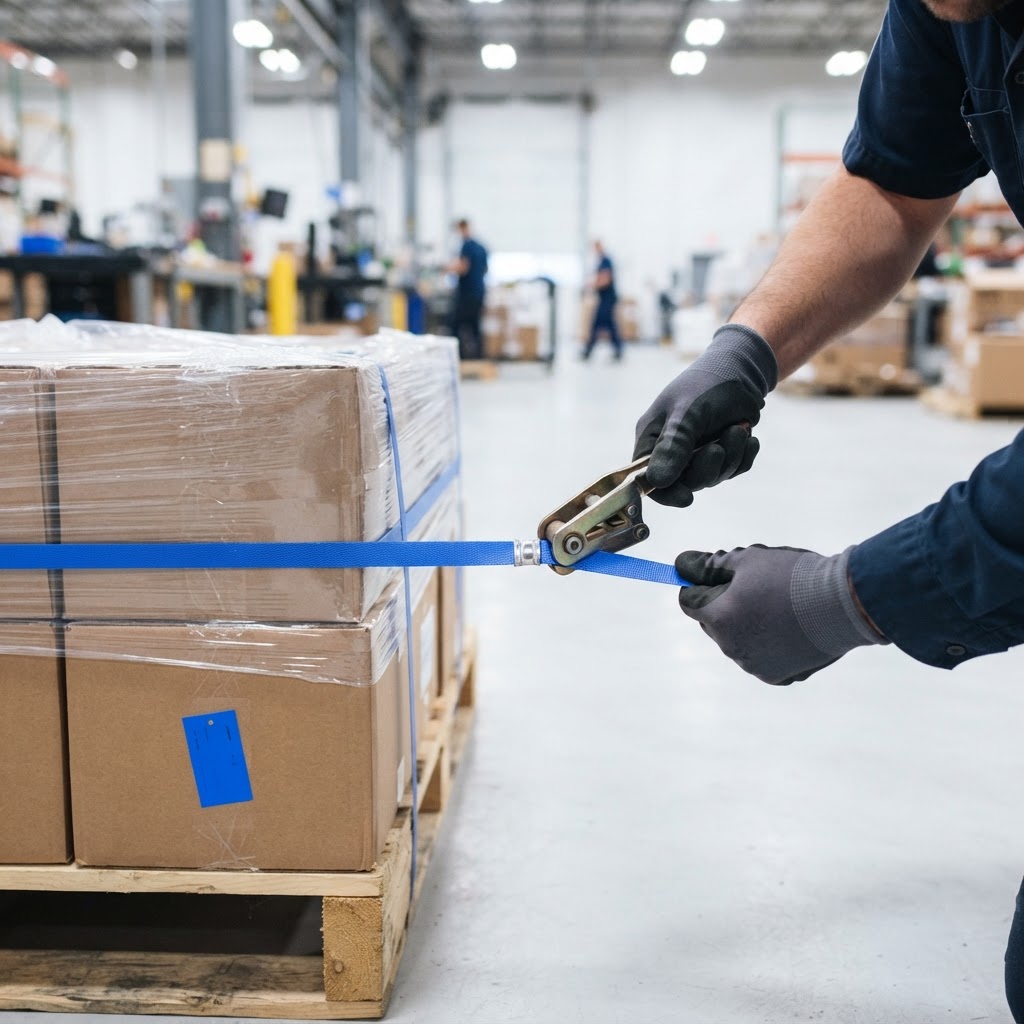
At pickup, the driver checks the visible freight against the bill of lading, loads the pallets, and begins the carrier's custody record. Shippers should secure cartons, prevent overhang, label each pallet clearly, and keep the freight available within the agreed window. This early discipline matters because LTL transit times in Canada typically range from 3 to 7 business days for most lanes, with rural or remote destinations often requiring an extra 1–2 days due to lower-frequency delivery schedules, terminal handling simply creates more touchpoints than a direct truckload move.
How LTL Shipping Services Move Freight Between Docks
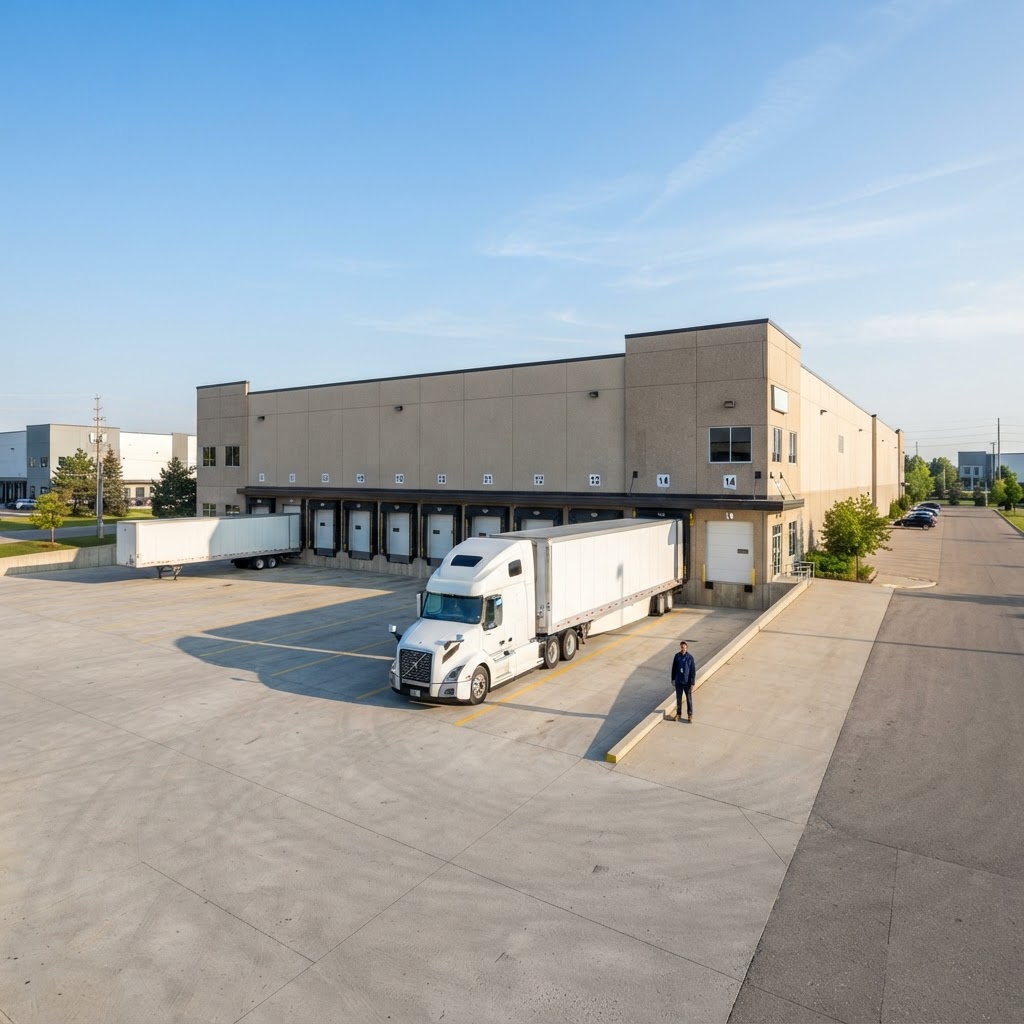
LTL shipping services use a hub-and-spoke network rather than dedicating an entire trailer to one shipment. A pickup driver brings freight to an origin terminal, terminal staff sort it by destination, a line-haul trailer moves it toward the destination region, and a local driver handles final delivery. Understanding how LTL shipping works helps shippers set realistic expectations for scans, handoffs, and transit windows.
Terminals, line-haul, and final-mile delivery
A freight terminal is a transfer point where workers unload inbound trailers, stage pallets, and load outbound equipment by route. Each transfer adds network efficiency, but it also makes packaging and labels operationally important. The way a carrier operates its freight terminals determines whether a pallet flows quickly to line-haul or waits for the next scheduled departure.
After line-haul, the destination terminal assigns freight to a delivery route. The final-mile driver verifies receiving conditions, obtains a signature or exception notation, and creates proof of delivery. A clean proof of delivery confirms receipt, while a damage or shortage note preserves the facts needed for follow-up.
The table compares the information flow in a traditional broker process with a direct digital marketplace process. The physical carrier journey remains similar, but the shipper's ability to compare and monitor options changes.
Decision point | Traditional broker process | Direct-to-carrier digital platform |
|---|---|---|
Quote request | Often managed through calls or email | One request reaches participating carriers |
Carrier comparison | Options are relayed by the broker | Rates, transit times, and ratings can appear side by side |
Booking confirmation | Broker confirms carrier assignment | Shipper confirms the selected carrier digitally |
Status communication | Updates may pass through the broker | Platform alerts and carrier dispatch communication can be visible |
Fees | Pricing structure may vary by broker | Booking fees should be shown before confirmation |
The practical difference is control at the decision points: you still need accurate freight data, but a direct workflow makes it easier to verify who will move the shipment and what information supports the quoted rate.
Tracking milestones and delivery exceptions
Real-time freight tracking software is most useful when it translates carrier events into actions: pickup completed, terminal received, line-haul departed, out for delivery, or delivery exception. Managing freight logistics in Canada requires more than a map pin because an exception may involve a missed appointment, inaccessible dock, damaged wrapping, or a consignee refusing freight. Record each milestone, notify the receiver early, and retain the bill of lading and proof of delivery together.

Build Visibility Into Your Freight Transportation Services
Visibility begins with a booking workflow that gives the shipper usable carrier, rate, and status information before problems escalate. For SMEs moving one to eight pallets, Truxweb lets users compare carrier quotes, transit times, ratings, and detailed booking fees before confirming a shipment. Its automated email alerts cover dispatch, pickup, and delivery, while in-platform chat gives shippers a direct operational channel with carrier dispatch.
Use documentation to control cross-border moves
Cross-border freight shipments require the same pickup discipline as domestic freight, plus accurate commercial and customs documentation. For shipments involving dangerous goods, shipping document requirements can include consignor business details, the applicable classification, and emergency response information when required. For Canada-bound freight, the CBSA reporting requirements set requirements for reporting imported goods; where evidence of a shortage cannot be provided within 70 days of the initial report, duties and taxes owing on the goods short must be paid.
Border readiness protects transit plans because incomplete records can hold a shipment before it reaches the consignee. For importers using Release Prior to Payment, unregistered importers risk having goods held at the border; consult the CBSA importing checklist for current requirements. For dangerous goods moving by road or rail between Canada and the United States, Transport Canada states that a shipping document prepared under 49 CFR must also include the consignor's business name and address when the consignor is the importer, along with the applicable TDG or UN classification. Assign one owner to review commercial documents against the bill of lading, confirm commodity descriptions before pickup, and ensure the receiver understands the delivery and customs process.
Choose a process that fits recurring SME freight
Freight shipping for small businesses improves when teams standardize the data they enter for every lane, including pallet dimensions, commodity descriptions, dock hours, and receiver contacts. Truxweb's direct-to-carrier freight platform combines that repeatable booking process with carrier comparisons and a concierge team that can help resolve operational issues. This reduces dependence on disconnected email threads without removing the shipper's responsibility to prepare freight and documents correctly.
Conclusion
Freight moves reliably when the shipment details are accurate before pickup, the carrier can route it through terminals efficiently, and every handoff produces a clear status record. Treat the bill of lading, terminal scans, delivery appointment, and proof of delivery as parts of one operating process rather than isolated paperwork. For Quebec and Ontario SMEs that need quote comparison, carrier visibility, and direct booking for recurring pallet freight, this workflow describes how Truxweb can help. Better freight decisions start with data the carrier can act on at the dock.
Ready to make each shipment easier to manage? Explore freight shipping with Truxweb for direct carrier comparisons and booking visibility.
Frequently Asked Questions (FAQs)
What is a freight marketplace?
A freight marketplace is a digital environment where shippers submit shipment details and compare carrier options, allowing them to evaluate rates, available transit information, and booking terms before selecting a carrier for the move.
How does LTL shipping work in Canada?
LTL shipping in Canada works by combining pallets from multiple shippers in shared carrier equipment, moving them through pickup routes, terminals, line-haul trailers, and destination delivery routes instead of reserving a full trailer for one shipment.
How do I track my pallet shipment?
You track a pallet shipment by monitoring carrier milestones such as pickup, terminal arrival, line-haul departure, out-for-delivery status, and signed proof of delivery, then contacting dispatch promptly when an exception appears.
Why is my freight shipping rate so high?
Your freight shipping rate may be high because weight, dimensions, freight class, lane distance, limited service coverage, accessorial requirements, and pickup or delivery constraints all affect the carrier's cost to handle the shipment.
Is LTL shipping reliable for small businesses?
LTL shipping is reliable for small businesses when they provide precise shipment data, package pallets for repeated terminal handling, choose a carrier with service coverage on the lane, and maintain realistic delivery expectations for a shared network.
Can I ship freight from Quebec to the US easily?
You can ship freight from Quebec to the U.S. when the carrier serves the lane and the shipment includes accurate commercial, customs, and commodity documentation that aligns with the bill of lading and importer requirements.
About the Author
Daniel Park is a Freight Logistics Analyst covering LTL shipping, carrier performance, and supply chain operations across Ontario and Quebec. His analysis focuses on practical carrier selection, freight pricing, shipment visibility, and digital workflows that help SMB logistics teams operate with greater control.