

Quick Answer
Freight shipping in Canada moves palletized goods between businesses using LTL (less-than-truckload) or FTL (full-truckload) service, with rates driven by weight, dimensions, freight class, distance, and lane density. For most small and medium-sized shippers moving 1 to 8 pallets between Ontario and Quebec, LTL through a digital marketplace like Truxweb delivers the fastest quotes and the lowest landed cost.
Introduction
Booking freight for the first time can feel like walking into a conversation everyone else started an hour ago. Carriers quote in language you have never used, transit times shift by lane and season, and the same shipment can cost wildly different amounts depending on who you ask. The mechanics behind those numbers are not mysterious, though. Freight pricing in Canada follows a small set of rules tied to weight, dimensions, class, and lane, and once you understand them the whole booking process becomes predictable. What you do with that predictability, whether you keep phoning brokers or move to a digital marketplace, is where real cost savings live.
Key Takeaways:
LTL shipping lets small and medium-sized businesses share trailer space with other shippers and pay only for the portion of the truck their pallets occupy.
Freight rates are driven by weight, dimensions, freight class, distance, and lane density, not by a single flat table.
Digital freight marketplaces compress a multi-day quoting cycle into minutes and expose real carrier ratings before you book.

Understanding LTL Shipping and How It Moves Freight Across Canada
Less-than-truckload shipping is the backbone of freight shipping Canada relies on for smaller B2B loads. Instead of paying for an entire 53-foot trailer, you pay for the space your pallets occupy, and the carrier fills the remaining capacity with freight from other shippers moving along the same lane. That shared-capacity model is what makes LTL shipping Canada wide affordable for anyone moving 1 to 8 pallets at a time.
How LTL Freight Actually Moves
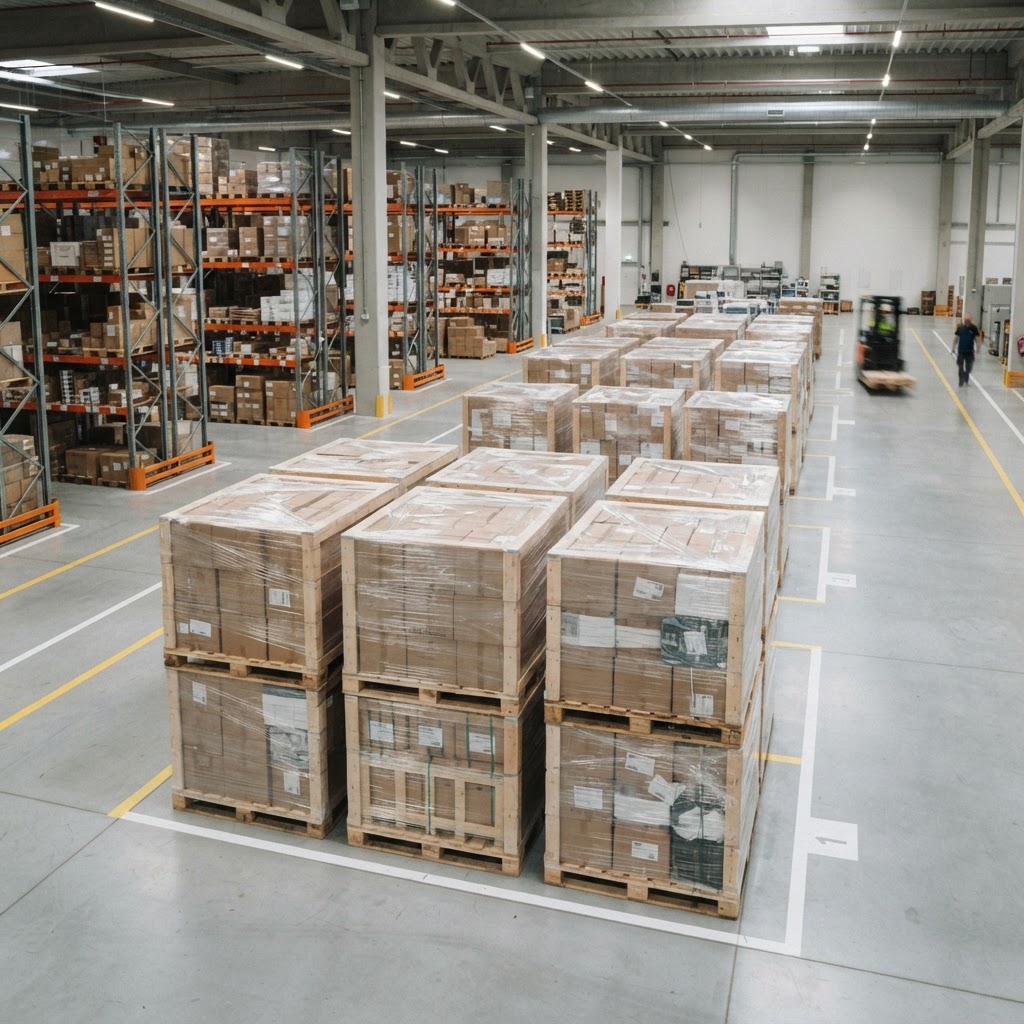
An LTL shipment rarely travels straight from origin to destination. It moves through a hub-and-spoke network: a local truck picks up your pallets, brings them to a regional terminal, consolidates them onto a linehaul trailer with other freight heading the same direction, then breaks the load down at a terminal near the destination for final delivery. For a shipper, this matters because every terminal touch adds handling time and creates opportunities for damage, which is why freight has to be palletized, shrink-wrapped, and labelled correctly before pickup.
Where LTL Fits Against FTL
The decision between LTL and full-truckload usually comes down to volume, fragility, and timing. Once you cross roughly 12 to 14 pallets, or once handling risk becomes a serious concern, FTL starts to make financial and operational sense. Below that threshold, LTL almost always wins on cost per pallet.
Pallet count: LTL is designed for 1 to 8 pallets; FTL is designed for full trailer loads.
Handling: LTL freight is transferred at terminals, while FTL rides on the same trailer from pickup to delivery.
Transit time: FTL is typically faster because it skips the terminal network entirely.
Cost model: LTL prices by weight, class, and space; FTL prices by lane and truck.
Best fit: LTL suits regular smaller shipments; FTL suits large, time-sensitive, or fragile loads.
For a deeper breakdown of when each mode wins, the LTL vs FTL shipping differences guide walks through the tradeoffs by lane and industry. Canadian carriers operate inside a well-defined federal framework, and the federal transportation regulations set the baseline for how goods move between provinces.
Why LTL Dominates Ontario and Quebec Lanes
The Ontario to Quebec corridor is one of the densest freight lanes in the country, which is exactly why LTL works so well there. High shipment volume means carriers run frequent linehauls in both directions, so consolidation happens quickly and transit times stay tight. Shippers moving between Toronto, Montreal, Ottawa, and Quebec City benefit from that density in the form of lower rates and more pickup slots.
How Freight Rates and Transit Times Are Calculated
A freight quote Canada carriers send back is not pulled from a flat rate card. It is calculated from a handful of shipment variables that each move the final price up or down. Understanding those variables is the difference between paying a fair rate and overpaying by hundreds of dollars per shipment.
The Variables Behind Every LTL Rate
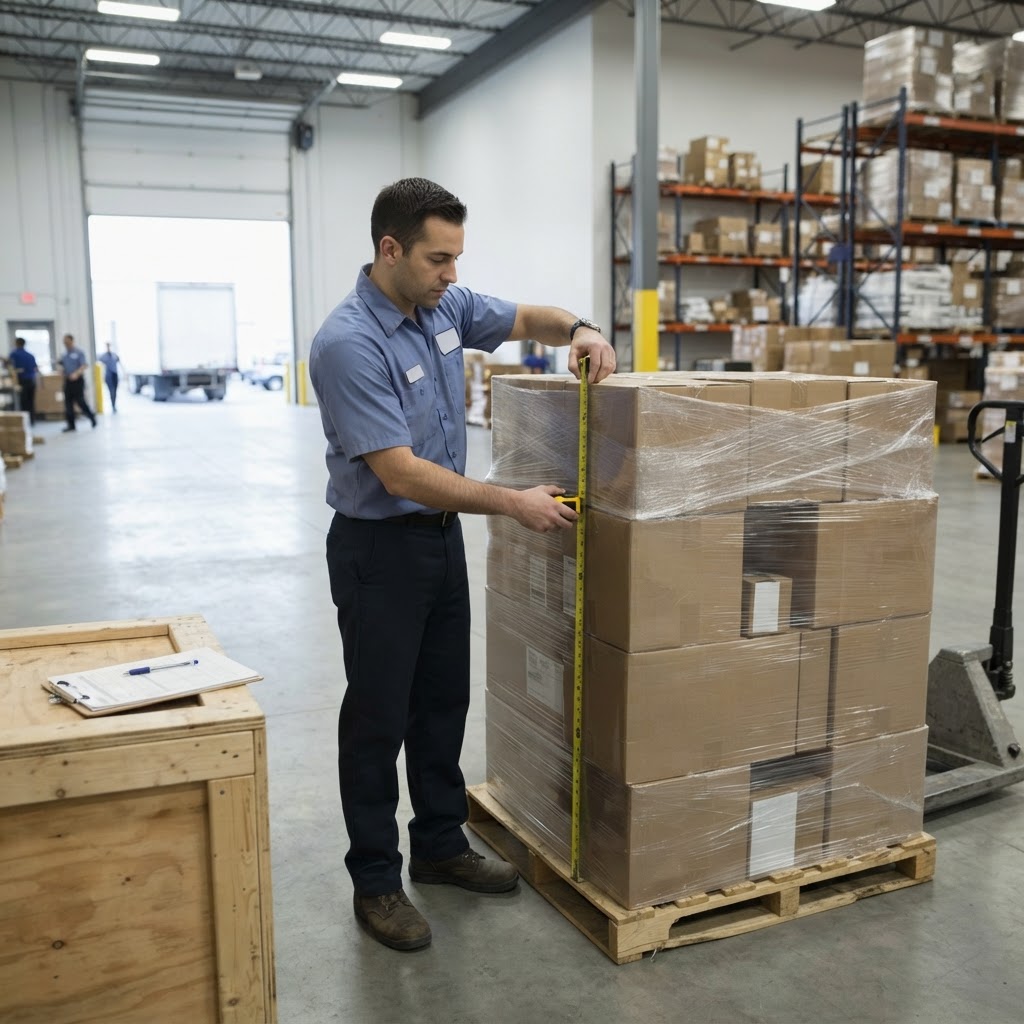
Weight and dimensions come first, because carriers price by the greater of actual weight or dimensional weight. Freight class comes next, assigned through the National Motor Freight Classification system based on density, stowability, handling, and liability. A dense, easy-to-stack pallet of hardware sits in a low, cheap class; a light, bulky pallet of foam insulation sits in a high, expensive class. The freight class and NMFC codes resource explains how each class is scored, and the freight pricing factors breakdown shows how fuel surcharges, accessorials, and lane density stack on top of the base rate.
Transit Times Across Canadian Provinces
Transit time depends more on lane density than on raw distance. A Toronto to Montreal LTL run typically moves in about two business days because linehauls depart daily in both directions. A Toronto to Halifax run takes longer, often five to seven business days, because freight consolidates at fewer terminals along the way. Ontario freight moving intraprovincially between the GTA and Ottawa is usually next-business-day or two-business-day service. For LTL freight shipping Quebec businesses send westward, most lanes into Ontario clear inside three business days. If you are planning around production or retail deadlines, the Canadian transit times reference is worth bookmarking. National industry patterns and volume trends are also tracked in the Canadian transportation data released by Statistics Canada.
Accessorials and Compliance That Change the Bill
Accessorial charges are the line items that surprise first-time shippers. Residential pickup or delivery, liftgate service, inside delivery, appointment scheduling, and limited-access locations all add cost, and they add it even when they were not disclosed at quote time. Being explicit about pickup and delivery conditions at the quote stage protects you from post-delivery reweighs and reclass charges. Dangerous goods trigger their own layer of documentation and carrier qualification, and any shipper moving regulated materials should review the Transportation of Dangerous Goods overview before booking.
Booking Freight: Traditional Brokers vs Digital Marketplaces
The mechanics of freight are only half the story. The other half is how you actually book it, and this is where Canadian shippers are seeing the biggest change. For decades, booking a shipment meant emailing three or four brokers, waiting a day for quotes, comparing them manually, and hoping the numbers held when the truck showed up. Digital freight marketplaces have restructured that workflow.
The Traditional Broker Workflow
A traditional broker takes your shipment details by phone or email, contacts carriers on your behalf, marks up the carrier rate, and sends you a single quote. You rarely see which carrier is moving your freight until dispatch, and you almost never see the underlying rate the broker paid. Communication runs through the broker for the entire lifecycle, which adds latency to every status update and every problem that needs solving mid-transit.
How Digital Marketplaces Change the Model
A digital marketplace flips the sequence. You enter shipment details once, and the platform sends the quote request to multiple pre-vetted carriers simultaneously. Rates, transit times, and carrier ratings come back within minutes, side by side, so you can compare on more than just price. You book directly with the carrier of your choice, with no brokering fee inserted into the rate. Truxweb operates on this model, and its instant quote engine returns competitive rates from top-rated Canadian carriers within minutes rather than days.
Where the Savings Actually Come From
The cost gap between traditional brokerage and marketplace booking is not one line item, it is several. Removing broker margin lowers the base rate. Comparing multiple carriers on the same screen forces price discipline. Rating transparency means you can pay slightly more for a higher-rated carrier when the shipment warrants it, or pick the cheapest option when the freight is straightforward. Businesses shipping through Truxweb can save up to 40% on freight costs compared to traditional brokerage on comparable lanes.
Post-Booking Visibility
Once the load is booked, visibility becomes the daily concern. Marketplace platforms typically layer a shipment dashboard on top of the booking flow, with automated email alerts for dispatch, pickup, in-transit, and delivery events. In-platform chat with carrier dispatch cuts out the phone tag that eats the most operational time. For a shipper managing five or ten active loads at once, that visibility layer is often what makes the biggest difference to headcount and stress, not the rate itself.
Conclusion
Freight shipping across Canada is not as complex as it looks from the outside once you understand the pieces: LTL versus FTL, the variables that drive rates, the lane density that shapes transit times, and the booking model you choose. For small and medium-sized businesses moving 1 to 8 pallets between Ontario and Quebec, the biggest lever is not negotiating harder with a single carrier, it is opening the shipment up to real competition and real visibility. That is where digital freight marketplaces have decisively pulled ahead of the phone-and-email model.
Ready to see what your next Canadian shipment should really cost? Get instant freight quotes with Truxweb and compare top-rated carriers side by side in minutes.
Frequently Asked Questions (FAQs)
What is LTL shipping and how does it work?
LTL, or less-than-truckload, is a service where multiple shippers share space on the same trailer and each pays only for the portion their freight occupies, with pallets consolidated through regional terminals along the way. It is the standard mode for businesses moving 1 to 8 pallets between Canadian cities because it splits linehaul cost across many shippers rather than putting it all on one load.
How are LTL freight rates calculated in Canada?
LTL rates are built from the greater of actual or dimensional weight, the assigned freight class from the NMFC scale, the origin-to-destination lane, applicable fuel surcharges, and any accessorial services like liftgate or residential delivery. Two shipments with identical weight can price very differently once class, dimensions, and accessorials are factored in, which is why quotes vary so widely between carriers on the same lane.
What is the transit time for LTL shipping in Canada?
Transit time depends on lane density more than raw kilometres, with Toronto to Montreal typically running about two business days, GTA-to-Ottawa often next-business-day or two-business-day, and long-haul lanes such as Toronto to Halifax taking closer to five to seven business days. Cross-country lanes into Western Canada extend further because freight consolidates through fewer intermediate terminals.
How do I get instant freight quotes online?
Instant online quoting works by entering your shipment's origin, destination, weight, dimensions, and pallet count into a digital marketplace, which then queries multiple pre-vetted carriers at once and returns their rates within minutes. This replaces the traditional cycle of emailing brokers individually and waiting a day or more to compare options.
Is it cheaper to book freight directly with carriers or through a marketplace?
Booking through a digital marketplace is typically cheaper than either single-carrier direct booking or traditional brokerage, because the marketplace forces multiple carriers to compete on the same lane without inserting a broker margin into the final rate. Direct-to-carrier bookings can occasionally match marketplace pricing on high-volume lanes, but they lack the built-in rate comparison that keeps every quote honest.
How does Truxweb compare to traditional freight brokers?
Traditional brokers act as a middle layer that marks up carrier rates and controls all communication, while Truxweb operates as a marketplace where shippers see multiple carrier quotes side by side, book directly with the carrier they choose, and communicate through an in-platform chat without a broker in between. The result is faster quoting, transparent pricing, and full visibility over who is actually moving the freight.
About the Author
Daniel Park is a freight logistics analyst covering LTL shipping, carrier performance, and supply chain operations across Ontario and Quebec. His work focuses on making pricing, transit, and carrier-selection decisions clearer for small and medium-sized shippers navigating the Canadian freight market. He writes with a data-driven lens on how digital freight platforms are reshaping traditional brokerage.
 7 min read