


Quick Answer
Freight delivery should give shippers clear rates, confirmed pickup details, visible shipment status, and documented delivery. For small and medium-sized businesses, reliable service means fewer handoffs, prompt carrier communication, and records that support claims or customer conversations.
Introduction
Freight delivery becomes manageable when you set expectations before a pallet reaches the dock. A credible provider should explain what the quote covers, identify the carrier, confirm the pickup arrangement, and provide updates through final delivery. This matters especially for LTL freight shipping, where several shipments can move through terminals before reaching the consignee. A vague quote or an unresponsive dispatch contact can turn a routine shipment into an avoidable service dispute.
Key Takeaways:
Demand written pickup, transit, and delivery details before confirming freight.
Compare total charges, carrier responsiveness, and shipment visibility together.
Keep delivery records ready for customer service, billing, and claims discussions.

Freight Delivery Expectations From Quote to Pickup
Start by treating the shipping quote as an operational document, not simply a price. It should reflect the shipment’s pallets, dimensions, weight, pickup and delivery locations, accessorial needs, and requested service level. Canadian shippers moving between Quebec, Ontario, and U.S. destinations should also establish who supplies border paperwork, who communicates exceptions, and which party maintains the required records. Under Canadian freight transportation regulations, records relating to transported goods must be kept for three years beginning on January 1 of the calendar year after the transportation occurred. Canadian freight transportation regulations set out that record-retention requirement.
What a Complete Shipping Quote Should Include
A useful shipping quote lets you compare actual service conditions before booking. Details in the freight quote process should show whether the carrier can cover the lane, what timing is offered, and which fees apply rather than leaving those questions for dispatch.
Carrier identity: Know who will physically move the freight.
Pickup terms: Confirm dates, hours, dock access, and contacts.
Transit expectation: Record the carrier’s stated delivery timing.
Charges: Review base freight and applicable booking fees.
Exceptions: Identify liftgate, residential, or appointment requirements.
How to Vet Service Before Booking
Ask how quickly dispatch responds, how updates reach your team, and how delivery problems get escalated. Carrier reliability metrics matter, because an attractive rate cannot offset missed appointments, unclear terminal status, or repeated communication gaps.
Check the carrier’s safety and operating status when the shipment is cross-border. Before hauling into Canada, a U.S. carrier needs a CBSA-issued four-character carrier code and must then apply to transmit Advance Commercial Information.
How Freight Shipping Companies Handle Visibility and Delivery
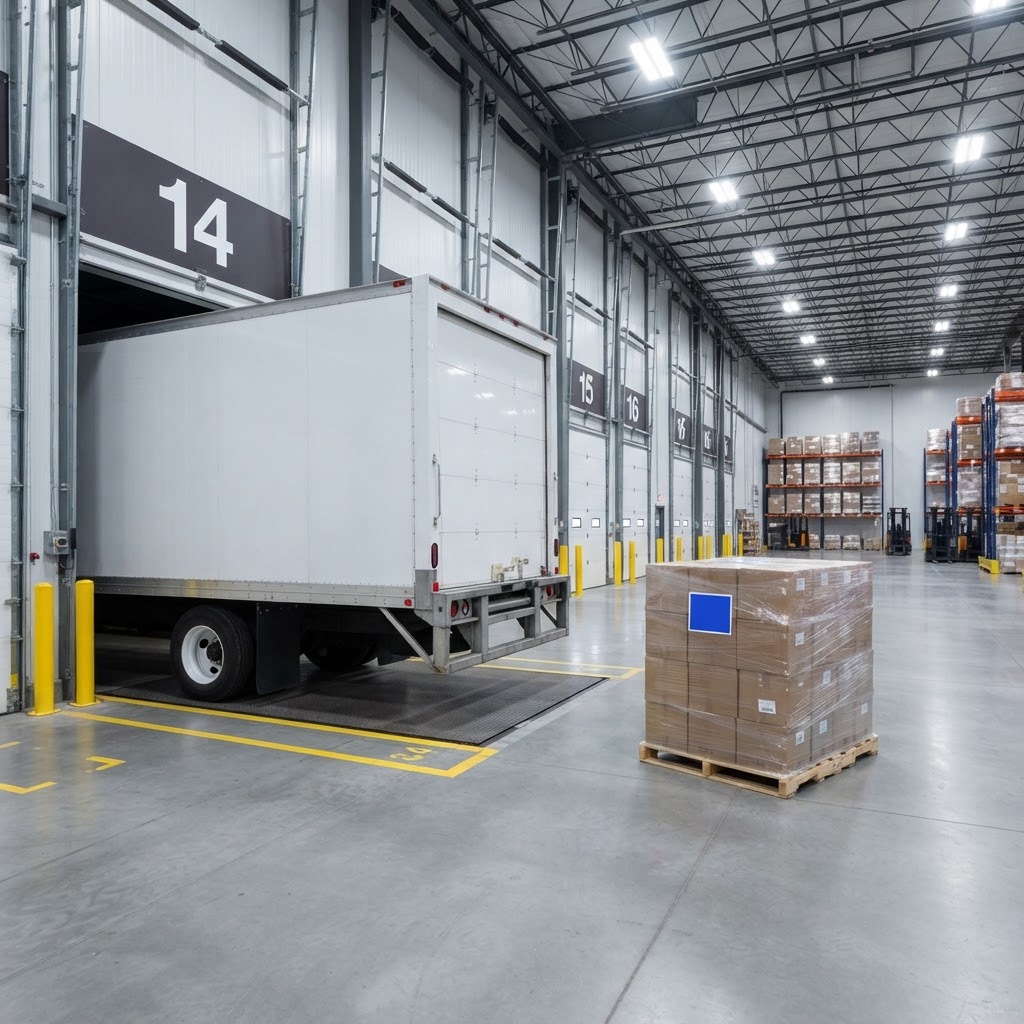
Freight shipping companies should communicate at the events that change your operating plan: dispatch, pickup, delay, out-for-delivery status, and completion. That visibility helps a buyer reschedule receiving labour, alert a customer, or prevent inventory from being promised before it reaches the warehouse.
Traditional Brokers and a Freight Marketplace
A traditional broker often manages carrier sourcing and communication through calls or emails, while a digital freight marketplace presents carrier options and booking information in one workflow. Truxweb’s online LTL marketplace broadcasts one request to carriers serving the lane so SMEs can compare rates, transit times, carrier ratings, and booking fees before confirming a shipment.
The practical distinction is control over information. A marketplace can expose comparable options at booking, whereas broker-led service commonly depends on the broker relaying available choices and status updates.
Service element | Traditional broker workflow | Digital freight marketplace workflow |
|---|---|---|
Quote collection | Broker gathers options through direct communication | Carrier options appear from one submitted request |
Rate comparison | Depends on the options shared by the broker | Rates, transit times, ratings, and fees can appear side by side |
Status communication | Shipper requests or receives broker updates | Dashboard alerts and carrier-dispatch communication can centralize updates |
Booking record | Often maintained through email and broker documentation | Booking details remain in the platform workflow |
Neither model removes the need for careful shipment data, but centralized comparison reduces the risk of approving freight without seeing the service conditions that affect delivery. Compare total landed cost as well, including handling labour, storage while awaiting full loads, and the opportunity cost of delayed inventory availability.
Tracking and Proof of Delivery Standards
Ask for a freight tracking dashboard or equivalent status channel that identifies the shipment and records milestone changes. Truxweb provides automated email alerts for dispatch, pickup, and delivery, plus in-platform chat with carrier dispatch. After delivery, obtain a signed proof of delivery promptly, because the receiving record can resolve disputes over timing, visible damage, or missing freight. For customs-related proof obligations, the prescribed period for proving specified events is 70 days from the earlier applicable date under the Canadian regulations; confirm which deadline applies to the shipment's process and retain supporting records.

Conclusion
Good freight service is measurable through quote clarity, carrier accountability, usable tracking, and delivery documentation. Build each booking around accurate pallet data and clear accessorial requirements, then keep written records of the promised service and actual milestones. For Quebec and Ontario SMEs moving one to eight pallets, Truxweb is a practical choice when direct carrier comparison, consolidated booking information, and operational support are needed in the same workflow. Review these freight booking questions before releasing the next shipment.
Ready to make freight booking more visible? Explore the Truxweb platform for a direct-to-carrier LTL workflow.
Frequently Asked Questions (FAQs)
How fast can I book an LTL shipment?
You can book an LTL shipment once the carrier, freight details, service terms, and charges are confirmed, and Truxweb reports that shipments can be booked in under two minutes after those details are available.
What documents are needed for cross-border freight?
Cross-border freight documents depend on the shipment and border process, but shippers should coordinate commercial paperwork with the carrier because carriers entering Canada need a CBSA carrier code and Advance Commercial Information transmission approval.
How do I compare freight shipping quotes online?
You compare freight shipping quotes online by reviewing equivalent shipment details across each option, including the carrier, transit timing, booking fees, pickup requirements, and delivery conditions rather than comparing base rates alone. Include the operational cost of handling, storage, and delayed inventory when comparing options, especially when a shipment must support time-sensitive customer commitments.
What are the benefits of shipping with regional carriers?
Shipping with regional carriers can improve lane-specific communication and local operating knowledge, provided the shipper verifies performance history, service coverage, dispatch responsiveness, and the carrier’s ability to meet the required pickup and delivery conditions.
How do I track freight deliveries in real-time?
You track freight deliveries in real-time by using the carrier’s status channel or a centralized dashboard that records dispatch, pickup, exception, and delivery milestones, then contacting dispatch quickly when a milestone fails to appear.
What makes an LTL carrier reliable?
An LTL carrier is reliable when it consistently confirms operational details, communicates exceptions early, maintains appropriate compliance, provides traceable status updates, and supplies a usable delivery record that matches the shipment’s actual receiving outcome.
About the Author
Daniel Park is a Freight Logistics Analyst covering LTL shipping, carrier performance, and supply chain operations across Ontario and Quebec. His analysis focuses on practical carrier selection, freight pricing, visibility tools, and the operational decisions that affect small and medium-sized shippers.