

Quick Answer
Proof of delivery is the record showing that freight delivery reached the named consignee, along with the time of receipt and any exceptions noted at handoff. It protects a shipper by connecting the shipment record, receiver acknowledgement, and condition evidence when a loss, damage claim, or delivery dispute arises.
Introduction
A signed delivery record is not clerical paperwork. It is the moment when responsibility for a shipment is documented at destination. For businesses using LTL freight shipping, a clear POD can determine whether a carrier can investigate an exception quickly or whether a claim turns into a costly argument. The quality of that record depends on what the receiver observed before signing, not simply whether a signature exists.
Key Takeaways:
A useful POD identifies the shipment, receiver, delivery time, and any visible exceptions.
Receivers should inspect freight before signing and record shortages or damage immediately.
Digital records improve access to delivery evidence for audits, claims, and carrier follow-up.
What a Proof of Delivery Record Should Include
Proof of delivery freight shipping starts with a record that ties the delivered goods to the original shipment instructions. The bill of lading identifies what the carrier accepted at pickup, while the POD records what the consignee accepted at destination. Comparing those records gives operations teams a defensible chain of custody instead of relying on memory, email threads, or an unsigned dock note.
Details that make a POD usable
A usable POD lets someone who was not present reconstruct the handoff without guesswork. It should be legible, tied to the correct shipment, and completed while the driver and receiver can still address visible issues.
Shipment reference: Match the bill of lading, purchase order, or carrier reference to the delivered freight.
Receiver identity: Record the name, signature, or electronic acknowledgement of the person accepting the shipment.
Delivery event: Capture the delivery date, time, location, and carrier equipment or driver details when available.
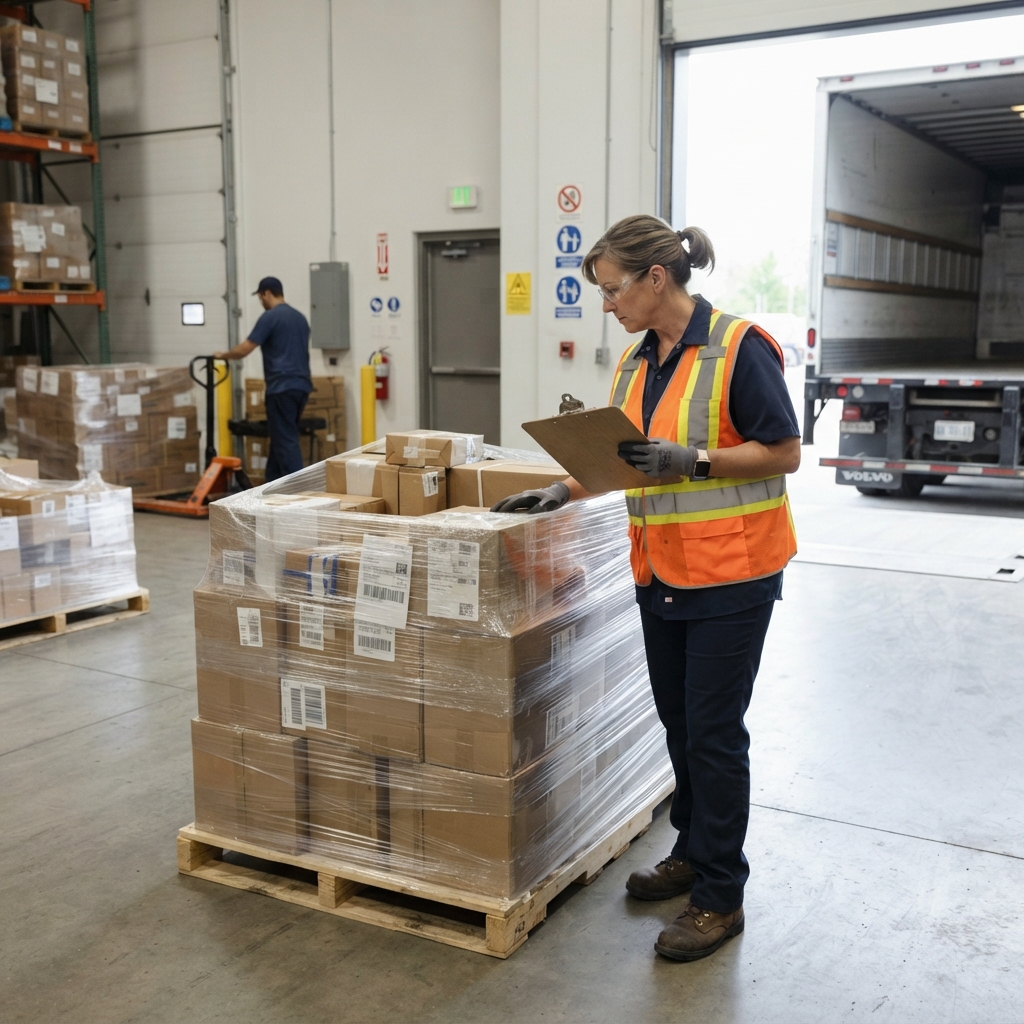
Count and condition: Note pallet counts, shortages, crushed packaging, wet freight, or other visible exceptions before acceptance.
Why exceptions matter more than a clean signature
A clean signature generally documents receipt, but it does not explain a problem that was visible at the dock and left unrecorded. If cartons are torn or a pallet count differs, the receiver should describe the exception on the delivery record, retain photos, and notify the shipper promptly. Shippers can standardize this process with an LTL documentation checklist that assigns responsibility before freight arrives.
The POD is only one part of the shipment file. Keep it alongside the bill of lading, quote, pickup confirmation, invoices, correspondence, and any supporting images so that required freight documents remain easy to retrieve when a customer, carrier, or finance team asks for evidence.

How Digital Proof of Delivery Strengthens Freight Accountability
Digital delivery confirmation makes a POD easier to find, review, and share while the details are still fresh. Rather than waiting for paper records to return from a terminal, shippers can associate the signature, status event, and exception notes with the booking. That visibility supports a faster internal decision about whether to contact a customer, request carrier follow-up, or begin a claim file.
Capture evidence at the point of handoff
A digital workflow should preserve who accepted the shipment and when the delivery status changed, while leaving room for meaningful exception notes. Electronic records carry more weight when the system protects their integrity and maintains the associated information. Canadian electronic document rules under PIPEDA Part 2 put electronic records on equal footing with paper, provided document integrity and traceability are maintained.
For an electronic signature, reliability depends on linking the signer's identity to the signature and to the document's purpose. That is why a typed note without a shipment reference is weaker operational evidence than a delivery event connected to the booking, receiver acknowledgement, and recorded exception. A platform should make those elements available to the shipper without altering the original delivery record.
Use POD during audits and charge reviews
POD also helps teams separate a service failure from a billing question. Match the delivery record against the quoted service, invoice, accessorial notes, and customer receiving record before approving payment. A disciplined freight audit checklist can reveal whether a delivery occurred as booked or whether the file needs a documented challenge.
When an invoice and the shipment file conflict, preserve the POD and supporting communications before raising freight charge disputes. The goal is not to assume fault, but to provide the carrier with a precise reference, delivery event, and evidence set that supports a timely review.
Paper Records Versus Digital Delivery Confirmation
Paper PODs can still document delivery, but they are vulnerable to faded handwriting, missing pages, delayed scanning, and records stored outside the shipment file. A digital process does not eliminate the need for careful receiving, yet it reduces the time spent locating evidence and makes the delivery record available to people who need it. This distinction matters when a customer reports a problem after the truck has left.
Where paper processes create avoidable risk
Paper records often move separately from the freight, which creates a gap between delivery and proof that delivery occurred. The receiver may sign a handheld device, a paper bill, or both, while the shipper waits for a copy. If a shipment crosses the border, document control becomes even more important because carriers may need to transmit pre-arrival cargo reporting requirements through Electronic Data Interchange before arrival.
For Canada-US movements, keep delivery evidence separate from customs records but connect both to the same shipment reference. Organized Canada-US freight documents help teams distinguish an arrival or border-status update from final consignee acceptance, which are different operational events.
Build a repeatable receiving process
Train receiving staff to verify labels and pallet counts, inspect accessible freight, note visible exceptions, photograph concerns, and retain the signed record before releasing the driver. These steps are especially valuable for commercial shipping for 1 to 8 pallets, where a single missing pallet can disrupt a customer order. A digital freight marketplace Canada workflow can centralize the booking, status updates, carrier communication, and delivery evidence around that process.
Truxweb gives shippers a dashboard for shipment visibility, automated delivery updates, and direct communication with carrier dispatch teams. For LTL shipping services Ontario and Quebec businesses, that centralized record can reduce the search time that follows an exception while keeping the carrier accountable to the same booking details.
Conclusion
Proof of delivery protects a freight shipment when it is complete, connected to the original booking, and reviewed at the moment of receipt. Treat exceptions as operational evidence, not an afterthought, because an undocumented issue becomes harder to investigate once the truck leaves. Digital records make it easier to retrieve the details that claims, audits, and customer conversations require. The most effective process combines careful dock receiving with a shipment file that remains accessible after delivery.
Ready to make delivery records easier to manage? Explore Truxweb for a connected freight booking and visibility workflow.
Frequently Asked Questions (FAQs)
What is proof of delivery in freight shipping?
Proof of delivery in freight shipping is a delivery record confirming that a named receiver accepted a specific shipment, usually with a signature or electronic acknowledgement plus the delivery event details and any visible exceptions recorded at handoff.
Why is proof of delivery important for freight delivery?
Proof of delivery is important for freight delivery because it creates a shared record of receipt that shippers, customers, and carriers can use to investigate shortages, visible damage, missed delivery allegations, and invoice questions without relying only on recollection.
How does proof of delivery protect shippers?
Proof of delivery protects shippers by preserving evidence of who accepted the freight, when it arrived, and whether exceptions were identified, which gives a claim or carrier inquiry a concrete starting point and supports customer communication.
What information is needed for a freight shipping quote?
A freight shipping quote needs the pickup and delivery locations, pallet dimensions and weight, freight class where applicable, commodity description, ready date, and any accessorial requirements such as liftgate service, appointments, or residential delivery.
How to track freight shipments in real-time?
To track freight shipments in real-time, use a carrier or marketplace dashboard that connects booking references to pickup, transit, and delivery status events, then save alerts and communication records with the shipment for follow-up.
What happens if there is no proof of delivery?
Without proof of delivery, a shipper may have difficulty establishing final receipt, delivery timing, or the condition noted at handoff, so carrier investigations and customer disputes often require more reconstruction from secondary records and communications.
About the Author
Daniel Park is a Freight Logistics Analyst covering LTL shipping, carrier performance, freight pricing, and supply chain visibility across Ontario and Quebec. His analysis focuses on practical documentation and workflow controls that help small and medium-sized businesses manage freight with greater confidence.