


Introduction
If your final freight invoice arrived higher than the quote you booked, you have the right to formally dispute it, and in most cases you can recover the overcharge within 30 to 60 days. Freight billing errors quietly cost Canadian mid-market shippers between 3% and 7% of annual transportation spend, according to industry audits. Most of those errors trace back to a small set of predictable problems: reclassification fees, accessorial charges that were never authorized, duplicate invoices, and dimensional weight recalculations. Ontario and Quebec SMEs shipping LTL freight are especially exposed because a single reweigh on a mid-value shipment can add hundreds of dollars per load.
Key Takeaways:
Most incorrect freight charges come from reclassification, unauthorized accessorials, or dimensional weight errors that shippers can dispute with the right documentation.
You typically have 30 to 180 days to file a formal dispute with the carrier, depending on their tariff terms.
Digital freight platforms with transparent pricing dramatically reduce the frequency of billing disputes by locking in accessorials and classifications upfront.
Why Freight Invoices Come in Higher Than the Quote
Understanding where LTL freight rates go wrong is the fastest way to catch overcharges before they become losses. Carriers issue an initial quote based on the information you provide at booking, then adjust the final invoice after pickup based on what they actually weighed, measured, and handled. That adjustment window is where most disputes originate.
The Most Common Billing Errors on LTL Invoices
A useful freight audit starts by comparing the original quote line-by-line against the final invoice. Industry data from carrier invoice audits shows that a handful of error types account for the majority of overcharges on LTL shipments across Canada.
Reclassification adjustments: The carrier changes your declared freight class after inspection, often bumping the shipment into a higher-cost class 85 or class 100 when a class 70 was quoted.
freight class" (in "How LTL Freight Billing Actually Works: Liftgate, residential delivery, inside delivery, or limited access fees appear on the invoice even though they were not requested or required.
Dimensional weight recalculations: The carrier reweighs or remeasures the pallet and applies a higher billable weight than the shipper declared.
Duplicate invoicing: The same shipment is billed twice under different pro numbers, sometimes months apart.
Fuel surcharge miscalculations: The fuel index applied on the invoice differs from the index quoted at booking, or is applied to the wrong base rate.
How LTL Freight Billing Actually Works
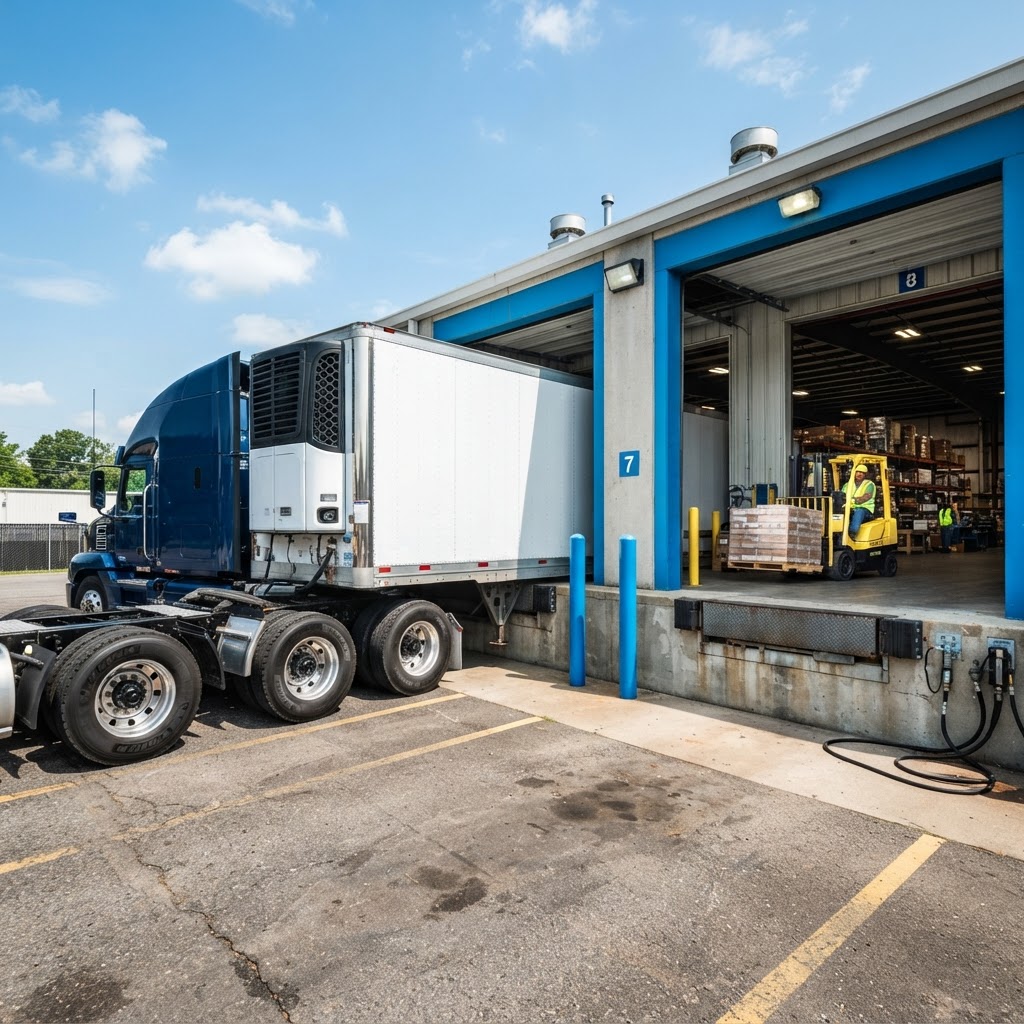
LTL invoicing follows the National Motor Freight Classification system, which assigns every commodity a class between 50 and 500 based on density, stowability, handling, and liability. Once a shipment is picked up, the carrier weighs and, in many cases, dimensions the freight at their terminal. That measurement becomes the billable weight used to calculate the final charge, which is why an underestimated pallet dimension or an incorrect class declaration triggers a reclassification. Layered on top are accessorial fees, fuel surcharges, and any tariff-specific minimums, and the result is a final invoice that can look very different from the original freight shipping quotes you booked from. Understanding this billing chain is what makes a dispute successful, because carriers require you to show exactly where the invoice deviates from the agreed terms.
The Step-by-Step Process to Dispute a Freight Charge
Once you spot a discrepancy, the dispute itself is a documentation exercise more than a negotiation. Freight carriers have formal processes, and following them precisely gets you paid back faster than escalating emotionally.
Step 1: Audit the Invoice Line by Line
Pull the original quote, the bill of lading (BOL), and the final invoice side by side. Flag every line item where the invoice differs from the quote, including the base rate, freight class, weight, dimensions, accessorials, fuel surcharge, and any minimum charges. This mirrors the same discipline used in freight cost auditing programs run by larger shippers. The goal is not to argue every line, but to isolate exactly which charges are inconsistent with what you booked. A freight invoice errors checklist can help you scan for the most common overcharge categories quickly.
Step 2: Gather Your Supporting Documentation
A dispute without evidence rarely succeeds. Carriers expect you to prove your position with source documents, not verbal assurances from the sales rep who booked the load.
Original quote or booking confirmation: The document showing the agreed class, weight, dimensions, and accessorials.
Signed bill of lading: Proof of what was tendered, including declared class, piece count, and any accessorial notations.
Photos of the freight: Timestamped photos of the packaged pallet with a tape measure showing length, width, and height.
Delivery receipt (POD): The signed proof of delivery, which documents any accessorials actually performed at the destination.
Communication records: Emails, chat logs, or booking notes confirming the terms agreed to before pickup.
Filing the Dispute and Preventing Future Overcharges
With the audit complete and documentation organized, the final phase is submitting the formal claim and putting systems in place so you catch or avoid the same issues going forward.
Step 3: Submit a Formal Written Dispute
Every major LTL carrier accepts overcharge claims through a formal channel, typically an online portal, a dedicated claims email, or a printed form attached to the invoice. Submit your dispute in writing within the carrier's stated window, which is usually 30 to 180 days from the invoice date depending on their tariff. Reference the pro number, invoice number, and specific line items in dispute, attach all supporting documents, and state the exact dollar amount you are contesting. This structured approach is the same one recommended in most freight shipping disputes guides used by North American shippers. If the carrier denies the claim or delays a response beyond 30 days, escalate to a supervisor or their national accounts team, and reference the specific tariff clause supporting your position. Businesses working through a digital freight platform like Truxweb can escalate through the 24/7 concierge team, which handles the carrier communication on their behalf.
Step 4: Prevent the Next Dispute Before It Happens
Winning a single dispute is useful. Preventing them entirely protects your margins on every future shipment. The most consistent way to reduce billing surprises is to control the inputs at the quote stage: accurate weights, precise dimensions, the correct freight class, and every possible accessorial disclosed upfront. Comparing freight quotes from multiple freight carriers on a transparent platform also surfaces outliers before you book, so you know which quote reflects true landed cost. Truxweb's instant quote comparison engine locks in the classification and accessorials at booking, reducing the reclassification and surprise-fee errors that drive most disputes in the first place. Shippers who systematize this process typically see billing discrepancies drop by more than half within their first quarter.

Conclusion
Disputing an incorrect freight charge is a routine part of shipping LTL, not a confrontation, and the shippers who treat it as a documented workflow recover money that others quietly write off. Audit every invoice against the original quote, gather the BOL, POD, photos, and communication records, and file the dispute formally within the carrier's window. Just as important, tighten your booking process so reclassifications and unauthorized accessorials stop showing up on invoices in the first place. Transparent pricing, accurate dimensions, and a platform that locks accessorials at quote-time are the difference between chasing refunds every month and shipping with confidence.
Ready to stop overpaying on freight invoices? Get instant transparent quotes with Truxweb and book LTL shipments with locked-in pricing across Ontario, Quebec, and the rest of Canada.
Frequently Asked Questions (FAQs)
How do I dispute a freight bill?
Submit a formal written dispute to the carrier within their stated claim window, referencing the pro number, invoice number, contested line items, and attaching your quote, BOL, POD, and any supporting photos or emails.
Why was I charged more than my freight quote?
The most common reasons are reclassification after inspection, dimensional weight recalculations at the carrier terminal, or accessorial charges like liftgate or residential delivery that were applied at pickup or delivery.
What is a freight reclassification charge?
A reclassification charge is applied when a carrier inspects your shipment and determines the actual freight class is higher than what you declared at booking, resulting in a higher rate on the final invoice.
How to calculate LTL freight charges?
LTL charges are calculated from the base rate for your freight class and billable weight, plus fuel surcharge and any accessorial fees, adjusted against the carrier's tariff and minimum charge.
How do I dispute freight charges in Ontario or Quebec?
Follow the same formal process any Canadian shipper uses: file a written overcharge claim with the carrier's claims department within their tariff window, and escalate to their national accounts team if the initial response is denied or delayed.
Is LTL shipping cheaper than full truckload?
LTL is typically cheaper for shipments between 1 and 8 pallets because you only pay for the space you use, while full truckload becomes more cost-effective once you fill roughly 12 or more pallets.
How does LTL freight billing work?
Carriers issue an initial quote based on your declared class, weight, and dimensions, then finalize the invoice after weighing and inspecting the shipment at their terminal and applying all applicable accessorials and surcharges.