
Flatbed Freight Shipping in Canada: Rates and Carriers
Compare flatbed freight shipping rates and carriers across Canada. Learn the cost factors and tips SMEs need to book smarter, safer freight shipments.
By Mathieu van Gent · 7 min read ·

Quick Answer#
Flatbed freight shipping in Canada costs more than enclosed freight when cargo requires open-deck equipment, specialized securement, permits, or careful pickup planning. A practical quote compares the trailer type, distance, dimensions, weight, loading conditions, fuel surcharge, and accessorial work before a carrier is booked.
Introduction#
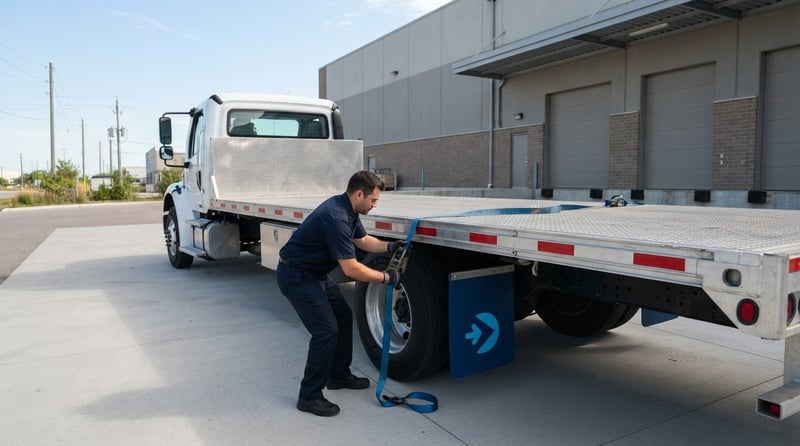
Flatbed freight shipping gives Canadian manufacturers, construction firms, and distributors a way to move machinery, steel, lumber, and other freight that will not fit inside a standard trailer. Standard flatbed pricing in Canada is often listed at $1.60 to $2.50 per kilometre, or $2.50 to $4.00 per mile, while short moves may face minimum charges of $750 to $1,200 per load. Those figures establish a starting point, not a final quote, because the equipment and securement plan can change the carrier’s operating cost. The difference between a clean dock pickup and a site with restricted access can be material.
Key Takeaways:
Flatbed pricing depends on equipment, dimensions, securement, distance, and site conditions.
Accurate dimensions and loading details prevent expensive quote revisions.
Carrier safety practices matter as much as the initial freight rate.
How flatbed freight shipping works in Canada#
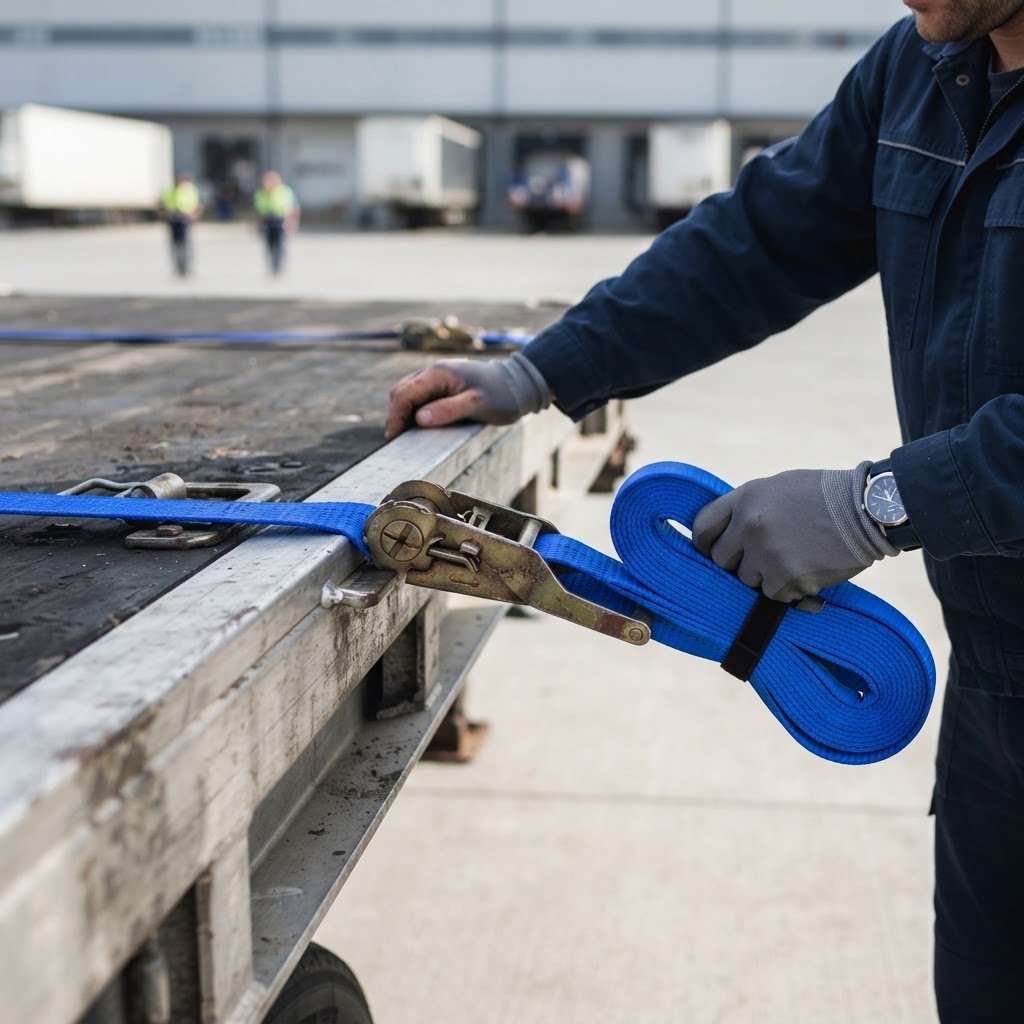
Flatbed freight transportation uses an open trailer so freight can be loaded from the side, above, or rear when doors and trailer walls would block access. It is distinct from pallet freight shipping because the shipment may require chains, straps, tarps, dunnage, edge protection, or a specialized trailer before it can move safely. Before pickup, confirm the load's lifting points, securement needs, tarp requirements, delivery contact, and unloading plan so the carrier can assign suitable equipment and avoid preventable delays at either end.
Match the load to the right trailer and securement plan.#
The carrier needs the cargo’s exact length, width, height, weight, centre of gravity, pickup method, delivery method, and weather exposure before quoting. Canadian cargo securement expectations require the shipper and carrier to treat the load plan as an operational requirement, not a paperwork detail, particularly when the freight can shift or extend beyond the deck.
Standard flatbed: Handles accessible freight loaded by crane or forklift.
Step deck: Creates additional vertical clearance for taller cargo.
Tarps: Protect weather-sensitive materials during open-deck transport.
Chains and straps: Restrain cargo according to its size and characteristics.
Dunnage: Stabilizes freight and protects contact points.
Identify oversize requirements before requesting a rate#
A load wider than 2.6 m or higher than 4.15 m requires permit planning, and provincial weight thresholds can also trigger additional requirements. Complete cargo dimensions, weight, pickup conditions, and loading requirements help a carrier prepare an accurate quote.

Flatbed freight shipping rates and quote drivers#
Rate comparisons work only when every carrier receives the same shipment data. Ask for an itemized quote that separates linehaul from fuel, equipment, permits, tarping, loading assistance, detention, and other freight accessorial charges.
Compare flatbed, LTL, and full truckload pricing correctly for each shipment#
Flatbed loads are commonly priced as dedicated equipment moves because the trailer, securement process, and pickup window are reserved for one shipment. LTL shipping combines compatible shipments in an enclosed network, while full truckload shipping reserves a trailer for a single shipper’s freight.
This comparison shows why a low base figure does not tell the full cost story.
Shipping method | Equipment model | Rate visibility | Operational consideration |
|---|---|---|---|
Flatbed | Open deck and specialized securement | Custom quote based on load details | Dimensions, tarps, permits, and site access affect cost |
LTL | Shared enclosed trailer network | Quoted by freight class and shipment details | Works for palletized freight within carrier limits |
Full truckload | Dedicated trailer capacity | Lane-specific custom quote | Useful when one shipment occupies the equipment |
Use flatbed when the freight requires open-deck loading or cannot be enclosed safely, rather than forcing an unsuitable shipment into an LTL network. For conventional large freight shipping, the shipment’s dimensions, handling needs, and available dock equipment still determine whether an LTL or dedicated truck quote is appropriate.
Build a quote request that carriers can price once#
Provide measurements after packaging, not product specifications before crating, and state whether a crane, forklift, loading ramp, or crew is available at both ends. Include site restrictions such as residential delivery, construction-zone access, appointment rules, limited receiving hours, or the need for an escort, because these conditions change the dispatch plan. Include photos where they clarify the load shape, lifting method, available turning space, overhead obstructions, or the location where the truck will be loaded and unloaded.
For Ontario and Quebec lanes, compare FTL rates for Quebec and confirm the route before booking an oversize load. Under Québec’s special permit regulation, a permit is valid for up to seven consecutive days, while Ontario’s single trip permits are valid for up to seven days, making date changes a planning issue rather than a simple administrative edit.
How to compare flatbed carriers in Ontario and Quebec#
Choose a carrier based on documented equipment fit, safety controls, route familiarity, communication, and the total booked charge. A carrier with a lower linehaul figure can still produce a higher final cost if the quote omits the operational work your shipment requires. Compare written assumptions as well as totals, including who supplies tarps and securement, whether loading time is included, how appointment changes are handled, and what happens if the consignee cannot receive the shipment as scheduled.
Check carrier capability before accepting the lowest quote#
Ask whether the carrier will use its own equipment or arrange capacity through another provider, who will inspect securement, and how dispatch handles changes at pickup or delivery. Alberta’s commercial transport guidance reinforces that load restraint must be selected and applied for the cargo being carried, which makes the carrier’s planning process relevant to every shipment.
For Ontario businesses that ship freight regularly, consistency matters: the carrier should understand local delivery constraints and provide a clear contact path when the truck is delayed or the consignee cannot unload. The national cargo securement standard can be reviewed when assessing a carrier's cargo-securement planning.
Use transparent comparisons for repeat freight lanes#
For standard palletized moves that do not require flatbed equipment, Truxweb lets SMEs compare carrier quotes, transit times, ratings, and booking fees in one marketplace request. Its network focuses on local and regional carriers serving Quebec and Ontario, helping shippers examine their options without relying on separate calls and email chains.
When a shipment has flatbed-specific requirements, use that same discipline: request written confirmation of trailer type, securement scope, pickup timing, and all quoted services. Review the factors that affect FTL costs alongside the operational details, since dedicated equipment pricing responds to both lane conditions and the work required around the load. Keep the final quote, load details, pickup instructions, and delivery contact information together so repeat shipments can be compared against the same operating assumptions.

Conclusion#
Flatbed freight is a specialized purchase, so the lowest quoted linehaul should never be the only decision point. Start with complete cargo measurements, loading details, site constraints, and a realistic delivery window, then compare the full scope of each carrier’s quote. For standard LTL shipments, Truxweb is the practical choice for Quebec and Ontario SMEs that need direct carrier comparisons, transparent booking fees, and a single workflow for pallet freight. A disciplined quote request reduces surprises before the truck arrives.
Need a clearer way to compare standard freight options? Compare carrier quotes with Truxweb for your next pallet shipment.
Frequently Asked Questions (FAQs)#
What is LTL shipping and how does it work?#
LTL shipping works by combining compatible palletized shipments from several businesses on one trailer, allowing each shipper to pay for the portion of trailer capacity and handling required rather than reserving the entire vehicle for a single load.
How to get instant freight shipping quotes?#
To get instant freight shipping quotes, enter accurate pickup and delivery locations, pallet dimensions, total weight, freight description, and access requirements so the pricing system or carrier can match the shipment to suitable equipment and service conditions.
How to choose a reliable regional trucking company?#
To choose a reliable regional trucking company, verify that its equipment suits the shipment, ask how it manages dispatch communication and cargo securement, and compare the complete written charge rather than relying only on a base transportation rate.
How long does it take to get a freight shipping quote?#
The time to get a freight shipping quote depends on the shipment’s complexity, but complete dimensions, weight, pickup conditions, delivery requirements, and equipment needs let a carrier assess capacity without returning the request for missing operational details.
Is LTL shipping better than full truckload for small business?#
LTL shipping is better than full truckload for a small business when the freight is palletized and uses only part of a trailer, while a dedicated truck becomes more appropriate when volume, timing, handling, or equipment requirements justify exclusive capacity.
What documents do I need for cross-border LTL freight?#
Cross-border LTL freight requires shipment and customs documentation that identifies the goods, parties, origin, destination, and value, while oversize freight crossing between Canada and the United States also requires separate paperwork for legal movement.
About the author
