Fastest Ways to Get LTL Freight Quotes in Canada
Stop waiting on slow broker quotes. See how Canadian SMEs get instant LTL freight quotes online and book shipments faster with a digital marketplace.
By Daniel Park · 7 min read ·

Quick Answer#
The fastest way to get an LTL freight quote in Canada is to submit complete shipment details through a digital marketplace that returns multiple carrier options in one request. Manual broker calls and emails can still work, but they add handoffs that delay rate comparisons and booking decisions.

Introduction#
An LTL freight quote should arrive quickly enough to support same-day shipping decisions, not force a logistics manager to wait through an email chain. For Canadian small and medium-sized businesses, the fastest process combines exact pallet details, accurate pickup and delivery locations, and a marketplace that sends the request to relevant carriers at once. LTL shipping costs depend on weight, distance, freight class, and requested accessorial services, so missing information creates delays and unreliable pricing. A rate that appears fast but excludes a required liftgate or residential delivery service can create a costly correction later.
Key Takeaways:
Complete shipment details prevent quote revisions and carrier follow-up.
Digital marketplaces reduce manual carrier outreach and rate comparison time.
Compare transit, fees, and service requirements before booking freight.
How to Get an LTL Freight Quote Without Delays#
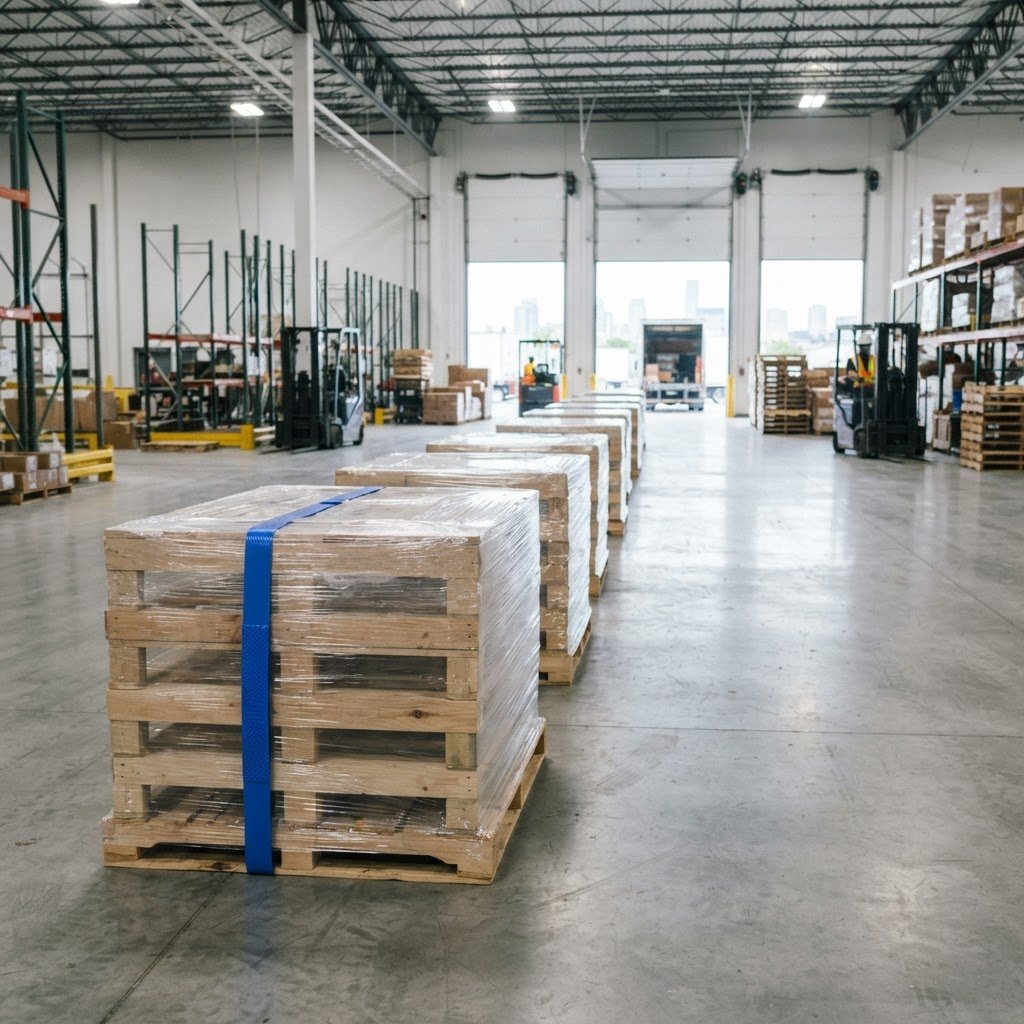
Fast quoting starts before a shipper opens a portal or contacts a broker. Carriers need a usable description of the freight and lane to price capacity accurately, particularly for LTL shipping for SMEs that may not have dedicated transportation staff reviewing every shipment.
Enter complete shipment data on the first request#
Provide complete shipment data once, then keep it consistent from quote through pickup. In Canada, LTL pricing reflects shipment weight, travel distance, freight class, and requested accessorial services, making each missing field a potential source of carrier follow-up or a revised charge.
Pickup address: Include postal code, hours, and site restrictions.
Delivery address: Flag residential, limited-access, or appointment requirements.
Pallet count: State total pallets and whether they can stack.
Dimensions: Measure length, width, height, and total weight.
Accessorials: Request liftgate, inside delivery, or notification services upfront.
Use an online marketplace for simultaneous carrier responses#
A direct carrier freight marketplace removes the need to repeat the same shipment facts to several contacts; see how to get instant Canadian freight quotes. Through an multi-carrier LTL quotes workflow, a single request can show available rates, expected transit, carrier ratings, and booking fees in one view, rather than leaving each carrier comparison in a separate inbox.
Truxweb reports that 92% of carriers respond within 30 minutes during business hours, which gives Quebec and Ontario shippers a clear response benchmark when evaluating a digital quote process. That speed matters most when a buyer needs to confirm inventory movement before a warehouse cutoff.
Compare LTL Freight Broker vs Marketplace Workflows#
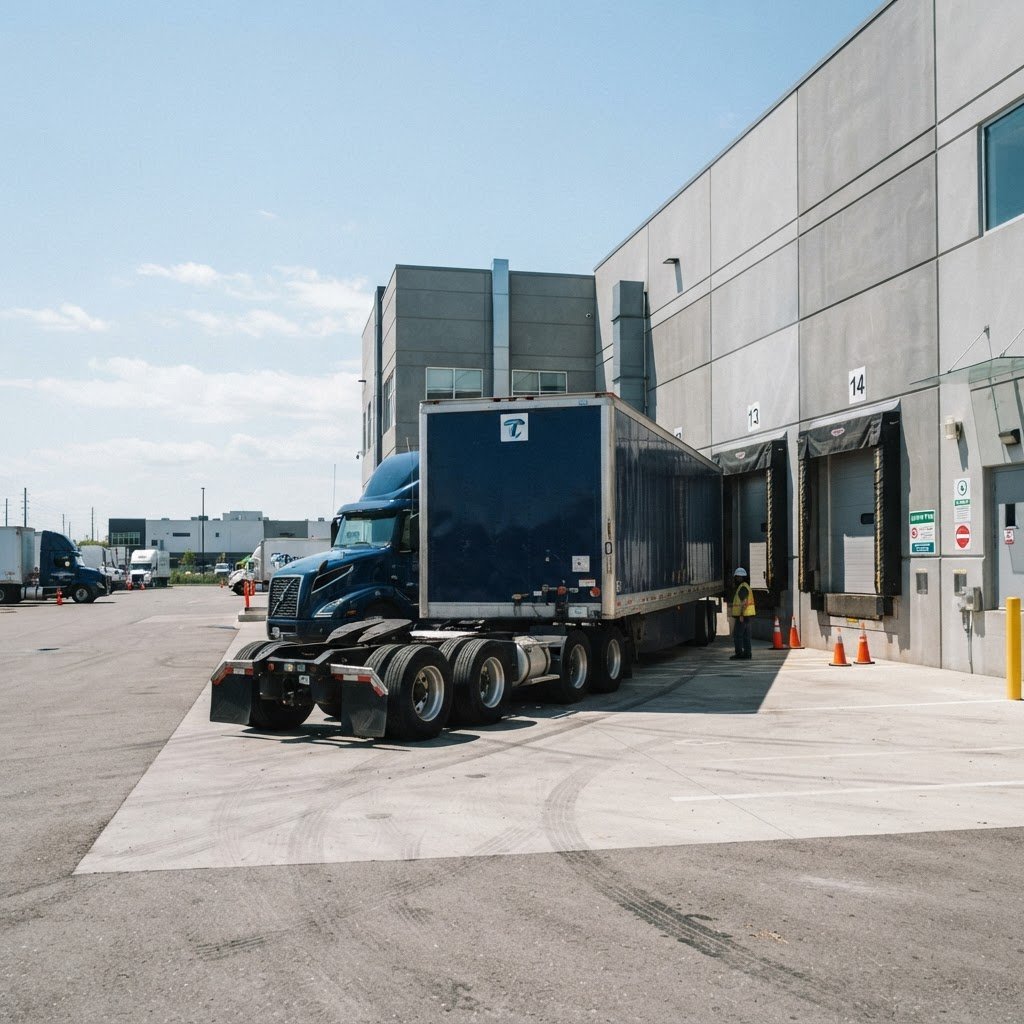
A traditional broker and an online LTL shipping marketplace do not process quote requests in the same way. The broker model relies on an intermediary to gather shipment details and seek carrier capacity, while a marketplace can broadcast one structured request across its participating carrier network.
Where time is lost in manual LTL quoting#
Phone calls, incomplete emails, and serial follow-ups create the slowest part of the quote cycle. A broker may need to clarify dimensions, ask whether a loading dock is available, or confirm whether the freight needs a liftgate before submitting the request to carriers.
That does not make broker support irrelevant. Complex loads may require human review, but a platform with structured fields and dispatch communication can preserve speed while ensuring the carrier receives operationally useful information.
This comparison highlights the workflow differences that affect the freight shipping quotes Canadian businesses can obtain on short notice.
Quote method | Request process | Carrier comparison | Booking path |
|---|---|---|---|
Phone or email broker | Details pass through an intermediary | Often returned through separate communication | Manual confirmation after selection |
Single-carrier portal | Details entered directly with one carrier | One carrier rate at a time | Books within that carrier's portal |
Digital marketplace | One structured request reaches network carriers | Rates and service details shown side by side | Selection and confirmation occur online |
The decisive difference is visibility: comparing carrier responses in one workspace lets shippers identify missing services or materially different transit estimates before confirming freight.
Use speed without sacrificing quote accuracy#
Fast rates only help if they match the actual shipment. Before booking, review the quoted weight, pallet dimensions, accessorial services, and pickup timing, then use accurate online freight quotes as the standard rather than treating the lowest displayed price as final.
For businesses shipping LTL freight in Montreal, address quality is especially important when pickups or deliveries occur at downtown sites with scheduling, dock, or vehicle-access constraints. Truxweb lets shippers compare carrier information before booking and communicate with carrier dispatch through in-platform chat when an operating detail needs clarification.

Move From Quote to Booking Faster#
Once a rate is available, the next delay often comes from internal approval or carrier confirmation. A practical process assigns one person to validate shipment details, compare service levels, and authorize the booking while the pickup window remains open.
Compare the service details, not only LTL shipping rates#
Compare LTL freight carriers on the details that affect delivery execution: quoted transit, service requirements, carrier rating, and all booking fees. According to CSA Transportation, LTL transit times in Canada typically range from 3 to 7 business days for major metro lanes and can be longer for remote or rural destinations.
A lower rate can lose its value if it cannot meet the receiving schedule or includes fewer required services. Use a short approval checklist so procurement does not need to reopen the quote after a carrier has already allocated capacity.
Build a repeatable lane and freight profile#
Save common origins, destinations, pallet specifications, and service needs for recurring routes. This approach helps reduce LTL shipping costs by limiting data-entry errors and makes an instant LTL quote more dependable when inventory must move quickly.
Canadian freight markets also change with capacity and operating conditions, so checking a current freight market index or how LTL and FTL shipping differ can add context when rates shift between similar shipments. Regular lane data also makes it easier to spot when a new quote differs because of freight specifications rather than the market.
Conclusion#
The fastest LTL quote process combines complete freight details with a system that reaches several carriers without repeated calls or emails. Compare the actual operating requirements behind each rate, especially accessorial services, transit expectations, and pickup constraints. For Quebec and Ontario SMEs moving pallet freight within Canada or into the United States, Truxweb provides direct carrier comparisons, transparent booking information, and a booking process the company says can take under two minutes. Build repeatable shipment profiles so speed does not come at the expense of quote accuracy.
Ready to simplify your next freight request? Get a quote with Truxweb and compare carrier options in one place.
Frequently Asked Questions (FAQs)#
How to get a cheap LTL freight quote?#
To get a cheap LTL freight quote, submit precise weight, dimensions, addresses, and service requirements, then compare like-for-like carrier offers because omitted accessorial services can turn a low initial rate into a revised charge after pickup or delivery.
What is the average cost of LTL shipping?#
The average cost of LTL shipping varies because carriers price each shipment using weight, distance, freight class, and requested services, so a meaningful estimate requires the shipment's physical details and the exact origin and destination.
How to calculate LTL freight rates?#
To calculate LTL freight rates, carriers evaluate the freight's weight, dimensions and class alongside the travel lane and any additional handling or delivery services, which means each detail needs to match the bill of lading.
How long does it take to get a freight quote?#
How long it takes to get a freight quote depends on the request method and data quality, while Truxweb reports that 92% of its carrier network replies within 30 minutes during business hours after receiving a shipment request.
Why use an LTL shipping marketplace vs a broker?#
Using an LTL shipping marketplace versus a broker can reduce manual handoffs because one structured request reaches multiple participating carriers, allowing the shipper to review quoted rates, transit options, and fees side by side.
Can I ship LTL freight to the USA from Montreal?#
You can ship LTL freight to the USA from Montreal when the carrier serves the lane and the shipment includes the documentation required for cross-border movement, so confirm freight details and delivery requirements before booking.
About the author