California Freight: Direct Carrier Access Wins Over Brokers
Compare direct carrier freight quotes vs broker markup for California freight lanes and see how Canadian SMEs save time and money shipping LTL freight.
By Daniel Park · 7 min read ·

Quick Answer#
Direct carrier access beats a traditional broker for California freight lanes when Canadian SMEs need transparent pricing, rapid quote responses, and control over carrier selection. For shipments of one to eight pallets, a marketplace model removes an avoidable brokerage layer while preserving carrier choice and cross-border support.

Introduction#
California freight shipping from Ontario and Quebec becomes expensive when a broker adds markup, slows carrier communication, and leaves the shipper with limited visibility into the underlying quote. Direct carrier freight quotes let shippers compare prices, transit options, ratings, and booking fees before committing to a carrier. This matters most on long cross-border lanes, where freight class, pallet dimensions, customs paperwork, and delivery appointments can all alter the final charge. A low initial quote loses its value when fees surface after pickup or when a carrier cannot meet a required delivery window.
Key Takeaways:
Direct access exposes carrier rates and booking fees before confirmation.
Fast quote responses reduce the operational delay of broker email chains.
Carrier vetting and shipment visibility matter as much as the freight rate.

California Freight Shipping: Why the Broker Layer Can Cost More#
A broker can coordinate a shipment, but the model may separate the shipper from the carrier actually pricing and moving the freight. On Ontario to California LTL shipping and Quebec to California pallet freight, additional handoffs can slow exception handling, from a missed pickup request to a customs-document question. The shipper receives a brokered rate rather than a direct view of available carrier options.
How Broker Markups and Delays Form#
A broker collects shipment details, requests capacity, receives carrier pricing, and then presents a customer rate that may include its margin. That process can work, but it gives an SME fewer ways to test whether the quoted price reflects the lane, service level, and actual carrier availability. Hidden broker fees become especially problematic when accessorial charges are unclear before booking.
Rate opacity: The carrier’s underlying price remains unseen.
Manual handoffs: Emails delay quote collection and changes.
Limited choice: A broker may present only selected options.
Fee uncertainty: Accessorial charges can emerge after booking.
Cross-Border Complexity Requires Clear Ownership#
Cross-border shipping to California requires accurate commercial documentation, because a commercial invoice supports customs clearance and a USMCA certification of origin can determine eligibility for preferential USMCA tariff treatment. Canada-domiciled carriers operating in the U.S. also need compliant electronic logging devices to track hours of service. A shipper benefits when dispatch communication reaches the carrier directly rather than moving through multiple intermediaries.
Customs brokers often need documents before the freight reaches the border, so the freight booking workflow needs to identify document ownership early. Accurate documentation and early ownership of customs tasks help reduce avoidable border delays.
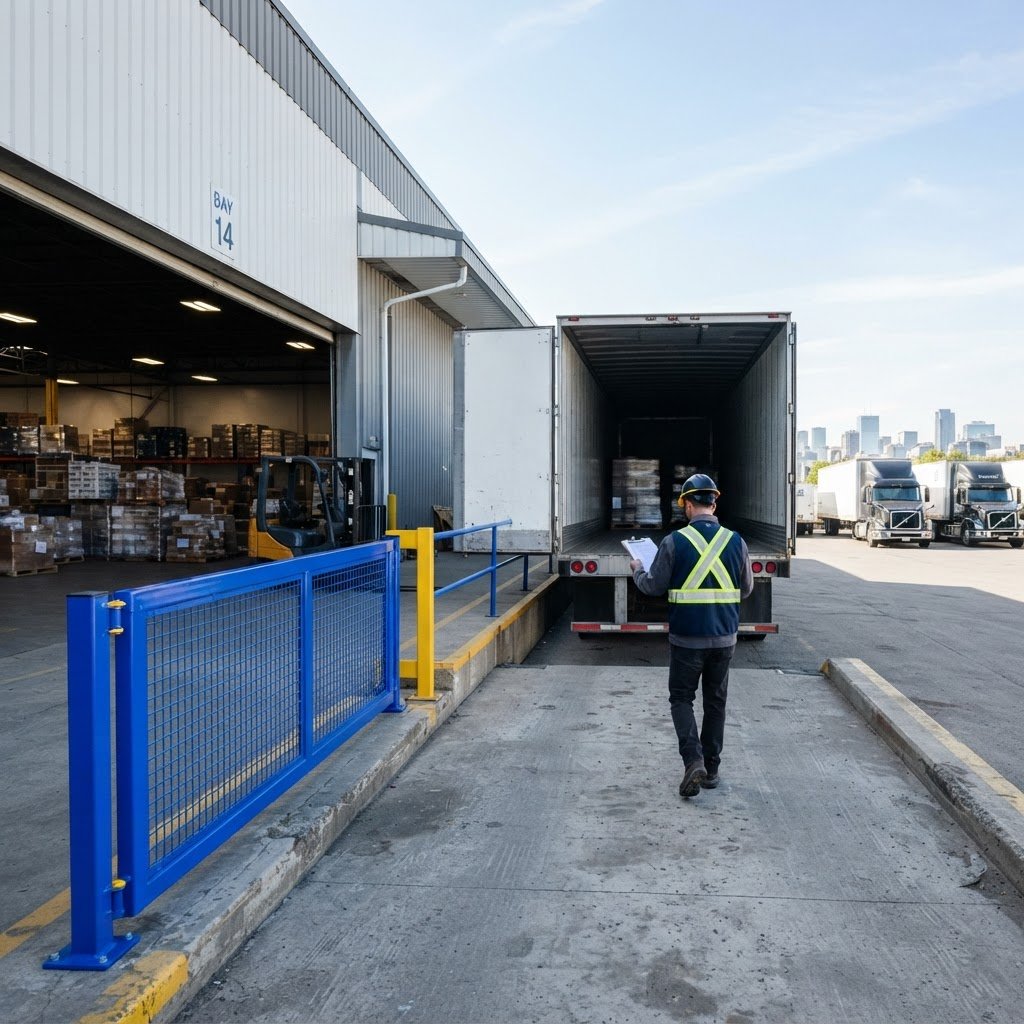
Freight Marketplace vs Freight Broker for California Lanes#
The fundamental difference is access: a broker intermediates between shipper and carrier, while a marketplace distributes the shipment request to carriers serving the lane. For LTL freight shipping Canada to California, direct access gives the shipper a practical way to compare carrier-specific pricing and service information without making repeated calls.
Compare Direct Carrier Quotes vs Broker Markup#
Direct comparison is more useful than accepting the first available rate because less-than-truckload freight rates to California depend on weight, dimensions, freight characteristics, lane, and requested service. LTL consolidates smaller shipments on a shared trailer, so the carrier’s available network and routing decisions affect both handling and cost.
The comparison below focuses on operational differences that affect a California-bound pallet shipment.
Decision factor | Traditional broker | Direct carrier marketplace |
|---|---|---|
Rate visibility | Broker presents a customer rate | Carrier quotes can be compared side by side |
Carrier communication | Usually routed through broker staff | Direct dispatch communication can be available |
Booking fees | May be embedded in quoted pricing | Detailed fees can appear before booking |
Quote collection | Manual requests and follow-ups | One request reaches carriers serving the lane |
Shipment oversight | Depends on broker workflow | Platform dashboard and carrier updates |
The advantage is not that every carrier will quote the same price. It is that the shipper can evaluate the tradeoff between price, transit time, carrier record, and fees before selecting an option.
What Direct Access Looks Like in Practice#
Freight marketplace versus broker models differ most at the point of decision: the marketplace gives the shipper a structured view of available responses, while the broker controls the comparison process. Truxweb broadcasts one request to carriers servicing the lane, then shows rates, transit times, carrier ratings, and detailed booking fees before confirmation.
Its reported 92% carrier response rate within 30 minutes during business hours reduces the waiting associated with phone and email quote collection. The platform also reports booking in under two minutes, an operational benefit when a buyer needs to release freight before a warehouse cutoff.
Carrier Quality and Booking Control on Long-Haul LTL#
Direct access only works when the marketplace screens carriers and gives shippers enough information to make a defensible choice. A California lane adds long-haul exposure, border procedures, terminal transfers, and appointment risk, so selecting a low rate without reviewing service information can create a larger downstream cost.
Use Carrier Data, Not Assumptions#
Evaluate a Toronto to California LTL carrier or a Montreal to California freight shipping option on the lane-specific details that influence execution: pickup availability, transit estimate, carrier rating, service restrictions, and charges for required accessorials. Reliable carrier selection also starts with accurate shipment data, including pallet count, dimensions, weight, commodity description, and pickup or delivery constraints.
Ontario to California carrier selection should include the carrier’s ability to manage border documentation and delivery conditions, not simply the lowest quoted amount. The broader process of California carrier selection should also confirm who handles customs coordination and which party receives status updates if a shipment is delayed.
Choose Visibility That Supports Fast Intervention#
Truxweb requires participating carriers to maintain at least a 95% satisfaction rating and monitors them daily through SaferWatch for federal and provincial safety and compliance. Its shipping dashboard, automated dispatch and delivery alerts, and in-platform carrier-dispatch chat give SMEs a way to track execution without building a large internal logistics team.
Carrier quality does not remove the need for preparation. The shipper still needs a complete commercial invoice, correct commodity details, and enough lead time for customs documentation before the border process begins.

Conclusion#
For Canadian SMEs shipping pallets into California, direct carrier access delivers the control that brokered freight often obscures. Compare rates with transit times, carrier ratings, and stated fees, then confirm customs responsibilities before booking. Truxweb is the practical choice for Ontario and Quebec shippers that want direct carrier comparison, transparent booking information, and concierge support for recurring LTL moves. Use the same shipment details across every quote request so the comparison reflects a real operational decision.
Ready to price your next California shipment? Compare carrier quotes with Truxweb before you book.
Frequently Asked Questions (FAQs)#
Can small businesses book direct carrier freight to California?#
Small businesses can book direct carrier freight to California through a marketplace that accepts pallet-level shipments, provided they supply complete freight details, pickup and delivery information, and the documentation required for the cross-border movement.
Is it cheaper to use a freight marketplace or a broker?#
A freight marketplace can be cheaper than a broker when direct carrier comparison exposes lower available rates and clear fees, while Truxweb reports average savings of 14 to 22% and headline savings up to 40%.
How to ship LTL freight from Canada to California?#
To ship LTL freight from Canada to California, prepare accurate pallet specifications and a commercial invoice, obtain carrier quotes, confirm customs responsibilities, and book the service that meets the required transit and delivery conditions.
Why choose a direct-to-carrier shipping platform?#
A direct-to-carrier shipping platform gives shippers visibility into competing rates, transit times, carrier ratings, and booking fees, which supports a faster and more informed booking decision than a single brokered quote.
How long does it take to ship freight from Ontario to California?#
Freight transit from Ontario to California varies by carrier routing, terminal handling, border processing, pickup timing, and delivery appointment requirements, so shippers should compare carrier-specific transit estimates rather than rely on a generic lane promise.
Are there hidden fees in cross-border freight shipping?#
Hidden fees in cross-border freight shipping can arise when accessorial services, appointment requirements, border-related handling, or shipment-detail corrections are not identified before booking, making detailed fee visibility essential.
About the author