


Introduction
Quick Answer
Choose a cross-border LTL carrier from Ontario to California by comparing five factors side by side: rate transparency, published transit times, customs documentation support, verified carrier ratings, and technology features like live tracking and instant quotes. The right carrier is the one that scores well on all five for your specific pallet count, commodity type, and delivery window, not simply the cheapest quote in your inbox.
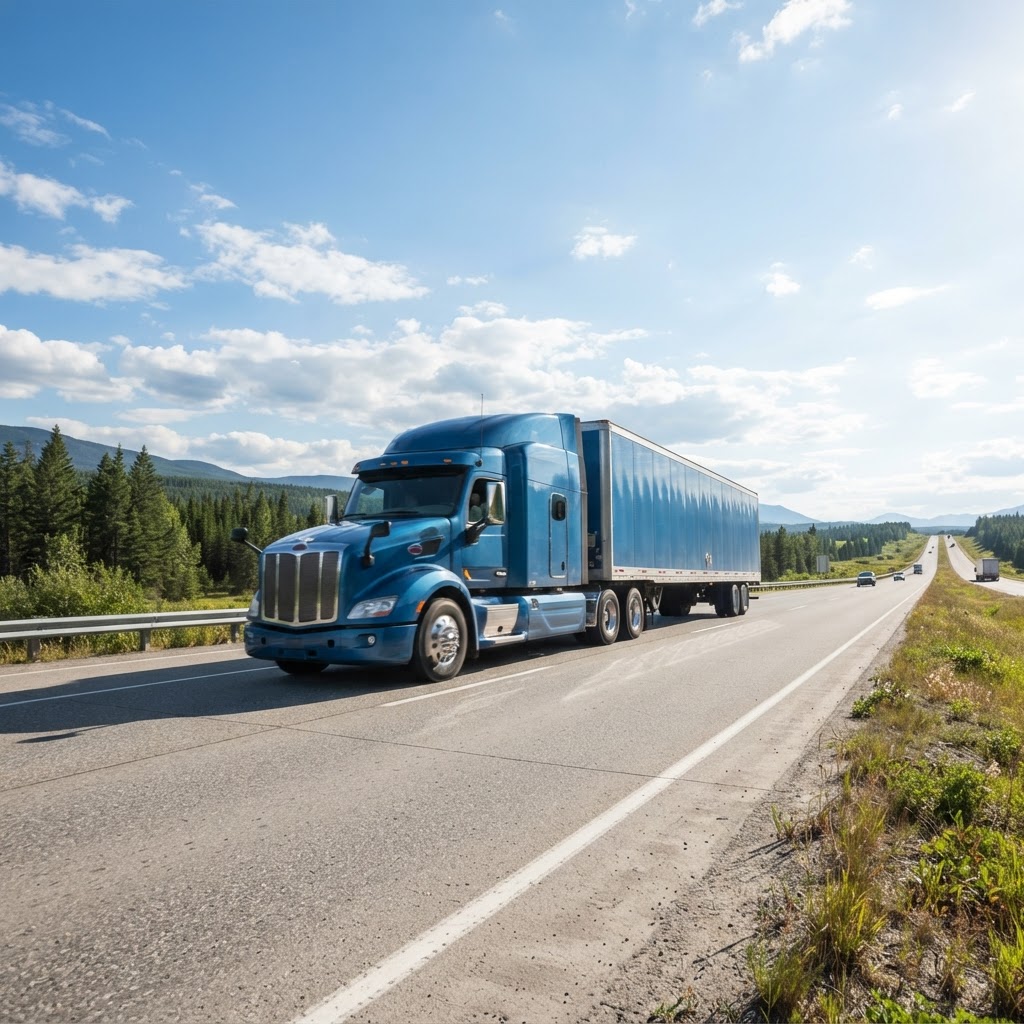
Ontario to California is one of the longest and most operationally demanding LTL lanes in North America, stretching roughly 4,000 kilometres and crossing an international border that adds paperwork, brokerage steps, and inspection risk to every shipment. Shippers who pick a carrier based on price alone often discover the true cost only after a load is stuck at Detroit-Windsor or held in a Los Angeles terminal for missing documentation. The smarter approach is to evaluate carriers against a clear framework built for this trade lane. Rates matter, but so do transit consistency, customs experience, and how quickly you can see and act on shipment status. A carrier that clears the border smoothly on a Tuesday but misses appointments in Fontana by two days is not saving anyone money.
Key Takeaways:
Compare Ontario to California LTL carriers on five criteria: pricing transparency, transit reliability, customs handling, ratings, and technology.
Cheap base rates often hide accessorial fees, brokerage charges, and inconsistent transit times that erase the savings on cross-border lanes.
A digital freight marketplace lets you request, compare, and book quotes from multiple vetted carriers in minutes instead of days.
The Five Criteria That Actually Matter on the Ontario to California Lane
Not every LTL carrier that quotes an Ontario to California move is built for the realities of this lane. Distance, border crossings, and West Coast terminal congestion combine to expose weak carriers quickly. Focus your evaluation on the criteria below, and ignore vanity metrics like fleet size or years in business that do not predict on-time delivery.
Rate Transparency and Total Landed Cost
Base rate is only the starting point. When you request cross border freight quotes Ontario shippers should always confirm what is and is not included: fuel surcharges, cross-border fees, customs brokerage, residential or limited-access delivery, liftgate service, and reweigh or reclass adjustments at terminals. A carrier quoting a low linehaul number and adding four accessorials later is rarely cheaper than a competitor with an all-in rate. Ask for a written breakdown before booking.
Line-item rate sheet: Request a quote that separates linehaul, fuel, border, and accessorial charges.
Density and class confirmation: Verify the freight class used, since a reclass at the terminal can raise costs by 20 to 40 percent.
Currency and payment terms: Confirm whether the rate is in CAD or USD and whether cross-border surcharges apply.
Included services: Ask specifically about tailgate delivery, inside delivery, and appointment scheduling.
Guaranteed vs. standard service: Understand which service level the quote reflects before comparing to another carrier.
Transit Time Reliability
Standard LTL transit from the Greater Toronto Area to Southern California typically runs 6 to 9 business days, though guaranteed and expedited services can compress that to 5 days. What matters more than the quoted number is the carrier's on-time performance history on this specific lane. A published 7-day transit means little if the carrier hits it only 70 percent of the time. When comparing best LTL carriers Canada to California, ask each one for their on-time percentage on southbound cross-border loads over the past 90 days, and cross-check that against public carrier performance metrics before committing.
Customs, Documentation, and Border Handling
Customs is where most Ontario to California LTL shipping problems begin, and where the biggest cost overruns quietly accumulate. According to the cross-border LTL freight shipping guidance from the NMFTA, incomplete paperwork and misclassified commodities are the leading causes of border delays on Canada to U.S. lanes. A carrier's ability to handle customs cleanly is often the difference between a smooth 7-day delivery and a shipment stuck in bonded storage.
Documentation Support and Brokerage
Ask each carrier whether they offer in-house U.S. customs brokerage or work with a preferred broker, and whether that cost is included in the quote. A carrier that handles the commercial invoice, PARS/PAPS documentation, and Section 321 or formal entry decisions on your behalf removes a major point of failure. Review a checklist of common customs clearance mistakes to avoid before your first shipment, since a single wrong HS code can hold your pallet at the border for days. Most cross-border LTL shipping delays actually originate before the truck reaches the border, in the paperwork stage.
Carrier Ratings, Safety, and Compliance
Before booking any LTL transport services Toronto to California, verify the carrier's safety record through SaferWatch or the FMCSA SAFER system, and look at customer satisfaction ratings from other Canadian shippers on the same lane. Truxweb requires every carrier on its marketplace to maintain a minimum 95 percent customer satisfaction rating and monitors safety compliance daily, which removes most of this legwork for shippers. Independent verification still matters, but a platform that pre-screens carriers narrows the field considerably.
Technology, Tracking, and How Digital Marketplaces Change the Comparison
Ten years ago, comparing carriers on this lane meant sending five emails and waiting two days for rates that were already stale. That workflow is disappearing fast, and the shippers still using it are paying for the inefficiency in both dollars and time.
What Modern Freight Technology Delivers
The rise of digital freight platforms has reshaped how Canadian shippers approach cross-border LTL. Instant quote engines, side-by-side rate comparison, integrated tracking, and consolidated invoicing all reduce the administrative overhead that used to eat into margin. Broader shifts in freight forwarding technology show the same pattern across the industry: manual booking is being replaced by API-driven workflows that surface better rates faster. For a shipper moving 1 to 8 pallets from Ontario to California, the practical benefit is being able to compare five vetted carriers in one screen instead of chasing quotes for a week.
What to Look for in a Comparison Tool
Not every LTL carrier comparison tool Ontario businesses can access online delivers the same value. The good ones show real, bookable rates, not estimates that shift after booking. They display transit times and carrier ratings alongside price, so you are not forced to open a spreadsheet to compare. They also offer live freight tracking Ontario to California shipments can be monitored on without calling a dispatcher, plus in-platform messaging with the carrier's operations team.
Red Flags, Questions to Ask, and How to Finalize Your Choice
Once you have a shortlist of two or three carriers that meet the criteria above, a final round of direct questions will separate the reliable partners from the risky ones. Treat this like a vendor interview, because that is exactly what it is.
Questions Every Ontario Shipper Should Ask
Ask each carrier for their on-time delivery percentage on southbound cross-border LTL over the past 90 days, their claims ratio, and the average dwell time at their busiest U.S. terminal. Ask who handles customs and whether brokerage is included. Ask for three references from Canadian shippers on similar lanes. Also review a full list of must-check criteria for selecting carriers before finalizing, and confirm the carrier can produce documentation quickly if a shipment is flagged at the border. The way a carrier answers these questions tells you as much as the answers themselves.
Red Flags to Walk Away From
Certain patterns should end the conversation immediately, regardless of how attractive the rate looks on paper. Watch for these signals when evaluating any less than truckload shipping rates from Ontario offer.
Vague pricing: Refusal to itemize fuel, border fees, and accessorials in writing is a sign of hidden costs later.
No cross-border experience: A carrier that cannot name their customs broker or explain PARS should not handle your Canada to U.S. freight.
Missing safety data: No SaferWatch profile or an unfavourable FMCSA rating is a hard stop.
Poor communication: Slow email replies during the quoting stage will get worse once a shipment is in transit.
No tracking visibility: If the carrier cannot show you where your pallet is in real time, you are flying blind on a 4,000 kilometre lane.
Bringing It All Together
The most efficient way to work through all five criteria is on a platform that centralizes them. Reviewing detailed guidance on shipping to California from Ontario alongside real-time carrier quotes lets you make one decision with all the context in front of you, instead of stitching together information from six different sources. For most small and medium-sized businesses shipping 1 to 8 pallets, Truxweb offers exactly that combination: vetted carriers, transparent all-in rates, live tracking, and 24/7 support on a single dashboard.
Conclusion
Choosing the right cross-border LTL carrier from Ontario to California is not about finding the lowest quote in your inbox. It is about matching a carrier's real performance on this specific lane to your shipment's requirements across five clear criteria: pricing transparency, transit reliability, customs handling, ratings, and technology. Shippers who apply this framework consistently spend less time managing exceptions and more time growing their business. The tools to do this well are now within reach of any Canadian SMB, not just enterprise logistics teams.
Ready to compare vetted cross-border LTL carriers for your next Ontario to California shipment? Get instant quotes on Truxweb and see side-by-side rates, transit times, and carrier ratings in under 30 minutes.
Frequently Asked Questions (FAQs)
How do you ship pallets from Ontario to California?
You ship pallets from Ontario to California by booking an LTL carrier that handles cross-border freight, preparing a commercial invoice and customs documentation, and scheduling pickup through a carrier or digital marketplace that supports the full Canada to U.S. workflow.
What is the cost of LTL shipping from Ontario to California?
Pallet shipping Ontario to California costs typically range from CAD 400 to CAD 900 per pallet for standard LTL service, depending on weight, class, fuel surcharges, and accessorial fees, with guaranteed service adding roughly 20 to 40 percent to the base rate.
How do customs work for LTL shipping from Ontario to the USA?
Customs for LTL shipping from Ontario to the USA requires a commercial invoice, a bill of lading, correct HS codes, and either a PARS submission by the carrier or entry filing by a licensed U.S. customs broker before the truck reaches the border.
Can small businesses use LTL shipping for cross-border freight?
Yes, reliable LTL shipping for small business shippers is one of the most cost-effective ways to move 1 to 8 pallets across the border, especially through digital marketplaces that pre-vet carriers and consolidate quoting, tracking, and invoicing.
How long does LTL shipping take from Ontario to California?
Standard LTL shipping from Ontario to California takes 6 to 9 business days door to door, with guaranteed and expedited services compressing transit to as little as 4 to 5 business days at a higher rate.
How can I compare freight rates from Ontario to California?
You can compare freight rates from Ontario to California by using a digital LTL marketplace that sends your quote request to multiple carriers simultaneously and returns side-by-side rates, transit times, and ratings within minutes.
Is LTL shipping safer than parcel shipping for California?
LTL shipping is generally safer than parcel shipping for palletized freight going to California because pallets stay strapped and handled by forklift throughout transit, reducing the damage and loss risk that comes from the sortation-heavy parcel network.
About the Author
Sarah Bennett is a Cross-Border Trade and Customs Specialist focused on Canada-U.S. freight compliance between Ontario, Quebec, and key U.S. markets. She writes about customs clearance, freight documentation, and border compliance to help Canadian shippers move goods across the border with fewer delays and lower total costs.