


Introduction
Canada's geography is both a strength and a logistical challenge. Spanning over 9.9 million square kilometers, the country's freight network is vast but carrier coverage is far from uniform across every corridor. For businesses relying on cross-province LTL shipping Canada-wide, knowing which routes are well-served and which are underserved can be the difference between predictable delivery windows and costly surprises. This guide breaks down the major freight lanes from coast to coast, evaluates where Canada freight carriers are most concentrated, and explains how to use that knowledge to ship smarter.
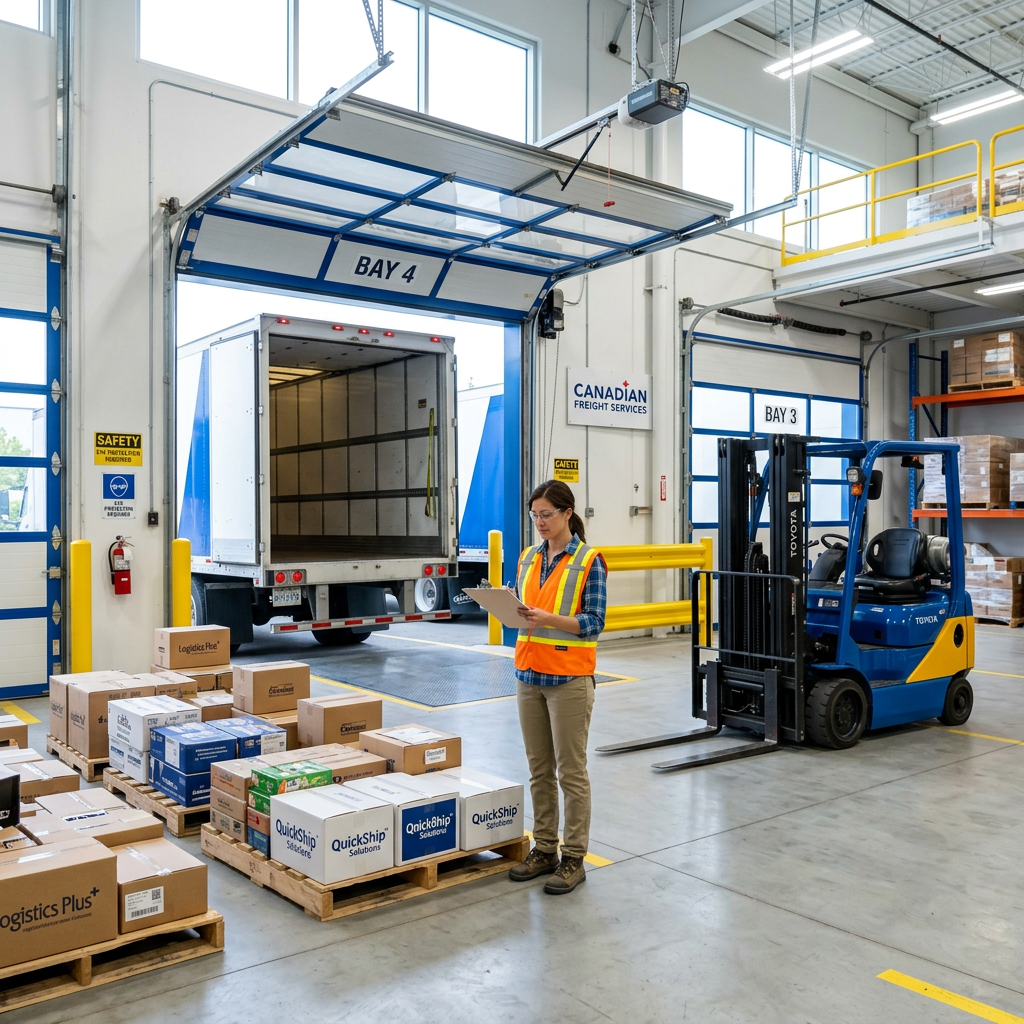
Canada's Freight Network: A Lane-by-Lane Reality Check
Not all trucking corridors are created equal. Some lanes carry enormous freight volumes with dozens of active carriers competing for business, while others connect smaller markets with just a handful of reliable options. Understanding the structure of trucking Canada-wide starts with recognizing which corridors drive the bulk of domestic freight movement.
The Quebec-Ontario Corridor: Canada's Freight Backbone
The Quebec-Ontario corridor is the most active freight lane in the country, connecting two of Canada's largest economic hubs. LTL carriers Canada-wide concentrate heavily here, making it the most competitive lane for rates and transit times. Statistics Canada freight data consistently shows this corridor accounting for a disproportionate share of total domestic tonnage, which directly translates to more carrier options for shippers. The high carrier density on this route means businesses shipping from Quebec to Ontario typically benefit from faster quotes, more competitive pricing, and better service reliability than on any other domestic lane.
- Carrier density: The highest in Canada, with major regional and national carriers all operating scheduled services.
- Transit times: Generally 1 to 2 business days between major urban centers like Montreal, Quebec City, Toronto, and Ottawa.
- Rate competitiveness: Strong competition keeps pricing in check, especially for standard pallet shipments.
- Service frequency: Most carriers run daily linehaul on this lane, reducing wait times for pickup.
- Coverage depth: Secondary markets like Kingston, Trois-Rivières, and Windsor are typically well-served as connecting points.
Trucking Companies in Ontario and Quebec: Why Coverage Depth Matters
The concentration of trucking companies in Ontario and trucking companies in Quebec goes beyond the main highway corridors. Many carriers based in these provinces also extend service into the Maritimes and Western Canada, making them natural anchor points for longer cross-country shipments. For shippers, this means that freight originating in central Canada often has the most flexibility in terms of carrier selection, consolidation options, and pickup frequency. Choosing the right carrier from a dense lane like this can also improve the overall reliability of shipments that pass through Ontario or Quebec as a midpoint.

Western Canada and Atlantic Routes: Where Coverage Thins Out
Beyond the central corridor, carrier availability shifts considerably. Western Canada and the Atlantic provinces represent important markets, but the freight dynamics on these lanes require a different approach to planning and carrier selection.
Western Canada: High Volume, but Longer Distances
The Alberta-British Columbia corridor and the prairie routes connecting Saskatchewan and Manitoba are active lanes, particularly for industrial goods, retail distribution, and resource-sector freight. Freight shipping Canada-wide continues to grow in the West, but the distances involved mean transit times are longer and fewer carriers run true LTL service between smaller cities. Shippers moving freight from Ontario to Alberta, for example, can expect transit times of 5 to 8 business days depending on the carrier and the specific origin and destination points. The pool of verified trucking carriers Canada-wide that serve these longer hauls is smaller than on the Quebec-Ontario lane, so booking early and comparing multiple carriers is especially important.
Atlantic Canada: Underserved but Not Unreachable
New Brunswick, Nova Scotia, Prince Edward Island, and Newfoundland represent the most challenging freight environment in Canada for reliable LTL freight Canada-wide. Carrier options are fewer, service frequencies are lower, and rates tend to be higher due to lower freight density and the additional costs of operating in the region. That said, several national carriers do maintain scheduled Atlantic service, and LTL shipping for SMEs in Atlantic Canada has improved meaningfully as digital freight platforms make it easier to connect with carriers that might otherwise be difficult to identify through traditional channels. Shippers moving into this region should budget for longer transit times, generally 3 to 5 business days from Ontario, and plan inventory lead times accordingly.
How to Use Carrier Coverage Data to Ship Smarter
Knowing which lanes are well-covered is only half the equation. The real advantage comes from using that knowledge to make better booking decisions, whether you are shipping a single pallet or a full week's worth of outbound orders.
Leverage Carrier Density for Better Rates
On high-density lanes like Quebec to Ontario, more carriers competing for your freight means you have real negotiating power, even if you are a small shipper. Freight carrier ratings Canada-wide are increasingly accessible through digital platforms, allowing shippers to evaluate not just price but on-time performance, claims rates, and communication quality before booking. Instead of defaulting to a single carrier relationship, businesses that compare multiple quotes on active lanes often reduce their per-shipment costs significantly without sacrificing service quality. The key is having access to a broad enough pool of carriers to make that comparison meaningful.
Plan Differently for Thin Coverage Lanes
For shipments heading into Atlantic Canada, Northern Ontario, or remote parts of the West, the approach needs to shift. Digital freight marketplaces simplify this process by surfacing carriers that serve these lanes without requiring shippers to maintain separate broker relationships for each region. Best LTL freight platforms for Canadian shippers will show you real transit estimates and carrier-specific service areas upfront, so you are not discovering coverage gaps after a shipment is already in motion. Building in extra transit buffer and confirming pickup frequency before booking are both practical habits when working with thinner-coverage routes.
What to Look for in a Carrier Regardless of the Lane
Regardless of which corridor you are shipping on, the criteria for evaluating a carrier should remain consistent. Top-rated freight carriers Canada-wide share a few common traits: strong on-time delivery performance, transparent communication during transit, and verifiable safety compliance records. Industry data on Canadian trucking shows that carrier performance varies significantly even within the same lane, which is why freight carrier ratings Canada-wide should factor into every booking decision, not just on unfamiliar routes. Platforms that enforce minimum satisfaction thresholds take much of the guesswork out of this evaluation.
Conclusion
Canada's freight lanes are not equal, and treating them as if they were leads to missed expectations and avoidable costs. The Quebec-Ontario corridor offers the strongest carrier coverage and most competitive rates, Western Canada routes demand careful transit planning, and Atlantic lanes require a proactive approach to carrier sourcing. Truxweb gives shippers across all these lanes instant access to pre-vetted carriers, side-by-side rate comparisons, and real-time shipment visibility without brokering fees. Whether you are shipping a regular weekly lane or navigating an unfamiliar route for the first time, understanding carrier coverage puts you in a stronger position to ship confidently and cost-effectively. Start with the data, compare your options, and book with carriers whose performance record backs up their pricing.
Ready to compare carriers across Canada's top freight lanes? Get instant quotes on Truxweb and find the best carrier for your route today.
Frequently Asked Questions (FAQs)
What are the best trucking companies in Canada for LTL shipments?
The best LTL carriers in Canada depend on your specific lane, but companies with strong coverage on the Quebec-Ontario corridor and reliable Atlantic and Western service include both national carriers and regional specialists that can be compared side by side on digital freight platforms.
How do I find reliable freight carriers in Canada for my business?
The most efficient way to find reliable freight carriers in Canada is to use a digital freight marketplace that pre-vets carriers for safety compliance and customer satisfaction, so you are choosing from a qualified pool rather than sourcing carriers individually.
Which trucking routes have the best carrier coverage in Canada?
The Quebec-Ontario corridor consistently has the highest carrier density in Canada, followed by the Alberta-British Columbia lane, while Atlantic Canada and remote northern routes tend to have fewer active LTL carrier options.
How does carrier coverage differ between Quebec and Ontario?
Both Quebec and Ontario have strong carrier bases, but the coverage depth between these two provinces is the strongest in Canada because most major national and regional carriers run scheduled daily service on this lane.
What is the typical transit time for LTL freight across Canada?
Transit times for LTL freight in Canada range from 1 to 2 business days on the Quebec-Ontario corridor to 5 to 8 business days for cross-country shipments between Ontario and Alberta or British Columbia, depending on the carrier and specific points of origin and destination.