
Carrier Liability vs Cargo Insurance: What LTL Pays Out
A breakdown of how carrier liability differs from cargo insurance for LTL shipments, and how to tell if your freight is actually covered.
By Mathieu van Gent · 9 min read ·

Quick Answer
Carrier liability may pay far less than a shipment's actual value, while cargo insurance is designed to protect the declared value under its policy terms. For LTL freight, the payout depends on the carrier's applicable limit, the commodity, the shipping documents, and whether the loss falls within an exclusion. Check those details before booking, because coverage cannot be assumed after a pallet is damaged or lost.

Introduction
Cargo insurance protects against a different financial risk than carrier liability, and treating them as interchangeable can leave an SME absorbing a serious loss. Carrier liability is the carrier's legal responsibility under defined conditions, while freight cargo insurance is separate protection purchased for the shipment's declared value. This distinction matters most for fragile, high-value, or low-weight goods, where a weight-based limit can bear little relationship to invoice value. A clean bill of lading and accurate shipment description create the record needed when a claim must be reviewed.
Key Takeaways
- Carrier liability is limited protection, not automatic full-value reimbursement.
- Cargo insurance should be evaluated before pickup using declared value and commodity risk.
- Accurate documents and visible damage records strengthen a freight claim.
Carrier Liability for LTL Freight: What It Actually Means
Carrier liability is a legal obligation that can apply when goods are lost, damaged, or delayed while in a carrier's possession, but it is not a promise to repay every dollar of a commercial loss. Its scope can be limited by the carrier's tariff, bill of lading terms, commodity classification, packaging requirements, and the facts of the incident. Shippers arranging LTL shipping in Canada should review the carrier's liability terms as carefully as the quoted freight rate.
Why a carrier claim can pay less than invoice value
Many LTL limits are calculated by shipment weight or another stated liability basis rather than the value shown on the shipper's sales invoice. That creates a gap when a compact pallet holds specialized parts, electronics, finished goods, medical-adjacent equipment, or other expensive freight. Under Canada's motor carrier liability framework, a carrier is generally liable for loss or damage to goods in its possession but can limit that liability to $2.00 per pound unless the shipper declares a higher value, as described in the carrier liability regulations.[1]
- Weight basis: Payment may follow a stated per-weight limit.
- Declared value: Invoice value does not automatically increase carrier liability.
- Commodity rules: Certain goods can carry special restrictions or exclusions.
- Packaging: Inadequate packaging can affect claim outcomes.
- Documentation: Bills of lading and photos support the claimed loss.
- Delay: Liability can apply to transportation delay.
- Carrier handoffs: The originating carrier may recover paid loss or damage from another carrier.
Illustrative payout gap for a damaged pallet
Consider an illustrative pallet weighing 500 lb with an invoice value of $12,000. If a hypothetical carrier limit were $2 per lb, the liability calculation would be $1,000, leaving an $11,000 gap before considering any claim conditions or exclusions. Those figures are examples only, not a standard LTL limit, which is why the carrier's actual terms must be confirmed for each booking.
High-value goods need particular attention. Under Canada's uniform conditions of carriage, a carrier's liability generally defaults to $2.00 per pound (or $4.41 per kilogram) of the shipment, or the actual value of the goods, whichever is less, unless the shipper declares a higher value in writing on the bill of lading before shipment, as described in the carrier liability cap.[2] These conditions of carriage are set at the provincial level and are not identical everywhere, so the exact terms should be confirmed on the bill of lading for the lane in question. Disclosure supports transparency, but it does not by itself create cargo insurance or replace a separate coverage decision. The regulations also state that carrier liability for goods in its possession covers loss, damage, and transportation delay unless limited by the regulations. They also state that liability exclusions can apply in specified circumstances.
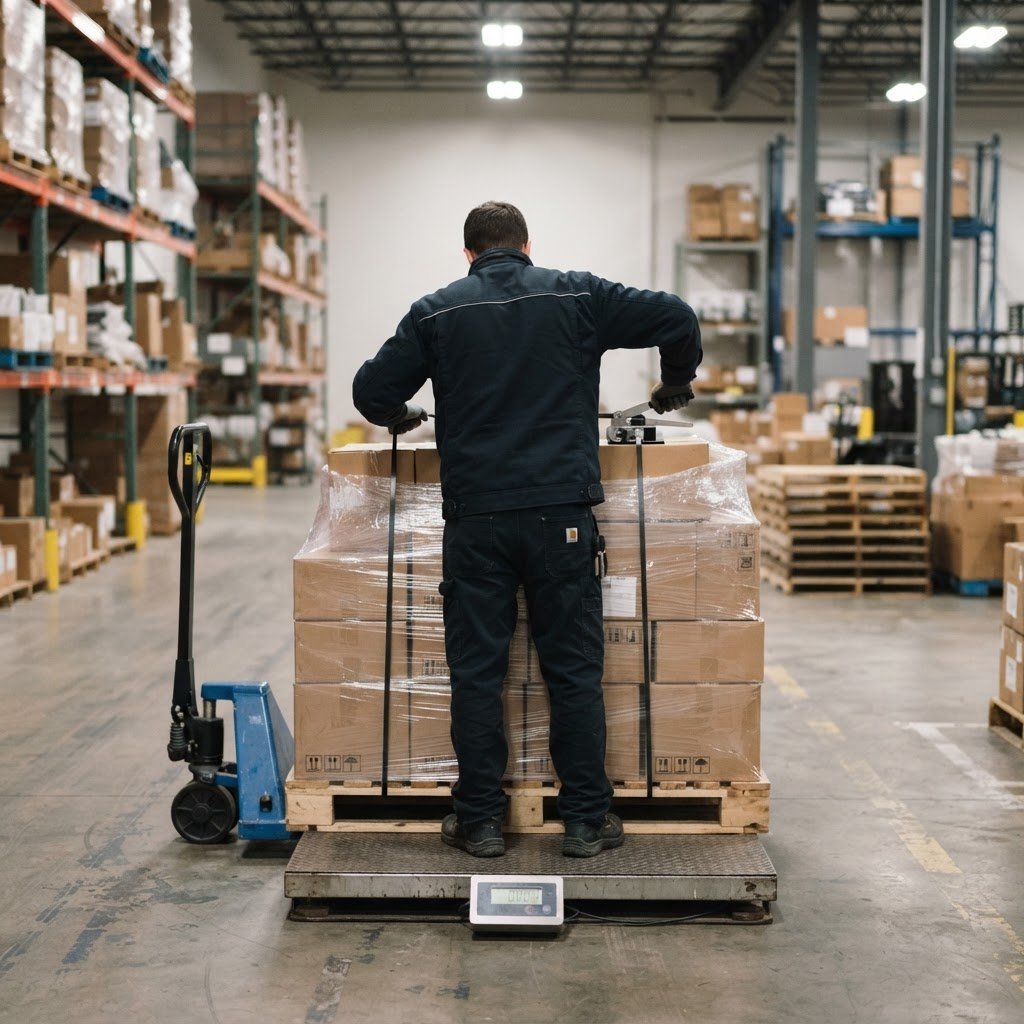
Cargo Insurance vs Carrier Liability
The practical difference between shipping liability and cargo insurance is the financial target of each protection. Carrier liability addresses the carrier's responsibility for a covered freight incident, while cargo insurance addresses the insured value of the shipment subject to the selected policy terms. For a shipment whose replacement cost would disrupt cash flow or customer delivery commitments, commercial freight insurance deserves a deliberate booking-time decision.
Compare the protections before you book
Use this comparison to separate a carrier claim from an insurance claim. Specific limits, deductibles, exclusions, and claim procedures vary by carrier and policy, so the booking documents remain the controlling source.
| Decision point | Carrier liability | Cargo insurance |
|---|---|---|
| Financial basis | Carrier's applicable liability terms | Declared insured value and policy terms |
| Trigger | Carrier responsibility for a covered loss | Covered physical loss or damage under the policy |
| Value gap risk | Can be substantial for high-value, light freight | Designed to address declared shipment value |
| Key booking input | Commodity, weight, tariff, and bill of lading | Declared value, commodity, route, and policy terms |
| Common mistake | Assuming the invoice is fully reimbursable | Assuming all causes of loss are automatically covered |
The key takeaway is simple: carrier liability is not cargo insurance; a carrier's liability can be limited under applicable regulations. A shipper should compare the maximum likely carrier recovery against the real cost to replace the goods, rework the order, and protect the customer relationship.
What cargo insurance can change
What freight insurance covers depends on the policy, the goods, the route, declared value, packaging, and the cause of loss. It can provide a path to recover the insured value of covered goods rather than relying solely on a carrier's limited liability calculation. It still requires accurate disclosure, adequate packaging, timely evidence, and compliance with policy conditions. For extraordinary-value goods, written value disclosure before shipping is especially important because the Canadian regulations address carrier liability where that disclosure is absent. For cross-border freight, the legal framework can add complexity. Carmack requires a carrier to issue a bill of lading or receipt for the property it receives for transportation, and a federal district court only has jurisdiction over a Carmack claim once the loss exceeds $10,000, exclusive of interest and costs, under 28 U.S.C. § 1337.[3] A liable carrier assumes liability for actual loss or injury to the property transported. Carmack also establishes concurrent jurisdiction in state and federal courts, although federal jurisdiction requires a loss exceeding $10,000. That does not establish automatic insurance coverage, but it reinforces why documentation matters on Canada-U.S. moves.

How to Decide Whether Added Coverage Is Worth It
Added coverage is worth considering whenever the loss of one shipment would exceed the carrier's likely liability or create a material operational problem. High-value goods, fragile products, custom inventory, prototypes, tightly scheduled customer orders, and shipments with difficult replacement lead times deserve closer review. This is especially relevant for cross-border LTL shipping, where handling points and documentation requirements can increase the consequences of a disruption.
Use a four-part booking check
Start with the declared commercial value, not the freight charge. Then identify the commodity, packaging method, total shipment weight, and the carrier's published liability terms for that commodity. Confirm whether the shipment could be treated as extraordinary-value freight and ensure its value is disclosed in writing before shipping. Compare the potential carrier payout with the full replacement exposure, including whether the shipper can replace the goods quickly enough to meet the customer's deadline. Review Canadian LTL rates separately from liability terms, since a competitive freight quote does not determine the recovery available after a loss.
Next, read the cargo insurance option for covered causes of loss, exclusions, deductibles, valuation rules, and claim requirements. Dangerous goods require special care because carriers commonly exclude liability for explosives or other dangerous goods when their nature was not disclosed before shipping. The regulations separately address loss, damage, and transportation delay, so the bill of lading, commodity description, value disclosure, and handling records should be retained together. The same discipline applies when arranging LTL freight between Canada and California, where shipment details should be complete before pickup.
Build evidence before the shipment moves
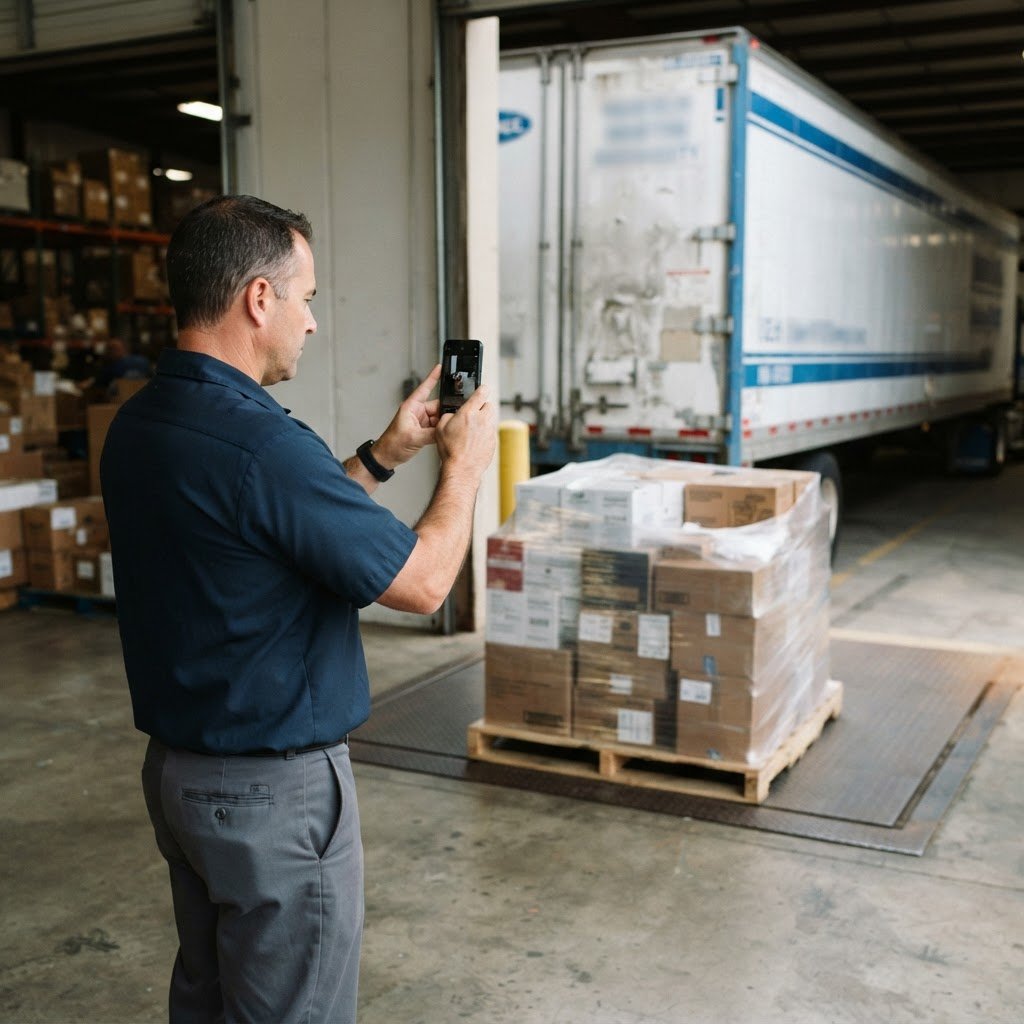
Claims succeed or fail on records as much as on the visible damage. Keep the commercial invoice, packing list, bill of lading, photographs of the freight before pickup, delivery receipt, and clear notes of any damage found at delivery. For cross-border moves, retain the bill of lading or receipt issued when the carrier receives the property, as required under the Carmack framework. If concealed damage appears later, preserve the packaging and product, photograph the condition immediately, and follow the carrier and insurer reporting process without delay.
Truxweb gives shippers a way to compare carrier quotes, transit times, ratings, and booking fees in one workflow, which makes it easier to pause and assess the exposure before selecting a carrier. A freight marketplace comparison can also help shippers understand how quote comparison and booking workflows differ from traditional broker arrangements. Its shipping dashboard and dispatch communications can also help maintain the operational record around pickup and delivery. Coverage availability and terms must still be reviewed for the individual shipment rather than assumed from the booking process.
Conclusion
Carrier liability can help after a covered freight incident, but it may not match the actual value of a lost or damaged pallet. Treat the carrier's limit as one input in the risk calculation, then compare it with declared value, commodity risk, replacement cost, and the consequences of a missed customer order. For Quebec and Ontario SMEs shipping pallet freight, Truxweb is a practical booking option when you need to compare carriers while keeping liability and cargo insurance decisions visible before confirmation. Check the applicable liability limit and consider added cargo insurance before pickup, not after a claim exposes the gap. On cross-border claims under Carmack, federal jurisdiction requires the loss to exceed $10,000, while concurrent jurisdiction exists in state and federal courts.
Frequently Asked Questions (FAQs)
Is carrier liability the same as cargo insurance?
Carrier liability is not the same as cargo insurance because liability concerns the carrier's responsibility under applicable terms, while cargo insurance protects the shipment's declared value for covered losses under a separate policy.
What is the difference between limited liability and cargo insurance?
Limited liability can restrict recovery using a carrier-defined calculation, often connected to weight or commodity rules, whereas cargo insurance is selected to address the declared value of goods subject to deductibles, exclusions, and policy conditions.
What is covered under standard cargo insurance?
Standard cargo insurance coverage depends on the specific policy, but it generally addresses covered physical loss or damage during transit rather than guaranteeing payment for every delay, packaging issue, excluded commodity, or uncovered cause of loss.
How much does freight insurance cost for LTL?
Freight insurance cost for LTL varies with declared value, commodity, route, shipment history, coverage scope, deductible, and carrier or insurer terms, so a reliable price requires reviewing the actual option for the booked shipment.
What should I do if my freight is damaged?
If your freight is damaged, document the condition on the delivery receipt when possible, photograph the goods and packaging, preserve all materials, retain shipping documents, and report the issue through the applicable carrier and insurance claim process promptly.
Can I insure high-value goods for LTL transport?
High-value goods can often be considered for LTL cargo insurance, but the shipper must accurately disclose value and commodity details because extraordinary-value goods and restricted commodities may carry specific underwriting, documentation, or coverage conditions.
Sources
- Carriage of Goods by Road — Admiralty Law ↩
- A Carrier's Knowledge Is The Key To Consequential Losses In Cargo Claims — Gardiner Roberts LLP ↩
- 28 U.S.C. § 1337 — Commerce and antitrust regulations; amount in controversy, costs (Cornell Law School Legal Information Institute) ↩
About the author

 Shipping Insurance: How to Protect High-Value Shipments
 LTL Shipment Tracking: Message Carriers in Real Time