


Introduction
For shippers in Ontario and Quebec, California represents one of the most important cross-border freight lanes in North America. The state's GDP exceeds $4 trillion, making it a consumer market larger than most countries, and Canadian exporters are consistently drawn to its scale. Freight shipping to California from Canada spans industries from food and agriculture to manufactured goods and consumer products. The distance, regulatory requirements, and carrier competition on this route create a unique set of challenges that reward careful planning over guesswork.

What Makes California a High-Demand Freight Destination
California is not just the largest state economy in the U.S.; it functions as a standalone trade bloc. Its combination of population density, port infrastructure, and industrial diversity creates steady, year-round demand for inbound freight. For businesses shipping from Toronto or Montreal, understanding the forces behind this demand is the first step toward building a cost-effective shipping strategy.
Consumer Economy and Trade Volume
With nearly 40 million residents and a GDP that would rank fifth globally if California were a country, the state absorbs an enormous volume of goods. California's economy is driven by technology, agriculture, entertainment, and advanced manufacturing, each of which generates inbound freight demand. Canadian exporters shipping food products, raw materials, automotive components, and consumer goods find consistent buyers throughout the state. The Los Angeles metro area alone accounts for a significant share of U.S. consumer spending, and the San Francisco Bay Area adds another layer of demand from its technology and biotech sectors.
- Los Angeles and Long Beach: Together these form the largest port complex in North America, handling over $300 billion in trade annually
- San Francisco Bay Area: A hub for tech hardware, pharmaceuticals, and high-value consumer goods requiring reliable transit
- Sacramento and Central Valley: Major agricultural distribution centers with steady demand for inbound industrial and packaged goods
- San Diego: A growing logistics corridor with cross-border ties to Mexico and strong defense sector procurement
Why the Ontario and Quebec Corridor Matters
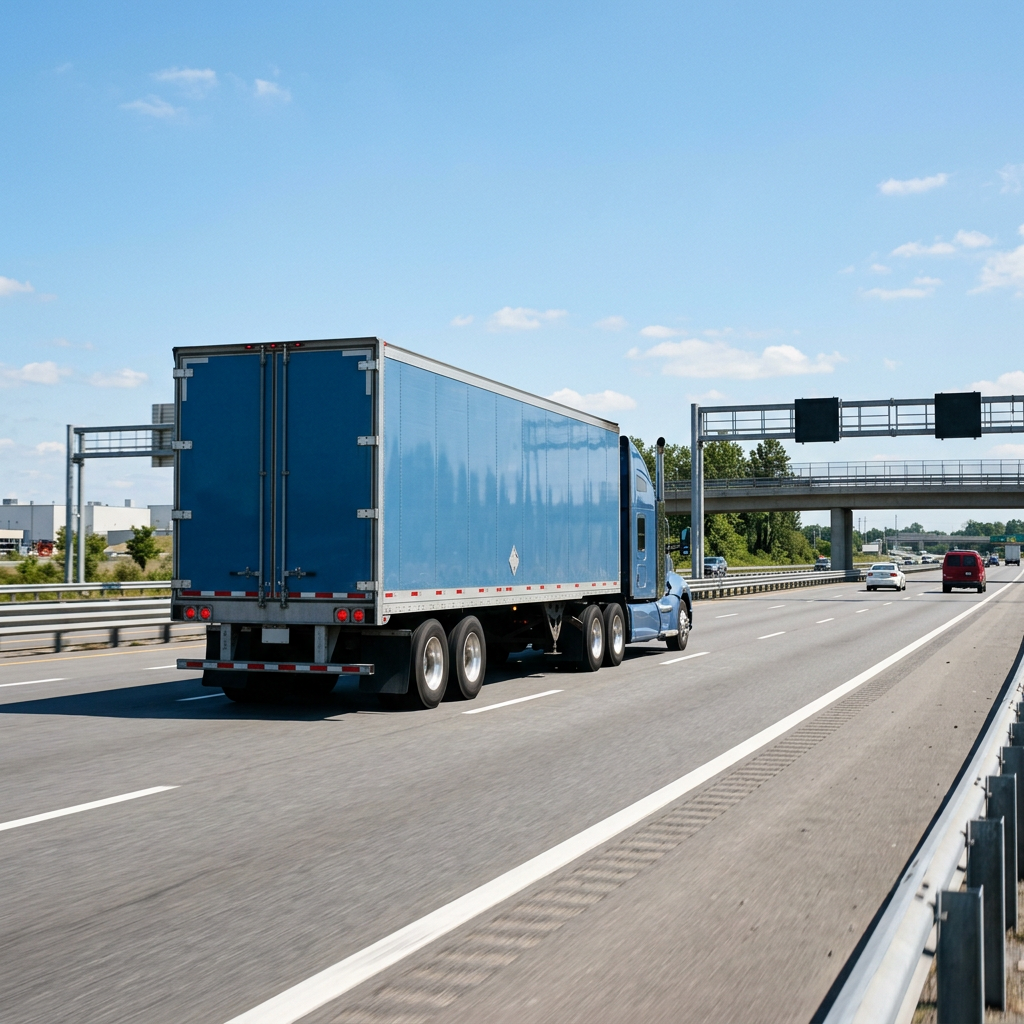
Ontario and Quebec together generate the majority of Canada's cross-border freight volume into the United States. Toronto and Montreal serve as origin points for thousands of LTL and full truckload shipments heading south every week. The I-401 to I-75 corridor through Michigan, and the Highway 20/I-87 route through New York, are two of the busiest freight arteries connecting these provinces to U.S. distribution networks. California sits at the end of several of these transcontinental routes, making it a natural endpoint for Canadian shippers with established U.S. customer bases. Freight shipping from Toronto to California typically involves transit through the Midwest, while shipments from Montreal may route through the Northeast before heading west.
Cross-Border Considerations for California Freight
Shipping cross-border to California adds layers of complexity that domestic routes do not involve. Customs documentation, regulatory compliance, and the coordination between Canadian and American carriers all factor into transit reliability and total cost. Shippers who overlook these details often experience delays that erode any savings they gained on the freight rate itself.
Documentation and Compliance
Every cross-border shipment requires a commercial invoice, a bill of lading, and proper customs declarations. Depending on the commodity, additional documentation such as certificates of origin under USMCA provisions may be necessary to qualify for reduced or zero tariffs. Harmonized System (HS) codes must be accurate, as misclassification can trigger inspections, fines, or shipment holds at the border. Shippers who handle 1 to 8 pallets at a time often underestimate how much paperwork a single LTL cross-border shipment demands.
Working with carriers experienced in cross-border LTL shipping reduces the risk of documentation errors. Carriers that handle Canadian-U.S. lanes regularly have established relationships with customs brokers and understand the common pitfalls that cause border delays. Choosing a carrier based solely on the lowest quoted rate, without verifying their cross-border experience, is one of the most expensive mistakes a shipper can make.
Managing Transit Times and Carrier Reliability
Transit from Ontario or Quebec to California typically ranges from 5 to 8 business days for LTL shipments, depending on the origin city, final delivery point, and whether the load requires interline transfers. Freight shipping from Montreal to Los Angeles, for instance, may take a day longer than a Toronto origin due to the additional routing distance. Seasonal factors, including winter weather in the Midwest and peak holiday volumes in Q4, can push these timelines further. Shippers should build a buffer of at least one extra business day into their delivery commitments during these periods. Tracking visibility matters on long-haul lanes; knowing where a shipment sits at any given moment allows logistics managers to proactively communicate with customers rather than reacting to surprises. Platforms that offer real-time shipment tracking provide a significant operational advantage on routes of this length.
How to Get Competitive Freight Quotes for California Shipping
Freight rates to California from Canada fluctuate based on fuel surcharges, lane demand, shipment dimensions, and carrier availability. The shippers who consistently pay less are not necessarily shipping more volume. They are the ones comparing quotes from multiple carriers before booking, rather than defaulting to a single provider.
Comparing Carriers and Rates Effectively
The traditional approach to getting freight quotes involves calling brokers, emailing carriers, and waiting hours or days for responses. This process is especially painful on competitive lanes like Ontario-to-California, where rates can vary by 20% or more between carriers for the same shipment specifications. SMBs in Ontario and Quebec often lack the time and resources to run this comparison manually for every shipment. Digital freight platforms solve this by aggregating carrier quotes into a single interface. Truxweb, for example, allows shippers to send a quote request to multiple vetted LTL carriers simultaneously and receive competitive responses within minutes. This makes comparing freight quotes a task that takes five minutes instead of five hours. The ability to see rates, transit times, and carrier satisfaction ratings side by side gives shippers on this lane a clear basis for decision-making.
Avoiding Common Pricing Mistakes
One of the most frequent errors on long-haul LTL lanes is underestimating the impact of freight class and dimensional weight on the final invoice. Carriers price LTL shipments based on the National Motor Freight Classification system, and a shipment that is classed incorrectly at booking will be reclassified at the terminal, often at a higher rate. Shippers should verify their freight class before requesting quotes, using accurate weight and dimensions.
Another common mistake is ignoring accessorial charges. Liftgate delivery, residential delivery, limited access locations, and inside delivery all add fees that can increase the total cost by 15% to 25%. Shippers moving goods to the U.S. should request all-inclusive quotes whenever possible and confirm which accessorials are included before booking. On a lane as long as Quebec to California, even small per-shipment overcharges compound quickly across dozens of bookings per quarter. Understanding the difference between LTL shipping fundamentals and full truckload pricing is essential for making the right mode choice on every shipment to California.
Conclusion
California's position as the largest U.S. consumer economy makes it a freight lane that Ontario and Quebec shippers cannot afford to approach casually. From documentation and customs compliance to carrier selection and rate comparison, every detail on this route directly impacts cost and delivery reliability. Shippers who invest in understanding their options, leverage digital tools for comparing freight quotes for California shipping, and choose carriers with proven cross-border experience will consistently outperform those relying on outdated manual processes.
Start comparing LTL rates to California from Ontario and Quebec today at Truxweb and see how much you can save on your next cross-border shipment.
Frequently Asked Questions (FAQs)
How much does freight shipping cost to California from Canada?
LTL freight rates from Ontario or Quebec to California typically range from $400 to $1,500 per shipment depending on weight, freight class, origin city, and accessorial requirements.
How long does freight shipping take from Quebec to California?
LTL shipments from Quebec to California generally take 6 to 8 business days, with transit times varying based on the specific origin and destination points and any interline carrier transfers.
Why choose LTL shipping for California cross-border routes?
LTL shipping allows businesses shipping 1 to 8 pallets to share trailer space with other shippers, reducing per-unit costs significantly compared to booking a full truckload for partial loads.
What documents do I need for cross-border freight shipping to California?
You will need a commercial invoice, bill of lading, customs declaration forms, and potentially a USMCA certificate of origin if your goods qualify for preferential tariff treatment.
Can I compare freight quotes for California shipping from Canada?
Yes, digital freight platforms allow you to request quotes from multiple LTL carriers simultaneously and compare rates, transit times, and carrier ratings before booking.