

Introduction
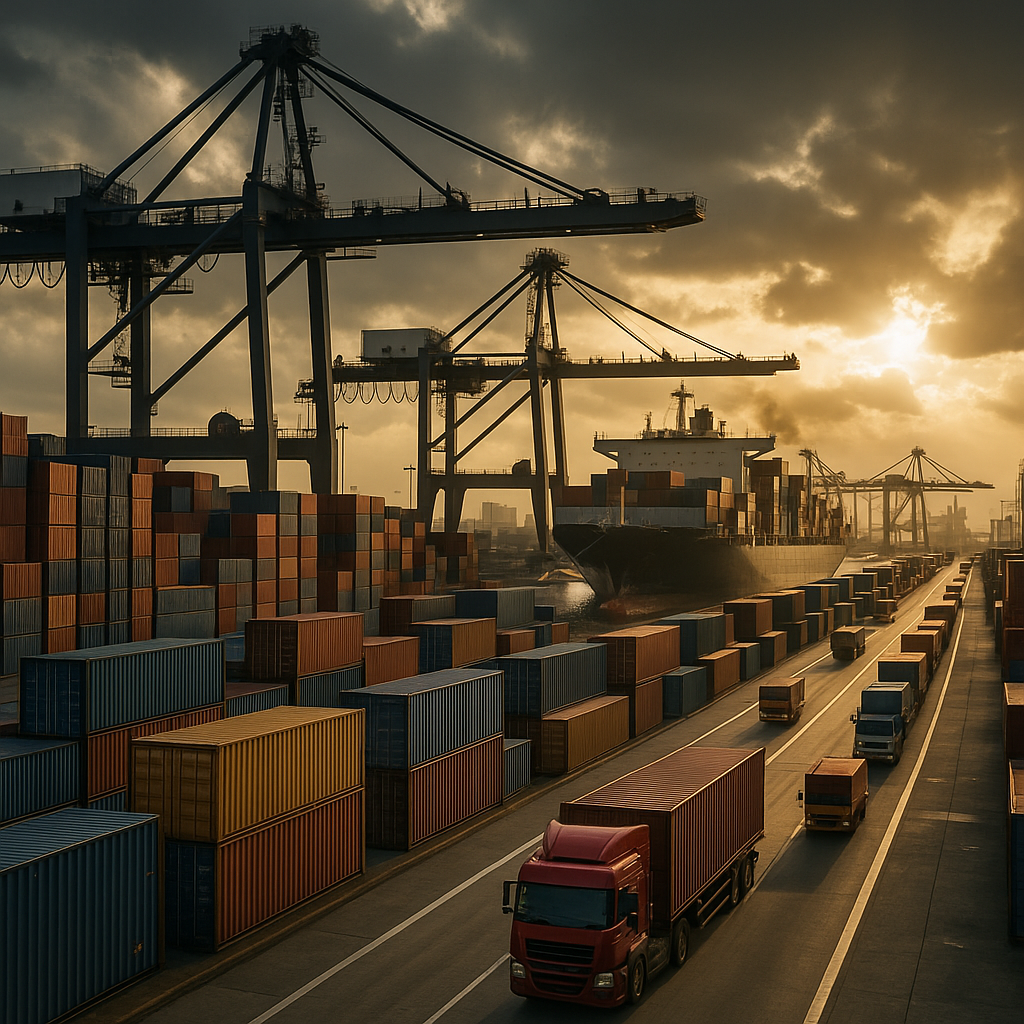
As global trade stabilizes and adapts to new economic and regulatory realities, international freight shipping in 2026 places a premium on reliability, visibility, and cost control. Shippers now manage complex, multi-leg routes across ocean, air, rail, and road, where delays or poor coordination can quickly escalate costs.
Modern international freight shipping services combine global carrier networks with digital execution tools that improve coordination, tracking, and exception handling. This guide explains how international freight works, what differentiates shipping from logistics, which providers lead in 2026, and how shippers can choose the right partners and platforms for long-term success.
International Freight Shipping Market Overview 2026
In 2026, the international freight market is shaped by consolidation, digitalization, and tighter sustainability requirements. Global forwarders and ocean carriers continue to dominate high-volume lanes, while digital platforms improve visibility and coordination across borders.
Established providers such as Kuehne + Nagel, DHL Global Forwarding, DSV, and Maersk combine extensive networks with multimodal expertise. At the same time, digital logistics platforms like Truxweb strengthen execution by connecting shippers and carriers within a unified workflow that supports booking, dispatch, and status visibility.
Shippers increasingly rely on centralized dashboards to monitor milestones, manage exceptions, and reduce dwell time. Integrated trucking and last-mile coordination now play a larger role in controlling end-to-end lead times, especially for door-to-door international shipments.
What Is Freight Shipping?
Freight shipping refers to the movement of large commercial cargo volumes using ocean vessels, aircraft, trains, and trucks. Unlike parcel shipping, freight involves bulk handling, specialized equipment, and coordination across borders, ports, and terminals.
International freight shipping requires expertise in customs documentation, tariffs, Incoterms, and multimodal handoffs. Success depends not only on physical transport capacity but also on digital systems that provide visibility, compliance support, and coordinated execution.
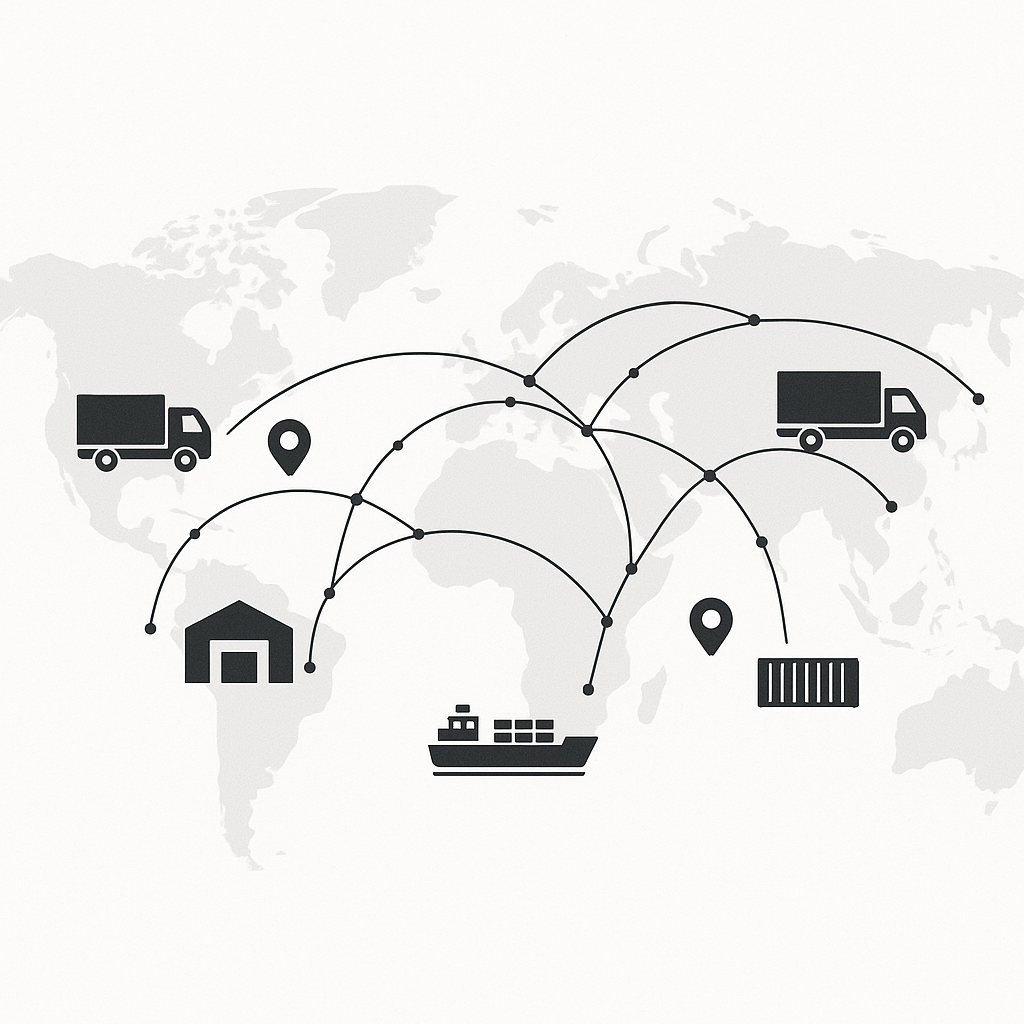
The leading international freight providers in 2026 stand out for their network reach, reliability, and digital maturity.
Kuehne + Nagel remains a leader in multimodal forwarding with strong Asia–Europe capabilities. DHL Global Forwarding excels in air freight and end-to-end visibility. DSV continues to expand through acquisitions, strengthening its transatlantic reach. Maersk leads in ocean reliability with deep carrier control, while CEVA Logistics combines freight forwarding with warehousing and contract logistics.
Regional and lane-specific specialists, including Sinotrans, Nippon Express, and GEODIS, remain valuable where local expertise and regulatory knowledge are critical.
What Is Logistics Shipping?
Logistics shipping extends beyond transport to include planning, warehousing, inventory positioning, customs brokerage, and exception management. In 2026, logistics shipping relies heavily on digital platforms that connect procurement, execution, and analytics in one environment.
AI-supported forecasting, automated carrier matching, and remote coordination tools help logistics teams anticipate disruptions and respond faster. By unifying data across modes and regions, logistics shipping transforms freight movement into a predictable, managed process rather than a reactive one.
Shipping vs Logistics: Key Differences
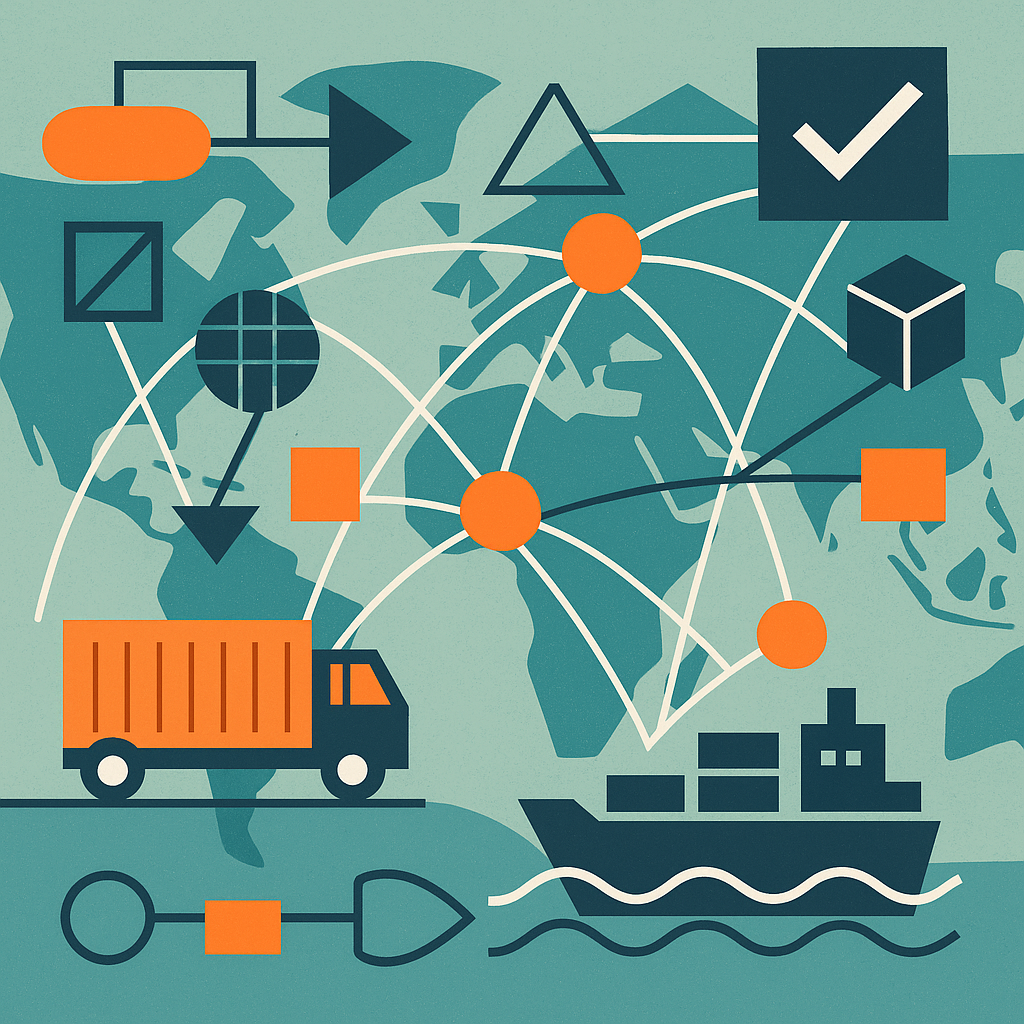
Shipping focuses on moving goods from one point to another. Logistics optimizes the entire system around those moves, including inventory, consolidation, compliance, and performance management.
Ocean carriers may provide linehaul capacity, but logistics providers add value through routing decisions, documentation management, and integration across modes. For international operations, blending shipping and logistics capabilities prevents silos and improves overall supply chain resilience.
How to Choose International Freight Shipping Services
Selecting the right international shipping partner starts with understanding your cargo profile, volumes, lanes, and service requirements. Shippers should assess network density on their trade routes, multimodal flexibility, and the provider’s ability to deliver real-time visibility.
Digital quoting and load booking platforms help uncover accessorial costs and compare options transparently. Pilot shipments are an effective way to evaluate responsiveness, communication quality, and customs performance before committing to long-term contracts.
High-volume shippers should also prioritize API integrations that streamline booking, billing, and tracking across internal systems.
International vs Local Freight Shipping
International freight shipping involves longer lead times, customs processes, and multi-leg coordination. Local freight emphasizes speed, frequent turns, and regional coverage.
Modern platforms increasingly bridge these models by coordinating local pickups, international linehaul, and last-mile delivery within a single workflow. This hybrid approach improves reliability and reduces handoff risk between domestic and international partners.
How Much Does Freight Shipping Cost in 2026?
Freight shipping costs vary by lane, mode, season, and cargo characteristics. Ocean freight pricing depends on container type and volume, while air freight is typically priced by weight and urgency.
Budgets should account for accessorials such as demurrage, duties, peak season surcharges, and environmental fees. Dynamic quoting tools that reflect live market conditions help shippers manage volatility and identify cost-effective routing options.
How Shipment Management Works
Shipment management centralizes the freight lifecycle, including quoting, booking, tendering, tracking, exception handling, and settlement. GPS, EDI, and predictive analytics surface delays early, allowing teams to reroute or rebook before disruptions escalate.
Electronic documentation simplifies cross-border compliance and reduces manual errors, while analytics reveal performance trends that inform future planning.
Transit Times for International Freight
Ocean freight transit times typically range from 20 to 50 days depending on origin, destination, and transshipment points. Air freight usually spans 3 to 7 days, with faster options available at premium rates.
Customs clearance, inland transport, and holidays can add variability. Intermodal rail options offer a balance between speed and cost for certain inland markets.
Why Use a Logistics Management Platform?
A logistics management platform unifies booking, tracking, compliance, and analytics across carriers and borders. By connecting shippers and carriers in one system, these platforms reduce manual work, improve visibility, and support consistent execution at scale.
Key benefits include faster booking cycles, automated dispatch, end-to-end tracking, compliance support, and cost forecasting insights that help shippers adapt quickly to changing market conditions.
Freight Shipping Options
Core freight shipping modes include ocean (FCL and LCL), air (standard and express), rail intermodal, and road transport. Multimodal combinations allow shippers to balance cost, speed, and reliability while maintaining visibility across the journey.
Conclusion
Choosing the best international freight shipping services in 2026 requires aligning provider strengths with your operational needs. Global forwarders deliver scale and reliability, while digital platforms improve coordination, visibility, and responsiveness across borders.
By combining strong carrier networks with modern shipment management tools, shippers can reduce risk, control costs, and build resilient supply chains capable of adapting to ongoing change.
Coordinate international freight with greater visibility and control using Truxweb, a unified platform for booking, tracking, and cross-border execution.
Frequently Asked Questions (FAQs)
What is international freight shipping?
International freight shipping is the movement of commercial cargo across countries using ocean, air, rail, and road transport, coordinated with customs and regulatory processes.
How is freight shipping different from parcel shipping?
Freight shipping handles large, bulk, or palletized cargo and requires specialized equipment, documentation, and multimodal coordination, unlike parcel shipping which focuses on small packages.
What are the main modes of international freight shipping?
The main modes are ocean freight (FCL and LCL), air freight, rail intermodal, and cross-border road transport, often combined in multimodal routes.
How long does international freight shipping take?
Ocean freight typically takes 20–50 days, while air freight usually takes 3–7 days. Transit times vary based on routes, customs clearance, and seasonal conditions.
How much does international freight shipping cost?
Costs depend on cargo size, weight, route, mode, and market conditions. Ocean freight is generally more cost-effective for high volumes, while air freight is faster but more expensive.
What is logistics shipping?
Logistics shipping includes transportation plus planning, warehousing, customs handling, inventory coordination, and exception management across the supply chain.
How do shippers track international freight shipments?
Shipments are tracked using digital platforms that combine GPS, EDI updates, and carrier data to provide real-time status and milestone visibility.
What should shippers look for in an international freight provider?
Key factors include network coverage on target lanes, multimodal capability, digital visibility, customs expertise, and consistent service reliability.
What is a logistics management platform?
A logistics management platform centralizes booking, carrier coordination, tracking, documentation, and analytics across international shipments.
Why are digital platforms important for international freight in 2026?
Digital platforms reduce manual work, improve visibility across borders, support compliance, and help shippers adapt quickly to changing global trade conditions.