


Quick Answer
Effective shipment tracking for Canada-to-Illinois LTL freight combines carrier status data, customs milestones, and delivery confirmation in one place. The most reliable approach gives shippers live dispatch, pickup, transit, exception, and delivery updates, plus a direct way to reach the carrier when a pallet needs attention.
Introduction
LTL freight tracking gives Quebec and Ontario shippers control over pallet freight once it leaves the dock. On a Canada-to-Illinois lane, shipment tracking must account for terminal transfers, border processing, carrier handoffs, and final-mile appointment requirements. A status that appears unchanged can reflect a missed scan, a pending customs document, or freight moving between carrier facilities. The operational priority is knowing which situation applies early enough to protect the consignee’s receiving plan.
Key Takeaways:
Track pickup, terminal, border, exception, and delivery milestones from one operating view.
Set alerts that identify delays before they become missed receiving windows.
Use direct carrier communication to resolve incomplete or unclear status events quickly.
How LTL Freight Tracking Works on Canada-to-Illinois Lanes
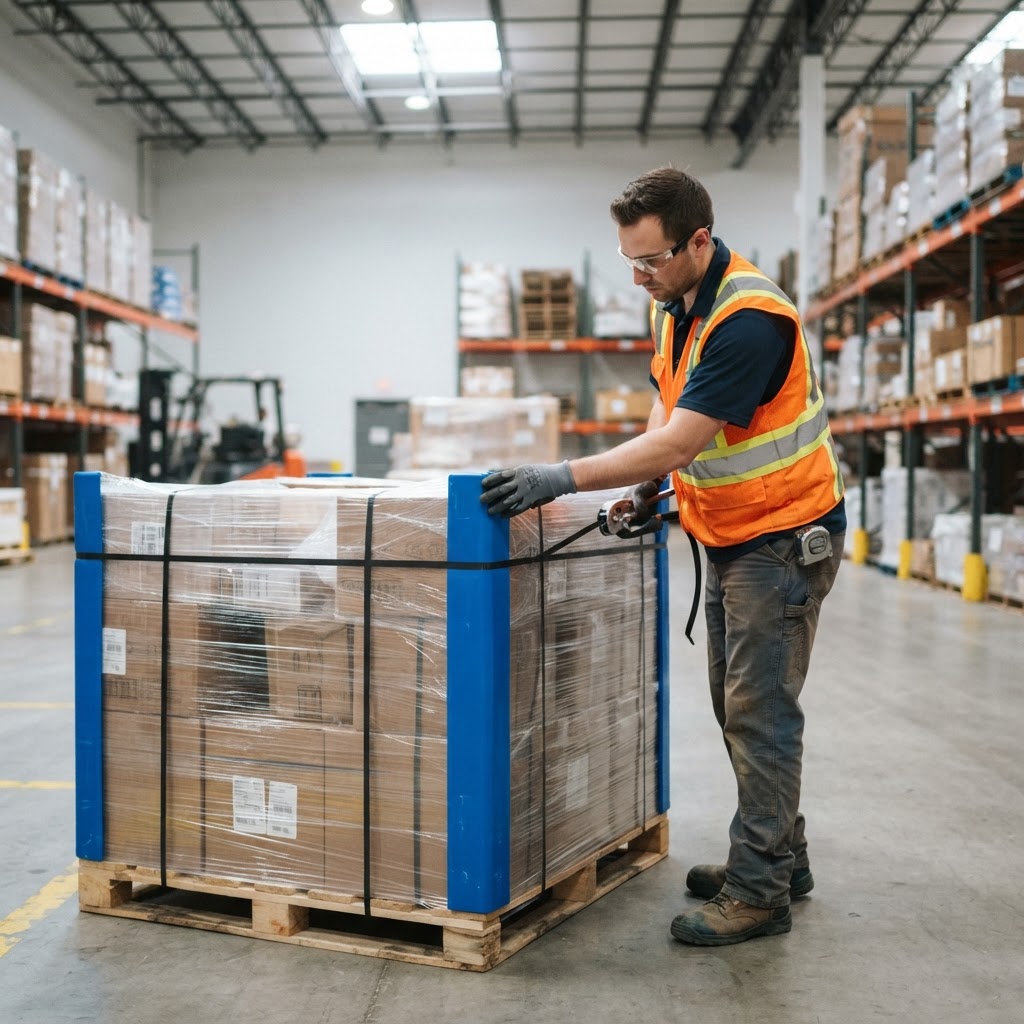
LTL freight tracking starts when the carrier accepts the booking and assigns shipment references to the freight. Each scan or carrier update adds context to the shipment record, allowing the shipper to see whether the pallet is awaiting pickup, moving through a terminal, facing an exception, or approaching delivery. With real-time freight tracking, the useful measure is not a map alone but a current milestone paired with the next operational action.
Milestones that should appear in the shipment record
A dependable tracking flow records the handoffs that change responsibility or timing. For in-transit freight tracking, a milestone without a timestamp or exception note leaves the logistics manager guessing, while a complete event history supports a quick decision about notifying the consignee, correcting paperwork, or escalating to dispatch.
Booking confirmed: Carrier accepts the shipment and pickup details.
Pickup completed: Freight enters the carrier’s custody at origin.
Terminal movement: Pallets transfer through linehaul or regional facilities.
Border status: Customs-related processing affects onward movement.
Delivery confirmed: Consignee receipt closes the shipment record.
Why cross-border scans need operational context
Canada to US cross-border shipment tracking requires more interpretation than a domestic lane because movement can pause while customs data, commercial documents, or release conditions are reviewed. A status update should distinguish a carrier-controlled delay from a border-related hold, then show who owns the next step. A real-time freight visibility model matters here because actionable status information helps teams respond before an uncertain arrival becomes a service failure.

Where LTL Visibility Gaps Create Delivery Risk
Most tracking failures are information-flow failures, not necessarily freight failures. A carrier may have collected the pallet, moved it through a terminal, or requested clarification, yet the shipper sees only a generic status because the update remains in a separate portal, inbox, or broker communication thread. Recognizing gaps in LTL visibility helps teams set escalation rules before a shipment becomes urgent.
Separate portals slow down exception management
Shippers moving several loads do not need more tracking tabs. They need a single dashboard for tracking shipments that combines active shipments, latest events, and carrier messages so a logistics manager can prioritize the exception requiring action. Traceability standards also support supply-chain visibility and shared data from origin through end use, as reflected in traceability standards.
Direct access matters when a scan looks incomplete. Instead of waiting for an intermediary to request an answer, the shipper can ask dispatch whether freight has departed, whether documents need correction, or whether delivery timing changed. Carrier communication does not remove disruptions, but it shortens the time between identifying a problem and assigning an owner.
Comparison of tracking approaches
The practical difference between broker-led updates and a digital marketplace is where shipment information and carrier communication sit during an active move. Feature availability varies by provider, so the comparison below focuses on the workflow described for each approach rather than undisclosed pricing.
Tracking approach | Status access | Carrier communication | Exception workflow |
|---|---|---|---|
Truxweb marketplace | 360-degree shipping dashboard with automated email alerts | In-platform chat with carrier dispatch | 24/7 concierge team can act on operational issues |
Traditional freight broker | Updates commonly pass through broker channels | Broker relays carrier information | Broker coordinates carrier follow-up |
Single-carrier portal | Carrier-specific shipment status | Communication follows that carrier’s process | Carrier handles updates within its network |
For SMEs using multiple carriers, centralized access reduces the time spent locating the latest event and identifying the person who can address it. Freight visibility tools are most useful when they turn a status change into a clear next action.
Border documentation changes what a delay means
Illinois-bound freight from Canada needs accurate commercial information before the load reaches the crossing, because incomplete data can interrupt the normal movement sequence. CARM became mandatory for importers of record, including U.S. companies registered as Non-Resident Importers into Canada, on October 21, 2024; its documented 180-day transition period began that same day. Although that requirement concerns commercial imports into Canada, it shows why shippers should clarify importer roles and customs responsibilities before booking a cross-border movement. CARM requirements reinforce the value of assigning portal access and broker delegation deliberately.
How to Set Up End-to-End Shipment Visibility
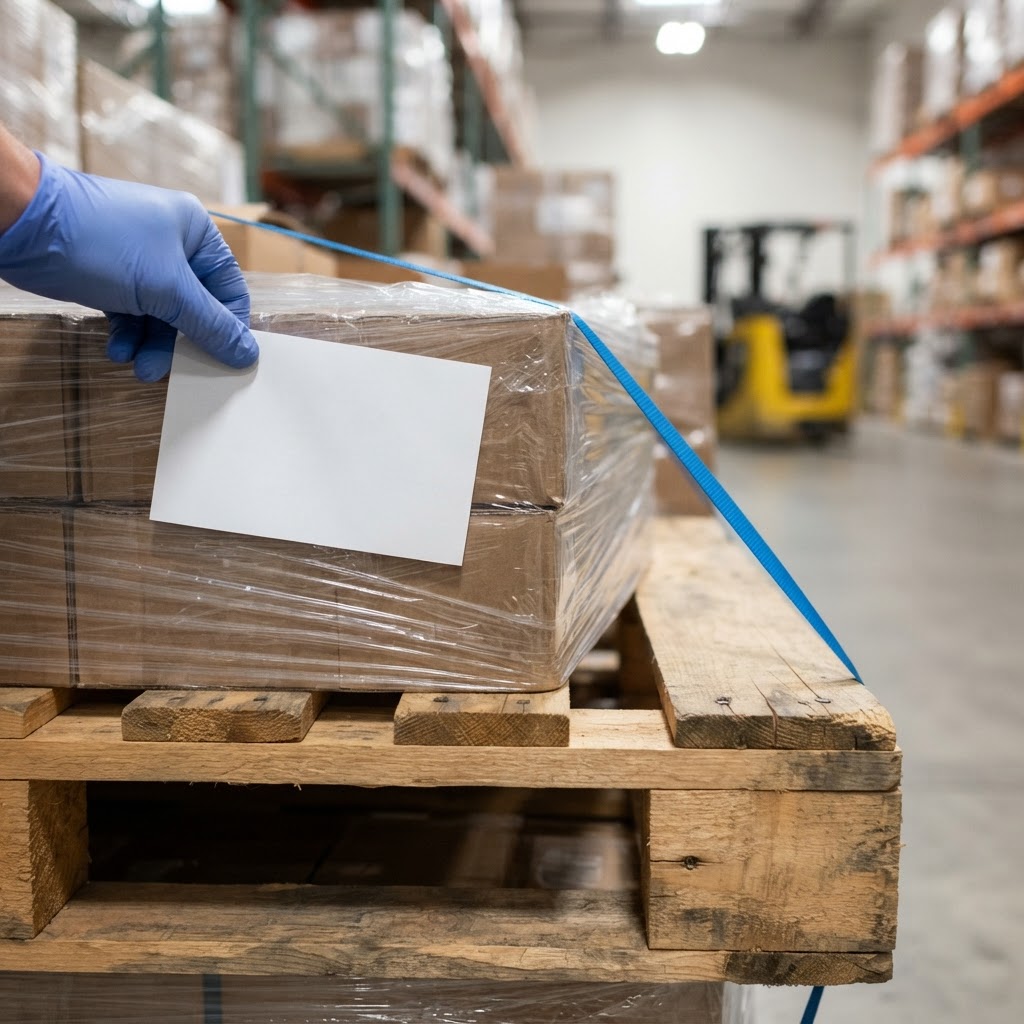
End-to-end shipment visibility depends on clean booking data before pickup and disciplined follow-up after an exception. Confirm the pickup address, consignee contact, pallet count, dimensions, commodity details, customs parties, and receiving constraints in the original booking. Those fields determine whether dispatch can match a status event to the correct shipment and act without another round of clarification.
Build alerts around decisions, not routine messages
Automated shipment status updates should reach the person who can use them. Send pickup confirmation to the shipping team, border or documentation exceptions to the person responsible for trade paperwork, and delivery changes to the customer-facing or receiving coordinator. Shipment milestone notifications become useful when every alert has a defined response, such as confirming an appointment, uploading a requested document, or contacting dispatch.
For LTL shipment tracking, Quebec and Ontario teams should create a short escalation sequence: review the event history, confirm whether the carrier needs information, contact dispatch with the shipment reference, then notify the consignee only when timing or delivery conditions have changed. This preserves credibility with customers while avoiding unnecessary messages based on unverified assumptions.
Use the dashboard to manage more than one load
A Truxweb shipping dashboard gives eligible SME shippers a consolidated view of booked freight, alongside automated real-time email alerts for dispatch, pickup, and delivery. Its in-platform carrier chat keeps operational questions tied to the shipment rather than buried in email threads. That workflow supports shippers who need to track pallet shipments online while maintaining direct access to the carrier handling the lane.
Conclusion
Reliable LTL freight tracking on the Canada-to-Illinois corridor requires clear milestones, complete booking data, and a fast path to the carrier when an event needs explanation. Treat border-related status changes differently from routine terminal movement, and assign internal owners for pickup, documentation, and delivery alerts. Truxweb combines carrier access, a centralized dashboard, automated alerts, and concierge support for SMEs managing pallet freight across Canada and into the United States. The goal is not more notifications, but earlier decisions that protect delivery commitments.
Ready to centralize active freight updates? Explore Truxweb's shipment tracking for a clearer view of your pallet freight.
Frequently Asked Questions (FAQs)
How to track LTL freight shipments?
To track LTL freight shipments, use the carrier reference or booking record to review pickup, terminal, border, exception, and proof-of-delivery events, then contact dispatch when a status lacks enough detail to determine the shipment’s next move.
How does Truxweb shipment tracking work?
Truxweb shipment tracking works through its 360-degree shipping dashboard, which shows booked freight and sends automated real-time email alerts for dispatch, pickup, and delivery while its in-platform chat connects the shipper with carrier dispatch.
Why is my shipment tracking status not updating?
A shipment tracking status may not update because the carrier has not completed a scan, the freight is moving between terminals, or dispatch needs information, so review the event history and ask the carrier for the current operational status.
Can I track multiple shipments in one dashboard?
You can track multiple shipments in one dashboard when the platform consolidates active booking records, allowing logistics teams to compare current milestones, spot exceptions, and manage communication without switching among separate carrier portals.
How do I track my cross-border freight shipment?
Track your cross-border freight shipment by monitoring carrier pickup and terminal events alongside customs-related updates, while confirming that the shipper, consignee, importer, and customs documentation contacts can respond promptly to any request.
How does Canada to Illinois LTL freight tracking work?
Canada to Illinois LTL freight tracking works by recording each carrier custody event from origin pickup through terminal movement, border processing, and final delivery, with delays requiring context about whether the carrier, paperwork, or receiving site owns the next action.
About the Author
Daniel Park is a Freight Logistics Analyst covering LTL shipping, carrier performance, and supply-chain operations across Ontario and Quebec. His analysis focuses on practical carrier selection, freight pricing, and visibility workflows that help SMB logistics managers make faster decisions.