


Quick Answer
File a freight damage claim in Canada by documenting the damage at delivery, noting it on the bill of lading, preserving the shipment, and sending a complete written claim to the carrier quickly. For LTL shipping, timely evidence matters more than lengthy explanations: photos, delivery records, invoices, and a clear loss amount give the carrier a workable file.
Introduction
Freight damage creates an immediate operational problem: inventory may be unsellable, a customer order may be delayed, and the carrier needs evidence before it can assess responsibility. Canadian SME shippers should treat every damaged delivery as a controlled exception process, beginning before the driver leaves. A damaged pallet can involve concealed damage, packaging failure, handling conditions, or an issue noted on the bill of lading, so the receiving team must capture facts rather than assign blame. The strongest claims begin with records created at the dock.
Key Takeaways:
Inspect freight before signing delivery paperwork whenever possible.
Send the carrier a complete written claim with supporting records.
Keep damaged goods available until the carrier completes its review.

Freight Damage Claims: Capture the Evidence at Delivery
The first decision point occurs at receiving. Inspect visible pallet damage, crushed cartons, broken shrink wrap, moisture, shifted freight, and missing pieces before the driver departs, then record exceptions on the delivery paperwork. Prompt inspection and documentation make freight claim handling more efficient because they tie the condition of goods to the delivery event.
Record visible and concealed damage correctly
Write a specific exception on the bill of lading or delivery receipt, such as "two cartons crushed, contents pending inspection," instead of signing "clear" and reporting damage later. Ask the driver to acknowledge the notation if possible, retain a copy, and inspect inner cartons promptly when external packaging suggests a problem.
Photos: Capture pallets, labels, packaging, and damaged products.
Exception note: Describe damage on delivery paperwork before signing.
Shipment ID: Match every image to the bill of lading.
Quantity count: Record damaged, missing, and intact units separately.
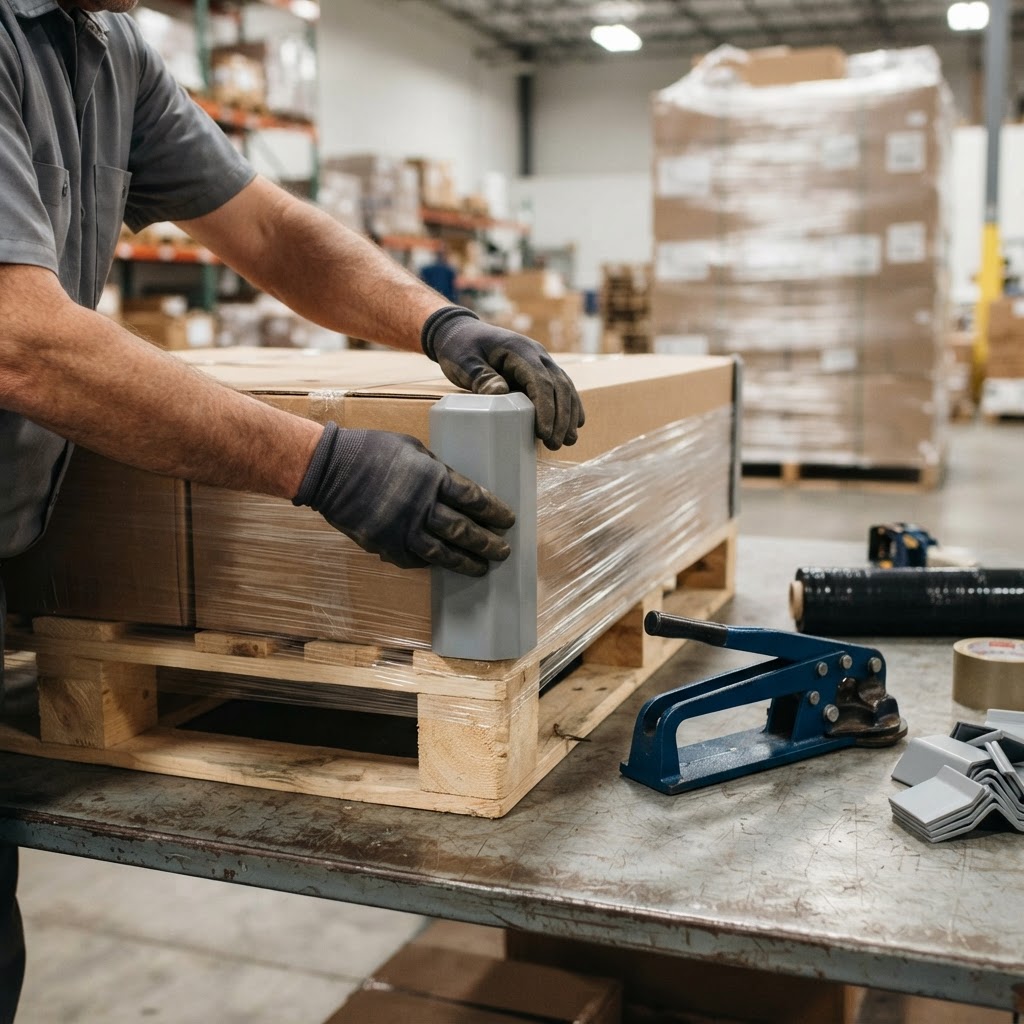
Packaging evidence: Preserve wrap, cartons, and corner protection.
Preserve the shipment and avoid preventable disputes
Do not discard damaged products or packaging, return goods, repair items, or sell salvage before the carrier has an opportunity to inspect them. The carrier may need to confirm cause, assess salvage value, and distinguish transport damage from an existing product or packing issue. A clear proof of delivery establishes when the consignee received the shipment and whether the receiver recorded an exception at handoff.

How to Submit a Complete LTL Shipping Claim
A carrier needs a claim package that identifies the shipment, proves the goods’ value, describes the loss, and states the amount requested. Provincial motor-carrier rules provide that a carrier is liable for loss or damage to goods it accepted, subject to stated exceptions, and a final claim statement must be filed within 9 months from shipment under the cited regulation.
Build a claim file the carrier can review
Contact the transportation company immediately, then submit the written claim through the carrier’s required channel with all available evidence. The guidance on cargo shipment insurance likewise calls for immediate carrier contact and prompt notice to the relevant insurer or adjuster when coverage applies.
Your file should include the bill of lading, delivery receipt, photos, commercial invoice, packing list, repair estimate or replacement cost evidence, and a concise claim letter stating the shipment reference and claimed amount. These required shipping documents let the carrier reconcile what was tendered, what was delivered, and what loss you can substantiate. For guidance on submitting and pursuing reimbursement, follow the freight damage claim process.
Under the cited Nova Scotia regulation, the recipient of a claim notice must acknowledge receipt within 30 days. Under the same regulation, written notice setting out the origin, destination, date of shipment, and estimated amount claimed must be given to the originating or delivering motor carrier within 60 days after delivery, so submit notice immediately rather than relying on the broader nine-month final filing window.
Broker versus digital marketplace claim workflows
A traditional broker and a digital freight marketplace are not the carrier, but each can affect how quickly you identify the carrier, retrieve shipment records, and escalate an unresolved operational issue. The practical difference is the visibility available to the shipper during a claim.
Workflow factor | Traditional broker | Digital freight marketplace |
|---|---|---|
Carrier relationship | Broker commonly intermediates communication. | Shipper can see the booked carrier relationship. |
Booking records | Records may sit in broker email threads. | Booking details can sit in a shipment dashboard. |
Claim coordination | Broker may relay documents to the carrier. | Platform support can help coordinate carrier communication. |
Rate comparison | Quotes are typically broker-managed. | Carrier quotes can be compared before booking. |
The key tradeoff is control versus dependency. A platform does not replace the carrier’s claims decision, but it can make shipment records, dispatch communication, and escalation easier to locate when a claim needs follow-through.
When handling freight claims through a digital platform, start by exporting the booking details, delivery status, carrier information, and messages, then send the formal claim directly to the carrier. Truxweb gives Quebec and Ontario SMEs direct access to carrier quotes, shipment updates, and a concierge team that can assist with operational communication.
Follow up without weakening your position
Keep a dated log of each email, call, attachment, claim reference, and carrier response. Request written confirmation that the carrier received the package, answer requests for additional records promptly, and separate the freight invoice from the damage claim so an unpaid dispute does not create avoidable confusion. When shipping pallets from Canada to the USA, also retain border documents because cross-border freight claims can require commercial and customs records alongside standard delivery evidence.
Reduce Future Damage Through Better Freight Shipping Controls
Claims recover part of a loss, but prevention protects customer service and warehouse capacity. Build packaging standards around product weight, stacking limits, pallet footprint, stretch-wrap tension, edge protection, and label placement, then review recurring claims by lane, product, consignee, and carrier. Clear shipping label responsibilities also reduce routing errors and handling uncertainty at terminal transfers. For dangerous goods, Transport Canada states that packages of 450 L or less generally require labels, while bulk containers over 450 L must be placarded.
Choose carriers using operational evidence
When evaluating freight carriers in Quebec, consider lane coverage, shipment visibility, carrier safety and compliance practices, damage history available to your business, and communication quality when exceptions occur. For freight transport services in Ontario, ask whether the carrier can handle your freight class, pickup constraints, delivery appointments, and cross-border documentation before tendering the first pallet.
Make claims readiness part of the booking process
Create a repeatable pre-shipment checklist that saves invoices, packing lists, pallet photos, declared commodity details, and booking confirmations in one location. Include clear commodity details on the bill of lading: under the cited Nova Scotia motor-carrier regulation, articles of extraordinary value carried without a special agreement, whose nature is not disclosed on the face of the bill of lading, may not be covered for loss or damage. An online LTL freight marketplace can support that discipline by centralizing bookings and carrier information, while your team remains responsible for accurate packing and delivery inspection.
Conclusion
Freight damage claims succeed when the receiving team records the condition of goods immediately, the shipper preserves evidence, and the carrier receives a complete written file without delay. Use the nine-month final claim deadline as a backstop, not a working target, and seek written acknowledgement of every submission. Strong packaging, accurate documents, and disciplined carrier selection reduce exposure before the shipment reaches a dock. For recurring LTL freight, build the claim process into everyday receiving controls rather than treating it as an emergency procedure.
Need clearer carrier communication after a damaged delivery? Truxweb can help you manage pallet freight bookings with direct carrier visibility.
Frequently Asked Questions (FAQs)
How to file a freight damage claim in Canada?
To file a freight damage claim in Canada, document damage at delivery, preserve the goods and packaging, notify the carrier immediately, and submit a written package with the bill of lading, delivery receipt, photos, invoice, and a supported loss amount before the applicable deadline.
Who is responsible for freight damage during shipping?
Responsibility for freight damage during shipping depends on the bill of lading, carrier terms, documented condition at pickup and delivery, packaging, and any applicable exceptions, although the cited Nova Scotia motor-carrier regulation states that carriers are liable for goods they accept, subject to specified exceptions.
What documents are needed to file a freight claim?
The documents needed to file a freight claim usually include the bill of lading, signed delivery receipt, commercial invoice, packing list, photographs, damage description, repair or replacement evidence, and correspondence showing when the carrier received notice of the loss.
How long do freight carriers take to pay damage claims?
How long freight carriers take to pay damage claims varies because payment follows review of liability, value, inspection findings, and salvage, but the cited regulation requires the recipient of a claim notice to acknowledge receipt within 30 days rather than setting a payment deadline.
What should I look for in a freight carrier?
When evaluating what to look for in a freight carrier, assess service coverage, equipment fit, communication practices, delivery records available to your business, handling requirements, safety and compliance controls, and whether the carrier provides clear contacts for delivery exceptions and claims.
Can I ship pallets from Quebec to the USA easily?
You can ship pallets from Quebec to the USA when the carrier serves the lane and the shipment includes accurate commercial and customs documentation, but damage claims may require those border records in addition to the bill of lading, delivery receipt, photographs, and product-value evidence.
About the Author
Daniel Park is a Freight Logistics Analyst covering LTL shipping, carrier performance, and supply chain operations across Ontario and Quebec. His work focuses on helping SMB logistics managers use shipment data, carrier selection criteria, and practical documentation controls to reduce freight risk.