


Introduction
If your freight costs have climbed steadily over the past year and you can't quite explain why, you're not alone. Freight rates in Canada are shaped by a web of overlapping pressures that rarely get explained clearly to the businesses actually paying them. This blog breaks down the real forces behind rising trucking prices across Canada, from fuel volatility to capacity constraints, so you can stop guessing and start making smarter shipping decisions. Whether you're operating in Quebec, Ontario, or shipping interprovincially, understanding what moves rates is the first step toward controlling them.

The Structural Forces Behind Rising Freight Rates in Canada
Freight pricing doesn't move randomly. There are identifiable structural forces that push rates up over time, and most of them are compounding right now. For shippers trying to budget accurately, these aren't abstract economics, they're the reason your invoices look different quarter to quarter.
Fuel Surcharges and Their Compounding Effect
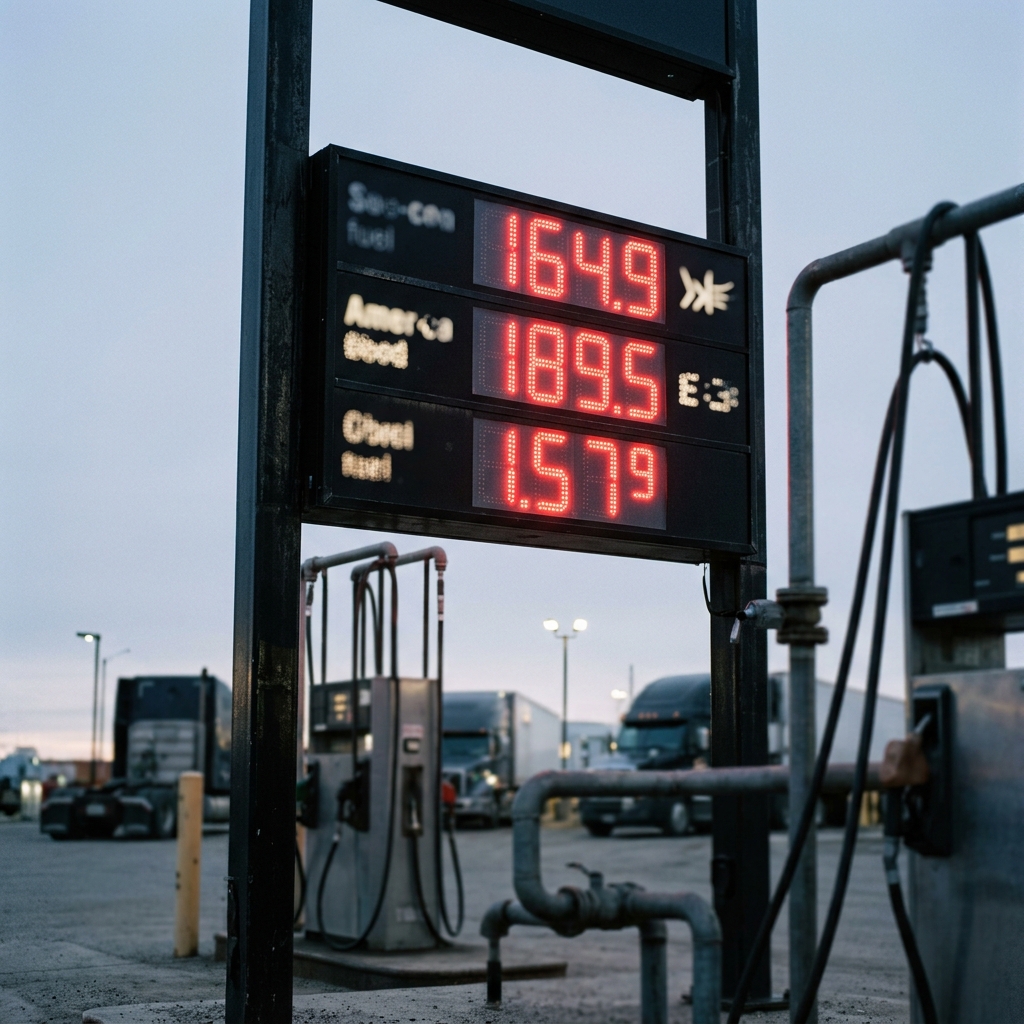
Fuel is one of the most significant cost inputs for any carrier, and fuel surcharges are applied as a percentage on top of your base freight rate. When diesel prices spike, those surcharges inflate quickly, and carriers recalibrate them weekly or bi-weekly to stay solvent. What many shippers don't realise is that these surcharges are not flat fees, they compound across distance, freight class, and shipment weight, meaning a single price swing at the pump can ripple meaningfully into your final invoice. Understanding freight pricing at this level is critical for any shipper trying to forecast costs accurately.
Driver Shortages and Capacity Tightening
Canada's trucking industry is facing a well-documented driver shortage that shows no sign of reversing quickly. According to Trucking HR Canada's labour market outlook, the industry is projected to need tens of thousands of new drivers over the next several years just to meet baseline demand. When there are fewer available drivers, carriers consolidate their routes, reduce capacity, and price remaining space at a premium. This is basic supply and demand playing out across every major corridor in the country.
- Ageing workforce: A significant share of active drivers are approaching retirement, with insufficient numbers entering the trade to replace them.
- Training bottlenecks: Licensing requirements and training timelines slow the pipeline of new drivers entering the market.
- Retention pressures: Carriers are raising driver wages to compete, and those costs pass directly to shippers.
- Route prioritisation: With fewer assets, carriers focus on high-volume lanes, reducing service frequency on smaller or regional routes.
- LTL consolidation delays: Tighter capacity means LTL freight rates are climbing as carriers have less flexibility to fill shared loads efficiently.
Cross-Provincial Trade Dynamics and Regulatory Costs
Canada's interprovincial freight network operates across a patchwork of provincial regulations, weight restrictions, and permit requirements that add both cost and complexity for carriers. Shippers moving goods between Quebec and Ontario, for example, encounter route-specific compliance requirements that affect how carriers price those lanes. Transport Canada's supply chain briefings have flagged regulatory fragmentation as one of the ongoing friction points in national freight movement. These aren't small overheads, they translate directly into the freight rates in Ontario and freight rates in Quebec that businesses see on their quotes.
Situational Pressures Making Rates Worse Right Now
Beyond the structural issues, several situational factors are actively pushing freight shipping rates in Canada higher at this moment. These are the forces that cause rates to spike suddenly or remain elevated beyond what the fundamentals alone would predict.
Seasonal Demand Surges and Capacity Crunch Periods
Freight demand in Canada follows predictable seasonal patterns, with volumes typically peaking in Q4 and again in spring as construction and retail cycles ramp up. During these windows, the gap between available capacity and shipper demand narrows sharply, and carriers can charge more because the market supports it. Businesses that don't plan around these cycles often find themselves paying peak-season premiums unnecessarily. Freight forecasting is one of the most underused tools available to small and mid-sized shippers, and it can make a meaningful difference in annual shipping spend.
Global Supply Chain Disruptions Flowing Into Canadian Logistics
Canada's freight market doesn't operate in isolation. Port congestion, international trade disruptions, and global supply chain resilience challenges all affect domestic trucking demand. When imports back up at major ports, trucking demand surges inland as freight gets repositioned. This creates ripple effects that push rates up even on lanes that have nothing to do with international trade. For Canadian shippers, especially those in manufacturing-heavy corridors like southern Ontario, these effects show up quickly in carrier availability and price.
Infrastructure Limitations and Hidden Surcharges
Ageing road infrastructure, bridge weight restrictions, and urban delivery congestion add real operational costs for carriers that eventually surface as accessorial charges on shipper invoices. Many businesses don't realise how many hidden factors inflate their LTL freight rates until they've already committed to a carrier and received the final invoice. Residential delivery fees, liftgate charges, limited access surcharges, and extended area fees can collectively add 15 to 25 per cent to a quoted base rate. Knowing these exist before you book is the difference between accurate budgeting and a recurring billing surprise.
What Shippers Can Actually Do About It
Understanding why rates are rising is useful, but the more important question is what you can do about it. There are concrete, operational steps that businesses can take right now to offset the pressure without sacrificing service.
Compare Rates Across Multiple Carriers Before Committing
One of the most consistently underused strategies among small and mid-sized shippers is simply comparing rates from multiple carriers before every shipment. Rate spreads between carriers on the same lane can vary by 20 to 35 per cent for identical services, and that gap exists whether rates are rising or falling. Using a platform that gives you transparent freight pricing in Canada side by side, including transit times and carrier ratings, removes the guesswork and gives you leverage. Comparing freight quotes online takes minutes using the right tools and can save meaningfully on every shipment.
Understand LTL vs. FTL to Choose the Right Mode
Businesses shipping smaller volumes often default to FTL out of habit or familiarity, when LTL would deliver the same outcome at a fraction of the cost. The LTL vs. FTL comparison comes down to shipment weight, density, and frequency. If you're moving one to eight pallets regularly, LTL is almost always the more cost-effective choice. With rates climbing across the board, optimising your shipping mode is one of the fastest ways to reduce freight costs without changing your operations.
Lock In Rates Strategically During Softer Market Windows
Rates fluctuate with market conditions, and shippers who understand those cycles can time their commitments to capture better pricing. Why freight rates fluctuate in Canada is a topic worth understanding deeply if you're shipping regularly. Working with a platform that shows you real-time, competitive freight rates in Canada means you're always booking with current market intelligence rather than a stale quote from last week's phone call. Truxweb's instant quote comparison engine connects shippers directly with carriers, delivering responses from multiple carriers within 30 minutes so you can act when pricing is in your favour.
Conclusion
Freight rates in Canada are rising because of real, measurable pressures: fuel costs, driver shortages, capacity tightening, seasonal demand, and regulatory complexity. None of these forces is going away overnight, but they are manageable once you understand them. The businesses that control their freight spend are not necessarily the ones with the largest shipping volumes, they're the ones that compare rates consistently, choose the right shipping mode, and plan around market cycles. Truxweb was built specifically to give small and mid-sized businesses in Canada the tools and pricing visibility that were previously only available to large logistics teams. Start with the basics: know why rates move, compare before you commit, and use every tool available to keep your shipping costs predictable.
Ready to see what you're actually being charged versus what you could be paying? Get instant freight quotes from multiple carriers on Truxweb and start shipping smarter today.
Frequently Asked Questions (FAQs)
Why are freight rates so high in Canada right now?
Freight rates in Canada are currently elevated due to a combination of ongoing driver shortages, fuel surcharge volatility, seasonal demand spikes, and capacity constraints that have tightened available trucking space across major corridors.
What factors affect freight shipping costs?
Freight shipping costs are shaped by fuel surcharges, shipment weight and dimensions, freight class, distance, carrier availability, seasonal demand, and accessorial charges like liftgate fees or residential delivery surcharges.
How do freight shipping rates work in Quebec and Ontario?
Freight shipping rates in Quebec and Ontario are calculated based on base lane pricing plus applicable surcharges, and can vary significantly between carriers depending on their network density, service frequency, and compliance costs for each province.
Is LTL shipping cheaper than FTL for small businesses?
For businesses shipping one to eight pallets at a time, LTL shipping is almost always more cost-effective than FTL because you only pay for the space your freight actually occupies rather than reserving an entire truck.
How can I compare freight rates from multiple carriers?
The fastest way to compare freight rates from multiple carriers is to use a digital freight marketplace that sends your shipment details to several carriers simultaneously and returns competitive quotes within minutes for side-by-side comparison.