Introduction
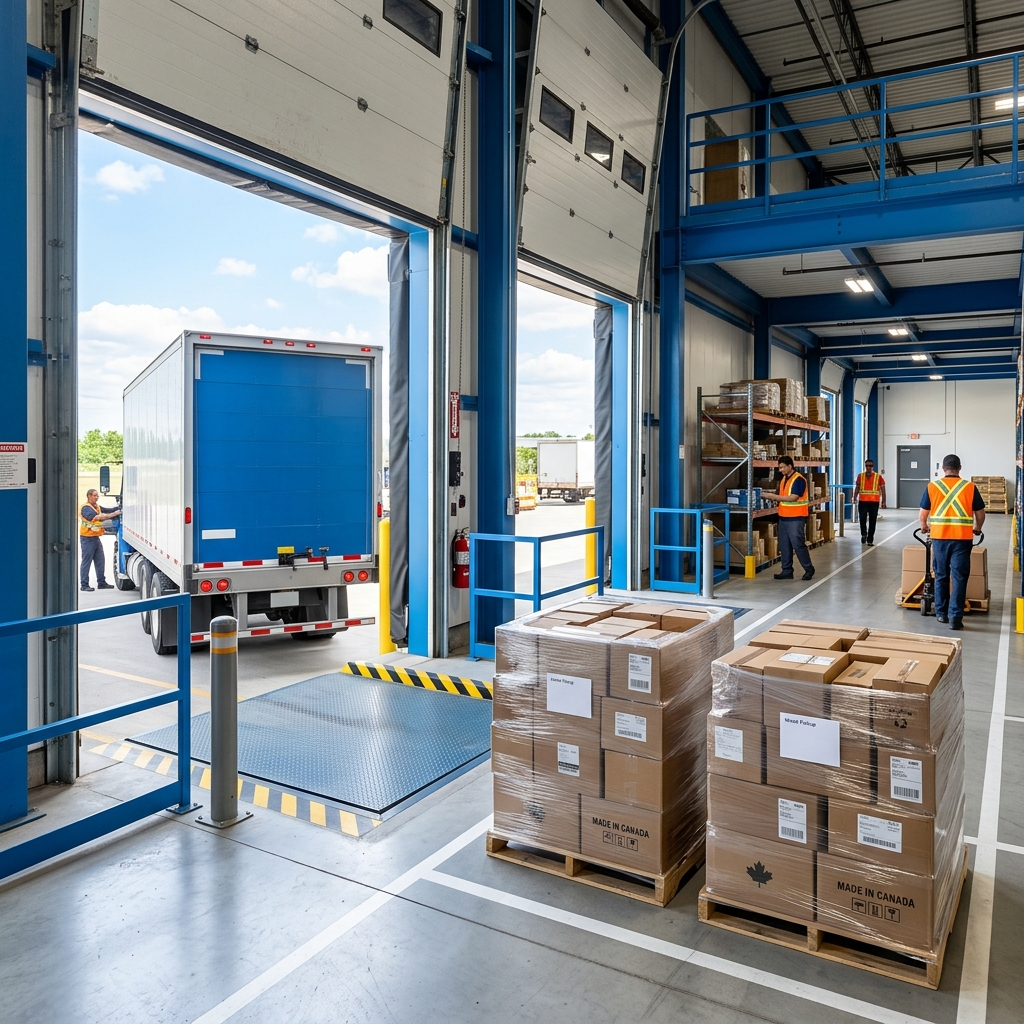
Shipping from USA to Quebec accounts for a significant share of cross-border LTL volume flowing into Canada, yet the route consistently produces more freight complaints than comparable domestic lanes. Between customs paperwork that stalls shipments at the border, carriers that lack adequate coverage into smaller Quebec municipalities, and surcharges that appear only after delivery, the gap between quoting a shipment and actually completing it on time can be wide. Understanding exactly where these breakdowns occur, and how to prevent them, is what separates shippers who absorb unnecessary costs from those who run a tight cross-border operation.
Documentation and Customs Clearance Challenges
The first and most disruptive category of freight issues on USA to Quebec routes centers on documentation errors and customs clearance delays. A single incorrect field on a commercial invoice or a missing HS tariff code can hold palletized shipments at the border for days, turning a 3-day transit into a week-long headache. These problems are especially common among businesses that ship infrequently or rely on manual paperwork rather than standardized digital processes.
Customs Clearance Delays and Documentation Errors
Canada Border Services Agency (CBSA) requires precise documentation for every cross-border shipment entering Quebec, including a completed Canada Customs Invoice (CCI), a bill of lading with accurate commodity descriptions, and proper HS codes that match the goods being shipped. When any of these documents contain errors, the shipment gets flagged for review, and that review process has no guaranteed turnaround time. According to U.S. government trade guidance, shippers frequently underestimate Canadian import documentation requirements, which differ meaningfully from domestic shipping paperwork.
- Incorrect HS codes: Using a generic or outdated tariff classification triggers CBSA holds and can result in duty reassessments that add unexpected costs
- Missing commercial invoices: Shipments without a CCI or with incomplete seller/buyer details are routinely held at border crossings like Lacolle or Stanstead
- Inconsistent weight declarations: Discrepancies between declared and actual pallet weight create carrier disputes and secondary inspections
- Incomplete consignee information: Missing phone numbers or incorrect postal codes for Quebec delivery addresses delay final-mile carrier assignment
How to Fix Documentation Problems Before They Start
The most effective way to prevent customs documentation errors is to build a pre-shipment checklist that your team runs through before any freight leaves the origin warehouse. This checklist should verify HS codes against the CBSA tariff schedule, confirm that the CCI matches the purchase order exactly, and ensure that the bill of lading reflects accurate pallet counts and weights. Businesses that ship to Montreal from USA origins on a recurring basis should also consider working with a licensed customs broker who specializes in Quebec imports, as provincial requirements around language and labeling add another compliance layer that catches American shippers off guard.

Hidden Fees and Pricing Transparency Problems
Even when shipments clear customs and carriers coordinate handoffs successfully, many shippers discover that the final invoice looks nothing like the original quote. Hidden fees on cross-border freight lanes into Quebec are a persistent pain point, and they erode margins quickly when left unchecked.
Where Unexpected Charges Come From
Cross-border shipping costs from the USA to Quebec typically include base linehaul rates, fuel surcharges, and customs brokerage fees. What many shippers do not realize is that additional charges frequently appear after delivery. These include residential delivery surcharges for addresses outside commercial zones, liftgate fees that were not disclosed at booking, reweigh charges when actual pallet dimensions exceed the original quote, and border processing fees that some brokers tack on as a percentage of the shipment value.
For businesses that rely on a traditional freight broker, these charges often appear on the final invoice without prior notification, because the broker marks up each line item independently. According to Statistics Canada research on trade facilitation costs, administrative and intermediary fees represent a meaningful share of total cross-border shipping expenses for Canadian SMBs.
Getting Transparent Freight Pricing on Quebec Lanes
The fix starts with demanding itemized quotes before confirming any booking. Every surcharge, from fuel to customs brokerage to accessorial fees, should be visible at the quoting stage, not discovered on the invoice. Platforms that offer direct carrier booking, rather than brokered arrangements, tend to deliver more transparent pricing because there is no intermediary adding undisclosed margins.
Truxweb addresses this directly by letting shippers compare all-in rates from multiple carriers side by side, with surcharges broken out before booking confirmation. That level of pricing visibility is difficult to get from a phone call or email chain with a traditional broker. For shippers moving palletized goods from the USA to Canada on a regular schedule, locking in transparent freight pricing on Quebec-bound lanes can reduce per-shipment costs meaningfully over a quarter.
Tracking Blind Spots and Transit Time Variability
Cross-border freight shipping from the USA to Quebec introduces tracking gaps that rarely exist on domestic routes. The problem is structural: when a shipment crosses from an American carrier's network into a Canadian carrier's system, visibility often drops entirely until the Canadian carrier scans the freight at their terminal. For shippers managing customer expectations or coordinating warehouse receiving schedules, this blind spot creates real operational risk.
Why Tracking Fails on Cross-Border Lanes
Most LTL carriers operate independent tracking systems that do not communicate with each other across borders. A shipment picked up in Pennsylvania might show active tracking updates until it reaches a transfer terminal near the border, then go dark for 24 to 48 hours before the Canadian partner carrier picks it up and enters it into their own system.
This is not a technology failure; it is a coordination failure. Shippers who book through fragmented carrier coordination workflows, bouncing between emails and phone calls to different dispatch teams, lose visibility precisely when it matters most. The result is missed delivery windows, frustrated receivers, and reactive scrambling that consumes logistics manager hours. According to Transport Canada's oversight framework, commercial vehicle tracking and safety compliance standards apply to all carriers operating within Canadian provinces, yet cross-border handoff visibility remains a gap that shippers must bridge themselves.
Building Reliable Visibility on USA to Quebec Shipments
Solving tracking blind spots requires consolidating shipment management into a single platform that maintains visibility across both legs of the journey. Rather than relying on separate carrier portals, shippers should use tools that aggregate tracking updates from origin to final delivery in Quebec. Truxweb's 360-degree shipping dashboard provides real-time shipment tracking with automated email alerts at dispatch, pickup, and delivery milestones, keeping shippers informed without requiring manual follow-up calls.
Transit time variability is the other side of this problem. Shipping to Quebec City from USA origins can take anywhere from 3 to 7 business days depending on the origin state, the carrier's interline partnerships, and whether customs processing adds a day or two. Shippers who plan around best-case transit times consistently miss delivery commitments. A better approach is to build a one-day buffer into every cross-border shipment plan and use historical cross-border freight rate and transit data to set realistic expectations with receivers.
Conclusion
Cross-border shipping from the USA to Quebec does not have to be a source of constant friction. The most common freight issues, from customs holds to hidden fees to tracking blackouts, are all preventable when shippers standardize their documentation, demand transparent pricing, and consolidate visibility into a single platform. Building these practices into your shipping workflow turns a historically unpredictable lane into a manageable, repeatable process that protects margins and keeps receivers on schedule.
Get instant, transparent LTL quotes for your next USA-to-Quebec shipment on Truxweb.
Frequently Asked Questions (FAQs)
What are common freight issues when shipping from USA to Quebec?
The most frequent issues include customs documentation errors, carrier coverage gaps outside major cities, hidden surcharges on final invoices, and tracking blind spots during cross-border carrier handoffs.
How long does USA to Quebec shipping take?
LTL shipping from the USA to Quebec typically takes 3 to 7 business days depending on origin location, carrier interline arrangements, and customs processing speed.
How do I avoid customs delays when shipping to Quebec?
Use a pre-shipment checklist to verify HS codes, ensure your Canada Customs Invoice matches the purchase order exactly, and confirm accurate pallet weights and consignee details before the freight leaves the origin.
Is LTL shipping a good option for USA to Quebec routes?
LTL shipping is ideal for businesses moving 1 to 8 pallets at a time on cross-border routes, as it allows cost-sharing across multiple shippers while still providing reliable transit on established lanes into Quebec.
Why choose an LTL marketplace over a freight broker for cross-border shipping?
An LTL marketplace provides transparent, itemized pricing from multiple carriers without brokering markups, along with real-time tracking and direct communication with carrier dispatch teams.