

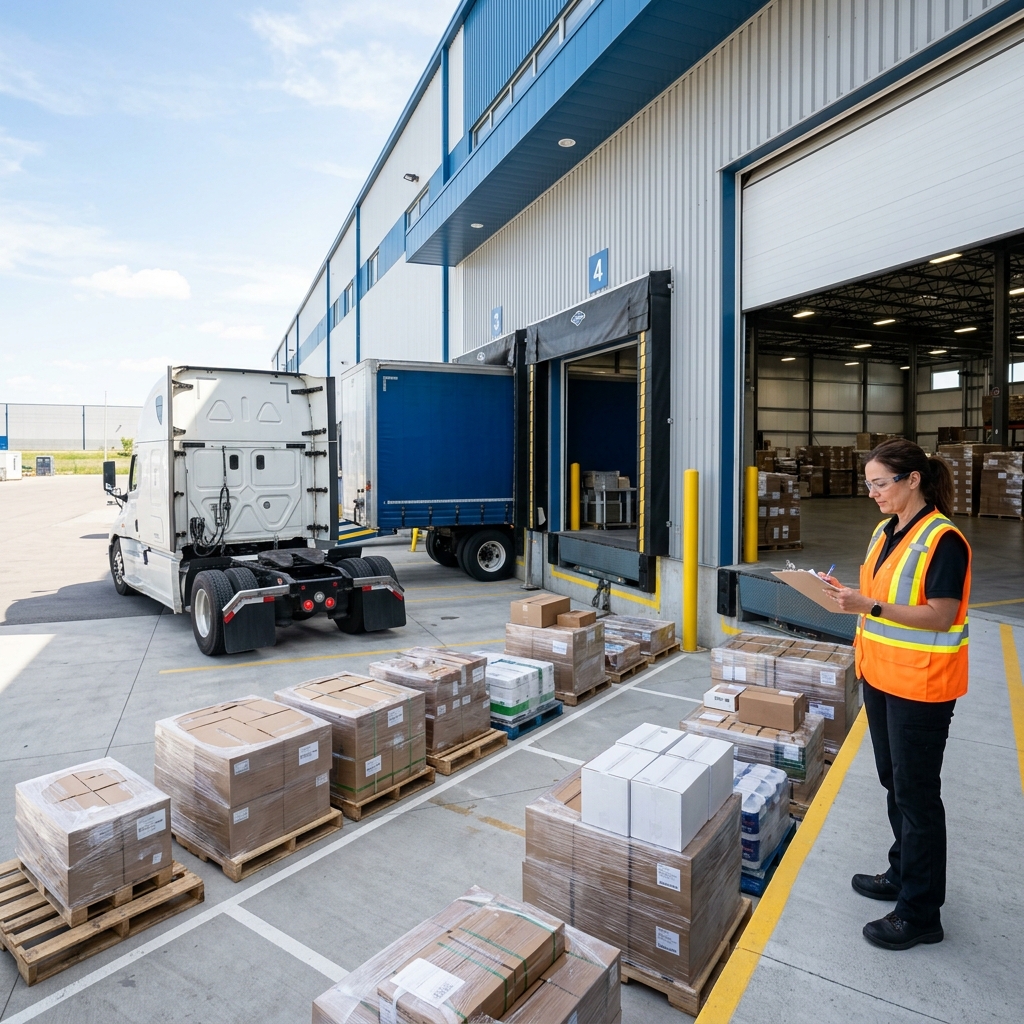
Most businesses blame rising shipping costs on the obvious culprits: fuel surcharges, seasonal volume spikes, or a general post-pandemic hangover. Those factors are real, but they tell only part of the story. The deeper drivers of freight rate increases are structural and operational, and they often go completely unnoticed until they show up as line items on an invoice. Understanding what is actually pushing your freight costs higher is the first step toward doing something about it.

The Visible vs. the Invisible: What's Really Inflating Your Freight Bill
Freight pricing is rarely as straightforward as it appears. What looks like a clean rate quote often has multiple layers of cost baked in, some disclosed and some not. To understand why shipping rates keep climbing, you have to look past the surface-level explanations and examine the mechanics underneath.
Carrier Capacity Constraints Are More Nuanced Than You Think
Carrier capacity in Canada does not move in lockstep with fuel prices or driver availability. It shifts based on lane imbalances, regional freight density, and fleet retirement cycles. According to the Canadian General Freight Index, rate volatility is closely tied to regional capacity mismatches, not just national supply levels. When carriers have more freight moving in one direction than the other, they compensate through rate adjustments on the imbalanced leg.
- Lane imbalances: Carriers charge more on lanes where they are unlikely to find return freight, effectively pricing in the cost of repositioning empty equipment.
- Fleet contraction: Smaller carrier networks mean fewer options per lane, reducing competitive pressure and allowing rates to drift upward without much pushback.
- Regional density gaps: In areas with lower freight volume, carriers apply minimum charge thresholds that make even small shipments expensive on a per-unit basis.
- Service corridor prioritisation: Carriers increasingly focus on their highest-margin lanes, leaving shippers in secondary corridors with fewer and more expensive options.
Accessorial Fees: The Quiet Budget Killers
One of the most underreported cost drivers in freight is the growing complexity of accessorial charges. These are add-on fees for services beyond a standard dock-to-dock delivery, and they have multiplied significantly over the past few years. Liftgate pickups, residential deliveries, limited access locations, and inside delivery requirements can each add $50 to $200 or more per shipment. The problem is that many shippers do not realise these fees apply until after the shipment has moved and the final invoice arrives.
Freight Class Miscalculations and Why They Cost You More
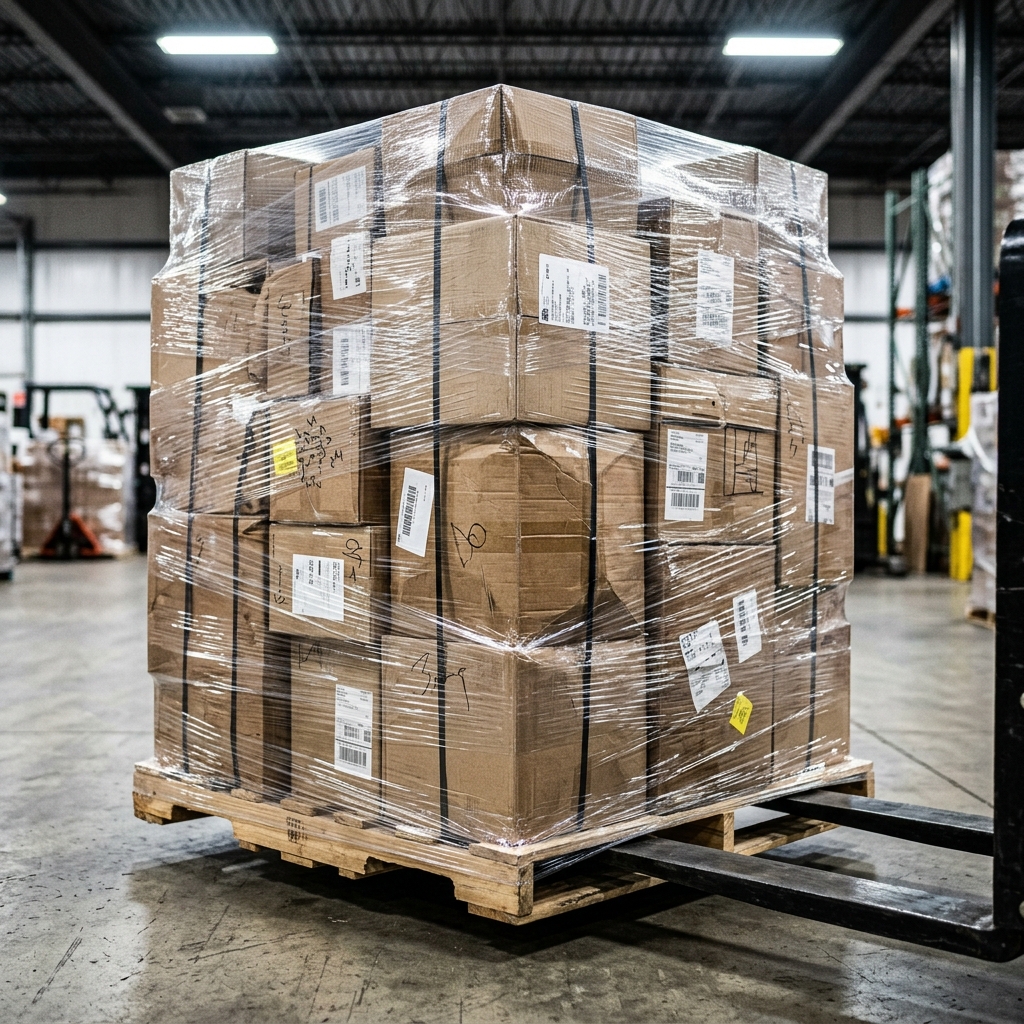
Freight classification is one of the most misunderstood dimensions of LTL freight rates Canada-wide. Every shipment is assigned a freight class based on density, stowability, handling, and liability. Get it wrong, and you pay the difference, often with a reclassification penalty added on top.
The Classification Trap
Carriers have the right to inspect and reclassify freight at any point before or after delivery. If your declared class does not match what the carrier measures, the corrected rate applies retroactively. This is a significant source of unexpected charges for businesses that ship irregularly or rely on outdated classification data. A detailed breakdown of how freight class affects your bill is worth reviewing before your next shipment.
Density-Based Pricing Is Gaining Ground
Many carriers are moving away from traditional class-based tariffs toward transparent freight pricing models based on actual shipment density. While this approach can be fairer in theory, it creates its own complexity: shippers who do not accurately measure and weigh their freight risk are charged at a less favourable rate. Consistent measurement practices and proper documentation are no longer optional for businesses that want to control their shipping costs accurately.
Traditional freight brokers sit between shippers and carriers, and that position comes at a cost. Brokers add a markup to the carrier's base rate, typically without disclosing the spread to the shipper. For businesses focused on controlling logistics costs, this hidden margin can represent a significant and avoidable expense on every single shipment.
How the Markup Compounds Over Time
A 15 to 25 per cent broker margin may not sound dramatic on a single shipment, but applied across dozens of shipments per month, it becomes a structural drain on logistics budgets. The difference between using a freight forwarder and a direct carrier is often measured in exactly this kind of compounding cost. Businesses that rely heavily on brokers often have no visibility into what the actual carrier rate is, which makes it nearly impossible to benchmark or negotiate effectively.
Digital Platforms Are Changing the Equation
The shift toward digital freight platforms has introduced a new model for comparing freight rates online without broker involvement. Truxweb, for example, connects shippers directly with carriers, allowing businesses to receive competitive quotes from multiple carriers simultaneously with no brokerage markup inflating the price. For companies shipping in corridors like the Quebec-Ontario lane, direct-access platforms offer a measurable cost advantage over traditional broker-dependent workflows. You can explore how the platform works at Truxweb.
Market Structure and the Underreported Systemic Pressures
Beyond the operational factors, broader market dynamics are also contributing to LTL freight rates moving higher. Infrastructure investment gaps, regulatory compliance costs, and carrier consolidation are all quietly reshaping the cost structure of Canadian freight.
Consolidation Is Reducing Competitive Pressure
The Canadian road freight transport market has seen meaningful consolidation in recent years. Fewer large carriers means less competition on many lanes, which reduces the downward pressure on rates that a fragmented market would otherwise create. Smaller carriers that once competed aggressively on price have been absorbed or have exited, particularly in regional markets outside the major Ontario and Quebec corridors.
Regulatory Costs Are Being Passed Down
Carriers face increasing compliance costs related to safety regulations, driver certification requirements, and equipment standards. These costs are real and largely unavoidable, and they flow directly into what factors affect shipping rates at the operational level. Shippers rarely see these costs itemised, but they are embedded in base rate structures across the industry. Understanding carrier rate structures helps clarify why rates rarely come back down even when fuel prices ease.
What You Can Actually Do About It
Understanding the real drivers of rate increases matters most when it translates into action. There are concrete steps businesses can take to regain cost control without sacrificing service reliability.
Audit Your Freight Classification and Measurements
Start by reviewing the freight class assigned to your most frequently shipped items. Even small corrections can meaningfully reduce your base rate. Invest in an accurate scale and dimensioner, and make sure your team documents shipments consistently. Reclassification penalties are avoidable when the data you submit is accurate the first time.
Identify and Negotiate Accessorial Exposure
Map out which accessorial fees you are regularly incurring and whether they can be mitigated through operational changes. Adjusting delivery windows, pre-arranging liftgate access, or consolidating shipment locations can reduce accessorial exposure meaningfully over time. Reviewing a dedicated guide to hidden factors that inflate LTL freight rates can help surface charges you may not be tracking.
Use a Freight Rate Comparison Tool
Using a freight rate comparison tool removes guesswork from rate benchmarking. Platforms built for direct carrier access let you compare rates, transit times, and carrier ratings side by side, giving you a clear picture of what the market actually looks like. This is especially valuable for businesses exploring affordable freight shipping rates across multiple carrier options without committing to a single broker relationship.
Conclusion
Shipping rates are rising for reasons that go well beyond fuel costs and seasonal demand. Carrier capacity constraints, accessorial fee complexity, freight class miscalculations, broker markups, and structural market consolidation are all contributing to a freight cost environment that rewards informed shippers and penalises passive ones. Businesses that take the time to understand these dynamics are in a far stronger position to control their logistics spend. By auditing classifications, managing accessorial exposure, and accessing carriers directly through platforms like Truxweb, companies shipping LTL freight across Canada can recover meaningful cost savings without compromising on reliability.
Ready to see what your shipments should actually cost? Compare carrier rates instantly on Truxweb and start shipping smarter today.
Frequently Asked Questions (FAQs)
What factors affect shipping rates?
Shipping rates are influenced by freight class, shipment weight and density, lane-specific carrier capacity, accessorial charges, fuel surcharges, and the markup layer added by intermediaries such as brokers.
How can small businesses save on shipping costs?
Small businesses can reduce shipping costs by accurately classifying freight, minimising accessorial fees through operational adjustments, and using a digital freight platform to access direct carrier rates without brokerage markups.
How much does LTL shipping cost in Canada?
LTL shipping costs in Canada vary widely based on shipment weight, freight class, lane, and carrier, but businesses typically pay anywhere from $150 to over $600 per pallet, depending on these variables.
Why are freight brokerage fees so high?
Freight brokerage fees are high because brokers add a margin to the carrier's base rate, often without disclosing the spread, which is compounded by the fact that shippers have no direct visibility into the actual underlying carrier cost.
What is the cheapest way to ship freight in Canada?
The most cost-effective approach is to access carrier rates directly through a digital freight marketplace, accurately declare your freight class and dimensions, and consolidate shipments to reduce per-unit costs where possible.