Shipping Bikes, Kayaks and Fitness Gear LTL: A Shipper’s Guide
A practical guide to shipping bikes, kayaks, and fitness equipment via LTL freight, covering classing, packaging, costs, and seasonal planning.
By Max Gravel · 9 min read ·

Quick Answer
Bikes, kayaks, and fitness gear are well suited to LTL shipping when each handling unit is correctly packaged, measured, and classified before pickup. There is no universal freight-class range for this category because density, liability, handling needs, and stowability determine the classification, so the bill of lading must describe the actual shipment rather than a product label alone.
Introduction
For bulky sporting goods, parcel networks often create avoidable oversize charges, handling exposure, and damage risk. LTL shipping gives retailers a practical way to move palletized bikes, crated kayaks, and secured gym equipment through a commercial freight network. The operational advantage depends on accurate dimensions, a defensible freight description, and packaging built for terminal transfers. A kayak that shifts on its pallet or a treadmill with unprotected controls can become an exception before it ever reaches the consignee.
Key Takeaways
- LTL works when sporting goods are stable, protected, and accurately described.
- Freight class depends on shipment characteristics, not product names alone.
- Seasonal volume needs earlier pickup planning and consistent pallet specifications.
Why LTL Shipping Protects Bulky Sporting Goods
Parcel systems are designed around repeatable cartons that move quickly through conveyors, while sporting goods frequently require controlled manual handling and floor space. A retailer shipping multiple units to a dealer, event, warehouse, or seasonal pop-up can consolidate freight into palletized handling units instead of tendering individual oversized packages. That changes the conversation from parcel exceptions to a planned LTL versus parcel shipment with documented dimensions and accessorial needs.
Where parcel handling breaks down
Irregular gear creates cost and claims exposure when its packaging is built for a doorstep delivery rather than multiple freight touches. Parcel pricing can penalize size through dimensional weight rules, while a poorly stabilized LTL unit can be refused or reworked at a terminal.
- Long profiles: Kayaks need supported length and protected ends.
- Fragile controls: Fitness consoles need rigid impact protection.
- Loose components: Pedals, wheels, and hardware need secured containment.
- Unstable loads: Narrow bases require blocking and bracing.
- Residential limits: Delivery sites may need liftgate or appointment service.
When LTL becomes operationally sensible
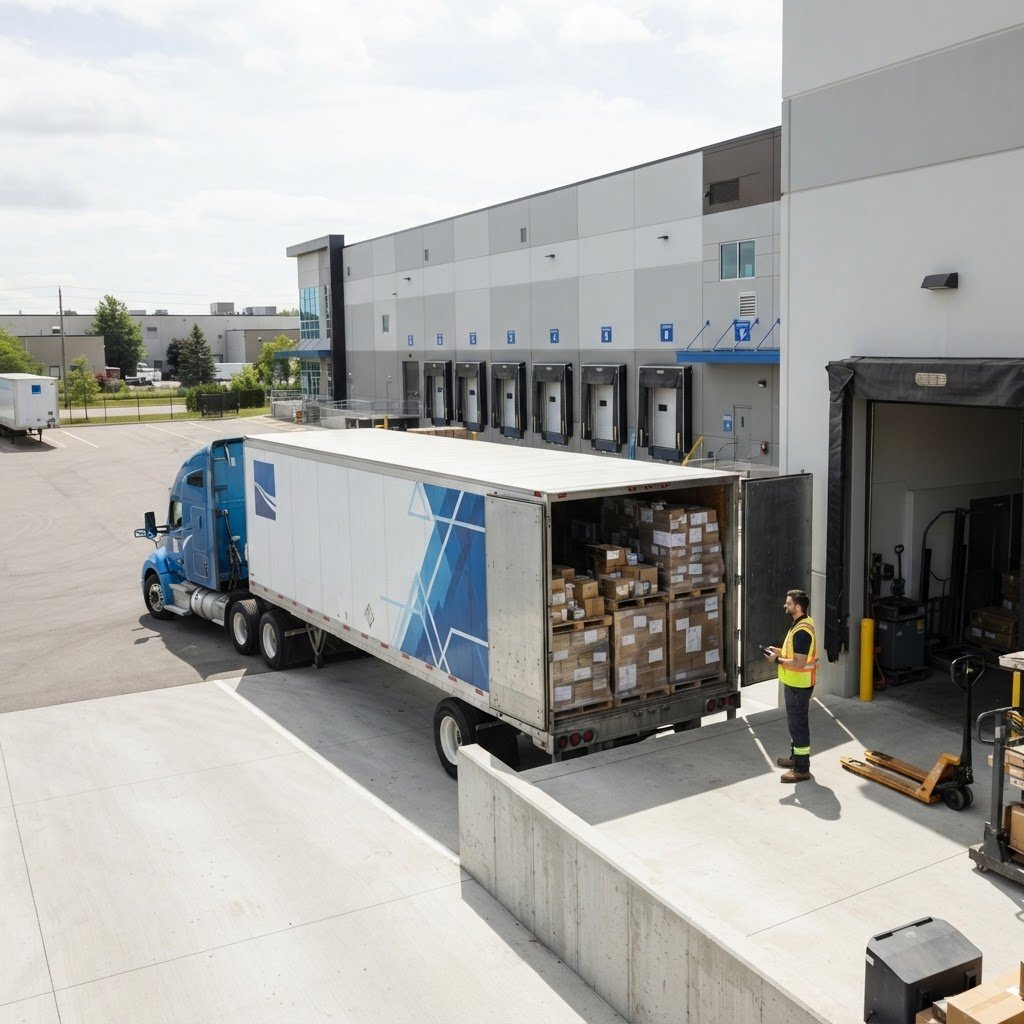
LTL shipping for small business becomes more practical when several units share a destination or when a recurring retail lane can use the same pallet footprint. It also creates a clearer receiving process: the consignee can inspect the freight at delivery, note visible loss or damage on the delivery receipt, and retain photographs, packaging, and shipment records if a claim is necessary. For Quebec and Ontario shippers, Truxweb provides a marketplace where pallet-freight quotes, transit times, carrier ratings, and booking fees can be reviewed before booking.
Freight Class Explained for Bikes, Kayaks, and Gym Equipment
Freight class explained in practical terms means matching the shipment to its actual density, handling difficulty, liability exposure, and ability to stow safely with other freight. Bikes, kayaks, and fitness equipment can vary materially even within the same product family, particularly when packaging changes the footprint or prevents stacking. Use the commodity description, packaging method, dimensions, and total weight to support a consistent freight class calculation.
Classing starts with the shipped unit
A boxed bicycle, a bundled set of bicycles, an unboxed kayak in a custom cradle, and a crated exercise cycle are not the same freight exposure. The relevant question is not simply what the product is, but how safely the carrier can handle, stack, and move the finished shipment. Review the applicable NMFC freight classification language with the carrier or marketplace before tendering, especially when a product is new, modified, or shipped in an uncommon configuration.
The table separates operational characteristics that influence classing and handling, without assigning unsupported class numbers. It helps shipping teams collect the details a carrier needs before quoting.
| Shipment type | Primary classing factor | Packaging priority | Handling concern |
|---|---|---|---|
| Bicycles | Carton or pallet density | Secure forks, wheels, and accessories | Crush protection |
| Kayaks | Length and stowability | Cradle, end caps, and straps | Flexing and puncture damage |
| Fitness equipment | Weight distribution and value | Crate or reinforced pallet | Controls and moving parts |
Confirm the final class before release because a carrier can reclassify freight if the tendered description, dimensions, or packaging does not match the shipment presented for pickup. Import duty is a separate consideration from freight class and should be confirmed in the shipment's customs documentation.
Documentation prevents avoidable adjustments
Measure each completed handling unit after it is wrapped, including any overhang, protective materials, and skid height. Record piece count, total weight, length, width, height, commodity description, pickup requirements, and delivery constraints on the bill of lading.[1] A current freight class chart is useful for internal review, but it does not replace a shipment-specific classification decision.
Packaging Standards That Reduce Damage Claims
Packaging for LTL must withstand forklift movement, dock transfers, trailer vibration, and freight placed beside it, not just the initial loading at your facility. The basic rule is simple: freight must not overhang the pallet edge, because exposed product edges invite impact and can destabilize a load. LTL packaging requirements set the packaging standards carriers expect for freight to move safely and avoid claims.[2] Carrier requirements vary, so confirm the selected carrier's current tariff, packaging rules, and size limitations before tendering.
Build a handling unit, not a wrapped product
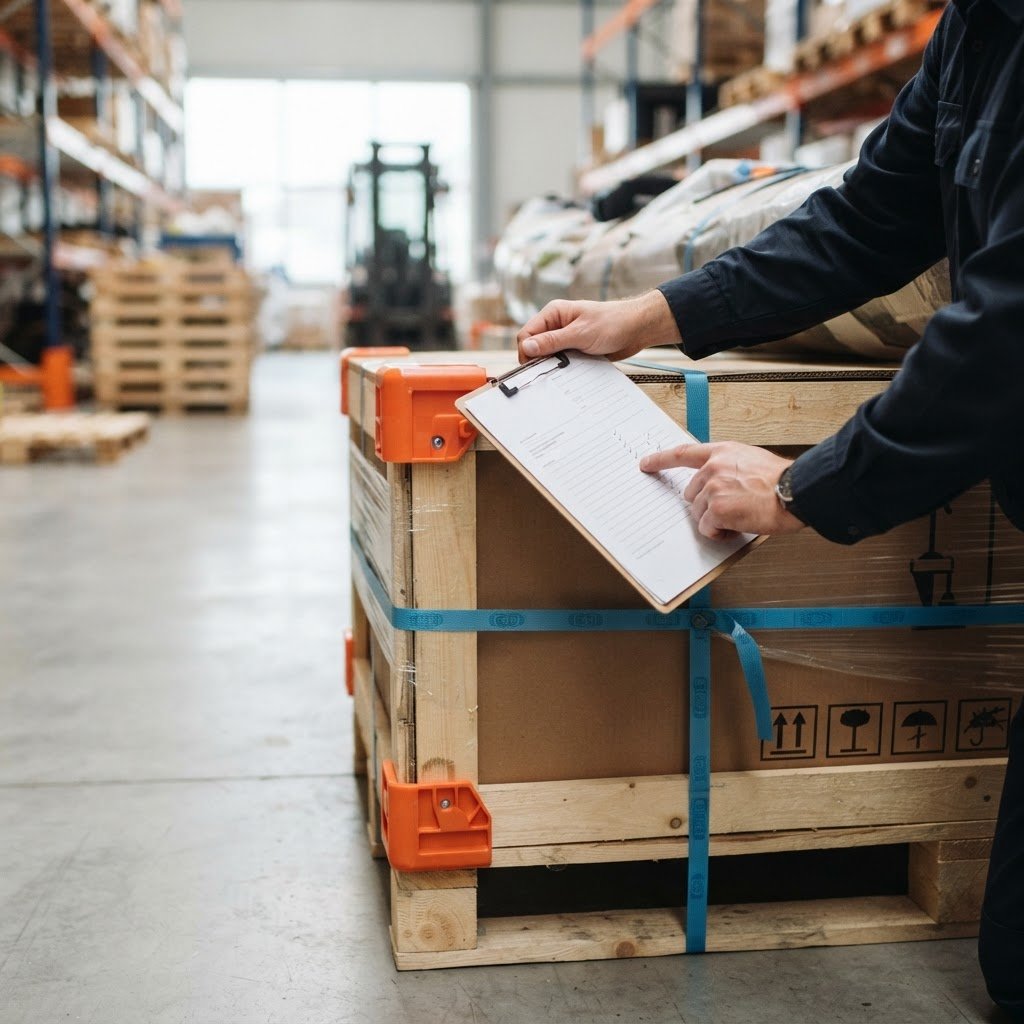
Start with a pallet, skid, crate, or custom cradle that supports the product at its actual load points. Use rigid corner protection, blocking, bracing, and stretch wrap to keep the shipment from shifting, then apply clear shipment labels on accessible faces. Good pallets and labels cost less than a denied damage claim, especially when a claim turns on whether the freight was packaged to tolerate normal carrier handling.
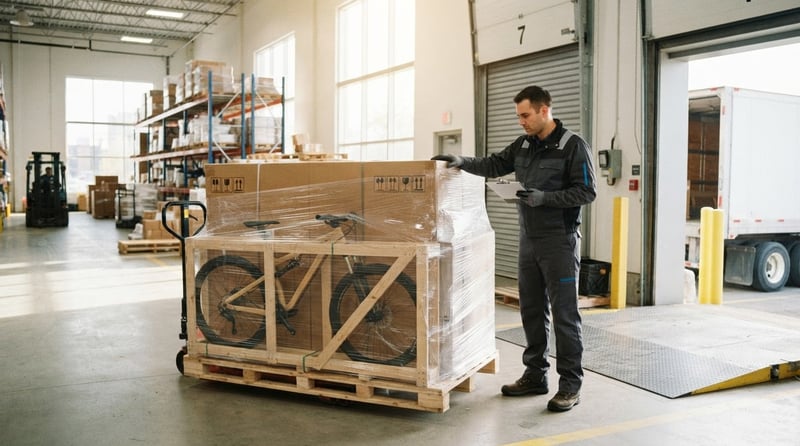
For bicycles, immobilize handlebars, wheels, and loose accessories inside the carton or crate. For kayaks, support the hull along its designed contact points, protect both ends, and avoid compression that can deform the shell. For treadmills, exercise cycles, racks, and weight equipment, secure movable sections, protect display panels, and distribute concentrated weight across the base. Packaging should also prevent any freight from extending beyond the pallet edge. If a packaging failure is discovered at a terminal, the carrier may refuse to continue moving the freight or assess a repackaging, reconditioning, or handling fee where its tariff provides for one.
Inspect before pickup and delivery
Inspect every unit before pickup and photograph the packaging, labels, and visible condition. At delivery, the receiver should inspect before signing, note visible damage or shortage on the delivery receipt, photograph affected areas, and retain the packaging until the claim process is complete.[3] These records connect the shipment's pre-pickup condition to the consignee's delivery observation without relying on memory after equipment has been unwrapped.
Comparing LTL Freight Rates With Parcel Costs at Scale
LTL freight rates are specific to the lane, shipment dimensions, weight, classification, pickup and delivery requirements, and carrier capacity, so a generic price comparison is not reliable. The useful comparison is operational: calculate the total landed cost of each option, including oversize charges, packaging, delivery services, claims exposure, and staff time spent correcting exceptions. Rates for the same oversized shipment can vary significantly between carriers, which is what makes a multi-carrier comparison more valuable than relying on a single quote.
Compare the full shipping model
The cheapest way to ship pallets is not always the lowest line-item quote, because inadequate service selection can cause redelivery, handling, or damage costs. Consolidating shipments and matching service level to actual urgency, rather than defaulting to the fastest option, is one of the more reliable ways to control freight spend, but the shipment still needs a service level that fits the receiving window.
| Decision factor | Parcel model | LTL model |
|---|---|---|
| Unit design | Individual cartons | Pallets, skids, crates, or cradles |
| Large shipments | Multiple package charges | One consolidated freight movement |
| Irregular shapes | Oversize exceptions | Declared dimensions and handling needs |
| Rate visibility | Carrier-specific pricing | Lane-specific custom quotes |
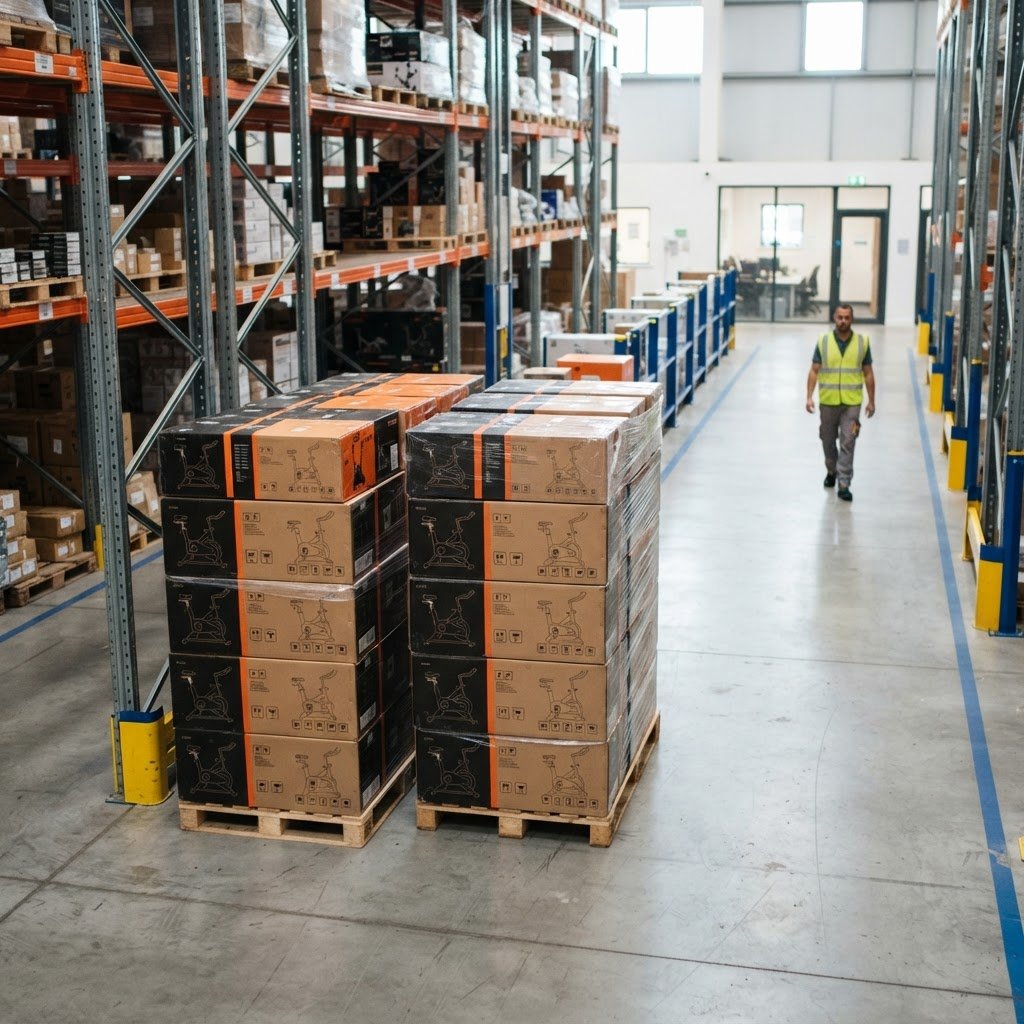
The comparison matters most when a retailer ships repeatable groups of products, because standardized packaging and regular lanes make quoting, receiving, and exception management more consistent. When evaluating carrier responses, compare like-for-like service assumptions: the same pickup and delivery access, handling-unit dimensions, weight, classification, appointment requirements, and declared value. A lower quote can reflect a different service scope rather than a better transport option. Keep the packaging specification with the quote request so each carrier prices the same shipment profile, and review any exclusions before booking.
Plan seasonal capacity before orders peak
Outdoor and fitness demand can concentrate pickups into narrow seasonal windows, so forecast inventory releases, retail replenishments, and event shipments early. Lock down pallet specifications, confirm whether pickup locations have docks or need liftgate service, and share delivery hours before dispatch. For repeat lanes in Quebec and Ontario, as well as elsewhere in Canada and the United States, Truxweb lets shippers send one request to carriers serving the lane and compare responses before committing freight.
Build a seasonal shipping checklist that confirms the finished dimensions and weight of every handling unit, the pallet or cradle design, required pickup and delivery services, consignee receiving hours, freight description, and shipment photographs. Compare multiple carrier responses for the same documented shipment, then retain the selected quote and bill of lading with the packaging record. Before each release, recheck that nothing extends beyond the pallet edge and that straps, blocking, bracing, corner protection, and labels remain intact after staging. At destination, give the receiver the shipment details and inspection steps in advance so visible loss or damage can be recorded on the delivery receipt. This repeatable process helps teams avoid last-minute changes that can lead to rework, accessorial charges, delayed pickup, or preventable claims during peak periods.
Conclusion
LTL is a practical shipping method for bikes, kayaks, and fitness equipment when the finished unit is stable, accurately measured, and fully documented. Treat classification as a shipment-specific decision, build packaging for freight-terminal handling, and compare total transport cost instead of a single advertised rate. Seasonal shippers gain more control when they standardize their pallets and request carrier capacity before the rush. For bulky sporting-goods freight moving from one to eight pallets, Truxweb gives SMEs direct access to carrier options with transparent booking details.
Ready to price your next shipment? Get a freight quote from Truxweb for your planned lane.
Frequently Asked Questions (FAQs)
What freight class are bikes?
Bicycle freight class depends on the completed shipping unit, because carton density, palletization, dimensions, stacking ability, and handling requirements can change how the carrier classifies the same model of bike.
What freight class are kayaks?
Kayak freight class depends heavily on length, packaging, density, and stowability, since a protected kayak in a supported cradle presents a different handling profile than an exposed or loosely bundled hull.
How do you package gym equipment for LTL shipping?
Gym equipment should be secured to a reinforced pallet or crate, with moving parts immobilized, display panels protected, concentrated weight supported, and all loose hardware contained inside the handling unit.
Is it cheaper to ship bikes LTL or parcel?
Shipping bikes by LTL can be less costly when multiple units are consolidated, while parcel costs require a full comparison of package charges, oversize exposure, packaging, delivery services, and the shipment lane.
How can sporting goods shippers avoid freight damage claims?
Sporting goods shippers can reduce damage claims by preventing pallet overhang, using rigid protection and bracing, photographing freight before pickup, and recording visible delivery damage on the delivery receipt before acceptance.
What documents are needed for shipping bikes by LTL?
Shipping bikes by LTL requires a bill of lading with the shipper and consignee details, commodity description, piece count, dimensions, weight, freight class, and any pickup or delivery service requirements.
Sources
- What Is a Bill of Lading? — NMFTA ↩
- Guide to NMFC’s Minimum LTL Packaging Requirements — NMFTA ↩
- How to Handle Freight Claims — FreightWaves Ratings ↩
About the author