

Introduction
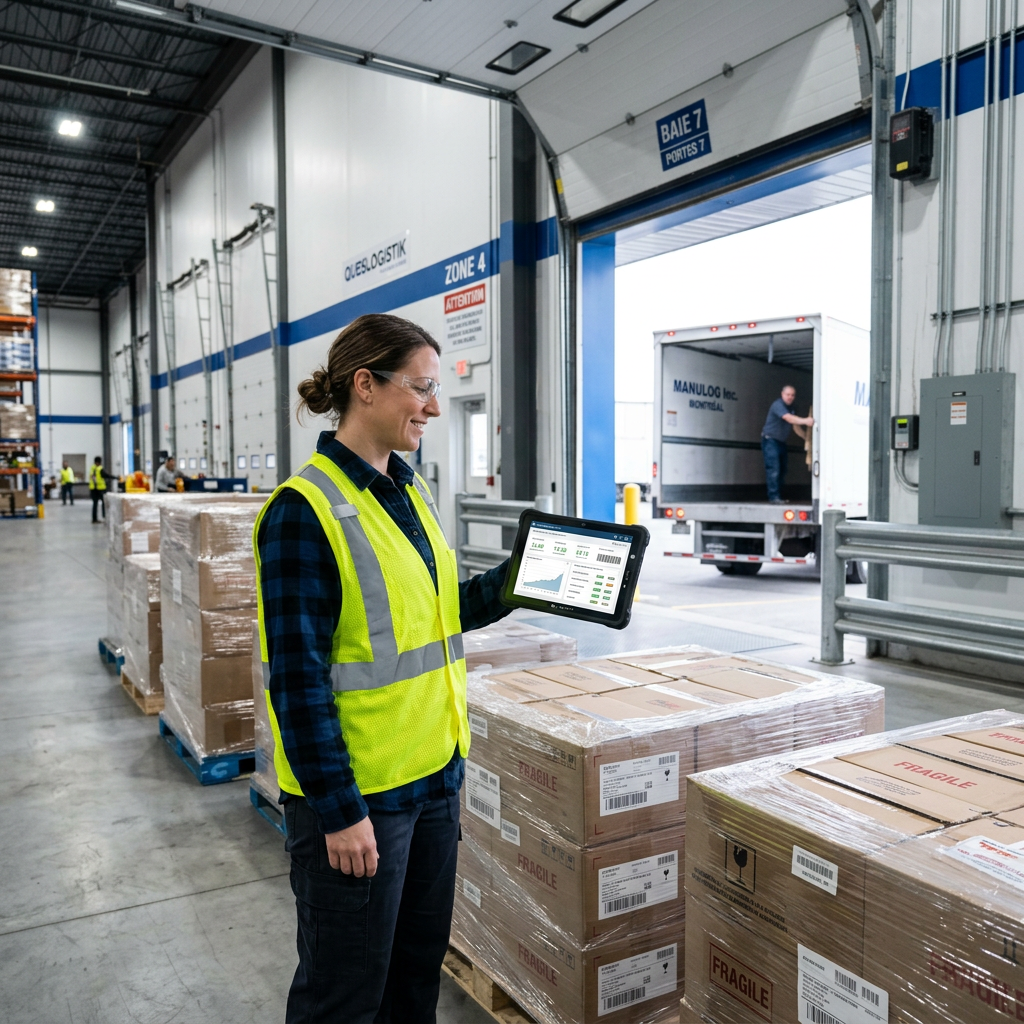
The Quebec to New England freight corridor is one of North America's most commercially significant cross-border shipping lanes. Every year, billions of dollars in goods move between Montreal, Quebec City, and markets in Massachusetts, Vermont, New Hampshire, and Maine, supporting industries from food manufacturing to building materials distribution. Yet despite the geographic proximity, shippers on this lane face a combination of customs friction, bilingual documentation requirements, and carrier coverage inconsistencies that make it far more complex than a comparable domestic route. The difference between a smooth delivery and a costly delay often comes down to how well a shipper understands the operational realities of this specific corridor.
Why the Quebec to New England Lane Matters for SMB Shippers
New England represents a concentrated consumer and industrial market sitting just hours from Quebec's major distribution hubs. For small and mid-sized businesses in Quebec, this proximity creates a natural export opportunity that larger carriers and freight networks sometimes underserve at the LTL level. Understanding why this lane is commercially attractive, and where it gets complicated, is the first step toward shipping it profitably.
Commercial Volume and Trade Dynamics
Quebec's international trade data consistently shows the northeastern United States as a top destination for provincial exports. Key product categories moving south include processed foods, aluminum products, wood and paper goods, and specialized manufactured components. Shipping to Massachusetts alone accounts for a significant share of Quebec's US-bound LTL volume, driven by the state's dense retail and wholesale distribution networks.
Geographic advantage: Montreal to Boston is roughly 500 km, making next-day and two-day LTL service feasible for most carriers
Market density: New England's six states pack over 15 million consumers into a compact region, reducing last-mile complexity for LTL shipments
Sector alignment: Quebec's manufacturing base in food, forestry, and metals maps directly to New England's industrial and construction demand cycles
Seasonal peaks: Construction materials and agricultural goods create predictable surges from April through October, giving shippers a planning advantage
Why Carrier Coverage Gaps Persist
Despite the volume, many LTL carriers treat the Quebec-to-New England lane as a secondary route rather than a core service lane. The reason is structural. Cross-border LTL requires different operational capabilities than domestic freight, including customs bonding, bilingual dispatch capacity, and partnerships with US-side terminal networks. Smaller regional carriers that excel within Quebec often lack the cross-border infrastructure, while large US carriers may not prioritize pickup coverage in secondary Quebec markets outside Montreal. This gap leaves SMB shippers with fewer options and less rate competition than they would find on a domestic lane of similar distance.
Rate Volatility, Seasonal Trends, and Comparison Strategies
New England freight rates on cross-border lanes from Quebec are notably more volatile than domestic equivalents. Several factors drive this, and shippers who understand the patterns can use them to their advantage when planning shipments and negotiating with carriers.
What Drives Rate Fluctuations
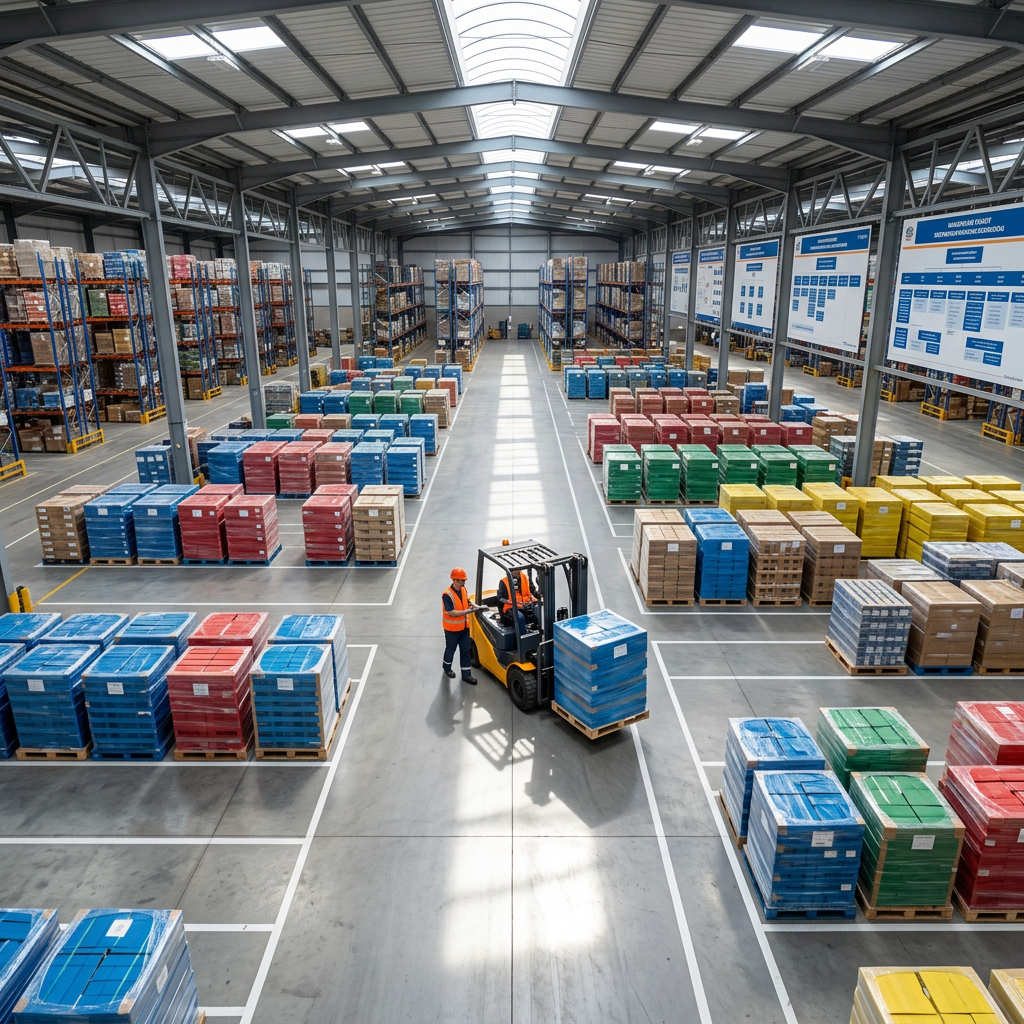
Cross-border LTL pricing between Quebec and New England responds to a mix of fuel surcharges, seasonal demand, and capacity imbalances. During peak construction season from May to September, demand for shipping to Vermont and New Hampshire spikes as building materials flow south. Carriers that service these lanes often tighten capacity, pushing New England trucking rates higher by 15% to 25% compared to winter baselines.
Currency fluctuations between CAD and USD also create a less obvious but real impact on effective rates. A weaker Canadian dollar makes Quebec exports more price-competitive in New England markets, which increases shipping volume and further tightens capacity. Shippers who only check rates once per quarter often miss these shifts entirely, locking into contracts that looked competitive when signed but erode margin within weeks. Comparing cross-border freight rates regularly is not optional on this corridor.
How Digital Comparison Changes the Equation
Historically, getting competitive New England freight quotes on cross-border lanes meant calling three or four brokers, waiting hours or days for responses, and comparing numbers on spreadsheets with inconsistent formatting. That process systematically disadvantaged smaller shippers who lacked dedicated logistics staff. Truxweb addresses this directly by allowing shippers to send quote requests to multiple qualified carriers simultaneously and receive competitive rates back within minutes.
The ability to compare rates, transit times, and carrier ratings side by side on a single screen eliminates the information asymmetry that has long defined cross-border LTL pricing. When 92% of carriers respond within 30 minutes during operating hours, a shipper can move from quote request to confirmed booking in under an hour. That speed matters most during peak season, when available capacity on Montreal to New England shipping lanes can disappear within a single business day. Real-time cross-border logistics strategies built around digital tools consistently outperform manual processes on rate outcomes.
Operational Best Practices for Quebec to New England Shipments
Getting the best rate is only half the challenge. Executing reliable, on-time deliveries across this corridor requires operational discipline at every stage, from pickup scheduling through final delivery confirmation. The shippers who perform best on this lane treat each shipment as a cross-border project with specific requirements, not just another domestic order with a border in the middle.
Pre-Shipment Planning That Prevents Delays
The single biggest cause of delays on Quebec to New England lanes is not customs processing itself, but errors in the documentation submitted before the shipment reaches the border. Incomplete or mismatched commercial invoices, incorrect HS codes, and missing proof of origin documents trigger holds that can add 24 to 72 hours to transit time. Shippers should build a pre-shipment checklist that includes verified US import requirements alongside Canadian export declarations.
Packaging also deserves more attention than it typically receives on LTL lanes. Mixed pallets moving through cross-border terminals get handled more frequently than domestic LTL, increasing the risk of damage. Following documentation best practices while ensuring packaging meets both CBSA and CBP standards reduces claim rates and keeps transit timelines intact.
Carrier Selection and Ongoing Performance Monitoring
Not every carrier that quotes on a Quebec to New England lane actually services it with their own equipment. Some rely on interline partnerships that introduce additional handling points and increase the risk of delays or damage. When evaluating New England LTL carriers, shippers should ask specifically whether the carrier operates direct service to the destination terminal or whether the shipment will transfer between networks mid-route.
Performance monitoring after booking is equally important. Shippers moving regular volume on this corridor should track on-time delivery percentages, claims ratios, and average transit times per carrier over rolling 90-day windows. Truxweb's shipping dashboard provides this visibility in real time, consolidating tracking and communication across all active shipments. That level of cross-border transportation planning turns reactive firefighting into proactive carrier management.
Shippers should also maintain relationships with at least two to three qualified carriers on any given lane. Relying on a single carrier for all Quebec to New England logistics creates risk during peak season or when a carrier experiences operational disruptions. A better carrier coordination approach, supported by digital tools that make switching between carriers frictionless, keeps supply chains resilient without requiring dedicated logistics headcount.
Conclusion
The Quebec to New England freight lane offers genuine commercial opportunity for SMB shippers willing to invest in understanding its operational nuances. From customs documentation accuracy to carrier selection and seasonal rate management, success on this corridor depends on preparation, visibility, and the ability to compare options quickly. Shippers who treat this lane as a strategic priority, rather than an afterthought, consistently achieve better rates, faster transit, and fewer disruptions. The tools to do this efficiently already exist, and the competitive advantage they create compounds with every shipment.
Start comparing LTL shipping rates on Quebec to New England lanes today at Truxweb.
Frequently Asked Questions (FAQs)
How much does it cost to ship from Quebec to New England?
Costs vary based on weight, freight class, and destination state, but LTL shipments from Montreal to Boston typically range from $350 to $900 per pallet depending on seasonal demand and carrier selection.
What documents do I need for Quebec to New England shipping?
At minimum, shippers need a commercial invoice, a Canada Customs Invoice or equivalent, a bill of lading, and accurate HS tariff codes for every commodity in the shipment.
How long does shipping take from Montreal to New England?
Standard LTL transit from Montreal to most New England destinations ranges from two to four business days, with next-day service available to closer markets like Burlington, Vermont.
What is the best way to ship LTL from Quebec to New England?
The most effective approach is to use a digital freight marketplace that lets shippers compare multiple carrier quotes simultaneously, ensuring competitive rates and verified service quality on cross-border lanes.
How can I save on Quebec to New England freight costs?
Shippers save the most by comparing rates from multiple carriers before every booking, consolidating shipments to maximize pallet density, and timing non-urgent freight outside of peak construction season.