


Quick Answer
LTL shipping helps Quebec and Ontario manufacturers move palletized freight without paying for unused trailer space, but dependable results depend on accurate shipment details, transparent charges, and carriers that serve the required lane. For domestic and Canada-U.S. freight, manufacturers should compare transit commitments, accessorial fees, tracking, and documentation support before booking.
Introduction
LTL shipping is a practical fit when production orders range from a few pallets to freight that does not justify a dedicated trailer. Manufacturers need dependable pickups and delivery visibility because a late inbound component or outbound order can disrupt a production schedule. Canadian manufacturing sales rose 3.3% month over month to $72.1 billion in September 2025, their highest level since February 2025, according to manufacturing sales data. The same release reported $122.2 billion in inventories and $109.9 billion in unfilled orders, reinforcing the need for disciplined quoting and shipment preparation.
Key Takeaways:
LTL works when pallet freight does not require a full trailer.
Accurate dimensions prevent avoidable billing corrections and service delays.
Cross-border shipments need complete commercial information before pickup.
LTL Shipping for Manufacturing Freight
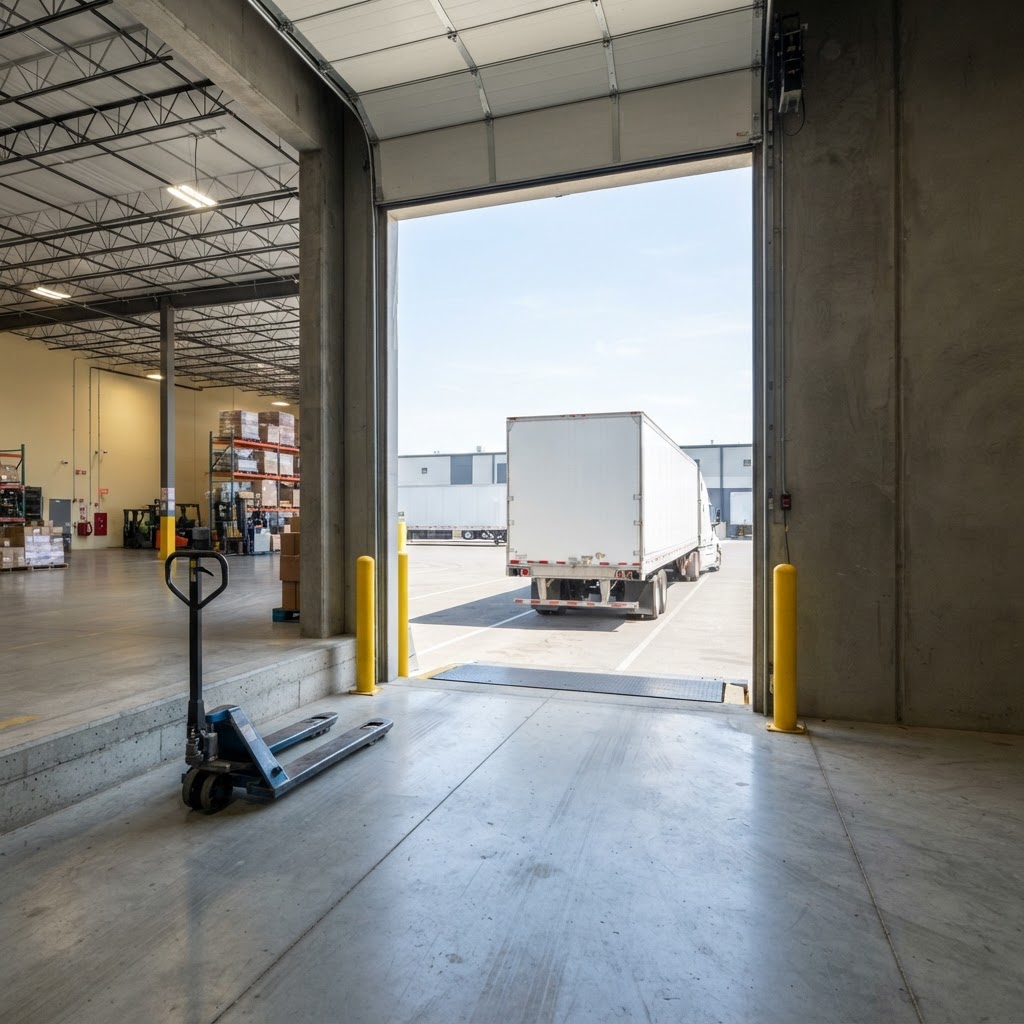
LTL logistics for manufacturers combines compatible shipments from multiple shippers in one trailer, with each business paying for the capacity and handling its freight requires. It suits regular movements of boxed goods, parts, machinery components, packaged materials, and finished products when shipping patterns vary by customer order or production cycle. A practical starting point is understanding how LTL shipping works before comparing rates.
Build a quote from shipment facts
A usable quote starts with information the carrier can execute: pickup and delivery addresses, ready time, pallet count, total weight, dimensions, freight description, and any site restrictions. Incomplete details can trigger a reclassification, a missed pickup, or charges for services that were not included in the original request.
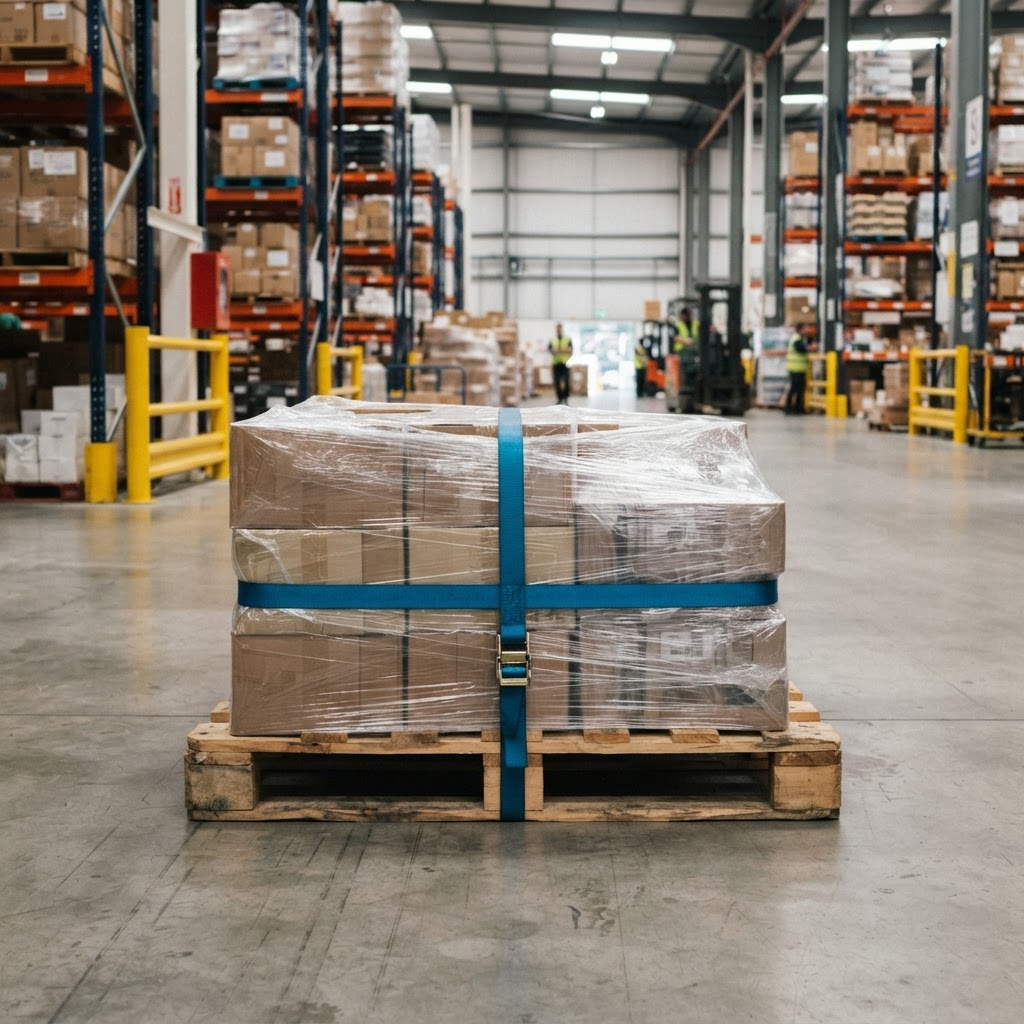
Dimensions: Measure each pallet after wrapping and strapping.
Weight: Use verified totals, including pallets and protective materials.
Freight class: Confirm the product description matches carrier requirements.
Access: Identify liftgate, appointment, or limited-access needs.
Readiness: Release freight only when paperwork and labels are complete.
Choose service around handling and schedule risk
Price matters, but manufacturers should evaluate how often freight is handled, whether the consignee needs an appointment, and what happens when a pickup exception occurs. Pallet shipping services are strongest when packaging protects the product through terminal transfers and the shipping team can provide clear dock instructions. Reviewing Quebec Ontario LTL rates by lane also helps separate a competitive base rate from a low initial price carrying unplanned accessorials.
Quebec and Ontario LTL Carrier Selection
Regional lane knowledge matters because pickup density, terminal coverage, bilingual coordination, and delivery requirements differ across Quebec and Ontario. Shipping in Montreal may involve urban delivery constraints, while trucking in Ontario can require longer intercity linehaul planning and appointment coordination at industrial sites. The right process compares actual service terms instead of assuming every carrier handles a lane the same way.
Compare marketplace booking with traditional brokerage
A traditional broker may obtain options on a shipper's behalf, while a direct-to-carrier marketplace lets the shipper compare submitted options directly. This distinction affects visibility into carrier selection, quoted fees, transit estimates, and communication during exceptions.
The following comparison focuses on workflow rather than unsupported rate claims, since freight pricing is custom to the lane, freight details, and requested services.
Decision factor | Traditional broker workflow | Direct-to-carrier marketplace workflow |
|---|---|---|
Rate collection | Broker gathers carrier options | One request reaches participating carriers |
Carrier visibility | May be mediated by broker | Shipper compares carrier responses directly |
Fee visibility | Depends on quote format | Booking fees shown before confirmation |
Operational contact | Broker coordinates updates | Platform and carrier dispatch coordinate updates |
Booking record | Varies by provider process | Centralized digital shipment record |
The operational advantage is control: logistics teams can see the basis for a booking and retain a consistent record for purchasing, receiving, and accounting.
Use carrier compliance as a screening requirement
For regulated goods, compliance cannot be treated as a post-booking question. Canada’s dangerous goods regulations set requirements that affect classification, documentation, packaging, and carrier suitability, so the shipping team should disclose relevant commodity details before accepting a quote. Manufacturers should also establish an internal escalation path for damage, shortages, refused freight, and delivery appointments.

Managing Canada-U.S. Manufacturing Shipments
Cross-border shipping Canada to USA adds a customs process to the freight move, so documentation must be ready before the truck arrives. A carrier can transport the freight, but it cannot correct missing commercial details after the shipment reaches the border. Build document review into order release, particularly when a shipment contains samples, replacements, or products with controlled components.
Prepare commercial documents before tendering freight
The commercial invoice should clearly identify the seller, buyer, goods, value, currency, origin information where required, and transaction terms. The U.S. Department of Commerce notes that no-charge samples or demonstrations still require the shipment’s retail value, a point that can prevent incomplete border paperwork when arranging LTL transit factors.
Assign responsibility for customs broker instructions, invoice approval, and response to border questions before pickup. This is especially important when shipping to customers in the USA from Ontario, as they expect the load to arrive ready for unloading rather than await corrections to commercial paperwork.
Make tracking useful to production teams
Tracking should tell the team whether a shipment was dispatched, collected, moving, delayed, or delivered, then provide a record that customer service and receiving can use. A platform can let Quebec and Ontario SMEs compare carrier quotes, transit times, ratings, and booking fees before confirmation while providing email alerts and dispatch chat for shipment updates. For cross-border lanes, choosing a cross-border LTL carrier should include a review of communication procedures for customs-related exceptions.
Conclusion
Reliable LTL shipping begins with complete freight data, durable pallet preparation, and a quote that reflects the actual pickup and delivery conditions. Manufacturers in Quebec and Ontario should evaluate service coverage, fee clarity, compliance practices, and escalation support alongside the base rate. Businesses reviewing regional options can also consider options for freight shipping in Ontario when planning recurring shipments. Direct comparison of carrier responses can reduce time spent chasing quotes while preserving control over the booking decision. For businesses moving recurring pallet freight, Truxweb provides a marketplace workflow built around direct carrier options and transparent booking information.
Need a clearer way to compare freight options? Explore Truxweb for your next pallet shipment.
Frequently Asked Questions (FAQs)
How to get the best LTL shipping rates for SMEs?
Getting the best LTL shipping rates for SMEs requires consistent shipment measurements, accurate accessorial requests, and comparison of like-for-like carrier quotes, because an incomplete quote can appear cheaper until added services or corrected freight details change the invoice.
What is the difference between LTL and full truckload?
The difference between LTL and full truckload is that LTL combines several shippers’ freight in shared trailer capacity, while full truckload reserves the trailer for one shipment and can reduce intermediate handling for larger or time-sensitive loads.
Why use an LTL freight marketplace instead of a broker?
Using an LTL freight marketplace instead of a broker can give shippers direct visibility into competing carrier responses, stated transit times, and booking charges, while still allowing operational support when pickup, delivery, or documentation questions need attention.
How to track LTL shipments in real time?
Tracking LTL shipments in real time requires using the carrier or platform shipment reference and monitoring dispatch, pickup, linehaul, and delivery updates, then escalating promptly when a status conflicts with a production, receiving, or customer delivery commitment.
What documents are required for Canada to US freight?
Documents required for Canada to US freight depend on the goods and transaction, but commercial shipments commonly need a complete commercial invoice and customs instructions containing accurate product descriptions, values, currency, and parties to the transaction.
What to look for in an LTL carrier partner?
What to look for in an LTL carrier partner includes coverage for your lanes, clear accessorial rules, shipment-status communication, freight handling processes, and the ability to receive complete commodity information before accepting regulated or border-bound freight. For cross-border goods, confirm that commercial documentation identifies the goods, value, currency, and transaction parties before pickup.
About the Author
Sarah Bennett is a Cross-Border Trade & Customs Specialist focused on freight compliance and customs clearance between Quebec, Ontario, and key U.S. markets. Her work emphasizes practical documentation controls, shipment readiness, and clear communication across Canada-U.S. freight operations.