LTL Shipping to Rimouski and Riviere-du-Loup: Bas-Saint-Laurent
Shipping freight to Bas-Saint-Laurent? Learn how LTL shipping to Rimouski and Riviere-du-Loup works, what affects rates, and how to find reliable carriers fast.
By Max Gravel · 7 min read ·

Quick Answer#
LTL shipping to Rimouski and Rivière-du-Loup works best when shippers compare carrier coverage, pickup requirements, transit commitments, and accessorial charges before booking. Bas-Saint-Laurent is outside Quebec's densest freight corridor, so a digital marketplace can reduce the time spent locating carriers that actually serve the lane.
Introduction#
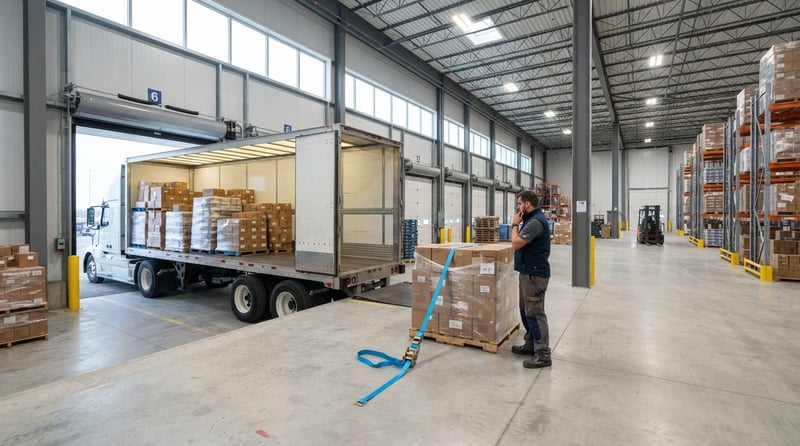
LTL shipping is a practical way to move one to eight pallets to or from Bas-Saint-Laurent without paying for a full truck. For manufacturers, distributors, and retailers, the main challenge is not simply finding a low quote but securing reliable service into regional delivery areas. The right booking process captures accurate dimensions, freight class, pickup and delivery conditions, then compares carrier-specific transit information before confirmation. A missed detail at booking can turn a planned shipment into a reclassification or delivery-access problem.
Key Takeaways:
Regional coverage matters as much as the quoted freight price.
Accurate shipment details reduce avoidable accessorial charges.
Carrier comparison creates more control on secondary Quebec lanes.

LTL shipping in Bas-Saint-Laurent requires lane-specific planning#
Rimouski and Rivière-du-Loup sit on regional freight routes where carrier density can differ from the Montreal-Quebec City corridor. Shippers should treat each pickup and delivery postal code as operational information, because terminal routing, residential or limited-access sites, appointment needs, and equipment availability can affect both service and price. Provincial investment in regional transportation infrastructure also reflects the importance of dependable routes in Bas-Saint-Laurent.
What makes regional LTL moves different#
Less-than-truckload freight shares trailer space with other shipments, which means the carrier must consolidate, terminal-sort, and route freight efficiently. A strong booking record gives the carrier enough detail to plan handling safely and avoids assumptions that can slow down collection or delivery.
Pallet dimensions: Measure length, width, height, and total weight accurately.
Freight class: Confirm density and commodity details before requesting rates.
Site access: Declare liftgate, appointment, or limited-access requirements.
Packaging: Secure freight for forklift handling and terminal transfers.
Why preparation affects both cost and service#
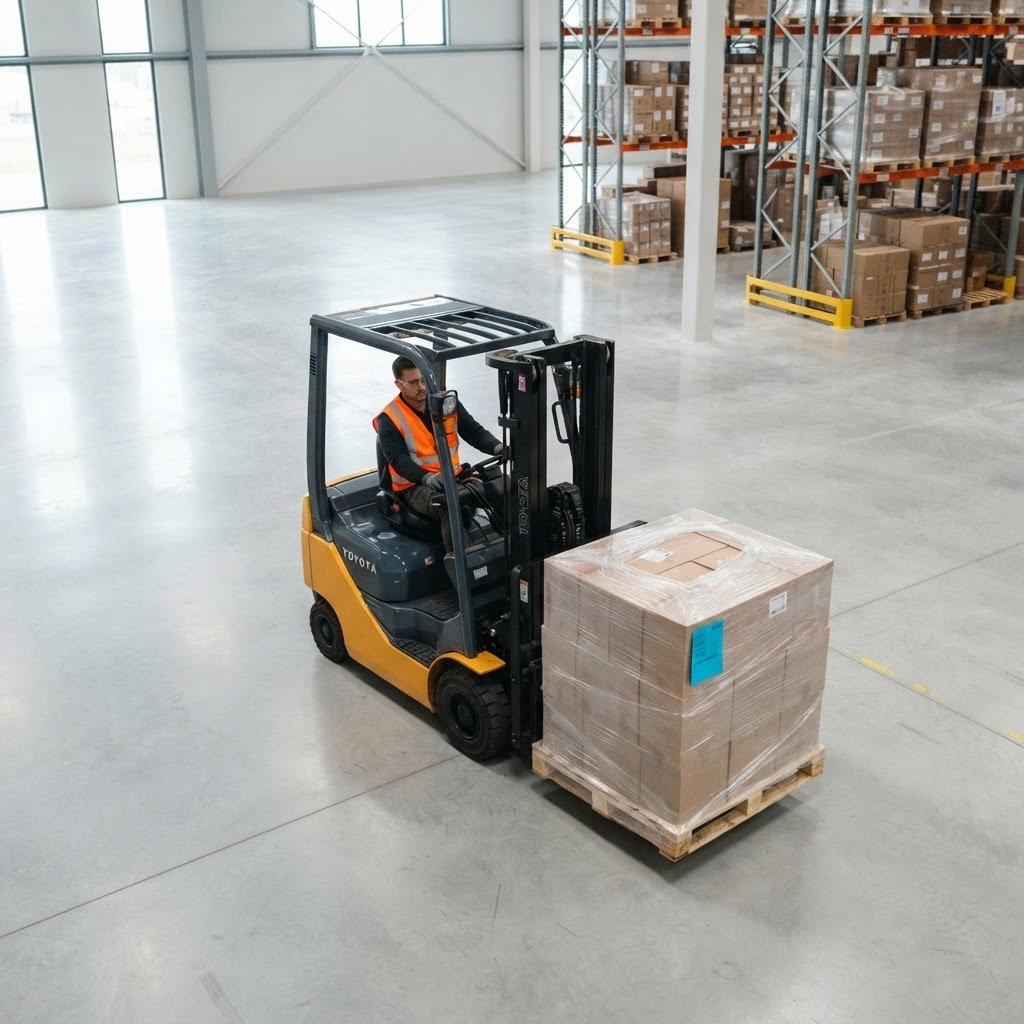
Palletized freight must be stacked and secured so a forklift can move it as one unit, a basic requirement for efficient forklift handling of pallets. For Bas-Saint-Laurent lanes, verify whether the pickup dock has suitable loading equipment and whether the consignee can receive the shipment during the carrier's delivery window. Those details are more useful than an assumed transit promise because they identify preventable delays before the freight leaves the dock.
How to compare LTL freight quotes for Rimouski and Rivière-du-Loup#
Comparable LTL freight quotes require the same shipment data for every carrier: origin, destination, pallet count, dimensions, weight, freight class, commodity, and accessorial needs. Comparing incomplete quotes produces false savings, especially when a carrier later adds charges for a condition that was omitted at booking.
Rate factors shippers should evaluate side by side#
Distance and regional delivery coverage matter, but they are only part of the total charge. LTL carrier rates are generally driven by freight class, weight, distance, and accessorials, while fuel and other operating costs can also move over time. The Canadian General Freight Index reported that fuel represented 29.13% of base rates in July, compared with 34.01% in June. The same index reported that total ground transportation costs decreased 0.91% in July from June, while its Base Rate Index, excluding carrier accessorial charges, decreased 1.35%. These changes illustrate why a quote should show the applicable charges rather than rely on a headline number.
The table below distinguishes a broker-led request process from a direct carrier marketplace workflow. It is a process comparison, not a fixed price comparison, because freight charges remain custom to the shipment and lane.
Booking approach | Carrier access | Quote visibility | Operational communication |
|---|---|---|---|
Traditional broker | Broker-selected carrier options | Custom quote provided through the broker | Broker coordinates carrier updates |
Direct carrier marketplace | Multiple participating carriers receive one request | Rates, transit times, ratings, and booking fees shown side by side | Carrier dispatch communication available in-platform |
The operational advantage is visibility: a shipper can assess the carrier and the terms before releasing freight. This is especially important when regional capacity changes from one pickup day to the next.
Use a marketplace to avoid fragmented outreach#
Calling individual regional LTL carriers can produce useful relationships, but it also creates separate emails, rate sheets, and follow-up tasks. Truxweb's online marketplace broadcasts one request to carriers servicing the lane, allowing a shipper to compare rates, transit times, carrier ratings, and booking fees before choosing. That workflow is built for small and medium-sized businesses that need to move pallet freight without maintaining a large logistics department.
Plan transit around service commitments, not assumptions#
Regional deliveries can involve terminal handoffs and scheduled route cycles, so freight transit times should be confirmed at the quote stage instead of inferred from highway distance. For planning context, freight transit times depend on the carrier's lane schedule, capacity, service level, and the operational conditions at both ends of the shipment.

Build a repeatable process for eastern Quebec freight#
A repeatable LTL freight management process starts with a shipment profile for each regular lane. Keep pallet specifications, commodity descriptions, freight class, contact details, receiving hours, and recurring accessorial requirements in one place so every quote request is complete from the start. Businesses shipping eastward can also align their planning with Atlantic Canada lanes when freight continues beyond Bas-Saint-Laurent.
Document the shipment before pickup#
Use a bill of lading that matches the booked shipment, including the consignee address, piece count, weight, freight description, and special handling instructions. Photograph finished pallets before collection, retain pickup records, and make sure the consignee knows the expected carrier contact process. These basic controls help resolve discrepancies without relying on memory after the freight has entered the network.
Choose visibility that supports exceptions#
Tracking should do more than display a status; it should help the shipper react when a pickup, dispatch, or delivery event changes. Truxweb provides automated email alerts and in-platform carrier-dispatch chat, while its concierge team is available around the clock for operational issues. For shippers comparing Quebec LTL carriers, that combination keeps the booking decision and the follow-up process connected.
Conclusion#
Reliable LTL shipping to Rimouski and Rivière-du-Loup begins with complete shipment information and carrier coverage that matches the actual postal codes and site conditions. Compare total booking terms, not just a base freight amount, and confirm transit details before the pallets are released. For Quebec SMEs moving recurring regional freight, Truxweb offers direct carrier comparison, transparent booking fees, and hands-on operational support in one workflow. Consistent documentation and visible carrier terms make regional lanes easier to manage over time.
Ready to simplify regional pallet freight? Compare carrier options with Truxweb before your next Bas-Saint-Laurent shipment.
Frequently Asked Questions (FAQs)#
What is LTL shipping?#
LTL shipping is the movement of a palletized shipment that shares trailer space with freight from other shippers, allowing businesses to pay for the portion of capacity their load uses instead of reserving an entire truck.
How do I get an LTL freight quote in Canada?#
To get an LTL freight quote in Canada, provide the pickup and delivery locations, pallet count, dimensions, weight, freight class, commodity description, and every accessorial requirement so carriers can price the shipment accurately.
How are LTL shipping rates calculated?#
LTL shipping rates are calculated from freight class, weight, distance, and accessorial services, while carrier routing, fuel, pickup conditions, and delivery conditions can change the final charge for a particular shipment.
Is LTL shipping cheaper for 1 to 8 pallets?#
LTL shipping can be economical for one to eight pallets because the shipper buys shared trailer capacity, but the actual comparison depends on dimensions, weight, freight class, lane coverage, and required services.
Why choose an LTL shipping platform over a broker?#
An LTL shipping platform provides side-by-side carrier information and booking visibility, while a broker-led process generally channels the request through an intermediary that selects and communicates with carrier options.
How do I track my LTL freight shipment in real-time?#
To track an LTL freight shipment in real-time, use the carrier or booking platform's shipment updates and retain the booking reference, pickup confirmation, and consignee details needed to investigate an exception promptly.
About the author