
LTL Shipping: Montreal to Champlain & Mooers NY
Shipping LTL freight from Montreal to Champlain & Mooers NY? Learn transit times, customs steps, and how to find reliable carriers for this Quebec border lane.
By Mathieu van Gent · 7 min read ·

Quick Answer#
LTL shipping from Montreal to Champlain or Mooers, New York, requires accurate freight details, completed commercial documents, and a carrier that can coordinate border clearance before pickup. The route is short, but customs processing, freight classification, and consignee readiness determine whether the shipment moves smoothly or waits at the border.

Introduction#
For Quebec SMEs, LTL shipping across the Quebec-New York border is a practical way to move one to eight pallets into the northeastern United States without paying for a dedicated truck. The fastest path is to prepare the shipment and customs documents before booking, then compare carrier transit commitments and accessorial charges instead of selecting on price alone. Cross-border LTL shipping between Canada and the U.S. depends on a clean handoff between the shipper, carrier, customs broker, and U.S. receiver. A missing reference number or an inaccurate commodity description can stop an otherwise simple shipment at the inspection point.
Key Takeaways:
- Accurate paperwork prevents avoidable border holds.
- Freight class affects price, handling, and liability.
- Carrier experience matters on short cross-border lanes.

LTL Shipping Montreal to Champlain and Mooers: What the Lane Requires#
Montreal-to-Champlain and Montreal-to-Mooers freight moves through a close border gateway, but it is still an international shipment with separate export, import, and delivery stages. The carrier may linehaul the pallet only a short distance, yet the shipment cannot proceed until the customs entry is accepted and the receiving location is prepared to unload.
Build the shipment record before pickup is scheduled#
Start with the information that lets a carrier price, dispatch, and transmit freight correctly. A complete record supports cross-border LTL shipping because the carrier and customs broker can match the freight to the commercial documents before the trailer reaches the border.
- Commodity: Use a precise product description.
- Dimensions: Measure each loaded pallet accurately.
- Weight: Provide total shipment weight before booking.
- Freight class: Confirm classification for the commodity.
- Contacts: Include shipper, broker, and consignee details.
Documentation needs to match the physical freight#
The commercial invoice, bill of lading, and customs entry information must describe the same goods, quantities, values, origin, and parties. Make sure the broker has the carrier and shipment references needed to submit the entry.
PARS and PAPS codes are used to connect pre-arrival information with a specific border movement, but the correct process depends on direction and broker instructions. Use the carrier-assigned references consistently across the bill of lading, invoice package, and broker submission, especially when reviewing PAPS and PARS codes for LTL freight.
Transit, Costs, and Freight Classification for Border LTL#
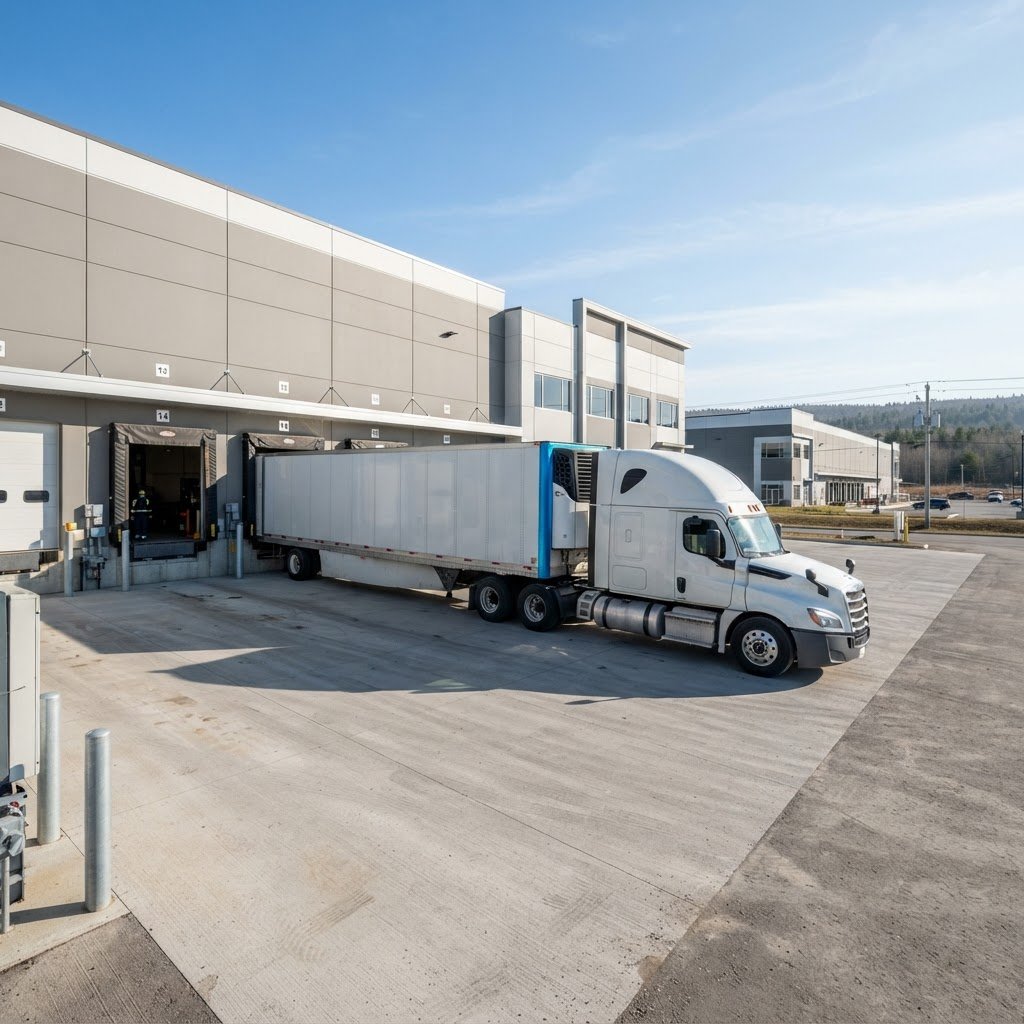
Transit time on this corridor has two parts: the carrier’s pickup and network schedule, then customs release and final delivery. A short distance does not create a guaranteed same-day result because dock availability, clearance timing, freight consolidation, and local delivery sequencing all affect the movement.
Compare quoted service details, not just the total price#
LTL freight quotes should show what the carrier included and what can trigger an additional charge, such as residential service, liftgate handling, limited-access delivery, an appointment, or a correction to weight and dimensions. The Canadian General Freight Index is published monthly from a statistically valid sample in the Nulogx database covering more than $750M in annual freight transactions, which is useful context for why ground freight pricing changes with market conditions.
The table separates the route factors a shipper can validate before booking from those that must be managed during transit. In the Canadian General Freight Index's July results, total ground transportation costs decreased 0.91% from June, base rates decreased 1.35%, and fuel represented 29.13% of base rates versus 34.01% in June.
| Decision factor | What to confirm | Cost or transit effect | Operational action |
|---|---|---|---|
| Pickup location | Dock, forklift, hours, and contact | Missed pickup can delay linehaul | Confirm loading access before dispatch |
| Freight class | Commodity, density, packaging, liability | Can change the billed freight charge | Verify class before tendering |
| Border release | Broker submission and carrier reference | Release timing affects delivery timing | Send documents before pickup |
| Delivery service | Appointment, liftgate, or limited access | May add accessorial charges | Declare requirements in the quote request |
The lowest quote can become the highest invoice when shipment details change after pickup, so affordable freight shipping in Quebec starts with accurate dimensions, class, and service requirements.
Classification protects the quote and the freight#
Freight classification affects pricing, handling, liability, and efficiency, so it should be treated as a shipment-control step rather than an administrative field. Review prior invoices for reclassification charges and use freight classification guidance when packaging or density changes from one shipment to the next. Proper classification also supports operations management because it influences how a shipment is handled.
Choosing Quebec Regional Freight Carriers for This Corridor#
Carrier selection for this lane should focus on border process discipline, communication, equipment fit, and transparent service conditions. A regional carrier may have strong local pickup coverage, but the shipper still needs confirmation that its U.S. partner network, dispatch workflow, and customs handoff match the shipment’s delivery commitment.
Use a lane-specific carrier comparison process#
Ask each carrier to confirm its pickup window, border transmission process, delivery service requirements, and billing basis before accepting a quote. Quebec-New England freight often shares network patterns with this corridor, but the consignee’s location and receiving constraints still shape the actual delivery plan.
For regular shippers, New England LTL shipping comparisons should also account for carrier ratings, service alerts, and whether a dispatcher can resolve a documentation mismatch quickly. Review rates and transit times alongside these service conditions. A marketplace approach can reduce carrier-search time while preserving the ability to compare lane-specific transit details.
Manage exceptions before they become border delays#
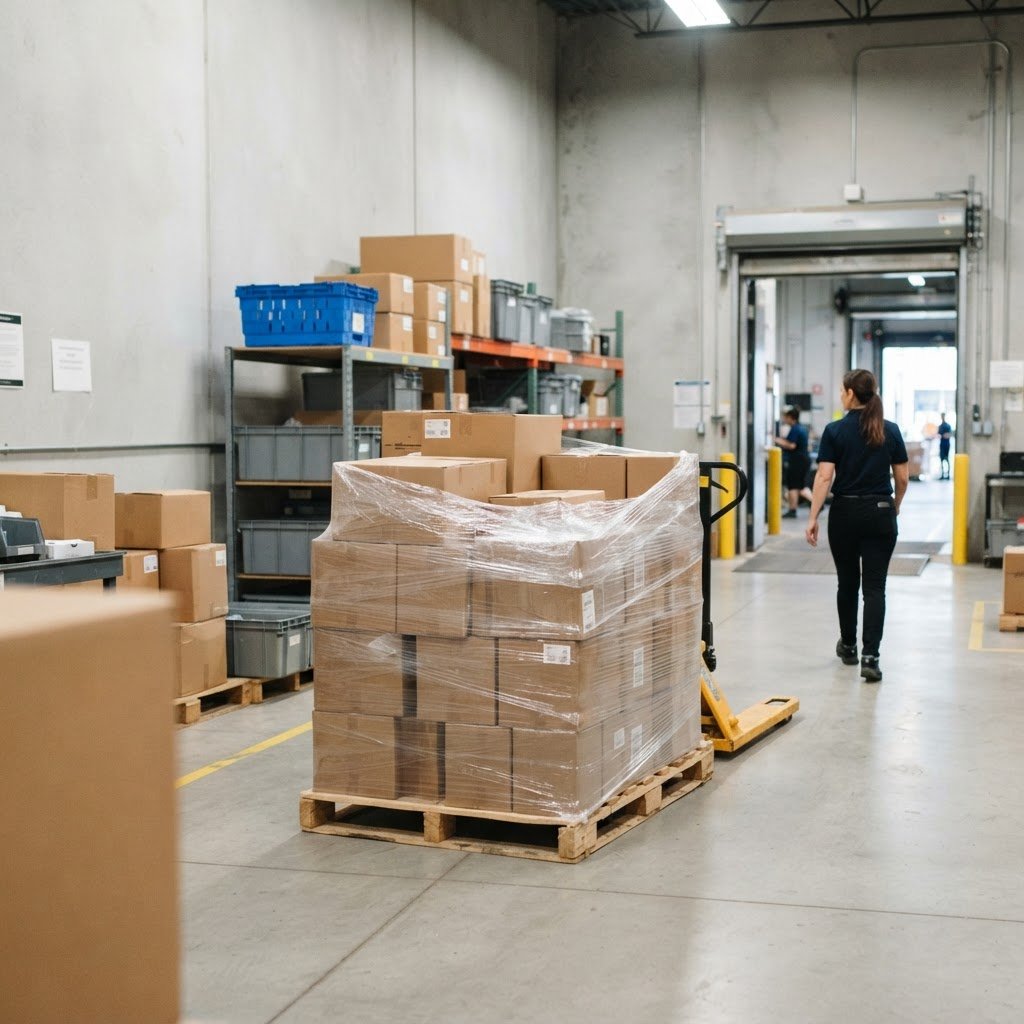
Confirm that the consignee can receive freight, that pallet labels remain readable, and that the broker has final invoice details before pickup. Truxweb connects Montreal-area SMEs with local and regional carriers, allowing shippers to compare carrier quotes, transit times, ratings, and booking fees in one workflow rather than rebuilding the request across phone calls and email chains.
Conclusion#
A successful Montreal-to-Champlain or Mooers shipment begins with a complete freight record, matched customs documents, and a carrier selected for its operational process rather than its headline rate. Confirm freight class, accessorial needs, broker references, and consignee receiving conditions before the pallet is collected. For SMEs that regularly need this visibility, Truxweb provides direct access to carrier quotes and side-by-side booking details for cross-border pallet freight. That control helps shippers identify preventable issues before a truck reaches the Quebec border.
Ready to compare lane-specific options? compare LTL freight quotes with Truxweb for your next cross-border pallet shipment.
Frequently Asked Questions (FAQs)#
How long does LTL shipping take from Montreal to US?#
LTL shipping from Montreal to the U.S. takes as long as the carrier’s pickup, consolidation, customs release, and final-mile schedule require, so a short Quebec-New York distance does not by itself guarantee a specific delivery day.
What information is needed for an LTL quote?#
An LTL quote needs the pickup and delivery addresses, pallet count, dimensions, total weight, commodity description, freight class, pickup and delivery access details, and any cross-border broker or customs reference requirements.
Is my freight safe with regional LTL carriers?#
Freight can move safely with regional LTL carriers when the shipper verifies handling requirements, packaging, carrier communication practices, and insurance or liability terms before tendering the shipment.
How to compare LTL freight rates in Canada?#
To compare LTL freight rates in Canada, evaluate the included service, freight class, accessorial charges, transit commitment, carrier rating, and billing conditions instead of comparing the base price alone.
Is it cheaper to ship LTL or full truckload?#
LTL is generally priced for freight that shares trailer capacity with other shipments, while full truckload pricing applies to dedicated equipment, so the more economical choice depends on pallet volume, space used, timing, and handling needs.
Can I track my LTL shipment in real-time?#
You can track an LTL shipment in real time when the carrier or shipping platform provides dispatch, pickup, and delivery updates, although the level of visibility varies by carrier and service workflow.
About the author
