LTL Shipping to Terrebonne & Rosemere, Quebec
Discover how LTL shipping works for businesses in Laurentides & Lanaudiere, including Terrebonne and Rosemere. Compare carrier rates and save with Truxweb.
By Max Gravel · 7 min read ·

Quick Answer#
LTL shipping lets Terrebonne and Rosemere businesses pay for the trailer space their pallets use instead of reserving a full truck. For shipments of one to eight pallets, compare carrier quotes, transit commitments, accessorial charges, and pickup requirements before booking, because lane coverage and freight details can materially change the final price.
Introduction#
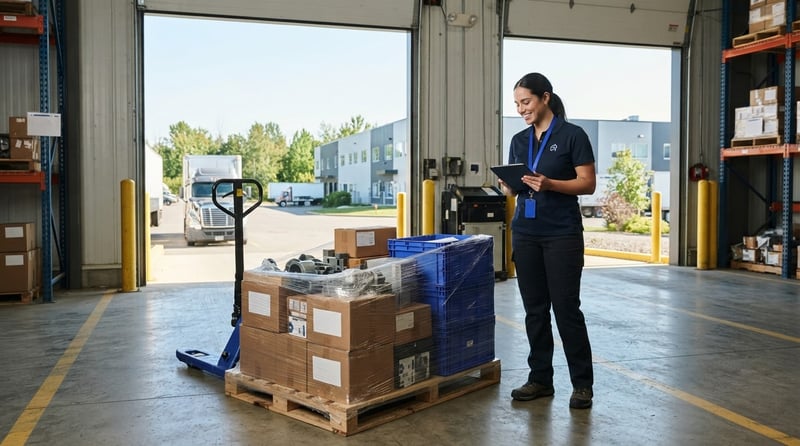
LTL freight is a practical option for manufacturers, distributors, and growing retailers in the Laurentides and Lanaudière corridor that ship partial loads across Quebec, Canada, or into the United States. It combines compatible freight from multiple shippers in one trailer, making shared capacity possible without the cost of a dedicated vehicle. Businesses in Terrebonne and Rosemere still need to manage pickup windows, accurate dimensions, and destination requirements, particularly when freight moves through regional terminals before final delivery. A low quoted rate can lose its value quickly when incorrect freight details trigger handling charges.
Key Takeaways:
LTL works when your freight does not need an entire trailer.
Accurate pallet details prevent avoidable charges and delivery delays.
Direct carrier comparison improves visibility into price and transit options.
LTL Shipping Laurentides: How shared freight capacity works#
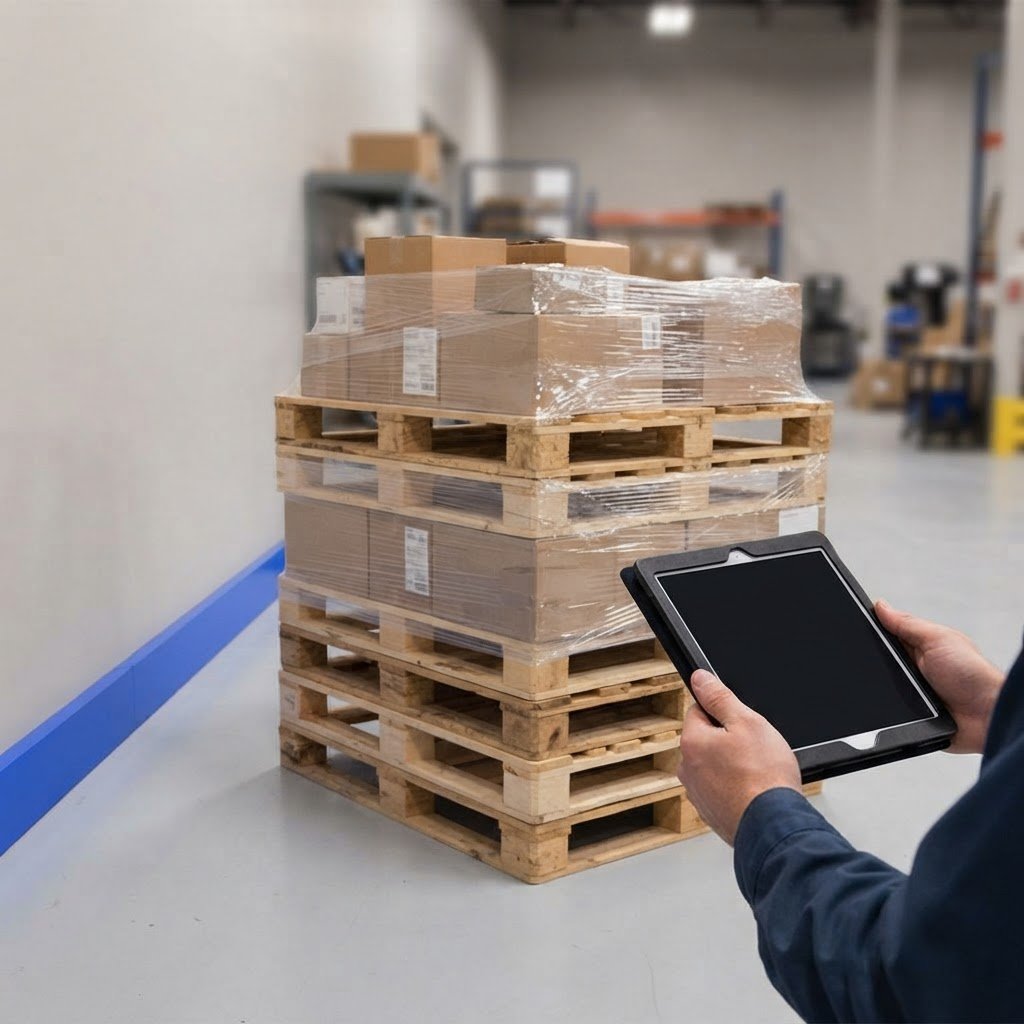
LTL shipping in Laurentides is built around consolidation: a carrier collects freight from several shippers and moves it through its terminal network before final delivery. This model is especially relevant for recurring outbound pallets from Terrebonne industrial sites and Rosemere-area distribution operations, where volume may be consistent but insufficient for a dedicated trailer.
What counts as a workable LTL shipment#
Less-than-truckload shipping is designed for freight that can be safely handled, identified, and consolidated with other shipments. Shared truck or container capacity can lower per-unit transportation costs compared with booking an individual full truckload or standalone less-than-container-load shipment, but only when the shipment is prepared for network handling.
Dimensions: Measure each pallet’s length, width, height, and weight.
Packaging: Use a structurally sound pallet with no protruding nails.
Overhang: Keep freight within the pallet edge.
Labels: Mark each handling unit with shipper and consignee details.
Pickup access: Identify docks, appointments, liftgate needs, and site restrictions.
Why packaging and documents affect the invoice#
Carriers price pallet freight shipping from declared characteristics and pickup or delivery conditions, not simply from a postal code pair. Freight that is unwrapped, unstable, oversized, or inaccurately described can require repackaging or reclassification; LTL packaging requirements note that the shipment may require prior approval, a specialized quote, or additional charges when packaging or handling requirements are not met. For cross-border freight, commercial invoices, commodity descriptions, country of origin, and customs data should be aligned before pickup.
LTL shipping Lanaudiere: carrier coverage and transit planning#
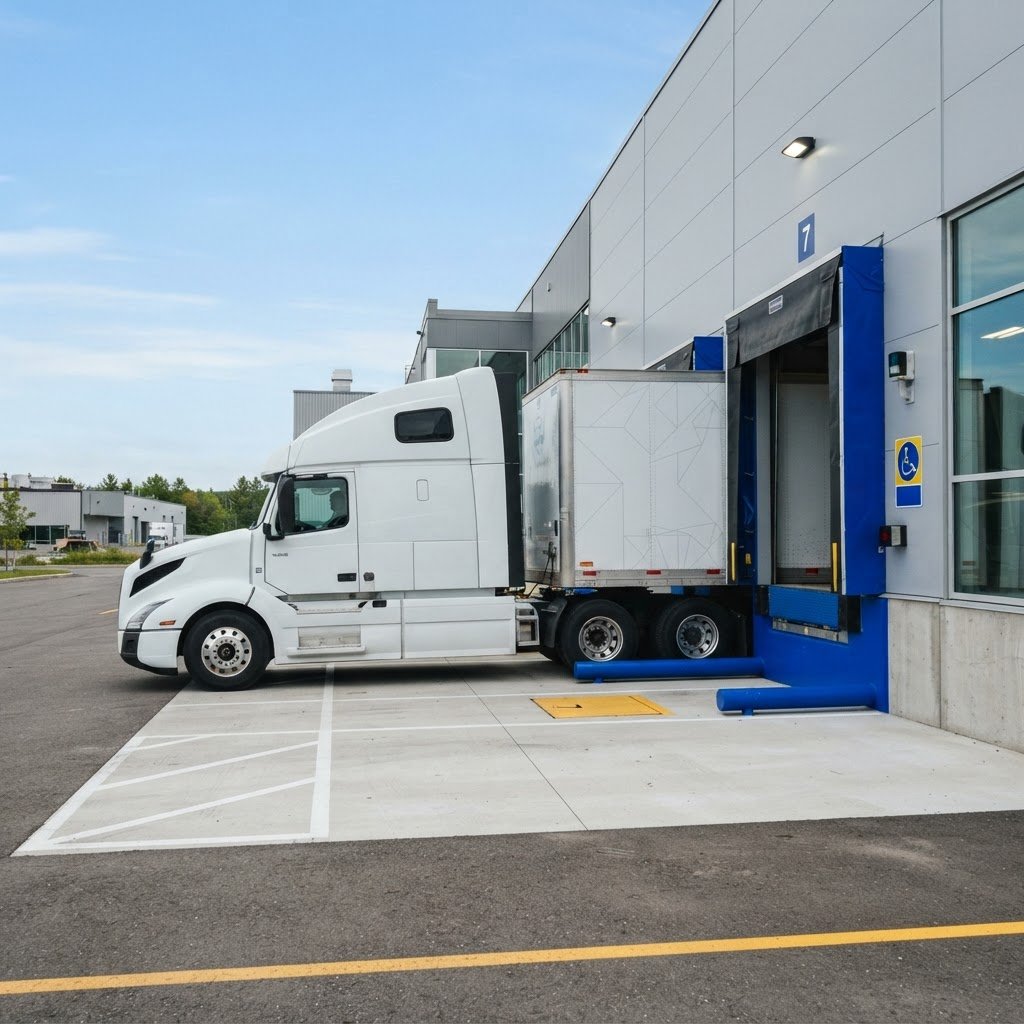
LTL shipping operations in Lanaudière depend on the carrier’s actual service lane, terminal sequence, pickup capacity, and destination delivery conditions. Terrebonne and Rosemere sit close to Montreal’s freight ecosystem, yet local pickup availability can differ by day, freight type, and whether the shipment needs residential, limited-access, appointment, or liftgate service.
Use a carrier comparison before committing freight#
A useful LTL carrier comparison evaluates the full booking terms rather than selecting the first low number. Ask whether the quote reflects the correct freight class or density, whether accessorial services are included, how long pickup confirmation takes, and what transit estimate applies to the consignee’s location. Businesses shipping toward central Quebec can also review Montreal–Quebec City freight considerations, since lane direction and terminal routing influence operational planning.
The table separates the common ways an SME can arrange an LTL shipment from Terrebonne or Rosemere.
Booking approach | Quote visibility | Carrier access | Operational consideration |
|---|---|---|---|
Direct-to-carrier marketplace | Compare rates, transit times, ratings, and booking fees | Multiple participating local and regional carriers | Freight details must be entered accurately |
Traditional broker | Depends on the broker’s quote process | Broker-selected carrier options | Ask how fees and accessorials are handled |
Single-carrier account | That carrier’s available rate and service terms | One carrier’s network | Coverage may vary by lane and pickup date |
The practical difference is control: comparing several eligible quotes makes it easier to weigh pickup timing and service conditions alongside price, rather than treating every carrier as interchangeable. Reviewing Canadian LTL rates, Quebec LTL carriers, and regional LTL carriers can help shippers frame those comparisons.
Plan transit around handling points, not assumptions#
LTL freight companies often route partial loads through terminals to consolidate and sort freight, so transit is affected by origin service days, linehaul schedules, destination capacity, appointments, and weather disruptions. Avoid promising a customer a delivery date until the selected carrier confirms pickup and the service estimate fits the shipment’s real requirements.
LTL shipping rates: build a quote that holds#
LTL shipping rates are custom to the freight and lane, so no reliable average applies to every Terrebonne or Rosemere shipment. The Canadian General Freight Index is published monthly from a statistically valid Nulogx sample exceeding $750 million in annual freight transactions, and its July results showed total ground transportation cost down 0.91% from June while the base rate index fell 1.35%.
Separate base transport from variable charges#
Fuel, equipment needs, handling conditions, and inaccurate descriptions can change the total cost after a base quote is issued. The same CGFI update distinguished total ground transportation costs from its base rate index, which excludes carrier-assessed accessorial charges, which illustrates why a quote should show the underlying transportation charge and applicable add-ons separately.
Use ground transportation cost movements as market context, not as a substitute for a shipment-specific quote. Your actual price still depends on pallet count, weight, dimensions, commodity, origin, destination, required services, and the carrier accepting the load.
Book with complete shipment data and visible status#
For SMEs, the fastest path to a dependable quote is a repeatable intake process: confirm every pallet, provide accurate pickup and delivery contacts, identify special requirements, and keep the bill of lading consistent with the booking. Workflows for LTL shipping in Canada are easier to manage when staff use the same shipment-data checklist each time, especially for regular lanes and cross-border documents.

Conclusion#
For Laurentides and Lanaudière shippers, LTL is most effective when each pallet is packaged, measured, labelled, and quoted with complete service requirements. Compare the total booking terms, not just the base rate, and leave realistic room for terminal handling and appointment constraints. Truxweb connects Quebec and Ontario SMEs directly with participating local and regional carriers, allowing them to compare quotes, transit times, ratings, and booking fees before confirming freight. Its marketplace is particularly practical for businesses shipping one to eight pallets that need visibility without long phone and email chains.
Ready to compare freight options for your next shipment? Request quotes and review carrier terms in one place.
Frequently Asked Questions (FAQs)#
What is less than truckload shipping?#
Less-than-truckload shipping is a freight method in which several shippers share trailer capacity, allowing each shipper to pay for the space and handling required by its own palletized shipment rather than reserving an entire vehicle.
How does Truxweb LTL shipping work?#
Truxweb LTL shipping works by broadcasting one quote request to carriers servicing the lane, then allowing shippers to compare rates, transit times, carrier ratings, and detailed booking fees before booking with a single click.
Is LTL shipping cheaper than full truckload?#
LTL shipping can be cheaper than full truckload when freight occupies only part of a trailer, because freight consolidation lowers per-unit costs compared with booking individual full truckload or standalone less-than-container-load capacity.
How to get LTL shipping quotes online?#
To get LTL shipping quotes online, enter accurate origin and destination details, pallet count, dimensions, weights, commodity information, pickup conditions, delivery conditions, and any services such as appointments or liftgates.
What LTL carriers service Terrebonne and Rosemere?#
LTL carriers servicing Terrebonne and Rosemere vary by lane, pickup date, freight type, and service requirements, so businesses should compare available regional LTL carriers for each shipment instead of assuming one provider covers every movement.
How do businesses in Laurentides and Lanaudiere ship LTL freight?#
Businesses in Laurentides and Lanaudière ship LTL freight by preparing stable, labelled pallets, submitting precise shipment details, selecting a carrier that confirms the required lane and service conditions, and retaining consistent shipping documents.
About the author